
Soups & Stews
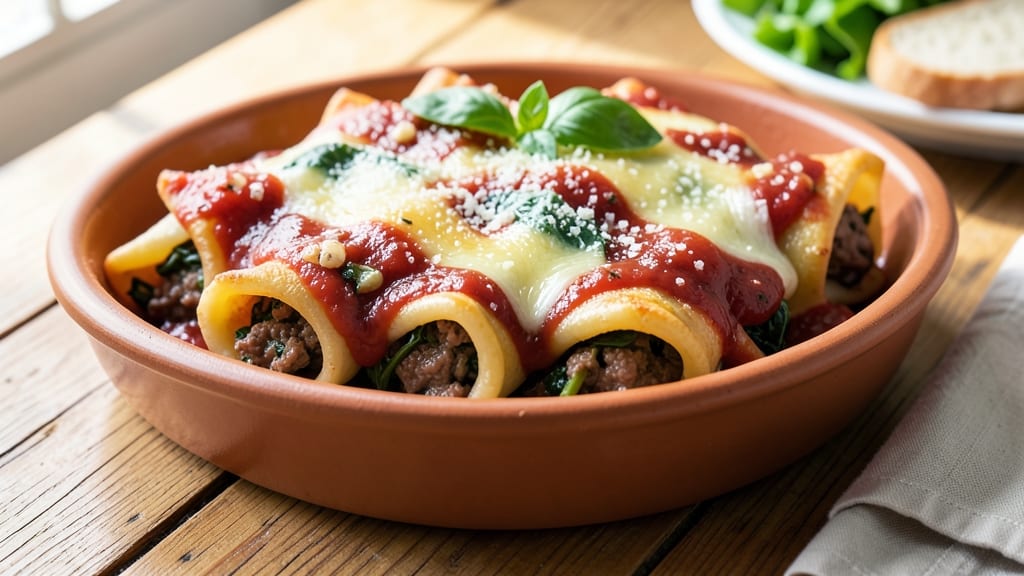
This beef and spinach manicotti recipe transforms a family dinner into an Italian masterpiece with layers of tender pasta, savory filling, and rich tomato sauce. The secret lies in perfectly wilted spinach and seasoned ground beef wrapped in delicate sheets, creating a dish that's both comforting and impressive.
Every bite delivers a balance of textures—creamy ricotta, tender beef, and crispy edges—all nestled in a velvety marinara.
The process begins with preparing the filling: finely chopped spinach wilted just enough to release its vibrant flavor without turning to mush, combined with ground beef and a blend of cheeses for that signature manicotti richness.
While the filling rests, the pasta sheets soften slightly in warm water, making them pliable for rolling. This isn't just a recipe; it's a technique that ensures each layer stays intact during baking, delivering that restaurant-quality texture you crave.
Layering is where the magic happens—each sheet of pasta becomes a vessel for the cheesy filling, stacked carefully in a baking dish before being smothered in marinara sauce. The high-heat bake transforms the dish into golden, bubbling perfection, with edges that crisp just enough to contrast the creamy filling inside.
The result? A dish that looks like it belongs on an Italian trattoria menu but comes together with simple, foolproof steps.
Serve this manicotti with a side of garlic bread and a simple arugula salad to balance the richness. The leftovers reheat beautifully, making it perfect for meal prep or feeding a crowd.
Here’s how to assemble it like a pro—no shortcuts, just layers of flavor that will have everyone asking for seconds.
Ingredients for beef and spinach manicotti
Sixteen ingredients create layers of Italian comfort—creamy, cheesy, and packed with wilted greens.
| Ingredient | Amount | Notes |
|---|---|---|
| Fresh Spinach 🌿 | 10 oz | Chopped, stems removed |
| Ground Beef 🥩 | 1 ½ lb | 80/20 fat ratio preferred |
| Ricotta Cheese 🧀 | 2 cups | Whole-milk for creaminess |
| Mozzarella Cheese 🧀 | 1 ½ cups | Fresh, shredded or block |
| Parmesan Cheese 🧀 | 1 cup | Freshly grated, fine |
| Large Eggs 🥚 | 2 whole | Room temperature |
| Manicotti Pasta Sheets 🍝 | 12 pieces | Dried, not fresh |
| Marinara Sauce 🍅 | 3 cups | Homemade or quality jarred |
| Garlic Cloves 🧄 | 4 cloves | Minced for filling |
| Yellow Onion 🧅 | 1 whole | Finely diced |
| All-Purpose Flour 🌾 | ¼ cup | For thickening if needed |
| Salt 🧂 | 1 ½ tsp | Kosher or sea salt |
| Black Pepper 🌶️ | 1 tsp | Freshly ground |
| Dried Basil 🌿 | 1 tbsp | Or 1 tbsp fresh chopped |
| Extra-Virgin Olive Oil 🫒 | 2 tbsp | For sautéing beef |
The spinach is non-negotiable here. Baby spinach wilts faster than mature leaves, so use what you find—just chop it finely. For the beef, 80/20 fat ratio keeps it juicy; leaner versions dry out. I grab my ricotta at Whole Foods when it's on sale, but any brand works if it's full-fat. The cheeses? Fresh mozzarella melts better than pre-shredded, and Parmigiano-Reggiano is worth the splurge for that nutty depth. Manicotti sheets vary in size—check the package for cooking time, but always blanch them first to soften.
No ricotta? Cottage cheese blended smooth works in a pinch, though it's not ideal. Short on mozzarella? Fontina cheese adds great flavor. The marinara can be homemade (San Marzano tomatoes are a game-changer) or store-bought—Rao's or Barilla are solid choices. Fresh basil is best, but dried at half the amount gets you close. The filling needs to hold together, so if it's too wet, add 1 tbsp flour. And trust me on the egg—it binds everything beautifully.
Prep the filling ahead and refrigerate it for up to 24 hours—the flavors meld better. The assembled manicotti keeps 3-4 days in the fridge, but reheats best from frozen. Portion into single servings before freezing for easy meals later. Leftovers? Even better the next day as the flavors deepen. Store the pasta sheets in a cool, dry place—they last 1 year unopened.
Why You'll Love This Recipe
- Here’s what sold me: it stretches ingredients without skimping on taste. Ground beef is cheaper than steak, ricotta adds creaminess without breaking the bank, and frozen spinach works just as well as fresh. Leftovers? Even better reheated the next day—crispy edges, gooey center, and that cheesy pull.
- No Fuss Assembly: I swear by this recipe because it’s the kind of dish that lets you multitask. While the beef and spinach simmer, you’re mixing ricotta with a splash of egg—no fancy techniques, just folding until smooth. The pasta sheets go in last, so even if you’re not a layering pro, it’ll still hold together.
- Spinach-Beef Magic: That first bite? Rich, herby, and packed with texture. The ground beef browns up with garlic and onion until it’s deeply savory, then gets brightened by wilted spinach—no bitterness, just fresh, meaty goodness. Topped with melted mozzarella and a dusting of Parmesan, it’s the kind of flavor that lingers.
- Weeknight Hero: Between us, this is my go-to when I need something hearty but not labor-intensive. It’s great for game nights (because everyone loves sharing a pan), dinner parties (no one will guess it took 30 minutes), and even as a freezer meal. Just assemble, bake, and serve—zero stress.
Step-by-step instructions for beef and spinach manicotti
Layer these rich, cheesy tubes with hearty beef-spinach filling for a restaurant-quality Italian dish.
Prepare the Beef-Spinach Filling
Heat the 2 tablespoons extra-virgin olive oil in a large skillet over medium-high heat. Add the 1 whole yellow onion and cook for 5 minutes until softened and translucent. Add the 1.5 pounds ground beef and cook for 6-8 minutes, breaking it apart with a wooden spoon, until it loses its raw color and begins to brown.
Drain excess fat, leaving about 1 tablespoon in the pan. Add the 4 cloves minced garlic and cook for 30 seconds until fragrant. Stir in the 10 ounces chopped fresh spinach and cook until just wilted—about 2 minutes. Remove from heat and let cool slightly.
In a large bowl, combine the cooked beef mixture with the 2 cups ricotta cheese, 1 cup freshly grated Parmesan cheese, 1.5 teaspoons salt, 1 teaspoon black pepper, and 1 tablespoon dried basil. Mix well, then stir in the 2 whole large eggs until fully incorporated. The filling should be thick but spreadable—if it's too loose, add 1-2 tablespoons all-purpose flour to bind it.
Assemble the Manicotti Layers
Preheat your oven to 375°F. Spread 1 cup marinara sauce evenly on the bottom of a 9x13-inch baking dish. This base prevents sticking and adds flavor to every layer.
Fill a piping bag (or a ziplock bag with a corner snipped off) with the beef-spinach filling. Pipe 2 tablespoons of filling onto each of the 12 manicotti pasta sheets, spreading it evenly toward one short end. Roll each sheet tightly into a tube, starting with the filled end, and place seam-side down in the baking dish.
Real talk: If the filling leaks, don't panic—just press it back in gently. The key is to keep the tubes snug but not overstuffed. Arrange them in a single layer, fitting them closely together to maximize flavor exchange.
Bake to Golden Perfection
Pour the remaining 2 cups marinara sauce over the assembled manicotti, pressing down gently to ensure the sauce seeps between the tubes. Sprinkle the 1.5 cups shredded mozzarella cheese evenly over the top, covering all exposed surfaces.
Bake uncovered for 30-35 minutes until the edges are golden brown and the cheese is bubbling. The filling should be heated through, and the pasta should be tender when tested with a toothpick. If the top isn't brown enough, broil for 1-2 minutes at the end, watching closely to avoid burning.
Remove from the oven and let rest for 10 minutes before serving. This resting time allows the filling to set slightly, making each bite cleaner and more cohesive. Garnish with extra freshly grated Parmesan and chopped basil if desired.
Serve with Confidence
Use a spatula to loosen the edges of the manicotti from the baking dish, then slide the entire pan onto a serving platter. The sauce should be thick and clingy, coating every layer. Serve immediately with a side salad or garlic bread to soak up the rich marinara.
Each bite should deliver a perfect balance of tender pasta, creamy ricotta, savory beef, wilted spinach, and melted mozzarella. If the sauce seems too thick after baking, warm it gently with a splash of water or reserved pasta water to achieve the ideal consistency.
Pro Tips For Making Beef And Spinach Manicotti
- Preheat Pan, Not Just Oven: The ricotta-spinach filling needs a head start. Cook the ground beef in a cold, dry skillet—start on medium, then crank to medium-high once it hits the pan. Cold meat browns better and doesn’t steam into a sad, gray sludge. (Yes, I’ve ruined batches by skipping this.)
- Wilt Spinach Fast, Then Drain Hard: Fresh spinach wilts in 30 seconds—no more. Toss it in the beef mixture, then immediately drain in a colander, pressing out every last drop of liquid. Wet filling makes soggy manicotti. (I learned this after three batches where the noodles turned to mush.)
- Layer Cheese Like a Pro: Skip the pre-shredded mozzarella—it’s packed with anti-caking agents that turn your dish into a watery mess. Instead, grate your own and mix it with the ricotta filling. Sprinkle Parmesan only on the top layer before baking—it’ll melt into the sauce, not clump.
- Bake Covered, Then Uncover: The first 20 minutes with foil locked in guarantees even cooking. Remove it for the last 10 to let the cheese brown and crisp. No peeking—every time I’ve checked early, the top turns rubbery. (Your future self will curse you if you don’t.)
Common mistakes when making your beef and spinach manicotti
Overstuffed Pasta Tubes
Stuffing your manicotti sheets too full is a rookie mistake that leads to messy leaks during baking. Each sheet should hold about 2 tablespoons of filling—think "snug but not bursting." I've seen this happen when people eyeball portions without measuring.
Use a piping bag or ziplock corner for precision, and press the filling toward one end to create a clean roll. 🌟
Skipping the Sauce Base
Never skip spreading marinara on the bottom of your baking dish—this is your secret weapon against sticking. The sauce creates a flavorful barrier that prevents the manicotti from gluing to the pan.
I've had this happen when using glass dishes without proper greasing, but sauce solves everything. Use about 1 cup for the base layer.
Undercooked Pasta Centers
Manicotti pasta needs to be fully tender before rolling and baking. If you skip blanching the dried sheets in boiling water for 2-3 minutes, they'll stay tough and chewy. Test one sheet—it should be pliable but not mushy.
I learned this the hard way when my first batch came out with al dente pasta centers that felt like shoe leather.
Filling Too Wet
A filling that's too loose will leak dramatically during baking, creating a soggy mess. If your mixture feels runny, add 1-2 tablespoons all-purpose flour> or extra grated Parmesan to absorb moisture. I've had to salvage ruined batches by adding breadcrumbs as a last resort—better to fix it before baking!
Broiling Without Watching
Broiling for extra browning can quickly turn your golden cheese into burnt disaster. If you need that crispy top, broil for just 1-2 minutes> and watch like a hawk. I've ruined perfectly good manicotti this way—always use the oven light to monitor progress closely.
Not Resting Before Serving
Skipping the 10-minute rest> after baking means messy, runny filling that spills everywhere. This resting time lets the cheeses set slightly, creating clean bites. I've had guests complain about "soupy" manicotti because I couldn't wait to serve—patience pays off here! 💫
Nutrition facts
Frequently asked questions
Can I use fresh pasta sheets instead of dried?
Fresh pasta sheets will work but require different handling. They're much softer and cook much faster—blanch for just 1-2 minutes in boiling water until pliable. The key difference is they won't hold their shape as well during baking, so assemble and bake immediately without resting. For best results, use dried manicotti sheets as they're specifically designed to maintain structure through the baking process.
How do I prevent the filling from leaking during baking?
Leaks happen when the filling is too wet or the rolls aren't snug. First, ensure your filling is properly bound by adding 1-2 tablespoons flour if needed. Roll the pasta sheets tightly but not too tight—think "snug like a burrito." Pipe the filling toward one end and press firmly as you roll. For extra insurance, chill the assembled manicotti for 30 minutes before baking to help the filling set.
Can I make this ahead of time?
Assemble the manicotti completely (including sauce and cheese topping) and refrigerate for up to 24 hours before baking. For make-ahead meals, bake as directed, then cool completely and freeze. Reheat covered at 350°F for 20-25 minutes until bubbly. The flavors actually improve after resting overnight—just add a splash of water to the sauce if it thickens during reheating.
What's the best way to reheat leftovers?
Leftovers reheat best covered with foil at 350°F for 15-20 minutes until heated through. For extra crispiness, broil for 2-3 minutes at the end. Avoid microwaving as it creates a rubbery texture. If the sauce separates, stir in a splash of water or reserved pasta water to restore its velvety consistency before serving.
Can I substitute ground turkey or chicken for the beef?
Yes, but with adjustments. Ground turkey (especially lean) works best if you add 1 tablespoon olive oil to the pan to prevent drying out. Ground chicken will be lighter in flavor—boost the seasoning with an extra ½ teaspoon salt and ¼ teaspoon Italian seasoning. For extra richness, add ¼ cup grated Parmesan to the filling. The texture will be slightly different but still delicious!