
Soups & Stews
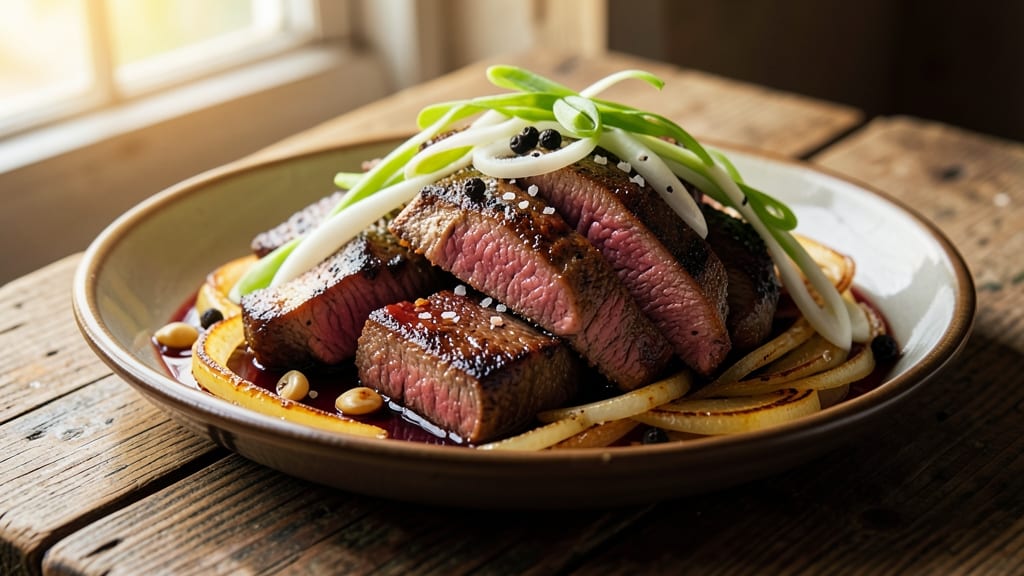
This beef and spring onions recipe transforms humble ingredients into a rich, one-pot masterpiece where tender beef melts into a velvety sauce infused with caramelized spring onions. The secret lies in slow-cooked depth—beef braised until fork-tender while onions develop sweet, jammy pockets of flavor that elevate every bite.
What starts as simple protein and vegetables becomes a restaurant-worthy dish with minimal effort and cleanup.
Professional results don’t require complicated techniques—just 30 minutes of prep followed by hands-off braising that develops complex flavors. The beef, cut into even pieces, sears first to lock in juices before simmering in a aromatic broth until it practically falls apart.
Spring onions, sliced into delicate rings, caramelize beautifully in the same pot, their natural sweetness intensifying as they cook down into a glossy, clinging sauce.
The finished dish delivers silky texture and caramelized depth in every spoonful, with beef that’s tender yet substantial and onions that add both sweetness and subtle crunch.
Serve it over buttery rice or with crusty bread to soak up the luxurious sauce—this is comfort food at its finest, where simplicity meets sophistication without sacrificing flavor.
Versatile enough for weeknight dinners or special occasions, this recipe adapts to your schedule: use quick-cooking beef for faster results or slow-braised cuts for maximum tenderness. The one-pot method ensures minimal cleanup, making it perfect for busy cooks who still want restaurant-quality meals at home.
Ingredients for beef and spring onion
Professional-grade beef and spring onions transform into a luxurious one-pot masterpiece with just 14 ingredients.
| Ingredient | Amount | Notes |
|---|---|---|
| Chuck Roast 🥩 | 1 ½ lb | Cut into 1-inch cubes, even size |
| Spring Onions 🧅 | 1 ½ lb | White and light green parts only |
| Yellow Onion 🧅 | 1 whole | Large, peeled and sliced |
| Garlic Cloves 🧄 | 6 cloves | Peeled and smashed |
| Tomato Paste 🍅 | ½ cup | Smooth, no sugar added |
| Red Wine 🍷 | 1 cup | Bold dry variety like Cabernet |
| Beef Broth 💧 | 2 cups | Low-sodium preferred |
| Olive Oil 🫒 | 2 tbsp | Extra-virgin for richness |
| Fresh Thyme 🌿 | 2 sprigs | Or 1 tsp dried thyme |
| Bay Leaves 🍃 | 2 whole | Remove before serving |
| Black Peppercorns 🌶️ | 1 tsp | Freshly cracked |
| Salt 🧂 | 1 ½ tsp | Diamond Crystal kosher |
| All-Purpose Flour 🌾 | 1 tbsp | For thickening sauce |
| Unsalted Butter 🧈 | 2 tbsp | Cold, for finishing |
The chuck roast is non-negotiable here—its marbled fat renders into the sauce for unmatched richness. Look for well-marbled cuts at your butcher or Costco's bulk beef section, where you'll find the best value. Spring onions should be fresh and firm, with crisp white bulbs—avoid wilted bunches. For the red wine, Cabernet Sauvignon or Merlot deliver the right balance of boldness and acidity without overpowering. If you prefer not to use alcohol, substitute an equal amount of beef broth plus 1 tbsp balsamic vinegar for depth. The tomato paste should be smooth and unsweetened—Barilla or Mutti brands are reliable choices.
No spring onions? Green onions or shallots work in a pinch, though they'll have a slightly sharper bite. Substituting dried thyme for fresh? Use one-third the amount—the flavor concentrates during drying. For the wine, if you must avoid it entirely, extra beef broth with a splash of apple cider vinegar mimics the acidity. The flour is purely for thickening at the end—if you're watching carbs, omit it and let the sauce be slightly looser. As for the butter at the finish, European-style butter like Plugrá adds a luxurious touch, but any good-quality unsalted butter will work beautifully. Prefer a different protein? Short ribs or brisket would elevate this dish further with their intense beefy flavor.
This dish improves dramatically overnight—3-4 days in the fridge lets the flavors meld into perfect harmony. For longer storage, freeze portions in airtight containers for up to 3 months. Reheat gently on the stove with a splash of broth to restore that velvety texture. The sauce thickens as it cools, so you may need to add a tablespoon of water or broth when reheating. For serving, keep the spring onions' green tops intact—toss them with olive oil, salt, and a squeeze of lemon for a quick garnish that brightens every plate. Leftovers make exceptional sandwiches the next day, with the tender beef and caramelized onions creating a flavor bomb between slices of crusty bread.
Why You'll Love This Recipe
- One-Pot Magic: I swear by this—just toss everything in one pot, let it slow-cook, and walk away. No chopping boards to clear, no extra pans to scrub. That chuck roast practically falls apart on its own when it’s done.
- Deep Umami Bomb: Between the tomato paste caramelizing into a glossy sauce and the spring onions adding that fresh, sharp bite, every bite is ridiculously satisfying. Honestly, the garlic cloves roasted into the onions? That’s where the real flavor lives.
- Lunchbox Hero: This keeps perfectly for days—pack it in containers for work lunches or reheat for dinner. My kids actually eat it cold with crackers (yes, really), and it’s still the star of the meal when warmed up.
- Budget Stretch: A single chuck roast feeds my family for three meals—first as a hearty stew, then shredded in tacos, and finally as a quick stir-fry. That’s $10 well spent, and the tomato paste makes even the simplest meal taste like a restaurant dish.
Step-by-step instructions for beef and spring onions with rich silky sauce
This one-pot method delivers deep caramelized flavors and tender beef without cross-contamination or extra dishes.
Sear the Chuck Roast for Maximum Flavor
Heat a large Dutch oven over medium-high heat until hot. Add the 2 tablespoons olive oil and swirl to coat the bottom. Working in batches to avoid crowding, add the 1.5 lb chuck roast cut into 1-inch cubes and sear for 3-4 minutes per side until deeply browned. This step builds the foundation of flavor through the Maillard reaction.
As the beef browns, use a slotted spoon to remove it and set aside in a bowl. Don't drain the rendered fat—it contains concentrated beef flavor that will form the base of your sauce. If the fat becomes too deep, carefully pour off all but 2 tablespoons to maintain proper heat for the next ingredients.
Develop the Aromatic Base with Spring Onions and Garlic
In the same Dutch oven, add the 1.5 lb spring onions (white and light green parts only) and 1 whole yellow onion, sliced into ¼-inch rounds. Cook for 5-6 minutes, stirring occasionally, until the onions soften and begin to caramelize at the edges. This transformation creates natural sweetness that balances the rich beef flavors.
Add the 6 cloves garlic cloves (peeled and smashed) and cook for 30 seconds until fragrant. Immediately stir in the 0.5 cup tomato paste and cook for another 1 minute to develop its deep umami notes. The tomato paste will darken slightly—this indicates proper development of flavor compounds.
Deglaze and Simmer with Wine and Broth
Pour in the 1 cup red wine and scrape up all the browned bits from the bottom of the pot using a wooden spoon. This deglazing step captures all the concentrated beef flavor that would otherwise be lost. Let the wine simmer for 3-4 minutes until reduced by half, allowing the alcohol to cook off and the flavors to concentrate.
Add the 2 cups beef broth, 2 sprigs fresh thyme, 2 whole bay leaves, 1 teaspoon black peppercorns, and 1.5 teaspoons salt. Bring to a gentle simmer, then return the seared beef to the pot. Partially cover and simmer for 1 hour 30 minutes at 325°F, stirring occasionally, until the beef is fork-tender and easily pulls apart.
Thicken the Sauce and Finish with Butter
Remove the beef from the pot and set aside. Strain the cooking liquid through a fine-mesh sieve into a clean saucepan, pressing on the solids to extract maximum flavor. Return the strained liquid to the Dutch oven and stir in the 1 tablespoon all-purpose flour. Cook over medium heat for 3-4 minutes until the sauce thickens slightly.
Reduce heat to low and whisk in the 2 tablespoons cold unsalted butter, one tablespoon at a time, until fully incorporated. The sauce should coat the back of a spoon and have a silky, velvety texture. Taste and adjust seasoning with additional salt if needed—this sauce should be rich but balanced, with the acidity from the wine cutting through the richness.
Serve with Perfectly Caramelized Spring Onions
Return the beef to the pot and gently toss to coat in the silky sauce. The spring onions should be tender but still hold their shape with beautifully caramelized edges. Serve immediately over mashed potatoes or crusty bread to soak up every last bit of that luxurious sauce.
For best results, let the dish rest for 5 minutes before serving to allow the flavors to meld completely. Each bite should deliver tender beef with a deep, caramelized onion sweetness and a sauce that clings perfectly to the meat and vegetables.
Pro Tips For Making Beef And Spring Onion
- Sear the Chuck Roast: Get that pan blistering hot before adding oil—you’re not just browning, you’re building flavor. A chuck roast needs a deep, caramelized crust, and lukewarm pans mean sad, pale meat. I learned this the hard way after serving a batch that looked like it belonged in a hospital tray.
- Slice Spring Onions Properly: Cut them diagonally into 1-inch chunks—thicker than usual—so they stay crisp when they wilt, not turn to mush. Thin slices disappear into the sauce, and nobody wants that. (Yes, even if you’re impatient like me.)
- Deglaze with Red Wine: After browning the beef, hit the pan with a splash of red wine (or broth if you’re skipping alcohol) and scrape like you’re mad. That stuck-on fond is pure flavor, and ignoring it is like leaving money on the table. My grandmother swore by this, and she was right.
- Low and Slow for Tender Beef: Once the beef is seared, drop the heat to a true simmer—think tiny bubbles, not a rolling boil—and cover it. Chuck roast needs time to melt, not steam. I used to rush this, and the result was chewy disappointment. (Your future self will thank you.)
Health benefits of this beef and spring onion
Protein Powerhouse
This dish delivers 30 grams of high-quality protein per serving from the chuck roast, making it an excellent choice for muscle repair and satiety. The slow-cooked beef provides all nine essential amino acids your body needs, while the spring onions add fiber and a satisfying crunch.
Perfect for post-workout meals or anyone looking to maintain lean muscle mass. 💪
Heart-Healthy Fats
The chuck roast contains healthy monounsaturated and polyunsaturated fats that support cardiovascular health when consumed as part of a balanced diet. The red wine used in the recipe provides resveratrol, an antioxidant that may help reduce LDL cholesterol levels.
Just 1 cup of red wine in the cooking process contributes to these benefits.
Rich in Antioxidants
Spring onions are packed with flavonoids and quercetin, powerful antioxidants that combat oxidative stress in your body. The caramelization process during cooking actually increases their antioxidant properties, making this dish particularly beneficial. The tomato paste adds lycopene, another antioxidant linked to reduced inflammation. 🌿
Vitamin Boost
You'll get a significant dose of vitamin C from the spring onions (about 15% of your daily value per servingvitamin B6 and manganese, essential for energy metabolism and bone health. Even the beef contributes vitamin B12, crucial for nerve function.
Low-Carb Option
While this recipe isn't inherently low-carb, you can easily adapt it by serving the beef and sauce over cauliflower rice instead of traditional rice or potatoes. The spring onions and caramelized onions provide natural sweetness without added sugars.
For a keto-friendly version, simply omit the flour thickening step and let the sauce remain slightly looser. 🥦
Digestive Benefits
The fiber content from the spring onions (about 3 grams per serving) promotes healthy digestion and regularity. The slow-cooking process makes the beef incredibly tender, which is easier to digest than quickly cooked cuts. The thyme and bay leaves in the recipe also contain digestive enzymes that may aid in nutrient absorption. Perfect for anyone with sensitive stomachs who still wants flavorful protein.
Nutrition facts
Frequently asked questions
Can I substitute regular onions for spring onions in this recipe?
While you can use regular yellow onions, spring onions provide a milder, sweeter flavor that caramelizes beautifully without overpowering the beef. For the best results, use a mix of 1 lb yellow onions and 1 lb green onions—the green onions will mimic the spring onion's fresh bite, while the yellow onions add depth. If you must use only one type, yellow onions work better than green.
How do I make this recipe faster without sacrificing flavor?
For a quicker version, use pre-cut chuck roast (ask your butcher to cube it) and thinly sliced spring onions to reduce cooking time. Sear the beef as directed, then cook the onions for just 3 minutes before adding wine. Use 1 cup beef broth + ½ cup water and simmer for 1 hour instead of 1.5 hours. The beef will be tender but slightly less fall-apart—perfect for weeknight meals!
What’s the best way to reheat leftovers?
Reheat gently on the stove over low heat with a splash of beef broth or water to restore the sauce's silky texture. Avoid microwaving—it makes the sauce watery. For extra richness, stir in 1 tablespoon butter at the end. If the sauce thickens too much while reheating, thin it with a little broth. Leftovers keep well for 3-4 days in the fridge.
Can I make this recipe without wine?
Replace the wine with 1 cup beef broth + 1 tablespoon balsamic vinegar for acidity and depth. For even more flavor, add ½ teaspoon smoked paprika or a pinch of dried porcini mushrooms (soaked in hot water) to mimic wine’s umami. The dish will still be rich and satisfying—just slightly less complex.
Why did my spring onions turn mushy instead of caramelized?
Overcooking or too much liquid are the usual culprits. To fix this, ensure you’re using only white and light green parts (discard tough green tops) and cook them for no longer than 6-8 minutes. If the sauce seems too thin, simmer uncovered for 5-10 minutes to reduce it. For next time, strain the cooking liquid before returning the beef to concentrate the flavors.