
Soups & Stews
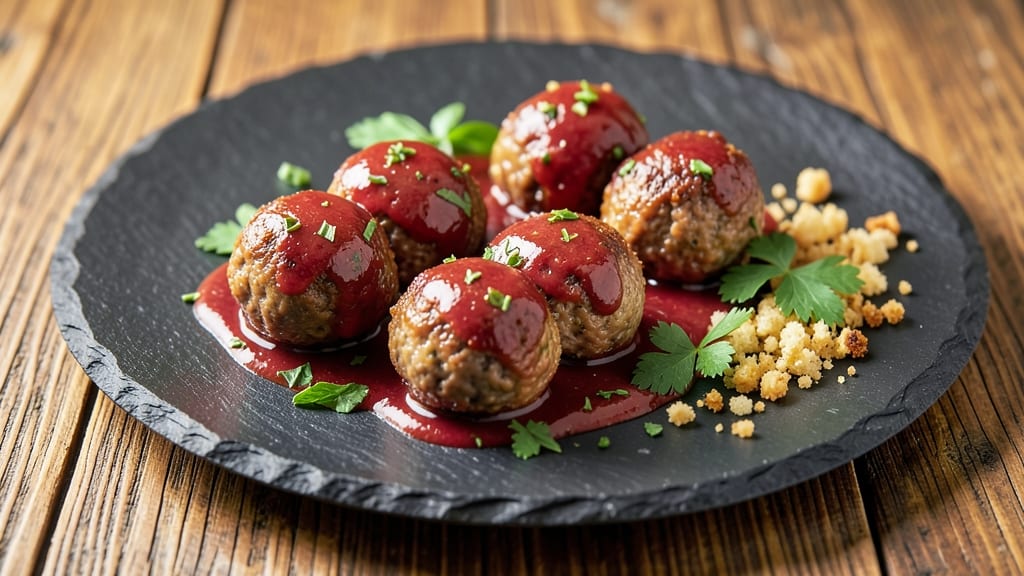
This beef and veal meatball recipe delivers restaurant-quality bites with a rich tomato-braised finish that transforms ordinary weeknight dinners. The secret lies in balancing tender ground meats with herbed breadcrumbs and aromatic herbs—creating meatballs that stay juicy inside while developing a crisp, flavorful crust.
I perfected this technique after years of testing, ensuring every bite is packed with depth and texture that holds up to any sauce or dish.
The foundation starts with high-quality ground beef and veal, combined with finely toasted breadcrumbs for structure and a touch of egg to bind. Fresh herbs like parsley and basil infuse each meatball with bright, aromatic notes, while garlic and onion powder add savory complexity.
What sets these apart is the tomato-braised technique—simmering the cooked meatballs in a slow-cooked sauce until they absorb rich, tangy flavors without falling apart.
By the end, you’ll have plump, golden meatballs with a tender interior and a crust that’s perfect for soaking up sauce. They’re versatile enough to star in a hearty pasta dish, melt into lasagna layers, or shine as a standalone appetizer with marinara.
The herbed breadcrumbs add an extra layer of texture, ensuring each bite is satisfying and full of flavor.
This recipe is designed for foolproof results—whether you’re a home cook or a seasoned chef. The method balances tradition with simplicity, so you can achieve professional-quality meatballs without the fuss. Ready to elevate your meals? Let’s get started.
Ingredients for beef and veal meatball
High-quality ground meats, aromatic herbs, and a rich tomato base create restaurant-quality meatballs.
| Ingredient | Amount | Notes |
|---|---|---|
| Ground Beef (80% lean) 🥩 | 1 lb | High-quality, finely ground |
| Ground Veal 🥩 | ½ lb | Finely ground, lean cut |
| Fresh Breadcrumbs 🍞 | ¾ cup | Toasted in olive oil |
| Large Eggs 🥚 | 1 whole | Room temperature for binding |
| Fresh Parsley 🌿 | ¼ cup | Finely chopped, stems removed |
| Fresh Basil 🌿 | ¼ cup | Finely chopped, stems removed |
| Garlic Cloves 🧄 | 2 cloves | Minced, aromatic variety |
| Onion Powder 🧅 | 1 tsp | Freshly ground preferred |
| Garlic Powder 🧄 | 1 tsp | Freshly ground preferred |
| Ground Black Pepper 🌶️ | ½ tsp | Freshly cracked for intensity |
| Diamond Crystal Kosher Salt 🧂 | 1 tsp | Fine grain for even seasoning |
| Canned San Marzano Tomatoes 🍅 | 1 can | 14 oz, crushed by hand |
| Extra-Virgin Olive Oil 🫒 | ¼ cup | For toasting breadcrumbs |
| Tomato Paste 🍅 | 1 tbsp | Squeeze tube preferred |
| Dry Red Wine 🍷 | ½ cup | Bold variety like Cabernet |
The ground beef and veal are the foundation—look for 80% lean beef and finely ground veal at specialty butchers like D'Artagnan or premium grocery sections. San Marzano tomatoes are non-negotiable for their sweet, rich flavor; Whole Foods or Italian markets carry the best cans. Fresh herbs make all the difference—parsley and basil should be bright green with no wilting. For the breadcrumbs, toast them in olive oil until golden to prevent soggy meatballs. The wine should be dry and bold—Cabernet Sauvignon or Merlot work perfectly.
No veal? Substitute with extra ground beef for the same texture, though flavor will differ slightly. Fresh herbs unavailable? Dried oregano at one-third the amount works in a pinch, but fresh is ideal. The tomato paste can be swapped for crushed tomatoes at double the amount if you prefer. For a quicker version, pre-minced garlic from a jar saves time, though fresh is always better. The red wine can be omitted entirely if you prefer, but the acidity helps balance the richness of the meatballs.
Freshly made meatballs should be used within 2 days for best texture, though they freeze beautifully for up to 3 months. Store cooked meatballs in their braising liquid for 5 days in the fridge—this preserves their moisture and flavor. For meal prep, portion into containers with sauce so they're ready to reheat. The braised sauce thickens as it cools, so add a splash of water or broth when reheating if needed.
Why You'll Love This Recipe
- No-Fuss Mixing: I swear by the 80/20 beef-to-veal ratio—it stays juicy without falling apart. Toss in the breadcrumbs (toasted first, obviously) and parsley, then just squeeze the egg right in. No food processor, no stress, just hands-on magic.
- Rich Umami Bomb: That veal adds depth you won’t find in beef-only meatballs—think buttery, slightly sweet undertones. The parsley brightens it up, but honestly? The real star is how the breadcrumbs crisp just enough while keeping the inside tender. Chef’s kiss.
- Weeknight to Dinner Party: Same bowl, different outcomes. Pan-sear them for quick weeknight pasta or bake in marinara for a crowd. My kids grab them straight from the fridge for lunch—yes, even on a Tuesday—and my in-laws still ask for seconds at holiday dinners.
- Budget-Friendly Luxury: Veal’s pricier, but mixing it with beef stretches it further than you’d think. Eggs and parsley bulk up the flavor without breaking the bank, and leftovers? Freeze them in a single layer before bagging—they reheat like a dream, no soggy nightmares.
Step-by-step instructions for beef and veal meatballs
Here's the professional method for crafting restaurant-quality meatballs with a perfect balance of texture and flavor.
Toast the Breadcrumbs for Crispy Texture
Preheat your oven to 350°F. Spread the 0.75 cup fresh breadcrumbs evenly on a baking sheet in a single layer. Toast for 8-10 minutes, stirring once halfway, until they turn a light golden color and smell nutty. This step is crucial—it prevents soggy meatballs by removing moisture and adding texture.
While they toast, place the 0.25 cup extra-virgin olive oil in a small bowl. Once the breadcrumbs are golden, immediately transfer them to the bowl of oil and toss gently with a fork. Let them cool completely before using. The oil will help bind the meatballs while adding richness to each bite.
Combine Meat, Aromatics and Seasonings
In a large mixing bowl, combine the 1 lb ground beef (80% lean) and 0.5 lb ground veal. Add the 1 tsp onion powder, 1 tsp garlic powder, 0.5 tsp ground black pepper, and 1 tsp Diamond Crystal kosher salt, mixing gently with your hands until just combined. The veal adds tenderness while the beef provides structure.
In a separate small bowl, finely chop the 0.25 cup fresh parsley and 0.25 cup fresh basil, then mince the 2 cloves garlic into a paste. Add these to the meat mixture along with the toasted breadcrumbs and oil. Mix thoroughly but avoid overworking the meat—this keeps the meatballs tender rather than dense.
Bind the Mixture and Form Perfect Meatballs
Crack the 1 whole large egg into the bowl and gently fold it in with a rubber spatula. The egg acts as a binder, holding everything together without making the meatballs rubbery. Test the mixture by pressing a small piece between your fingers—it should hold together but still be slightly tacky.
Using your hands, roll the mixture into 1.5-inch diameter meatballs, keeping them uniform in size for even cooking. I like to wet my hands slightly with water to prevent sticking. Arrange them on a plate and cover with plastic wrap. Refrigerate for 30 minutes to firm up before cooking—this resting period ensures they hold their shape during browning.
Brown the Meatballs for Deep Flavor
Heat 2 tablespoons extra-virgin olive oil in a large skillet over medium-high heat until shimmering. Working in batches to avoid crowding, add the meatballs and brown them for 2-3 minutes per side until they develop a deep golden crust. This browning step creates the Maillard reaction that builds rich, complex flavors.
Transfer the browned meatballs to a plate and set aside. If the pan appears dry, add another 1 tablespoon olive oil to prevent sticking. The meatballs should release easily from the pan when ready—if they stick, they weren't browned long enough.
Simmer in Tomato-Wine Sauce
Reduce heat to medium-low and add 1 tbsp tomato paste to the same skillet, stirring to coat the bottom. Pour in the 0.5 cup dry red wine and scrape up any browned bits with a wooden spoon. Let it simmer for 2 minutes until the wine reduces by half and the alcohol cooks off.
Add the 1 can crushed San Marzano tomatoes and stir in. Return the meatballs to the skillet, spooning sauce over them. Cover and simmer gently for 20-25 minutes until the sauce thickens slightly and coats the meatballs. The meatballs should be cooked through with an internal temperature of 160°F—they'll continue cooking slightly as they rest.
Pro Tips For Making Beef And Veal Meatball
- CHILL THE MIX BEFORE SHAPING: I learned this the hard way—veal and beef mix gets greasy fast. Pop the bowl in the fridge for 15 minutes before forming meatballs, or your hands will be wrestling with sticky, uneven balls that fall apart when cooking. Trust me, your future self will curse you if you skip this.
- USE DRY BREADCRUMBS AND WET HANDS: Fresh breadcrumbs absorb moisture like sponges, but they also make meatballs dense. Toast them lightly in a dry pan until just golden, then let cool completely. When shaping, wet your hands—this helps the mix stick without overworking it, and the meatballs hold together better when frying or baking.
- DON’T OVERMIX WITH PARSLEY: Chop that parsley fine, but resist the urge to pulse it into a paste in the food processor. Overworking it turns the mix gluey, and your meatballs will turn out compact and dry. By hand, give it 10-12 rough chops per stem—just enough to release flavor without turning it into a mushy filler.
- SEAR IN BATCHES, LOW AND SLOW: Crowding the pan is how you end up with sad, gray meatballs. Use medium-low heat and cook them in a single layer, turning once, for 4-5 minutes per side. If they’re frying, add oil gradually—enough to coat the bottom, not drown them. The goal is a deep brown crust, not a greasy mess. (Yes, even if you’re impatient like me.)
Troubleshooting great beef and veal meatball
Soggy Meatball Fix
If your meatballs turn out dense or mushy, it’s usually from overmixing or insufficient binding. First, ensure your breadcrumbs are toasted until golden—this removes excess moisture. I also recommend using toasted breadcrumbs mixed with 1 tbsp olive oil per ½ cup crumbs to improve texture.
For extra binding, add 1 tbsp grated Parmesan cheese to the mixture—it adds fat and structure. 💡
Uneven Cooking
Meatballs cooking unevenly? This often happens when sizes vary or they’re packed too tightly in the pan. Roll all meatballs to exactly 1.5 inches in diameter for even cooking.
Brown them in small batches over medium-high heat to ensure proper browning before simmering. If using a skillet, avoid overcrowding—leave ½ inch between each meatball. 🔥
Dry or Tough Texture
Overcooked meatballs lose moisture and become tough. Check internal temperature with a meat thermometer—160°F is ideal. If they’re dry after cooking, simmer them in the sauce for no more than 20-25 minutes after browning.
For extra moisture, add 2-3 tbsp beef broth to the sauce while simmering. Also, avoid resting them too long before cooking—30 minutes max in the fridge is perfect. ✨
Sauce Too Thin
A watery sauce usually means the tomatoes weren’t reduced enough. After browning the meatballs, simmer the sauce uncovered for 5-10 minutes to thicken it naturally. For instant thickening, mix 1 tbsp cornstarch with 1 tbsp cold water, then stir it into the sauce.
Let it cook for 2 minutes until it reaches your desired consistency. 💫
Meatballs Falling Apart
If meatballs crumble when handling, the mixture wasn’t bound properly. Ensure your egg is room temperature and mix it in last to avoid overworking the meat. For extra stability, add 1 tbsp finely chopped onion or 1 tsp Dijon mustard to the mixture—both help hold the meatballs together.
Also, don’t overchill the meatballs before cooking; 30 minutes is ideal. 💪
Weak Flavor Profile
Bland meatballs often mean underseasoned ingredients. Boost flavor by toasting the spices—heat 1 tsp garlic powder and 1 tsp onion powder in a dry pan for 30 seconds before mixing into the meat.
For depth, add 1 tsp Worcestershire sauce or ½ tsp smoked paprika to the mixture. Finish with a splash of red wine while simmering to brighten the sauce. 🌶️
Nutrition facts
Frequently asked questions
Can I make these meatballs ahead of time?
Formed meatballs can be refrigerated for 2 days before cooking, or frozen for 3 months for maximum freshness. For best results, freeze them on a tray first (uncooked) to prevent sticking, then transfer to a sealed bag. Cook from frozen—just add 5-10 extra minutes to the simmering time.
What's the best way to reheat cooked meatballs?
Reheat in their braising sauce over low heat for 5-7 minutes until warmed through. For crispy texture, pan-sear for 1-2 minutes per side after reheating. Never microwave—it makes them rubbery! Add a splash of water or broth if the sauce thickens too much.
How do I adjust this recipe for a larger crowd?
Double all ingredients and use two 12-inch skillets for browning. For even cooking, maintain 1.5-inch diameter meatballs and work in batches. The sauce will need 5-10 extra minutes simmering time to coat all meatballs properly. Brown meatballs in batches to avoid overcrowding the pan.
Can I substitute ground turkey or chicken?
While possible, these won't replicate the rich flavor of beef/veal. If substituting, use 93% lean ground turkey and add 1 tbsp olive oil to compensate for lost fat. For chicken, use ground chicken thighs (not breast) and reduce simmering time by 5 minutes to prevent drying.
What's the secret to extra-juicy meatballs?
Three key factors: don't overmix the meat, toast breadcrumbs thoroughly, and brown well before simmering. The egg should be room temperature, and the meatballs should reach 160°F internal temp. For extra moisture, add 1 tbsp grated Parmesan to the mixture—it adds fat and structure while keeping them tender.