
Sauces & Condiments
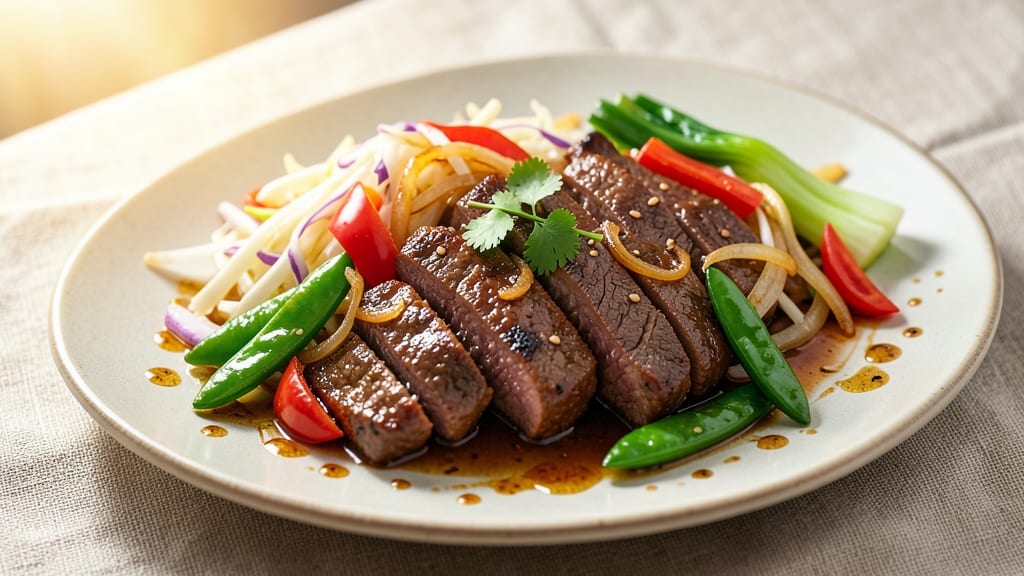
This beef and vegetable stir-fry sauce recipe transforms any home-cooked meal into a restaurant-worthy dish with its deep umami flavor and perfect balance of garlic, ginger, and soy.
The secret lies in a garlic-ginger base that builds layers of aromatic complexity while keeping the sauce versatile enough for both traditional and modern stir-fry dishes. I developed this recipe after years of testing—it's the one sauce that consistently delivers that wok-hei flavor at home.
The sauce starts with a simple yet powerful combination of soy sauce, rice vinegar, and a touch of honey for depth, but what sets it apart is the slow reduction that intensifies the flavors without making the sauce overly thick.
Fresh garlic and ginger are minced finely to release their essential oils, creating that signature aromatic punch that defines great stir-fry sauce. This isn't just another basic soy sauce blend—it's a wok-ready umami bomb that elevates beef, chicken, shrimp, or even tofu.
What makes this sauce truly special is its versatility—use it as a quick marinade for beef strips before stir-frying, toss it with cooked vegetables for an instant flavor boost, or drizzle it over noodles for a restaurant-quality finish.
The sauce keeps well in the refrigerator for up to a week, so you can make a big batch and have it ready whenever inspiration (or hunger) strikes. No more last-minute sauce scrambles—just pour, stir, and enjoy.
Ready in just 15 minutes, this sauce requires minimal effort but delivers maximum flavor impact. The key is patience during the reduction phase, where the sauce transforms from a simple blend into a rich, glossy, and deeply flavorful liquid that clings perfectly to your stir-fry ingredients.
Whether you're cooking for a weeknight dinner or prepping for a meal prep session, this sauce will become your new kitchen essential.
Ingredients for beef and vegetable stir fry sauce
Eight simple ingredients transform into a restaurant-quality stir-fry sauce with deep umami flavor.
| Ingredient | Amount | Notes |
|---|---|---|
| Fresh Garlic Cloves 🧄 | 4 cloves | Minced finely for aromatic punch |
| Fresh Ginger Root 🌿 | 1 ½ tbsp | Grated, not powdered |
| Soy Sauce 🍶 | ½ cup | Use light or dark variety |
| Rice Vinegar 🍶 | ¼ cup | White or seasoned works |
| Honey 🍯 | 1 tbsp | For depth and balance |
| Sesame Oil 🫒 | 1 tbsp | Toasted for nutty aroma |
| Cornstarch 🌾 | 1 tsp | For thickening sauce |
| Water 💧 | ¼ cup | For thinning if needed |
| Oyster Sauce 🍲 | 1 tbsp | Optional for extra umami |
| Red Pepper Flakes 🌶️ | ½ tsp | Adjust for heat preference |
The garlic and ginger are the heart of this sauce—fresh is non-negotiable. I grab mine from the Asian market when possible, where they keep it properly refrigerated. Look for plump, firm ginger root and cloves without sprouts. If you're using a microplane, don't overdo it—you want finely minced, not paste. The soy sauce should be light or dark depending on your preference, but avoid low-sodium versions here since we want that salty depth. Sesame oil adds that nutty aroma, but toast it in a dry pan for 30 seconds first—trust me on this.
No oyster sauce? Substitute with an extra tablespoon of soy sauce plus a splash of fish sauce—it'll still deliver that umami punch. Running low on rice vinegar? Apple cider vinegar works in a pinch, though it'll have a slightly different tang. The honey can be swapped for maple syrup or agave nectar if you're avoiding it. Red pepper flakes too spicy? Use half the amount or swap for mild paprika. For a smoother sauce, whisk the cornstarch with cold water first—no lumps guaranteed. The sauce should coat the back of a spoon but still be pourable—add water one teaspoon at a time if needed.
This sauce keeps beautifully in the fridge for up to 1 week in an airtight container. I like to make a double batch because it's perfect for meal prep—just reheat gently on the stove. For longer storage, freeze in ice cube trays and pop out single servings. The flavors actually deepen overnight, so leftovers taste even better. If you're using it as a marinade, reserve half the batch for tossing with cooked veggies or noodles—it's that versatile.
Why You'll Love This Recipe
- I’ll be real: soy sauce, rice vinegar, and honey are cheap, but they feel expensive. This sauce stretches a single pound of beef into three meals, and the veggies? Whatever’s on sale. It’s the kind of recipe that makes grocery day feel like a win—no matter what’s in your cart.
- Pantry-Ready Magic: I swear by this sauce because it lives in my fridge permanently—just garlic, ginger, and a few staples. No fancy shopping trips, no last-minute ingredient hunts. That honey-soy balance? It’s the kind of flavor that turns a simple stir-fry into something ridiculously good without trying too hard.
- Garlic-Ginger Punch: Between us, the fresh ginger and minced garlic are where this sauce gets its soul. That bright, zesty kick from the vinegar cuts through the richness of the beef, while the honey adds this just-right sweetness. It’s the kind of taste that makes you pause mid-bite—even if your stir-fry looks like it was thrown together at 7 PM.
- Meal Prep MVP: Honestly, this sauce keeps for weeks in the fridge, and it’s my go-to for batch cooking. Toss it with prepped veggies and frozen beef, and you’ve got a freezer-friendly meal that still tastes fresh. I double the batch on Sundays—half for dinner, half for lunch the next day. Zero waste, zero stress.
Step-by-step instructions for beef and vegetable stir fry sauce
Here's how to create a bold, balanced sauce that brings wok-fired dishes to life.
Build the Aromatic Base
Heat a small saucepan over medium heat and add the 1 tablespoon sesame oil. Once the oil shimmers but doesn't smoke, add the 4 cloves minced garlic cloves and 1.5 tablespoons grated fresh ginger root. Cook for 1-2 minutes until the garlic turns golden and the ginger becomes fragrant—this releases their full flavor potential.
Watch closely as the garlic cooks—it burns quickly. You'll know it's ready when it smells sweet and slightly nutty. Remove the pan from heat immediately after the garlic turns golden to prevent bitterness. Let the aromatic mixture cool slightly for 30 seconds before proceeding.
Combine Wet Ingredients
Return the pan to medium heat and add the 0.5 cup soy sauce, 0.25 cup rice vinegar, 1 tablespoon honey, and 1 tablespoon oyster sauce. Stir constantly for 2-3 minutes until the mixture begins to simmer gently. The sauce should reduce slightly and become slightly syrupy in texture.
This is where the flavors start to meld. You'll notice the honey dissolving and the vinegar mellowing out. Taste the mixture now—it should be tangy, salty, and slightly sweet. If you find it too acidic, add a pinch more honey. If it's too sweet, add a splash more rice vinegar to balance it.
Thicken the Sauce
In a small bowl, whisk together the 1 teaspoon cornstarch and 0.25 cup water until completely dissolved. This creates a smooth slurry that will thicken your sauce beautifully. Return the sauce to medium heat and slowly pour in the cornstarch mixture while stirring constantly with a wooden spoon.
Keep stirring for 1-2 minutes until the sauce thickens to a glossy, coatable consistency. It should coat the back of a spoon but still be pourable. If it thickens too quickly, add 1 tablespoon water at a time to reach your desired consistency. The sauce should be thick enough to cling to vegetables and meat but still flow smoothly when tossed.
Add Finishing Touches
Remove the sauce from heat and stir in the 0.5 teaspoon red pepper flakes. This adds subtle heat that will brighten the entire dish. Taste and adjust seasoning if needed—you might want to add a touch more soy sauce for saltiness or a bit more honey for sweetness. The sauce should be balanced with all five flavors: sweet, salty, sour, bitter (from the garlic), and umami (from the soy and oyster sauce).
Let the sauce sit at room temperature for 5 minutes to allow all the flavors to fully meld together. This resting period is crucial—it lets the heat from the red pepper flakes mellow slightly and the cornstarch fully set. The sauce will thicken slightly more as it cools, so don't worry if it looks perfect immediately.
Pro Tips For Making Beef And Vegetable Stir Fry Sauce
- MINCE THAT GINGER: I learned this the hard way—peeling ginger first saves you from biting into fibrous chunks later. Use a microplane or the side of your knife to shave it into thin ribbons (no need to chop). The sauce will taste brighter and smoother when it blends in evenly.
- SALT THE SOY SAUCE: Plain soy sauce? Add a pinch of salt (about ¼ teaspoon per tablespoon) before mixing it into your sauce. Store-bought soy varies wildly in saltiness, and this small tweak keeps the flavor balanced—especially when paired with sweet honey and tangy vinegar.
- COOK GARLIC LOW AND SLOW: High heat burns garlic faster than you can blink. Once you add the minced garlic to your stir-fry, turn the heat down to medium-low and let it sizzle gently for 30 seconds. This caramelizes the edges without turning them bitter—trust me, your sauce will taste deeper for it.
- SWAP HONEY FOR GOLDEN SYRUP: Running out of honey? Swap it 1:1 with golden syrup or agave. They’re cheaper, last longer in your pantry, and add a slightly richer caramel note that works even better with the vinegar’s acidity. (I keep a bottle of golden syrup on hand just for this reason.)
Regional styles of this beef and vegetable stir fry sauce
Classic Cantonese Style
In Cantonese cuisine, stir-fry sauces are all about balance and depth. This version keeps the garlic-ginger base but adds 1 tablespoon of fermented black beans for a funky, salty depth. I like to use light soy sauce and 1 teaspoon of Shaoxing wine for that authentic umami kick.
The sauce should be glossy but still pourable—perfect for quick wok cooking. Serve it with char siu pork or shrimp for a true Hong Kong-style experience. 🍜
Japanese Teriyaki Twist
For a Japanese-inspired take, swap the rice vinegar for mirin and add 1 tablespoon of sake to the sauce. Use dark soy sauce for color and reduce the honey to ½ tablespoon to keep it less sweet. Finish with 1 teaspoon of grated daikon for a subtle crunch.
This version works beautifully with beef or chicken teriyaki and pairs well with steamed rice. The sauce should be slightly thinner than the original for that classic teriyaki glaze. 🍶
Thai-Inspired Chili Sauce
Bring some heat to your stir-fry with a Thai-inspired variation. Add 1 tablespoon of fish sauce and 1 tablespoon of palm sugar (or brown sugar) to the base. Stir in 1 teaspoon of fresh lime juice and ½ teaspoon of ground white pepper for a bright, aromatic finish.
This sauce is perfect for beef or chicken satay or as a dipping sauce for spring rolls. The lime juice adds a tangy brightness that cuts through the richness of the beef. 🌶️
Korean Gochujang Fusion
For a Korean-inspired fusion, replace the red pepper flakes with 1 tablespoon of gochujang (Korean chili paste) and add 1 teaspoon of sesame seeds for texture. Use 1 tablespoon of rice vinegar and ½ teaspoon of sugar to balance the heat.
This sauce is fantastic with bulgogi beef or tofu stir-fries. The gochujang adds a deep, fermented richness that elevates the dish to new heights. 🔥
Vietnamese Nuoc Cham Style
Inspired by Vietnamese cuisine, this version uses fish sauce instead of soy sauce and adds 1 tablespoon of lime juice and ½ teaspoon of sugar. Swap the honey for 1 teaspoon of palm sugar and finish with fresh Thai basil for a fragrant touch.
This sauce is perfect for grilled beef or shrimp and pairs beautifully with rice noodles. The bright, tangy flavor makes it a refreshing change from traditional stir-fry sauces. 🍋
Modern Fusion Adaptation
For a contemporary twist, add 1 teaspoon of smoked paprika and ½ teaspoon of liquid smoke to the base for a smoky depth. Use balsamic vinegar instead of rice vinegar and reduce the honey to ½ tablespoon.
This sauce works wonderfully with grilled beef or mushrooms and adds a sophisticated touch to any stir-fry. The smoky notes give it a unique, restaurant-quality flavor that’s sure to impress. ✨
Nutrition facts
Frequently asked questions
Can I make this sauce without cornstarch?
Yes! For a cornstarch-free version, reduce the sauce longer over medium-low heat until it naturally thickens to your desired consistency. This takes about 5-7 minutes of constant stirring. Alternatively, use 1 teaspoon of arrowroot powder mixed with 2 tablespoons water as a 1:1 substitute. The sauce will be slightly less glossy but still delicious.
How do I adjust the heat level?
For milder heat, reduce the red pepper flakes to ¼ teaspoon or swap them for ½ teaspoon of smoked paprika. For extra spice, add ½ teaspoon of cayenne pepper or a dash of Sichuan chili bean paste (start with ½ teaspoon). Always taste as you go—the sauce should complement, not overpower, your stir-fry.
Can I use this sauce for other proteins besides beef?
This sauce works beautifully with chicken, shrimp, pork, or even tofu. For seafood, reduce the red pepper flakes to ¼ teaspoon to avoid overpowering delicate flavors. With chicken, you might want to add ½ teaspoon of white pepper for extra depth. The same sauce can also elevate noodle dishes or fried rice.
Why did my sauce turn out too thick?
Over-reducing or adding too much cornstarch can make the sauce too thick. To fix it, whisk in 1 tablespoon of warm water at a time until you reach a glossy, pourable consistency. For prevention, reduce the cornstarch to ½ teaspoon next time or simmer the sauce for 1-2 minutes less. The ideal texture should coat the back of a spoon but still flow freely when tossed.
How can I make this sauce gluten-free?
Replace the soy sauce with tamari (a gluten-free soy sauce alternative) or coconut aminos in a 1:1 ratio. For extra umami, add 1 teaspoon of gluten-free fish sauce or ½ teaspoon of nutritional yeast. The sauce will still deliver that rich, savory depth while keeping it safe for gluten-sensitive diets. Always check labels to ensure all ingredients are certified gluten-free.