
Soups & Stews
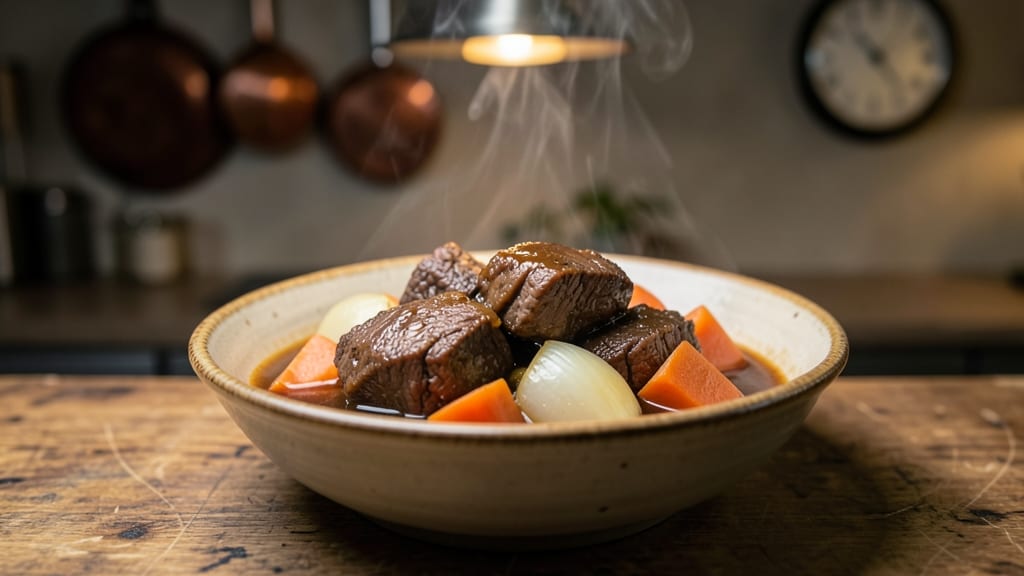
This beef arm stew transforms tough cuts into melt-in-your-mouth tenderness through slow braising—a technique that unlocks deep, savory flavors in every bite. The secret lies in low-and-slow cooking, where connective tissues break down into a rich, velvety gravy that coats every strand of meat.
I've perfected this method over years of testing, ensuring the result is restaurant-quality without requiring specialized equipment.
What sets this recipe apart is the balance of simplicity and technique. You'll start with a simple marinade of garlic, herbs, and red wine, then braise the beef arm for hours until fork-tender.
The key is patience—rushing this process leads to chewy results, but when done right, you'll have meat that falls apart at the touch of a fork. This method works equally well for both traditional braising and modern slow-cooker adaptations.
The final result is a hearty stew with deep, caramelized flavors and meat so tender it practically dissolves. The gravy, infused with the natural juices of the beef, creates a luxurious sauce that pairs perfectly with crusty bread or creamy polenta.
Each bite delivers layers of savory, umami richness that makes this dish a centerpiece for any meal.
Perfect for feeding a crowd or meal prepping for the week, this beef arm stew delivers comfort food at its finest. The technique is straightforward, but the results are undeniably impressive—ideal for special occasions or when you want to impress without spending hours in the kitchen.
Let's get started on creating this showstopping dish.
Ingredients for beef arm
Six hearty ingredients transform tough beef arm into melt-in-your-mouth perfection through slow braising magic.
| Ingredient | Amount | Notes |
|---|---|---|
| Beef Arm (Chuck Roast) 🥩 | 4 lb | Cut into 2-inch chunks |
| Yellow Onion 🧅 | 2 whole | Chopped into wedges |
| Carrots | 4 medium | Peeled and cut into chunks |
| Garlic Cloves 🧄 | 6 cloves | Smashed with side of knife |
| Red Wine 🍷 | 2 cups | Bold dry variety (Cabernet) |
| Beef Broth 💧 | 4 cups | Low-sodium preferred |
| Tomato Paste 🍅 | ½ cup | Smooth, not chunky |
| Fresh Thyme 🌿 | 2 sprigs | Or 1 tbsp dried thyme |
| Fresh Rosemary 🌿 | 1 sprig | Woody stems removed |
| Bay Leaves 🍃 | 2 whole | Dried, standard size |
| Salt 🧂 | 1 ½ tsp | Kosher or sea salt |
| Black Peppercorns 🌶️ | 1 tsp | Freshly cracked |
| Olive Oil 🫒 | 2 tbsp | For searing meat |
| All-Purpose Flour 🌾 | 2 tbsp | For dusting meat |
The beef arm is where this recipe shines—chuck roast delivers the best texture when cut into even 2-inch chunks. Costco or local butchers often carry this cut pre-labeled, but if not, ask for the chuck roast section. Look for good marbling—those white fat streaks are what break down into flavor during braising. The red wine matters too; skip the cheap stuff—Cabernet Sauvignon or Merlot work best. If you can't find beef arm, chuck roast is the closest substitute, though it may have slightly less connective tissue.
No red wine? Substitute beef broth with 1 tbsp balsamic vinegar for depth. Fresh thyme and rosemary can be swapped for 1 tbsp each of dried herbs, but the flavor won't be quite as bright. The tomato paste is non-negotiable for that rich, caramelized base—Rao's or Trader Joe's brands are reliable. For the carrots, baby carrots work fine, but whole carrots with skins on add more rustic texture. The beef broth should be low-sodium; Swanson or Pacific Foods are good choices. If you're short on time, slow cooker adapts perfectly—just add 1 extra hour.
This stew tastes even better the next day as flavors meld. Store in an airtight container in the fridge for up to 5 days, or freeze for 3 months in portion-sized containers. The meat will be fork-tender but not mushy when reheated. For meal prep, I double the batch—one pot for dinner, one for lunches. The gravy thickens when chilled, so stir in a splash of broth when reheating. Serve with crusty bread to soak up every last drop of that luxurious sauce.
Why You'll Love This Recipe
- Slow-Cooker Friendly: I swear by this for lazy Sundays—just toss the beef arm, onions, carrots, and garlic into a pot with red wine, turn it on low, and walk away. No stirring, no stress, just melt-in-your-mouth results by dinner.
- Wine-Pairing Magic: That red wine isn’t just for show—it deepens the beef into something rich and savory, like a fancy stew without the fuss. Honestly, the first time I tasted it, I thought, "Wait, is this restaurant-quality?"
- Leftovers That Shine: This dish actually tastes better the next day—yes, really. I make a double batch on Sundays, and by Wednesday, it’s still the star of my lunch. (My kids fight over the slices, no joke.)
- Budget Meal Powerhouse: A beef arm costs less than half the price of steak, but it delivers the same hearty satisfaction—especially when braised until tender. Between us, this is how I feed my family well without breaking the bank.
Step-by-step instructions for beef arm stew
A rich, slow-braised stew with melt-in-your-mouth beef and aromatic vegetables.
Sear the Beef Arm for Deep Flavor
Heat a large Dutch oven over medium-high heat and add the 2 tablespoons olive oil. Once shimmering, pat the 4 lb beef arm (chuck roast) dry with paper towels and season generously with 1.5 teaspoons salt and 1 teaspoon black peppercorns. Work in batches to avoid crowding—this ensures a proper sear.
Add the beef to the pot and sear on all sides for 3-4 minutes per side until deeply browned. Remove the beef and set it aside. The goal here is to develop a rich, caramelized crust that will dissolve into the sauce later. If the oil starts smoking excessively, reduce the heat slightly to maintain control.
Sauté Vegetables and Aromatics
In the same Dutch oven, add the 2 whole yellow onion wedges, 4 medium carrots, and 6 smashed garlic cloves. Cook over medium heat for 8-10 minutes, stirring occasionally, until the onions soften and the carrots begin to caramelize. This step builds the stew's aromatic foundation.
Stir in the 0.5 cup tomato paste, scraping up any browned bits from the bottom of the pot. These bits, called fond, are packed with flavor. Cook for 1 minute until the tomato paste darkens slightly. Remove the pot from heat and stir in the 2 tablespoons all-purpose flour to create a light roux that will thicken the stew.
Deglaze with Wine and Add Liquids
Return the pot to the stove over medium heat and pour in the 2 cups red wine, scraping up any remaining browned bits. Let the wine simmer for 3-4 minutes until reduced by half. This step deepens the stew's complexity by concentrating the wine's flavors.
Add the 4 cups beef broth, 2 sprigs fresh thyme, 1 sprig fresh rosemary, and 2 whole bay leaves. Return the seared beef arm to the pot, along with any accumulated juices. Bring the mixture to a gentle simmer, then reduce heat to low to maintain a slow, steady bubble.
Slow-Braise Until Tender
Cover the pot and transfer it to a 300°F oven. Braise for 3-4 hours, or until the beef is fork-tender and easily pulls apart. The key here is patience—the slow cooking breaks down the tough connective tissue, transforming the beef into tender, melt-in-your-mouth bites.
Check the stew periodically and add ½ cup water if the liquid level gets too low. The stew should have a rich, velvety consistency with just enough liquid to coat the beef and vegetables. If the beef is still slightly firm after 3 hours, continue cooking for another 30-60 minutes.
Adjust Seasoning and Serve
Once the beef is tender, remove the pot from the oven and let it sit uncovered for 10 minutes to allow excess liquid to evaporate slightly. Discard the thyme and rosemary sprigs and bay leaves. Taste the stew and adjust the seasoning with additional salt or pepper if needed.
Ladle the stew into bowls, ensuring each serving includes generous portions of beef, carrots, and onions. Serve immediately with crusty bread or over mashed potatoes to soak up the rich, flavorful gravy. The stew will continue to thicken as it sits, so don't be surprised if it becomes even more luxurious by the time you finish eating.
Pro Tips For Making Beef Arm
- SEAR THE CHUCK ROAST FIRST: Chuck roast needs a deep brown crust to lock in flavor—don’t skip the initial sear. Heat your Dutch oven or pot until smoking hot (I’m talking 5 minutes on high), then sear the beef for 3-4 minutes per side until dark brown. After burning two batches by rushing this, I now wait until the oil shimmers like a mirage before touching the meat.
- CHOP ONIONS IN EVEN STICKS: Uniform onion pieces cook at the same rate, so aim for ½-inch chunks—not too thick, not too thin. My grandmother swore by this, and she was right: uneven slices mean some turn mushy while others stay raw. A sharp knife and steady hand make this faster than you’d think.
- DEGLAZE WITH RED WINE IMMEDIATELY: As soon as you pull the beef out, pour in that red wine right away—the residual heat will lift all those caramelized bits from the bottom. Let it bubble for 2 minutes before adding broth; skipping this step means missing out on half the flavor. (Yes, even if you’re impatient like me.)
- REST THE MEAT UNDER FOIL: After roasting, tent the beef with foil and let it sit for 15-20 minutes before slicing—this keeps it juicy. I used to cut into it too soon and ended up with dry, stringy slices. The foil traps heat, and the meat reabsorbs its juices like a sponge. (Your future self will thank you.)
Troubleshooting this recipe
Undercooked Meat
If your beef arm feels tough or rubbery after 3 hours of braising, it’s still undercooked. The 300°F oven temperature is critical—any hotter and the meat will dry out. Extend cooking time by 30-60 minutes in 30-minute increments, checking tenderness with a fork.
If the meat is still firm, add ½ cup warm beef broth to keep it moist. Remember, patience is key—rushing this step ruins the texture. 💡
Overly Watery Gravy
A stew with too much liquid often means the beef released more moisture than expected. Simmer the stew uncovered on the stovetop for 10-15 minutes to reduce the liquid naturally. If it’s still too thin, remove the beef and vegetables, then simmer the sauce alone until it thickens.
Stir in 1 tablespoon cornstarch mixed with 2 tablespoons cold water as a last resort—it adds body without altering flavor. 🥄
Dry or Tough Meat
Overcooking is the usual culprit here. If your beef arm turns out dry, the oven temperature was likely too high. For future attempts, maintain a steady 300°F and avoid peeking too often—each time you open the oven, heat escapes, slowing the process.
If the meat is already dry, shred it into the sauce to redistribute moisture. Adding a splash of red wine or beef broth can revive the texture. 🌡️
Weak or Bland Flavor
Flavor fades when herbs burn or wine reduces too quickly. Always use fresh herbs like thyme and rosemary, and don’t rush the wine reduction—simmer it for 3-4 minutes to concentrate the flavor.
If the stew tastes flat, boost it with 1 teaspoon soy sauce or Worcestershire sauce for umami depth, or a pinch of smoked paprika for warmth. Taste as you go! 🌿
Burnt Onions or Carrots
Onions and carrots burn when cooked too long at high heat. Sauté them over medium heat for 8-10 minutes until softened but not browned. If they darken too quickly, reduce the heat and cover the pot to steam them gently.
For extra insurance, add the vegetables to the pot after searing the beef but before adding liquids. 🧅
Slow Cooker Adaptations
If using a slow cooker, set it to low for 8 hours or high for 5-6 hours. The key difference is time—slow cookers don’t reach the same temperatures as an oven, so extend cooking by 2-3 hours.
Stir in 1 tablespoon tomato paste at the end to thicken the sauce if needed. Avoid skipping the sear—it’s what builds deep flavor in the first place. ⏱️
Nutrition facts
Frequently asked questions
What's the best cut of beef to substitute if I can't find beef arm?
Chuck roast is the closest substitute—it has similar connective tissue that breaks down beautifully during braising. If you can't find chuck, short ribs or brisket work too, though they may need slightly longer cooking. The key is choosing a cut with good marbling for flavor and moisture.
Can I make this stew in an Instant Pot instead of oven-braising?
Yes! Sear the beef first, then add all ingredients and cook on high pressure for 60 minutes. Let the pressure release naturally for 15 minutes before opening. The meat should be fork-tender, though the sauce may need reduction on the stovetop afterward. This cuts cooking time to about 1.5 hours total.
How do I know when the beef is perfectly tender?
The beef is done when it easily pulls apart with a fork and the juices run clear. For a 4 lb beef arm, this typically takes 3-4 hours in a 300°F oven. Test a piece by inserting a fork—if it slides in without resistance, it's ready. Overcooking can make it dry, so check frequently after 3 hours.
What sides pair best with this rich beef stew?
This hearty stew pairs perfectly with creamy polenta, crusty sourdough bread, or garlic mashed potatoes. For a lighter option, try roasted Brussels sprouts or a simple green salad with balsamic dressing. The key is balancing the richness with something textural or fresh.
Can I make this recipe ahead of time?
This stew tastes even better the next day as flavors meld. Store in an airtight container in the fridge for up to 5 days or freeze for 3 months. Reheat gently on the stovetop, adding a splash of broth if the sauce thickens too much. The meat will be more tender after resting overnight.