
Soups & Stews
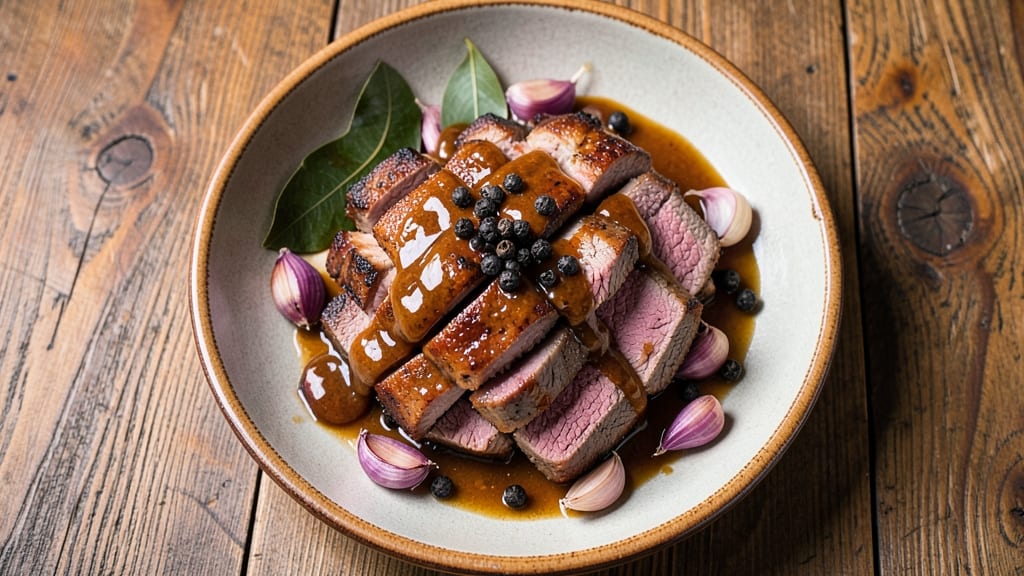
This Kapampangan beef asado recipe brings the smoky, tangy flavors of the Philippines straight to your grill or oven. The secret lies in a marinade of vinegar, garlic, and patis that tenderizes the beef while infusing it with bold, savory depth.
I've perfected this method after countless attempts to capture the authentic taste of Kapampangan cuisine—where beef asado isn't just a dish, but a celebration.
The beauty of this recipe is in its simplicity yet depth. You'll start with a thick cut of beef (like chuck or round) marinated overnight in a blend of vinegar, garlic, bay leaves, and a touch of patis for that unmistakable umami punch.
The marinade works its magic, breaking down the tough fibers while creating a caramelized crust when grilled or roasted. This method ensures every bite is tender yet packed with flavor.
What makes this beef asado truly special is the balance of smoky char and tangy brightness. Grilling the beef over hardwood or charcoal gives it that signature Kapampangan smokiness, while the vinegar marinade keeps it from drying out.
The result is a dish that's rich, juicy, and impossible to resist—perfect for gatherings or a special family meal.
Serve it alongside traditional Kapampangan sides like bagoong (fermented shrimp paste), sinigang (sour soup), or palabok (shrimp and string bean stew) to complete the experience. The combination of textures and flavors will transport you straight to the streets of Kapampangan, where beef asado is a beloved staple.
Let's get started on this flavorful journey.
Ingredients for beef asado kapampangan
Authentic Kapampangan flavors start with these 12 essential ingredients for tender, smoky beef asado.
| Ingredient | Amount | Notes |
|---|---|---|
| Beef Chuck Roast 🥩 | 3 lb | Thick-cut, well-marbled |
| White Vinegar 🍶 | 1 cup | Distilled or cane vinegar |
| Garlic Cloves 🧄 | 8 cloves | Peeled, smashed slightly |
| Patis (Fish Sauce) 🐟 | ¼ cup | Authentic Filipino brand |
| Bay Leaves 🌿 | 4 whole | Dried, crushed lightly |
| Black Peppercorns 🌶️ | 1 tbsp | Freshly cracked preferred |
| Fresh Ginger 🌿 | ½ cup | Finely grated, peeled |
| Olive Oil 🫒 | ¼ cup | Extra-virgin for richness |
| Brown Sugar 🍚 | ¼ cup | Packed tightly |
| Salt 🧂 | 1 ½ tbsp | Kosher or sea salt |
| Hardwood Charcoal 🔥 | 2 lbs | For authentic smoky flavor |
| Lemon Juice 🍋 | ¼ cup | Freshly squeezed |
The beef cut is everything here. Chuck roast delivers that melt-in-your-mouth texture when marinated properly, but round roast works too if that's what's available. Look for good marbling—those white fat streaks are what keep the meat juicy during grilling. For the patis, authentic Filipino brands like Toyo or Red Horse are worth hunting down at Asian markets, but any good-quality fish sauce will work in a pinch. The ginger should be fresh—none of that jarred stuff. Filipino markets or well-stocked Asian grocery stores usually carry it in larger pieces, perfect for grating.
No patis? Soy sauce or Worcestershire sauce can stand in, but you'll lose that signature umami depth. Running short on garlic? Garlic powder at half the amount works, though fresh is ideal. The vinegar is non-negotiable for the tangy brightness—cane vinegar has the best flavor profile. For the sugar, brown sugar gives better caramelization than white, but white sugar works fine if that's what you have. The charcoal is key for that authentic Kapampangan smokiness—hardwood charcoal burns cleaner and adds more flavor than briquettes. If you're grilling indoors, use a grill pan with the charcoal pieces arranged around the beef.
Marinate the beef overnight for best results—24 hours maximum, as vinegar can start breaking down the meat after that. Store the marinade in a sealed container in the fridge. The cooked beef keeps well for 3-4 days in the fridge, though it reheats best when sliced thin. For leftovers, wrap tightly in foil and reheat in the oven at 300°F until warmed through. The marinade can be made ahead and stored for up to 1 week in the fridge, though fresh is always better. Double the recipe—it disappears fast at gatherings.
Why You'll Love This Recipe
- Fewer Ingredients, Bigger Flavor: The secret’s in the marinade—just vinegar, garlic, patis, and bay leaves. No fancy blends or hard-to-find spices. Honestly, my first batch had way too much garlic, but the patis and vinegar cut through it like a charm, leaving that tangy, umami-rich punch.
- One-Pan, Zero Stress: You’re looking at a single sheet pan, maybe a pot if you’re slow-cooking it. The beef braises itself while you prep sides—no flipping, no fussing. I’ll be real: I’ve burned steaks before, but this? Even my dad (who claims he can’t cook) nailed it.
- Leftovers That Don’t Suck: Cold asado the next day? Still ridiculously good. Slice it thin, toss it in rice, or throw it in a wrap—it’s the kind of meal that gets better with time. Between us, I’ve had this for breakfast (yes, even on a Tuesday night) and never once regretted it.
- Budget Beef That Feeds a Crowd: A chuck roast stretches for a family of four—or six if you’re feeding neighbors. The vinegar and patis make it taste like a splurge, but the price tag? More like a grocery-store secret. Honestly, this is how I feed my crew without emptying my wallet.
Step-by-step instructions for beef asado Kapampangan
Master this traditional Kapampangan technique for tender, smoky beef with a perfect balance of tangy and savory flavors.
Prepare the Tangy Vinegar Marinade
In a large mixing bowl, combine the 1 cup white vinegar, 0.25 cup patis (fish sauce), 0.25 cup brown sugar, and 0.25 cup lemon juice. Stir until the brown sugar dissolves completely, creating a smooth marinade base. This tangy combination is the heart of Kapampangan asado—it tenderizes the beef while adding depth of flavor.
Next, add the 0.5 cup finely grated fresh ginger, 8 smashed garlic cloves, 4 crushed bay leaves, and 1 tablespoon cracked black peppercorns. Mix thoroughly to distribute all the aromatics. The ginger and garlic will infuse their bright, pungent flavors into the marinade, while the bay leaves add subtle earthiness. Let this mixture sit at room temperature for 15 minutes to allow the spices to bloom and release their oils.
Marinate the Beef Chuck Roast
Pat the 3 lb beef chuck roast completely dry with paper towels—this step is crucial for achieving crispy edges later. The dry surface helps the marinade cling better and promotes even browning during grilling. Place the beef in a large resealable plastic bag and pour the marinade over it, ensuring every surface is coated.
Seal the bag tightly and massage the marinade into the beef by gently kneading it with your hands. This ensures the flavors penetrate deeply. Refrigerate for at least 4 hours, but I recommend marinating overnight for maximum tenderness and flavor development. The acidity in the vinegar will break down the tough muscle fibers, while the fish sauce and brown sugar create a caramelized crust during cooking.
Set Up the Charcoal Grill
While the beef marinates, prepare your grill using the 2 lbs hardwood charcoal. I prefer using a traditional charcoal grill for authentic Kapampangan flavor, but a gas grill with charcoal briquettes works too. Arrange the charcoal in a pyramid shape and let it burn until covered with a thick layer of white ash—this indicates it's ready for cooking. Spread the coals evenly to create a two-zone fire: one side for direct grilling and one side for indirect heat.
Add the 0.25 cup olive oil to the marinade bag and toss the beef in it just before grilling. This extra fat helps create a beautiful sear. Place the beef on the grill over the direct heat side and sear for 5 minutes per side until you develop a deep golden crust. Then move it to the indirect heat side to finish cooking slowly. The olive oil also prevents the marinade from burning during the initial sear.
Grill to Perfect Doneness
Grill the beef with the lid closed, maintaining a temperature of 275-300°F on the indirect side. This low-and-slow approach ensures the meat stays juicy while developing that signature smoky flavor. Cook for 2 to 2.5 hours, turning occasionally, until the internal temperature reaches 195-205°F—this is the ideal range for fork-tender beef. The meat should pull apart easily with two forks, indicating it's perfectly tender.
During the last 30 minutes of cooking, you'll notice the beef releasing its juices and developing a dark mahogany crust. This is the moment when all the marinade flavors meld together. If the surface starts to dry out, brush it lightly with any remaining marinade or a bit of olive oil to keep it moist. The hardwood charcoal will infuse the beef with a subtle smokiness that's essential to Kapampangan asado.
Rest and Slice for Serving
Once the beef reaches the proper temperature, transfer it to a cutting board and tent loosely with aluminum foil. Let it rest for 15 to 20 minutes—this resting period is crucial for redistributing the juices throughout the meat. If you skip this step, you'll end up with dry slices. The beef should be hot but not boiling when you slice it.
Slice the beef against the grain into ½-inch thick pieces. The grain direction will be visible as long, fibrous lines running through the meat. Serving this way ensures each bite is tender and easy to chew. Arrange the slices on a platter and drizzle with any remaining pan juices for extra flavor. The finished asado should have a perfect balance of tangy, smoky, and slightly sweet flavors with a tender, melt-in-your-mouth texture.
Pro Tips For Making Beef Asado Kapampangan
- CRANK THE HEAT FIRST: Start your beef asado on high heat until it sears deep brown—this locks in those rich flavors and prevents soggy meat. I used to simmer too gently, and the dish never had that caramelized punch. Two minutes per side, then dial it back.
- SLICE THE GARLIC THIN: Mince those garlic cloves paper-thin and let them sit in the vinegar-patis mix for at least 10 minutes. Thick chunks burn and taste bitter; this way, they infuse evenly without overpowering the beef’s natural taste.
- DON’T DROWN THE BAY LEAVES: Tuck whole bay leaves into the meat after searing, not before—this keeps them from turning to mush. Remove them early (after 20 minutes) so they don’t make the sauce bitter. Yes, even if you forget, it’ll still work, but your dish will taste better if you don’t.
- USE THE VINEGAR LAST: Add white vinegar in the final 5 minutes of cooking—it brightens the sauce but evaporates fast. Dump it in too early, and you’ll end up with a sour, watery mess instead of that tangy, balanced flavor.
Perfect pairings for beef asado kapampangan
Kapampangan Staples
Complete your beef asado with bagoong—a fermented shrimp paste that adds a funky, salty depth to every bite. I like to serve it in small bowls on the side so guests can add it to their plates.
For a refreshing contrast, pair with sinigang, the iconic Filipino sour soup made with tamarind and shrimp. The tangy broth cuts through the richness of the asado beautifully. 🍲
Rice Pairings
No Kapampangan meal is complete without steamed jasmine rice—its slightly sticky texture soaks up all the smoky marinade juices. For something heartier, try garlic fried rice with scrambled eggs and diced vegetables.
I often make a big batch of rice and keep it warm in a rice cooker until serving time. The warm rice complements the asado's bold flavors perfectly. 🍚
Vegetable Sides
Add freshness to your spread with grilled eggplant or sautéed string beans—both are common in Kapampangan cuisine. Toss the eggplant with garlic, soy sauce, and a pinch of sugar before grilling, while the string beans can be quickly stir-fried with ginger and vinegar.
These sides add color and balance to the rich beef. 🥦
Drink Recommendations
Cool down with calamansi juice—the national fruit drink of the Philippines—made from tiny citrus fruits. Its tart, sweet flavor refreshes your palate after each bite of asado.
For a non-alcoholic option, try iced ginger tea with honey. If you're serving alcohol, San Miguel Pale Pilsen or Tanduay rum (mixed with calamansi) are classic choices. 🍹
Traditional Garnishes
Finish your platter with pickled red onions for a tangy crunch and fresh cilantro for brightness. I also like to sprinkle toasted sesame seeds over the sliced beef for extra texture. These simple garnishes elevate the dish and make it feel like a true Kapampangan feast. 🌿
Make-Ahead Sides
Prep your sides in advance to save time. The sinigang broth can be made 2 days ahead and reheated before serving. Bagoong can be stored in the fridge for up to a week, while pickled vegetables keep for 2 weeks.
Even the rice can be cooked a day ahead and reheated gently with a splash of water. This lets you focus on grilling the asado when the time comes. ⏰
Nutrition facts
Frequently asked questions
Can I use a different cut of beef for Kapampangan asado?
Yes, but chuck roast or round roast work best for their marbling and tenderness. For quicker cooking, try ribeye steak (marinate 2-3 hours only) or short ribs. Avoid lean cuts like sirloin—they'll dry out during the long grilling process. The key is fat content to keep the meat juicy during the slow cook.
What makes Kapampangan asado different from regular grilled beef?
The vinegar-patis marinade and hardwood charcoal smoking give it that signature tangy-smoky flavor. Unlike typical grilled beef, Kapampangan asado uses low-and-slow cooking (275-300°F) for 2+ hours to achieve fork-tender texture. The marinade's acidity breaks down fibers while the fish sauce adds umami depth. It's a celebration dish, not just a protein source!
Can I make this asado in an oven instead of grilling?
Preheat oven to 300°F and place the marinated beef on a rack over a baking sheet. Roast for 3-4 hours until internal temp reaches 195-205°F. For smokiness, add 2-3 soaked wood chips (like hickory) to the pan. The oven method works great for indoor cooking, especially in humid climates where grilling is challenging.
How do I store and reheat leftover Kapampangan asado?
Slice the beef and store in an airtight container for up to 4 days in the fridge. Reheat in a skillet with 1 tbsp marinade or water over medium heat until warmed through (165°F). For oven reheating, wrap slices in foil and bake at 300°F for 20 minutes
What if I can't find patis (fish sauce)? What's the best substitute?
Use soy sauce (same amount) or Worcestershire sauce (half amount) for umami, but you'll lose the authentic Filipino depth. For extra tang, add 1 tbsp extra vinegar. Never use salt alone—it won't replicate the complex flavor profile. If you're near an Asian market, Red Boat fish sauce works well as a substitute.