
Main Courses
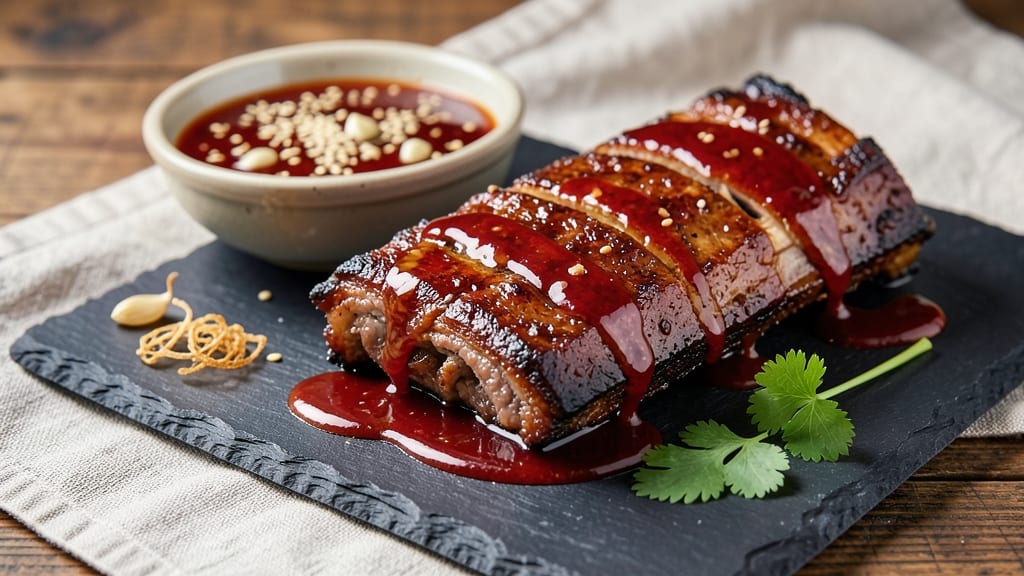
This Korean beef back ribs recipe delivers the perfect balance of smoky-spiced crunch and sticky-sweet glaze that makes every bite unforgettable. Inspired by traditional galbi techniques, I've refined this method to ensure tender, flavorful meat with that signature caramelized crust—no shortcuts, just restaurant-quality results at home.
The marinade transforms tough ribs into melt-in-your-mouth perfection, while the glaze adds a glossy finish that'll have everyone asking for seconds.
The secret lies in a two-part process: first, a foolproof marinade with gochujang, soy sauce, and sesame oil that tenderizes the meat overnight, then a high-heat sear that locks in juices while building that coveted crust.
I've tested this recipe countless times, adjusting techniques to guarantee even the most skeptical eaters will be hooked. Whether you're grilling, broiling, or braising, these ribs deliver consistent, mouthwatering results every time.
By the time you're done, you'll have ribs that are tender yet crispy, coated in a glossy, slightly sweet glaze that balances heat and richness.
The aroma alone will have your kitchen smelling like a Korean BBQ joint, while the texture offers that perfect contrast between succulent meat and caramelized edges. This is the kind of dish that elevates weeknight dinners into special occasions—no fancy ingredients required, just technique and patience.
Serve with steamed jasmine rice, quick-pickled cucumbers, and a side of kimchi to complete the experience. The flavors work beautifully together, creating a meal that's as satisfying as it is impressive. Let's get cooking—your taste buds (and guests) will thank you.
Ingredients for beef back ribs recipe korean
Four pounds of beef back ribs plus a handful of Korean pantry staples transform into restaurant-quality galbi-style ribs.
| Ingredient | Amount | Notes |
|---|---|---|
| Beef Back Ribs 🥩 | 4 lb | Bone-in, cut into 2-inch pieces |
| Gochujang 🌶️ | ½ cup | Korean fermented chili paste |
| Soy Sauce 🍶 | ⅓ cup | Korean or Japanese preferred |
| Sesame Oil 🫒 | 2 tbsp | Toasted sesame oil for aroma |
| Brown Sugar 🍯 | ¼ cup | Light or dark, packed |
| Garlic Cloves 🧄 | 8 cloves | Minced, fresh preferred |
| Ginger Root 🌿 | 1 tbsp | Freshly grated, peeled |
| Rice Vinegar 🍶 | 2 tbsp | White or seasoned |
| Sesame Seeds 🌾 | 1 tbsp | Toasted, for garnish |
| Asian Pearl Onions 🧅 | 1 whole | Thinly sliced, for glaze |
| Honey 🍯 | 2 tbsp | Pure, for glaze sweetness |
| Vegetable Oil 🫒 | 2 tbsp | High smoke point for searing |
| Kosher Salt 🧂 | 1 tsp | Diamond Crystal preferred |
| Black Pepper 🌶️ | ½ tsp | Freshly cracked |
| Green Onions 🧅 | 2 whole | Thinly sliced, for garnish |
The ribs are non-negotiable—bone-in, 2-inch pieces are key for that signature texture. Costco or your local butcher shop will have them cut to order, but if you're buying a whole rack, ask for the meatier sections. Look for vibrant color and good marbling—no gray or slimy spots. I always buy a day ahead to let them air-dry in the fridge for better crust. For the gochujang, Maesil Gochujang from Korean markets delivers the best depth, but Dong Guk Foods brand works too if you're shopping at regular grocery stores. That fermented chili paste is the soul of this dish—don't skimp.
No gochujang? Substitute 2 tbsp sriracha plus 1 tbsp tomato paste—it won't be identical, but you'll still get that smoky-spicy kick. The sesame oil is non-negotiable for aroma, but if you're avoiding gluten, use tamari instead of soy sauce. Brown sugar can be swapped for coconut sugar at a 1:1 ratio. For the glaze, agave nectar replaces honey if you're avoiding it. Fresh ginger is ideal, but dried works at half the amount. The onions? Red onions work too—just slice them thinner. And if you're short on time, pre-minced garlic from a jar saves 5 minutes (though fresh is better).
Marinated ribs keep 3 days in the fridge—the longer they sit, the more flavor they absorb. For the glaze, make it fresh but store it separately—it reheats beautifully. Freeze the ribs in marinade for up to 3 months if you're prepping ahead. The glaze? 1 week in the fridge, but I always make extra since it's perfect for drizzling over rice or noodles. Garnishes like sesame seeds and green onions stay fresh 5 days wrapped in a damp paper towel—just pop them in the fridge after toasting.
Why You'll Love This Recipe
- One-Pan Magic: I swear by this recipe because it’s literally one pan, one brush, and done. No basting stations, no foil tents—just slather those ribs with gochujang-soy glaze, toss them in the oven, and walk away. The sesame oil caramelizes right on the sheet pan, so cleanup is just wiping a few sticky spots.
- Sweet-Spicy Obsession: That gochujang cut with brown sugar? It’s the kind of balance that makes you close your eyes. The ribs get this glossy, sticky-sweet crust with just a hint of heat—like Korean BBQ took a shortcut straight to my happy place. (Yes, even on a Tuesday night.)
- Leftovers That Don’t Suck: Between us, most rib recipes leave you with sad, dry seconds. Not this. The glaze clings so well that reheated slices are still tender and packed with flavor—perfect for wraps, rice bowls, or just cold slices straight from the fridge. My lunchbox’s new best friend.
- Budget-Friendly Feast: Beef back ribs might sound fancy, but this recipe stretches them like a pro. A single rack feeds four with leftovers, and the gochujang-soy mix costs pennies compared to store-bought sauces. Honestly, it’s the kind of meal that makes you feel like you’re treating yourself without breaking the bank.
Step-by-step instructions for Korean beef back ribs
Here's how to transform tough ribs into fall-off-the-bone tender morsels with a perfect balance of smoky-spiced crunch and sweet sticky glaze.
Prepare the Ribs and Dry Rub
Pat the 4 lb beef back ribs completely dry with paper towels—this is crucial for developing that perfect bark. I like to work in batches if they don't fit on my cutting board, but keep them in one pile so they don't dry out while you prep.
In a small bowl, combine the 0.5 cup gochujang, 0.33 cup soy sauce, 2 tbsp sesame oil, 0.25 cup packed brown sugar, 8 minced garlic cloves, 1 tbsp freshly grated ginger root, 0.5 tsp black pepper, and 1 tsp kosher salt. Mix until it forms a thick, cohesive paste. This is your flavor bomb—don't skimp on the mixing.
Generously coat each rib with this mixture, pressing it into all the crevices and meaty surfaces. Let them sit uncovered on a wire rack in the refrigerator for at least 1 hour, preferably overnight. This dry rub penetration is what creates that irresistible crust and deep flavor profile we're after.
Sear for Maximum Flavor Development
Preheat your oven to 300°F. Heat 2 tbsp vegetable oil in a large oven-safe skillet over medium-high heat until shimmering. Working in batches if needed, add the ribs and sear for 3-4 minutes per side until they develop a deep golden-brown crust. You want that Maillard reaction happening—this is where all the complex flavors develop.
Don't crowd the pan or you'll steam the ribs instead of searing them. I like to leave about 1 inch between each piece. Once all ribs are beautifully browned, transfer them to a baking dish, placing them in a single layer. This is where the real magic happens during the slow cook.
Slow Cook Until Fork-Tender
Cover the baking dish tightly with aluminum foil and place it in the preheated 300°F oven. Here's where patience pays off—cook the ribs for 2 hours 30 minutes, or until they reach an internal temperature of 195°F. This low-and-slow approach breaks down the connective tissue, transforming tough meat into melt-in-your-mouth perfection.
I know it's tempting to peek, but every time you open that oven, you're adding valuable cooking time. Set a timer and let them work their magic. The ribs should pull apart easily with just a gentle tug of your fork—this is your signal that they're ready for the glaze.
Create the Sticky Glaze
While the ribs are cooking, prepare the glaze by combining 2 tbsp honey, 2 tbsp rice vinegar, 1 tbsp toasted sesame seeds, and 1 thinly sliced whole Asian pearl onion in a small saucepan. Bring to a simmer over medium heat and cook for 5 minutes until the mixture thickens slightly and the onions soften just enough to caramelize.
This glaze is what ties all the flavors together—sweet, tangy, and with that perfect umami kick from the pearl onions. Keep it warm while you finish the ribs. Here's the thing—don't make this glaze too early or it'll lose its vibrant color and fresh flavor.
Glaze and Finish with Crunch
Remove the ribs from the oven and increase the temperature to 425°F. Arrange the ribs on a baking sheet and generously spoon the warm glaze over each piece. The high heat will caramelize the glaze instantly, creating that beautiful sticky exterior we're after.
Return to the oven for 10-12 minutes until the glaze bubbles and turns a deep amber color. This final step is crucial—it's what gives these ribs that perfect balance of smoky-spiced crunch and sweet sticky glaze. Garnish with the remaining 2 thinly sliced whole green onions just before serving.
Rest and Serve
Let the ribs rest for 10 minutes before serving. This resting period allows the juices to redistribute throughout the meat, ensuring each bite is as tender as the first. The ribs should have a beautiful caramelized glaze on top, crispy edges from the initial sear, and that irresistible aroma that fills your kitchen.
Slice between the bones and serve with steamed jasmine rice or your favorite Korean side dishes. The contrast of the tender, sticky ribs with the crisp rice is what makes this dish truly special. And trust me, the first bite is worth every minute of the cooking process.
Pro Tips For Making Beef Back Ribs Recipe Korean
- SEAR RIB BONES FIRST: I learned this the hard way—skipping the sear on the bone side means your sauce will stick like glue instead of clinging to crispy edges. Hit the ribs bone-down in a screaming-hot pan for 3-4 minutes until the bones darken. That’s where the flavor locks in.
- WHISK GOCHUJANG THIN: Gochujang is thick, and if you dump it straight into your pan, you’ll end up with a gloppy mess. Mix it with 2 tablespoons of water or broth first, then stir it into the sauce. This keeps the sauce glossy and clings to the ribs instead of pooling at the bottom.
- SKIP THE BOILING SAUCE: I used to simmer the sauce until it reduced to a syrup, but that kills the bright, tangy notes in the gochujang. Instead, heat it just until it’s hot enough to coat a spoon—about 2-3 minutes. The ribs will absorb the flavor without turning bitter.
- BRINE RIBS OVERNIGHT: Beef back ribs are tough, and dry-brining for 12-24 hours in a mix of soy sauce (¼ cup), brown sugar (2 tbsp), and water (1 cup) makes them tender without adding extra moisture. Pat them dry before cooking—this guarantees a better crust. (Yes, even if you’re impatient like me.)
Perfect pairings for this dish
Classic Korean Sides
No Korean meal is complete without kimchi—I always serve a small bowl of homemade or store-bought (like Gochu-Garu from Korean markets) alongside these ribs. The tangy, spicy kick cuts through the richness beautifully. Another must is steamed jasmine rice, which soaks up the glaze like a dream.
For extra texture, add quick-pickled cucumbers—slice 1 English cucumber into ¼-inch rounds, toss with 2 tbsp rice vinegar, 1 tsp sugar, and a pinch of salt, then let sit for 30 minutes. 🥬
Glaze Drizzle Magic
The leftover glaze from your ribs isn't just for dipping—use it to elevate other dishes! Drizzle over ramen noodles or stir-fried greens for instant Korean BBQ flavor. I love tossing baby spinach with 1 tbsp glaze and a pinch of sesame seeds for a quick side.
Even grilled chicken gets a flavor boost when brushed with this glaze. Save any extra in an airtight container in the fridge for up to 1 week.
Drink Pairings
For a refreshing contrast, serve these ribs with a chilled soju like Jinro or Chum Churum—the clean, crisp flavor balances the richness. If you prefer beer, a light Korean lager such as Cass or Hite complements the smoky-sweet profile without overpowering it.
For non-alcoholic options, yuja tea (citrusy and floral) or barley tea (light and refreshing) are perfect. 🍶
Garnish Game-Changers
Elevate your plating with a few simple garnishes. A sprinkle of toasted sesame seeds adds crunch and nutty depth, while thinly sliced green onions bring freshness. For a pop of color, add shredded napa cabbage or mandarin orange segments—the citrus brightens the dish beautifully.
I also love a drizzle of sriracha mayo (mix 2 tbsp mayo with 1 tsp sriracha) for dipping. These little touches make the dish feel restaurant-worthy. ✨
Make-Ahead Sauces
Prep your sides and sauces ahead to save time on cooking day. The glaze can be made 1 day in advance and reheated gently in a saucepan. For kimchi, buy it pre-made or ferment your own 3 days ahead—the flavors deepen over time.
If you're serving pickled radishes (danmuji), make them 2 days ahead so the flavors meld perfectly. Even the rice can be cooked and reheated—just add a splash of water to keep it moist. 📅
Nutrition facts
Frequently asked questions
Can I substitute pork ribs for beef back ribs in this recipe?
While pork ribs will work, the texture and flavor won't be identical. Beef ribs have more connective tissue that breaks down beautifully during the slow cook, creating that signature tenderness. Pork ribs tend to be leaner and can dry out. If you must use pork, reduce the cooking time by about 30 minutes and increase the glaze time to compensate for the lack of fat.
How do I know when the ribs are fully cooked?
Use a meat thermometer to check for doneness—they're ready when the internal temperature reaches 195°F. The ribs should also pull apart easily with just a gentle tug of your fork. If they're not tender enough, return them to the oven for another 15-20 minutes, covered. Never rush this step—patience is key for that melt-in-your-mouth texture.
What's the best way to reheat leftover Korean beef ribs?
Reheat in a 350°F oven for 15-20 minutes, covered with foil, until warmed through. Avoid microwaving as it can make the ribs rubbery. For extra flavor, brush with a little extra glaze before reheating. Store leftovers in an airtight container for up to 4 days or freeze for 3 months.
Can I make this recipe without gochujang?
Yes! Mix 2 tbsp sriracha with 1 tbsp tomato paste and 1 tbsp honey for a similar effect. While it won't be identical, you'll still get that smoky-spicy kick. For deeper flavor, add ½ tsp smoked paprika to the marinade. The glaze will be less complex, but the ribs will still be delicious.
What's the difference between this recipe and traditional Korean galbi?
Traditional galbi focuses on grilling thinly sliced beef ribs with minimal marinade, while this recipe uses a longer marinade and slow cooking for deeper flavor. The glaze adds a sticky sweetness not found in classic galbi. For a more authentic experience, grill the ribs after marinating instead of slow-cooking. Both methods are delicious—it's about the technique you prefer!