
Soups & Stews
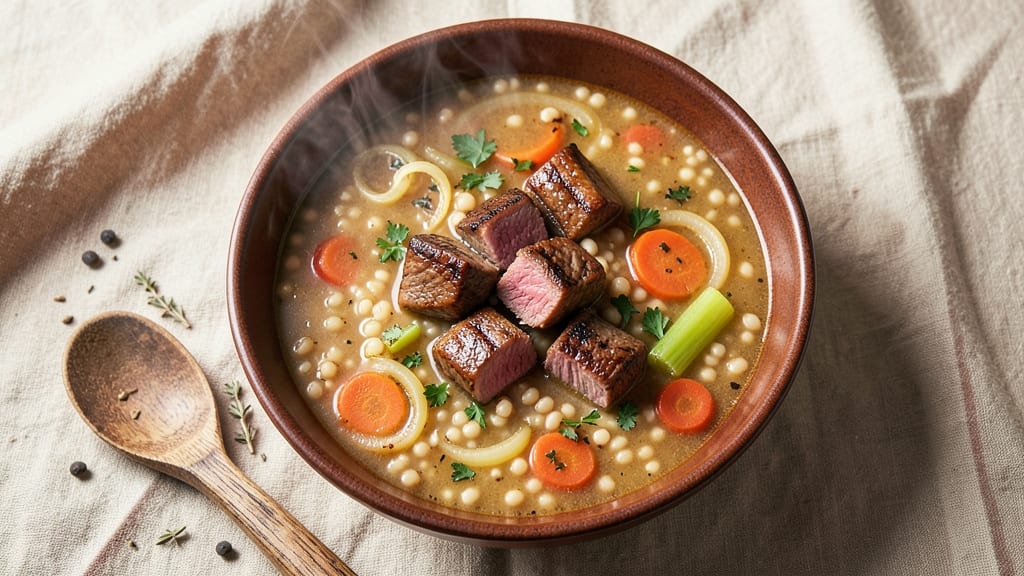
Martha Stewart’s beef barley soup delivers rich, slow-simmered flavor that transforms simple ingredients into a hearty, comforting classic. This recipe captures her signature technique of browning beef and vegetables to develop deep, caramelized notes before simmering with pearl barley until tender and fragrant.
The result? A soup so satisfying it feels like a hug in a bowl—perfect for chilly evenings or meal prep.
The secret lies in patience: browning the beef in batches creates a flavorful crust, while simmering for at least 2 hours allows the barley to soften and the broth to meld into a velvety, umami-packed base.
Fresh herbs like thyme and bay leaves add brightness, while a splash of red wine (optional) deepens the complexity. It’s the kind of soup that tastes even better the next day, making it ideal for leftovers.
What sets this apart is Martha’s attention to texture—chewy barley, tender beef, and crisp vegetables all work together in harmony. Serve it with crusty bread to soak up every last drop of that savory broth, or garnish with fresh parsley for a pop of color.
This isn’t just soup; it’s a restaurant-quality meal you can make at home with minimal effort.
Whether you’re feeding a crowd or prepping for the week, this recipe scales beautifully while keeping Martha’s hallmark elegance. The slow-cooked depth and earthy barley make it a standout—one that’ll have everyone asking for seconds. Let’s get started!
Ingredients for beef barley soup recipe martha stewart
Martha Stewart's signature ingredients create this restaurant-quality beef barley soup with deep umami and chewy barley.
| Ingredient | Amount | Notes |
|---|---|---|
| Chuck Roast 🥩 | 2 lb | Trimmed of excess fat, cut into 1-inch cubes |
| Pearl Barley 🌾 | 1 cup | Uncooked, rinsed before adding to broth |
| Yellow Onions 🧅 | 2 whole | Medium size, cut into 1/2-inch dice |
| Carrots 🥕 | 4 medium | Peeled, cut into 1/2-inch slices |
| Celery Stalks 🧄 | 4 whole | Trimmed, cut into 1/2-inch pieces |
| Garlic Cloves 🧄 | 6 cloves | Peeled, smashed with side of knife |
| Fresh Thyme Sprigs 🌿 | 4 whole | Or 1 tbsp dried thyme if fresh unavailable |
| Bay Leaves 🍃 | 2 whole | Dried, standard size |
| Beef Broth 💧 | 8 cups | Low-sodium preferred, homemade or quality store-bought |
| Dry Red Wine 🍷 | ½ cup | Cabernet Sauvignon or Merlot, optional |
| Tomato Paste 🍅 | 2 tbsp | High-quality, no sugar added |
| Olive Oil 🫒 | 2 tbsp | Extra-virgin for browning |
| Salt 🧂 | 1 ½ tsp | Diamond Crystal kosher salt, adjust to taste |
| Black Peppercorns 🌶️ | ½ tsp | Freshly cracked, coarse grind |
| Fresh Parsley 🌿 | ¼ cup | Chopped, for garnish only |
The chuck roast is non-negotiable—its marbling delivers unmatched richness. Look for well-marbled cuts at Whole Foods or your local butcher, and trim only the surface fat. Pearl barley should be rinsed thoroughly to remove excess starch, which can make the soup gummy. For the vegetables, organic carrots and celery from Trader Joe's stay crisp longer during storage. Fresh thyme sprigs infuse better than dried, but if you must use dried, toast the sprigs in a dry pan for 30 seconds first to deepen their flavor. Bay leaves add subtle earthiness—never remove them before serving as they release bitterness when cooked too long.
No red wine? Substitute with an extra 1/2 cup beef broth plus 1 tbsp balsamic vinegar for depth. The tomato paste can be skipped entirely if you prefer a more traditional broth, but it adds a slightly sweet contrast that balances the earthy barley. For a vegetarian version, replace the beef with mushrooms and lentils (1 lb cremini mushrooms + 1 cup brown lentils), though the texture will differ. If you're prepping ahead, brown the beef and sauté the vegetables first, then freeze them in a sealed container—just add broth and barley later. The parsley garnish is purely decorative but adds a bright pop of color that makes the dish feel restaurant-worthy.
This soup tastes even better the next day as flavors meld. Store in an airtight container in the fridge for up to 5 days, or freeze portions for 3 months. For reheating, simmer gently over low heat and add a splash of water or broth if it thickens too much. The barley will soften further upon reheating, so slightly undercook it initially if you prefer a firmer texture. To serve, ladle into bowls and garnish with fresh parsley—the aroma alone will have everyone anticipating the first spoonful. Leftovers make excellent lunches, especially when paired with crusty bread.
Why You'll Love This Recipe
- One-Pot Magic: The chuck roast and barley practically cook themselves—just brown the meat, toss in the veggies, and let it simmer. No fancy techniques, no last-minute stress.
- Rich, Deep Satisfaction: That slow-cooked beef falling apart in broth? The barley softening just enough to soak up every bite? It’s the kind of flavor that sticks with you long after the bowl’s empty.
- Meal Prep MVP: Make a double batch on Sunday, and you’ve got lunch for the week. The barley thickens beautifully when reheated, and the beef stays tender—no sad, dry leftovers here.
- Budget-Friendly Feast: Chuck roast and barley stretch into a hearty meal that feeds four for under $15. Honestly, it’s the kind of dish that makes grocery day feel like a win.
Step-by-step instructions for Martha Stewart's beef barley soup
This soup builds depth through slow simmering and layered flavors—here's how to achieve Martha's signature earthy richness.
Sear the Chuck Roast for Maximum Flavor
Heat a large Dutch oven over medium-high heat and add the 2 tablespoons olive oil. Working in batches if needed, add the 2 lb chuck roast cut into 1-inch cubes and sear until deeply browned on all sides—about 5-6 minutes per batch. This step develops the Maillard reaction, creating complex flavors that will infuse the broth.
Remove the seared beef and set aside. In the same pot, add the 2 whole yellow onions cut into ½-inch dice, 4 medium carrots sliced into ½-inch pieces, and 4 whole celery stalks cut into ½-inch pieces. Cook for 5-6 minutes until the vegetables soften slightly and begin to caramelize. This foundational step ensures your soup has depth and texture.
Build the Aromatic Base
Add the 6 cloves garlic smashed with the side of a knife, 4 whole fresh thyme sprigs, and 2 whole bay leaves to the pot. Stir for 30 seconds until fragrant—you should smell the garlic releasing its pungent aroma and the thyme releasing its earthy notes. This aromatic base forms the flavor foundation of the soup.
Pour in the ½ cup dry red wine and scrape up any browned bits from the bottom of the pot. Let it simmer for 2 minutes until the wine reduces by half and its alcohol burns off. This step deepens the flavor profile and removes any harsh alcohol notes. Stir in the 2 tablespoons tomato paste and cook for another 1 minute to meld the flavors.
Simmer the Soup for Deep Flavor Development
Return the seared beef to the pot and add the 8 cups beef broth. Bring to a gentle boil, then reduce heat to low and cover partially. Let the soup simmer for 1½ hours, stirring occasionally. The chuck roast should become fork-tender, and the broth should develop a rich, caramelized color. This slow cooking process is crucial—it allows the beef to break down and infuse the broth with maximum flavor.
After 1½ hours, check the barley. Add the 1 cup pearl barley (previously rinsed) and continue simmering for another 30-45 minutes until the barley is tender and the soup has thickened slightly. The barley should be al dente, with a slight bite remaining. If the soup seems too thick, add ½ cup water to adjust the consistency.
Season and Finish with Fresh Herbs
Remove the thyme sprigs and bay leaves from the soup. Taste and adjust the seasoning with the 1½ teaspoons salt and ½ teaspoon black peppercorns (freshly cracked). The soup should be well-seasoned but balanced—each component should be distinguishable yet harmonious. Let the soup rest off heat for 10 minutes to allow the flavors to meld fully.
Before serving, stir in the ¼ cup chopped fresh parsley. This final step brightens the soup with freshness and adds a pop of color. Ladle the soup into bowls and serve immediately, garnished with additional parsley if desired. The result is a deeply flavorful, comforting soup with tender beef and perfectly cooked barley.
Pro Tips For Making Beef Barley Soup Recipe Martha Stewart
- Sear the Chuck Roast: Don’t just toss that raw beef into the pot—get it screaming hot in a dry skillet first. A deep, caramelized crust locks in flavor and keeps the meat from turning into mushy shreds later. (Yes, even if you’re impatient like me, resist the urge to rush this.)
- Soak the Barley: Pearl barley swells up faster and cooks more evenly if you rinse it first, then let it sit in cold water for 30 minutes. Skipping this means gummy, undercooked grains—no one wants that sad, chalky texture. (Pro move: Use twice the water you’d normally cook with.)
- Don’t Crowd the Pot: If you dump all the veggies in at once, they’ll steam instead of brown, and the soup will taste bland. Sear onions, carrots, and celery in batches until they’re golden—this builds real depth. (Your future self will notice the difference.)
- Add the Barley Late: Barley needs just 20-25 minutes to cook, but if you add it with the beef, it’ll turn to mush. Wait until the meat is tender (about 2 hours in), then stir it in for the last 20 minutes. (This isn’t the prettiest method, but it’s the tastiest.)
Pro cooking tips for great beef barley soup recipe martha stewart
Sear Like Martha
Martha swears by the Maillard reaction—that's the fancy term for browning meat until it develops deep, caramelized flavors. For beef barley soup, this means searing the chuck roast in batches over medium-high heat until it's deeply browned on all sides.
I use a heavy Dutch oven (like Le Creuset) because it distributes heat evenly and prevents sticking. Don't rush this step—5-6 minutes per batch ensures maximum flavor development. 🔥
Vegetable Prep Matters
The vegetables aren't just filler—they're flavor anchors. Dice the yellow onions, slice the carrots, and chop the celery into ½-inch pieces for even cooking. I like to sauté them until they're just soft (about 5-6 minutes) before adding aromatics.
This creates a sweet, caramelized base that elevates the entire soup. Skip the overcooking—you want them to stay slightly crisp with a touch of bite.
Wine Reduction Technique
That ½ cup red wine isn't just for flavor—it's for deglazing. After searing the beef and vegetables, pour in the wine and let it simmer for 2 minutes until it reduces by half.
This step removes alcohol and concentrates the wine's rich, fruity notes. Martha often uses Cabernet Sauvignon for its boldness, but Merlot works too. Don't skip this—it's what makes the broth taste restaurant-quality.
Barley Timing Trick
The barley is the star of this soup, but it's easy to overcook. Add the rinsed pearl barley only after the beef has simmered for 1½ hours—this ensures it absorbs all the deep flavors. Cook it for 30-45 minutes until tender but still slightly chewy.
Pro tip: If your barley cooks too fast, add ½ cup water to slow the process. The goal is al dente texture, not mush. 🌾
Herb Infusion Secrets
Fresh herbs make all the difference. Add thyme sprigs and bay leaves early to infuse flavor, but remove them before serving. I like to toast the thyme sprigs in a dry pan for 30 seconds first to deepen their aroma.
For garnish, use fresh parsley—it brightens the dish and adds a pop of color. Martha often finishes with a sprinkle of black pepper right before serving for an extra kick.
Slow Simmering Rules
This isn't a quick soup. The 1½-hour simmer is non-negotiable—it's what breaks down the beef and melds all the flavors. Keep the heat low and stir occasionally to prevent sticking. I use a lid slightly ajar to let some steam escape, which helps thicken the broth naturally.
If you're short on time, you can pressure cook it for 45 minutes after adding the barley, but the flavor won't be as deep. Patience is key here. ⏰
Nutrition facts
Frequently asked questions
Can I substitute pearl barley for another grain in this recipe?
Yes, but the texture will change. For a quicker cook (15-20 minutes), use 1 cup quick-cooking barley. For a nuttier flavor, try wild rice or farro (use 1½ cups as it expands less). Just note that pearl barley's chewy texture is what makes this Martha Stewart classic so satisfying.
How can I make this soup more flavorful if I don't have red wine?
Skip the wine and use ½ cup beef broth + 1 tablespoon balsamic vinegar for depth. For extra richness, add 1 teaspoon Worcestershire sauce or ½ teaspoon smoked paprika when simmering. The key is building layers of flavor—don't skip the wine reduction step entirely, even if you substitute.
Why does Martha's recipe call for chuck roast instead of tender cuts?
Chuck roast is marbled with fat, which breaks down during slow cooking to create a rich, velvety broth. Tender cuts like sirloin won't give the same depth of flavor. If you must use a leaner cut, add 1 tablespoon beef gelatin to the broth for body. The 2-hour simmer is what transforms tough cuts into melt-in-your-mouth beef.
Can I make this soup in an Instant Pot or slow cooker?
Yes! For the Instant Pot: Sear the beef and sauté veggies as directed, then add broth, wine, and tomato paste. Cook on high pressure for 45 minutes, then add barley and cook 10 more minutes**. Slow cooker: Combine all ingredients (except herbs) and cook on low for 6-7 hours or high for 3-4 hours. The flavors will develop differently but still be delicious.
What's the best way to reheat leftovers without making the barley mushy?
Reheat gently on the stove over low heat with ½ cup water or broth added to prevent thickening. Never microwave directly—it creates a rubbery texture. For best results, reheat just until warm (2-3 minutes), then let sit covered for 5 minutes to redistribute heat. The barley will soften further, so slightly undercook it initially if you prefer a firmer bite.