
Soups & Stews
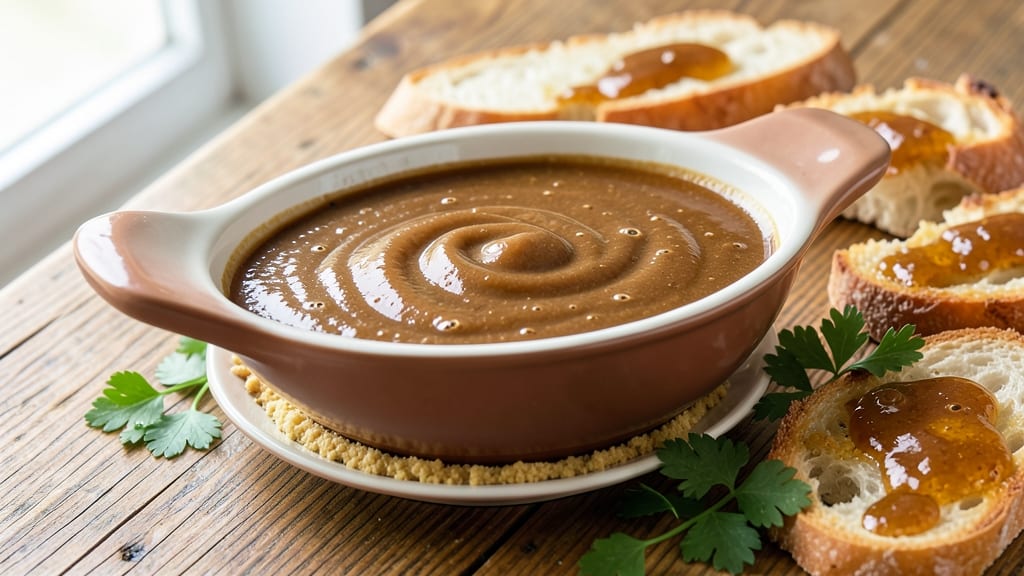
This beef base gravy recipe transforms simple pan drippings into a rich, velvety sauce that elevates any meal. The secret lies in a classic roux—equal parts butter and flour cooked to a golden hue—then deglazed with beef base and broth for deep umami richness.
Whether you're finishing roasted beef, smothering mashed potatoes, or drizzling over biscuits, this gravy delivers restaurant-quality depth with minimal effort.
A proper gravy starts with patience: whisking the roux until nutty (not brown) prevents bitterness, while slowly whisking in warm broth creates a silky texture.
Beef base—whether powdered or bouillon—provides that savory backbone, but the real magic happens when you reduce the sauce just until it coats the back of a spoon. For extra richness, stir in a splash of Worcestershire sauce or a pat of cold butter at the end.
The result is a glossy, flavorful gravy that clings to every bite, balancing meaty notes with a smooth, velvety mouthfeel. It’s the kind of sauce that turns ordinary weeknight dinners into comforting meals, perfect for soaking up with crusty bread or drizzling over holiday roasts.
Once mastered, you’ll never settle for store-bought again.
For variations, try adding sautéed mushrooms for earthiness, a splash of red wine for brightness, or fresh herbs like thyme for aroma. Store leftovers in the fridge for up to 5 days or freeze for longer—just reheat gently to restore that perfect consistency.
Here’s how to make it flawlessly every time.
Ingredients for beef base gravy
Nine ingredients, endless possibilities—this gravy turns simple drippings into restaurant-worthy richness.
| Ingredient | Amount | Notes |
|---|---|---|
| Unsalted Butter 🧈 | ½ cup | Cold cubes for roux control |
| All-Purpose Flour 🌾 | ½ cup | White or whole wheat |
| Beef Base Powder 🍲 | 2 tbsp | High-quality like Knorr or Maggi |
| Beef Broth 🥫 | 2 cups | Homemade or premium low-sodium |
| Worcestershire Sauce 🍶 | 1 tbsp | For umami depth |
| Red Wine Vinegar 🍷 | 1 tbsp | Optional for brightness |
| Fresh Thyme Leaves 🌿 | ¼ tsp | Or 1/4 tsp dried thyme |
| Black Peppercorns 🌶️ | ¼ tsp | Freshly cracked |
| Salt 🧂 | ½ tsp | Diamond Crystal preferred |
| Cold Butter Cubes 🧈 | 2 tbsp | For final richness |
The butter and flour form the foundation—use unsalted butter so you control the seasoning, and Diamond Crystal kosher salt for proper flavor balance. For the beef base, Knorr or Maggi are reliable, but homemade beef stock powder works too if you're feeling ambitious. The broth should be rich but not overly salty—homemade or premium low-sodium options like Pacific Foods or Swanson are ideal. Fresh thyme adds aroma, but dried works in a pinch at one-third the amount. Don't skip the Worcestershire—it's the umami secret weapon here.
No beef base? Substitute with 1 tbsp soy sauce plus 1 tsp beef stock powder for a similar depth. Running low on butter? Olive oil works in a bind, though it won't give the same richness. The red wine vinegar is optional but adds a lovely brightness—substitute with lemon juice if you're avoiding alcohol. For extra body, stir in 1 tbsp cornstarch mixed with cold water instead of the cold butter cubes. And if you're making this ahead, reduce the broth by half before adding the beef base to intensify the flavor.
This gravy thickens as it sits, so reheat with a splash of warm water or broth to restore silky texture. Keeps 5 days refrigerated or 3 months frozen in airtight containers. For best results, reheat gently on low heat—never boil, or it'll separate. I always make extra and freeze portions for quick weeknight dinners. The cold butter cubes at the end? Add them last—they melt instantly and create that luxurious, velvety finish.
Why You'll Love This Recipe
- Pantry Magic: I swear, this gravy comes together with stuff I already have. Butter, flour, beef base—boom, instant richness without hunting for fresh herbs or fancy spices. The Worcestershire sauce adds that little umph, but honestly? Even if you skip it, it’s still solid.
- Deep Umami Hit: That beef base powder isn’t just filler—it’s the secret weapon. One spoonful, and suddenly your pan sauce has that savory depth you’d pay extra for at a restaurant. The broth thickens just right, and the butter? It melts into pure, velvety comfort.
- Weeknight Superhero: Dinner guests? Last-minute potluck? This gravy saves me every time. Drizzle it over mashed potatoes, roasted veggies, or even steak leftovers—it turns ordinary meals into "I made this?" moments. No one will guess it took 15 minutes.
- Budget Stretch: I make a big batch and freeze it. A single jar of beef base stretches into enough gravy for three meals, and the butter-flour roux costs pennies. Worcestershire adds flavor without breaking the bank—this is the kind of recipe that makes grocery day less stressful.
Step-by-step instructions for beef base gravy
Here's how to build a velvety, umami-packed gravy that elevates any pan sauce.
Create a Smooth Roux with Cold Butter and Flour
Cut the 0.5 cup unsalted butter into 2 tbsp cold cubes and set aside. In a heavy-bottomed saucepan over medium-low heat, melt the remaining butter until it stops sizzling but doesn't brown. Immediately whisk in the 0.5 cup all-purpose flour and cook for 1-2 minutes until the mixture turns a pale golden color.
This is your roux foundation—don't rush it. The cold butter cubes prevent overheating, which keeps the roux from developing a bitter flavor. Stir constantly with a wooden spoon or whisk to prevent lumps. You're aiming for a smooth, paste-like consistency that will thicken your gravy beautifully.
Deglaze with Beef Broth and Base Powder
Gradually whisk in the 2 cups beef broth and 2 tbsp beef base powder while stirring vigorously to prevent clumping. Once fully incorporated, increase the heat to medium-high and bring the mixture to a gentle boil. Let it bubble for 3-4 minutes until it thickens noticeably and coats the back of a spoon.
Here's where the magic happens: the beef base powder intensifies the umami flavor while the broth creates a rich, velvety texture. Don't walk away—constant stirring prevents scorching at the bottom of the pan. If the gravy thickens too quickly, add 1-2 tablespoons of water to adjust the consistency.
Build Depth with Aromatics and Acid
Reduce the heat to medium-low and stir in the 1 tbsp Worcestershire sauce, 1 tbsp red wine vinegar, 0.25 tsp fresh thyme leaves, 0.25 tsp black peppercorns, and 0.5 tsp salt. Let the mixture simmer gently for 5-7 minutes until the flavors meld together and the gravy reaches your desired consistency.
The Worcestershire sauce adds that signature umami punch, while the vinegar brightens the depth of flavor. Fresh thyme and cracked peppercorns contribute aromatic complexity. Taste as you go—this is where you can adjust seasoning. If it needs more salt, add it gradually. For extra richness, you can even whisk in 1-2 tablespoons of heavy cream at this stage.
Finish with Cold Butter for Silky Texture
Remove the saucepan from heat and stir in the 2 tbsp cold butter cubes one at a time. Let the butter melt completely into the gravy, which will give it a luxurious, velvety finish. If you prefer a glossier texture, whisk in an additional 1-2 tablespoons of beef broth to loosen the gravy slightly.
This final step is crucial—it creates that restaurant-quality sheen and adds subtle richness without overpowering the other flavors. The cold butter also helps stabilize the gravy's texture, preventing it from becoming too thick as it cools. Taste one last time and adjust seasoning if needed before serving immediately over your favorite protein.
Pro Tips For Making Beef Base Gravy
- WHISK THE ROUX FAST: I used to let the butter and flour cook too slowly, and the gravy would taste flat. Crank the heat to medium-high and whisk like you’re trying to win a race—aim for a deep golden color (about 2-3 minutes). Stop it before it browns, or you’ll get that burnt-flour bitterness no one wants.
- MEASURE THE BROTH COLD: Pouring hot broth directly into your roux will shock it and create lumps. Instead, chill your beef broth in the fridge for 10 minutes first, then add it slowly while whisking. Your gravy will be silky, not gloppy.
- DON’T SKIP THE SIMMER: After adding the beef base powder and Worcestershire, resist the urge to rush. Let the whole thing simmer uncovered for 5-7 minutes—this lets the flavors meld and thickens it properly. Skipping this step means a watery, one-dimensional gravy.
- USE A SLOTTED SPOON: When straining your gravy, a slotted spoon is your best friend. It lets you skim off any foam or stray bits without losing precious liquid. (Yes, even if you’re impatient—trust me, it’s worth the extra 30 seconds.)
Essential equipment for beef base gravy
Heavy-Bottomed Saucepan
This is your workhorse for gravy-making. I swear by my 1.5-quart stainless steel saucepan from All-Clad—it distributes heat evenly and prevents scorching. If you're on a budget, Cuisinart's MultiClad is a great alternative.
The key is 1.5 to 2 quarts capacity—enough to handle the roux and broth without overflowing. Avoid nonstick pans for roux-based gravies; they can't handle the high heat needed for proper thickening. 🔥
Whisk with Fine Wires
A balloon whisk with fine wires is essential for creating a smooth roux and preventing lumps. I use my OXO Good Grips whisk—it's ergonomic and gets into tight corners. For extra control, try a French whisk with its dense, tightly packed wires.
Avoid plastic or cheap metal whisks; they bend easily and don't distribute heat properly. The whisk should be long enough to reach all corners of your saucepan.
Wooden Spoon for Stirring
A heatproof wooden spoon (like Lodge's cast iron spoon) is perfect for stirring the roux and monitoring its color. Wood won't conduct heat like metal, so it won't scorch your roux. I keep mine nearby for every gravy-making session.
If you don't have wood, a silicone spatula works in a pinch, but it won't give you the same level of control. The spoon should be at least 10 inches long to handle larger pans comfortably.
Fine-Mesh Strainer
For ultra-smooth gravy, strain out any lumps or herbs before serving. My OXO Good Grips fine-mesh strainer is a game-changer—it catches even the smallest particles while letting the liquid flow freely. If you're serving immediately, this step is optional, but it's a must for make-ahead gravies.
A cheesecloth-lined strainer works too, but it requires more effort. Strain directly into a pre-warmed gravy boat to keep it hot and ready to serve.
Gravy Boat or Ladle
Serve your gravy in style with a ceramic gravy boat or a stainless steel ladle. I love my Le Creuset gravy boat—it keeps the sauce warm and looks elegant on the table. For casual meals, a long-handled stainless steel ladle works perfectly.
Avoid aluminum ladles; they can react with acidic ingredients like red wine vinegar. If you're making gravy ahead, transfer it to a glass storage container with a lid to maintain its texture.
Nutrition facts
Frequently asked questions
Can I make this beef base gravy without a roux?
Yes! For a quick version, whisk 2 tablespoons cornstarch with 2 tablespoons cold water until smooth, then stir into simmering beef broth with beef base. Cook for 2-3 minutes until thickened. This method works in 5 minutes but lacks the deep flavor of a roux. For best results, use this as a backup when you're short on time.
How do I fix gravy that's too thick?
Thin it gradually with warm beef broth or water, 1 tablespoon at a time, whisking constantly. For a richer fix, stir in 1 tablespoon cold butter—it melts smoothly without thinning. Avoid adding too much liquid at once, or the texture will become watery. Always reheat gently after thinning to restore silkiness.
What's the best way to use leftover pan drippings?
Strain out solids, then use the drippings as your beef broth base—simmer them with 1 cup water and 1 beef base cube for 5 minutes to intensify flavor. For richer drippings, deglaze the pan with 2 tablespoons red wine before scraping. This creates a more concentrated flavor than plain water.
Can I make this gravy ahead of time?
Cool the gravy completely, then store it in an airtight container in the fridge for 5 days or freeze for 3 months. To reheat, warm it gently on low heat while stirring constantly. Add 1-2 tablespoons warm water or broth if it thickens too much. For best texture, reheat only until steaming, then let it sit for 2-3 minutes before serving.
What's the secret to making gravy glossy?
The gloss comes from stirring in cold butter cubes at the end—they melt into the hot gravy, creating a silky sheen. For extra shine, whisk in 1 teaspoon corn syrup or honey while warm. Avoid over-stirring, which can break the emulsion. Serve immediately after finishing to maintain that restaurant-quality appearance.