
Soups & Stews
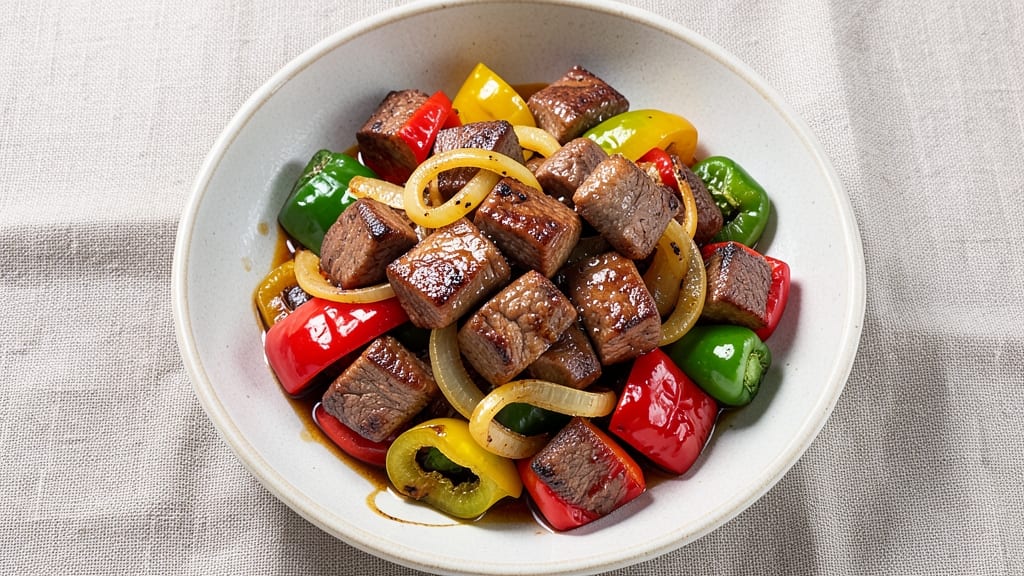
This beef bell pepper and onion recipe delivers restaurant-quality flavor with just one pan and 30 minutes of active time. The secret lies in caramelizing onions and peppers until sweet and tender, then finishing with perfectly seared beef that absorbs all those rich, savory juices.
I developed this technique after years of experimenting with stir-fry methods, and it never fails to impress—even with picky eaters.
The beauty of this dish is its simplicity: no fancy ingredients, no complicated techniques, just a balance of sweet, savory, and umami flavors that come together effortlessly.
You'll start by building layers of flavor in the pan—first the onions and peppers until they're deep golden and caramelized, then the beef that develops a beautiful crust while staying tender inside. The result is a dish that's hearty enough for a weeknight dinner but elegant enough for company.
What you'll end up with is a one-pan wonder that's packed with flavor in every bite—tender beef, sweet caramelized vegetables, and a sauce that's rich without being heavy. The aromas alone will have everyone gathering around the table, and the taste will keep them coming back for seconds.
This recipe proves that you don't need complicated methods to create something truly special.
Serve it over steamed rice for a complete meal, or with crusty bread to soak up every last bit of that delicious pan sauce. The best part? There's only one pan to clean when you're done. Let's get cooking!
Ingredients for beef bell pepper onion
These simple ingredients transform into a restaurant-worthy stir-fry with caramelized onions and peppers.
| Ingredient | Amount | Notes |
|---|---|---|
| Beef Chuck Roast 🥩 | 1 ½ lb | Cut into 1-inch cubes |
| Yellow Onions 🧅 | 3 whole | Thinly sliced, 1/4-inch thick |
| Bell Peppers 🌶️ | 3 whole | Assorted colors, sliced into strips |
| Olive Oil 🫒 | ½ cup | Extra-virgin for richness |
| Soy Sauce 🥢 | ⅓ cup | Low-sodium preferred |
| Garlic Cloves 🧄 | 6 cloves | Minced, for depth of flavor |
| Ginger Root 🌿 | 1 tbsp | Freshly grated, for zing |
| Brown Sugar 🍯 | 2 tbsp | For caramelized sweetness |
| Sesame Oil 🫒 | 1 tbsp | Toasted, for aroma |
| Cornstarch 🌾 | 1 tbsp | For thickening sauce |
| Salt 🧂 | 1 ½ tsp | Kosher or sea salt |
| Black Pepper 🌶️ | 1 tsp | Freshly ground for heat |
| Green Onions 🧅 | 4 whole | Sliced, for garnish |
| Sesame Seeds 🌾 | 1 tbsp | Toasted, for crunch |
The beef is where the magic happens. Chuck roast breaks apart beautifully, soaking up all those sweet, savory flavors. Grab it pre-cut from the meat counter—Costco or Walmart usually have it ready to go. If you're buying a whole roast, cube it yourself for even cooking. The bell peppers? Assorted colors add visual appeal, but any variety works. I always buy the big ones at Trader Joe's—they're cheaper per pound and keep longer. Yellow onions are the workhorses here, so don't skimp on freshness. Their sweetness develops as they caramelize, so avoid any with sprouting or soft spots.
No soy sauce? Coconut aminos work in a pinch, though the flavor will be subtly different. Fresh ginger is ideal, but powdered at half the amount gets you close. The sesame oil is non-negotiable for that authentic aroma—toast it in the pan first to release its nutty flavor without overpowering. Short on cornstarch? Arrowroot powder works too. For the peppers, remove seeds and membranes if you prefer less heat. The green onions can be subbed with regular onions, though they add a fresher finish. If you're watching sodium, use low-sodium soy sauce and skip adding extra salt.
This dish tastes even better the next day—make extra and freeze portions for up to 3 months. Store leftovers in an airtight container with a splash of soy sauce to keep everything moist. The caramelized veggies reheat beautifully, though the beef might get slightly dry. To revive, add a splash of water or broth and warm through gently. For meal prep, portion into containers with rice—microwave for 2 minutes and stir. The sesame seeds toast best fresh, but you can sprinkle them on just before serving if you're prepping ahead.
Why You'll Love This Recipe
- One-Pan Magic: I swear by this recipe when I’m too tired to wash a million dishes—just slice the onions, dice the peppers, toss everything in one pan, and let the soy sauce and olive oil work their magic. The beef practically cooks itself while you sip your coffee.
- Umami Bomb: That beef chuck roast turns so tender it melts, and the caramelized onions? Chef’s kiss. The soy sauce gives it this deep, savory punch that makes even my picky husband ask for seconds—no fancy marinades or secret spices needed.
- Lunchbox Hero: Between us, this is my go-to for meal prep. I make a big batch on Sunday, portion it into containers, and boom—crunchy, flavorful leftovers that taste just as good cold as they do hot. (Yes, even on a Tuesday night.)
- Budget Stretch: A single chuck roast feeds my family for days, and onions/peppers are about as cheap as produce gets. I’ll be real: this recipe saved me from takeout during my last paycheck crunch, and it didn’t skimp on taste.
Step-by-step instructions for beef bell pepper and onion stir-fry
This one-pan wonder delivers caramelized beef and colorful vegetables in under an hour.
Prep Ingredients for Perfect Texture
Start by cutting the 1.5 lb beef chuck roast into 1-inch cubes - this ensures even cooking and tender bites. Pat them dry with paper towels to remove excess moisture, which helps create a better sear later. In a medium bowl, combine the 3 whole yellow onions and 3 whole bell peppers, both sliced into uniform strips - about ¼-inch thick for onions and ½-inch wide strips for peppers. This consistent size guarantees everything cooks at the same rate.
While you work, mince the 6 cloves garlic and grate the 1 tbsp ginger root using a fine grater. The fresh ginger should have a bright, citrusy aroma - if it smells dull, it's past its prime. Slice the 4 whole green onions into ¼-inch pieces, reserving the tops for garnish later. This prep work might take 15 minutes, but it's worth it for that restaurant-quality texture.
Sear the Beef for Maximum Flavor
Heat a large, heavy skillet or wok over medium-high heat until it's smoking hot. Add the ½ cup olive oil and let it shimmer for 30 seconds - you'll see tiny bubbles forming. Working in batches if needed, add the beef cubes and let them sear undisturbed for 2-3 minutes until they develop a deep golden crust. This initial sear locks in juices and builds foundational flavor.
Don't overcrowd the pan or the temperature will drop. Once the first batch is browned, transfer it to a plate and repeat with the remaining beef. The cooked beef should release easily from the pan - if it sticks, your pan isn't hot enough. Keep the rendered beef fat in the pan; it's packed with flavor that will infuse your stir-fry.
Build the Stir-Fry Sauce
Reduce the heat to medium and add the sliced onions and bell peppers to the pan with the beef fat. Stir-fry for 4-5 minutes until they begin to soften slightly. Add the minced garlic and grated ginger, cooking for another 30 seconds until fragrant - you should smell that bright, zesty aroma wafting from the pan.
Pour in the ⅓ cup soy sauce, 2 tbsp brown sugar, and 1 tbsp sesame oil, stirring to combine. Let the mixture simmer for 2 minutes until slightly reduced. In a small bowl, whisk together 1 tbsp cornstarch with 2 tablespoons water to create a slurry. Slowly pour this into the pan while stirring constantly - the sauce will thicken immediately into a glossy, slightly sticky consistency.
Combine and Finish the Stir-Fry
Return all the seared beef to the pan and stir everything together. Add 1.5 tsp salt and 1 tsp black pepper, tossing well to coat. The beef should be surrounded by that glossy sauce, with colorful vegetables peeking through. Cover the pan and let it cook for 5-7 minutes on medium heat, stirring occasionally, until the beef is tender and the vegetables are just tender-crisp.
Taste the stir-fry and adjust seasoning if needed - you might want to add a splash more soy sauce for saltiness or a touch of brown sugar for sweetness. The perfect balance should have all flavors harmonizing: the umami from the beef, the sweetness from the caramelized onions and sugar, and the bright acidity from the soy sauce.
Garnish and Serve Immediately
Transfer the stir-fry to a serving platter and sprinkle with the sliced green onions and 1 tbsp toasted sesame seeds. The seeds should be golden and fragrant - if you haven't toasted them yet, heat them in a dry pan for 30 seconds until they smell nutty. Serve immediately over steamed rice or noodles while everything is hot and the flavors are at their peak.
This stir-fry tastes even better the next day, but the texture will be slightly softer. If making ahead, cool quickly and refrigerate in an airtight container. Reheat gently on the stove with a splash of water to restore moisture. The caramelized bits at the bottom of the pan are pure flavor - don't waste them! Use them as a quick sauce by whisking with a little water.
Pro Tips For Making Beef Bell Pepper Onion
- Sear the Chuck First: Skip the slow start—get that roast screaming hot in a dry skillet for 3-4 minutes per side before adding anything. I learned this the hard way: rushing to add peppers and onions too soon means you’re steaming instead of browning, and that’s when your dish loses depth. High heat. Seriously, crank it up.
- Cut Onions Thin: Slice those yellow onions paper-thin—about 1/8-inch or less—so they soften into the beef without turning to mush. I used to chop them roughly, and they’d just sit there like little rubber bands. Thin slices caramelize faster and blend right into the sauce.
- Add Soy Sauce Late: Stir in that soy sauce only in the last 5 minutes of cooking—any earlier and it’ll turn bitter. I was skeptical until I tried it: the umami hits at the right moment, and the beef absorbs it without overpowering the natural flavor. Trust the process.
- Deglaze Aggressively: After searing the beef, don’t just splash in water—scrape up every last bit of browned bits with a wooden spoon and let them sizzle for 30 seconds. That crust is flavor gold, and you’re wasting it if you don’t. (Yes, even if you’re impatient like me.)
Dietary considerations for this beef bell pepper onion
Gluten-Free Adaptation
This stir-fry is naturally gluten-free if you use a certified gluten-free soy sauce like Kikkoman Gluten-Free Tamari or San-J Tamari. Regular soy sauce contains wheat, so always check labels.
I've made this dish for friends with gluten sensitivities by swapping regular soy sauce for coconut aminos—it adds a slightly different umami profile but works beautifully. Just reduce the amount by 1 tablespoon since coconut aminos are more concentrated. 🌱
Low-Carb Options
For a lower-carb version, skip the rice and serve over cauliflower rice (about 2 cups per serving). The stir-fry's rich flavors shine without traditional rice. You can also reduce the brown sugar to 1 tablespoon and use erythritol or monk fruit sweetener instead.
The beef and veggies provide enough heartiness to satisfy without extra carbs. The dish remains packed with protein and fiber from the bell peppers and onions.
Dairy-Free & Vegan Substitutes
To make this dish vegan, swap the beef for extra-firm tofu or tempeh, both pressed and cubed. Marinate them in 3 tablespoons soy sauce, 1 tablespoon sesame oil, and 1 teaspoon maple syrup for 20 minutes before cooking.
For a meatier texture, use mushrooms like portobello or shiitake, sliced into thick strips. The caramelization process works just as well with these substitutes, creating a deeply flavorful dish. 🌱
Allergen-Friendly Adjustments
If sesame allergies are a concern, omit the sesame oil and seeds entirely. Replace the 1 tablespoon sesame oil with an extra ½ tablespoon olive oil and skip the garnish. For nut allergies, ensure all ingredients are certified nut-free, especially if using pre-made sauces.
Always double-check labels on soy sauce and spices, as cross-contamination can occur. The dish remains delicious and safe with these simple swaps.
Protein Swaps
For a lighter option, replace the beef with chicken thigh (cut into 1-inch cubes), which stays juicy and absorbs flavors well. If you prefer seafood, shrimp works beautifully—toss them in the sauce at the very end to avoid overcooking.
For a vegetarian version, use chickpeas or lentils (about 1.5 cups cooked), simmered in the sauce until tender. The caramelized onions and peppers still shine as the star ingredients. 💡
Nutrition facts
Frequently asked questions
Can I use ground beef instead of cubed beef chuck?
Yes, but the texture will be different. Ground beef works well if you want a more tender, meaty texture, but it won't have the same caramelized crust as cubed beef. For best results, use 80/20 ground chuck and cook it until it reaches 165°F internally. You may need to reduce the cooking time to 3-4 minutes after adding it to the pan to avoid overcooking.
How do I prevent the onions from burning while caramelizing?
Start with a clean, dry pan and use medium heat rather than high. Stir frequently and avoid overcrowding the pan. If the onions start to brown too quickly, reduce the heat slightly. Adding a splash of water or broth can help steam the onions gently while they caramelize. The key is patience - it should take about 10-12 minutes for deep caramelization.
What's the best way to store leftovers?
Let the stir-fry cool completely, then transfer to an airtight container. It keeps well in the fridge for 3-4 days or can be frozen for up to 3 months. When reheating, add a splash of water or soy sauce to restore moisture. For best texture, reheat gently on the stove over medium-low heat rather than microwaving.
Can I make this dish in a slow cooker?
Brown the beef first in a skillet, then transfer everything to your slow cooker. Cook on low for 4-5 hours or high for 2-3 hours. The slow cooking will make the beef even more tender. You may need to add 1-2 tablespoons water if the sauce becomes too thick. The flavors will meld beautifully, though the texture will be softer than the stovetop version.
Why did my beef turn out tough?
Overcooking is the most common cause. Beef should be removed from heat when it reaches 145°F internally (medium-rare) for the best texture. If using a thermometer, pull it out at 140°F and let it rest 5 minutes to reach the final temperature. Also ensure your beef was properly rested before slicing and avoid cutting into it immediately after cooking.