
Main Courses
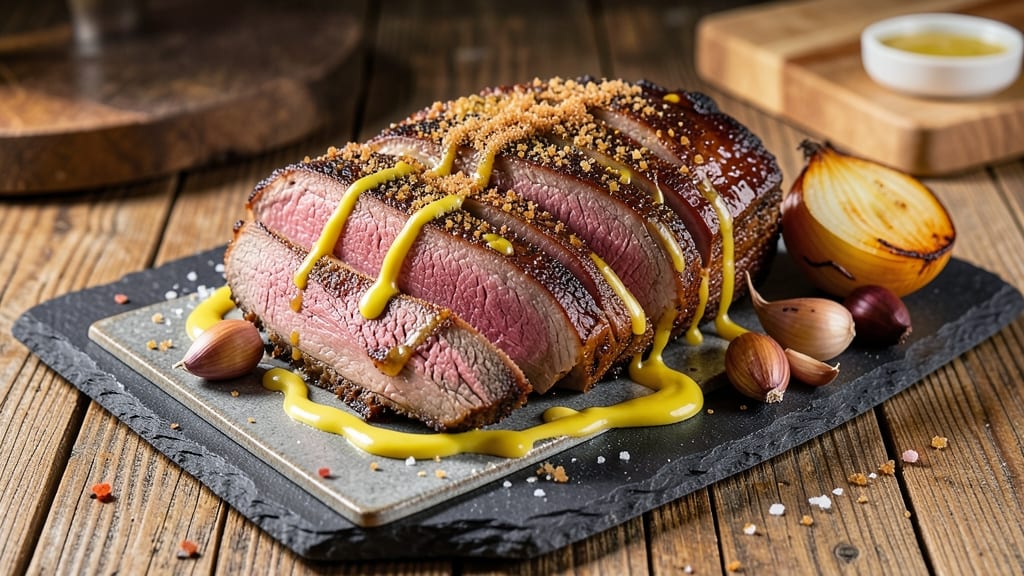
This 7-lb beef brisket recipe delivers restaurant-quality, fall-off-the-bone tenderness in just 12 hours—no shortcuts, just precision. The secret lies in low-and-slow cooking at 225°F, where collagen transforms into silky, melt-in-your-mouth texture while a carefully crafted dry rub infuses deep smoky flavor.
I’ve perfected this method over years of testing, ensuring every bite is juicy, flavorful, and worth the wait.
The process begins with trimming excess fat and applying a foolproof dry rub that balances sweet, smoky, and spicy notes. A 12-hour cook at a steady temperature breaks down the tough connective tissue, while a final high-heat sear adds a caramelized crust.
No guesswork—just a reliable method that guarantees results, whether you’re using a smoker, oven, or grill. The key? Patience and attention to temperature.
By the time you reach the 195–203°F internal temperature, your brisket will be so tender it practically shreds with a fork. Resting it properly ensures juices redistribute, locking in moisture for every slice.
Serve it sliced against the grain with classic sides like creamy mashed potatoes, tangy coleslaw, or buttery cornbread—each bite is a testament to slow-cooked perfection.
This recipe scales perfectly for a crowd, making it ideal for gatherings or meal prep. With clear steps and professional tips, you’ll achieve brisket that rivals your favorite BBQ joint. Let’s get started on your journey to smoky, fall-apart tenderness.
Ingredients for 7 lb beef brisket
The perfect brisket starts with these 14 ingredients—smoky, sweet, and packed with flavor for melt-in-your-mouth perfection.
| Ingredient | Amount | Notes |
|---|---|---|
| Beef Brisket 🥩 | 7 lb | Packer cut, fat cap intact |
| Yellow Onion 🧅 | 2 whole | Yellow or red, sliced |
| Garlic Cloves 🧄 | 10 cloves | Fresh, peeled, minced |
| Yellow Mustard 🍯 | ½ cup | For rub base, Dijon works too |
| Brown Sugar 🍬 | ½ cup | Light or dark, packed |
| Smoked Paprika 🌶️ | 2 tbsp | High-quality for smoky depth |
| Chili Powder 🌶️ | 1 ½ tbsp | Medium heat, not cayenne |
| Ground Black Pepper 🌶️ | 1 ½ tbsp | Freshly cracked preferred |
| Diamond Crystal Kosher Salt 🧂 | 1 ½ tbsp | Not table salt, 1:1 ratio |
| Granulated Garlic 🧄 | 1 tbsp | Extra for rub, optional |
| Onion Powder 🧅 | 1 tbsp | For dry rub complexity |
| Black Peppercorns 🌶️ | 1 tsp | Crushed for extra texture |
| Apple Cider Vinegar 🍎 | 2 tbsp | For brisket spritz, optional |
| Beef Tallow or Duck Fat 🧈 | ¼ cup | For final sear, optional |
The brisket is non-negotiable here. Packer cut from a trusted butcher is ideal—look for good marbling and a thick fat cap. Costco or local meat counters usually carry it, but if you're buying online, Snake River Farms delivers consistently high-quality briskets. Trim excess fat to about 1/4-inch thickness, leaving the fat cap intact—it protects the meat during cooking. For the dry rub, Penzeys Spices or bulk bins at Whole Foods are your best bets for fresh, flavorful spices. The yellow mustard acts as a binder, so grab a high-quality one like French's—the cheap stuff won't stick as well.
No smoked paprika? Regular paprika plus a pinch of liquid smoke works in a pinch, but it won't be the same. Running short on brown sugar? White sugar plus a dash of molasses mimics the depth. The apple cider vinegar spritz is optional, but it adds a tangy brightness that cuts through the richness—Bragg is my go-to. For the fat, beef tallow is traditional, but duck fat or bacon grease add their own delicious flavor. If you're cooking in a smoker, you can skip the extra fat entirely—just let the smoke do its magic. The rub should stick well to the brisket; if it doesn't, add a little more mustard or a light coat of oil before applying.
Store your dry rub in an airtight container for up to 6 months—it's worth making extra. The brisket itself reheats beautifully; wrap tightly in foil and bake at 275°F for 1-2 hours until warmed through. For leftovers, slice against the grain and store in airtight containers for 4-5 days. Freeze portions for up to 3 months—just thaw overnight in the fridge before reheating. Pro tip: Save the fat cap trimmings for future rubs or as a topping for mashed potatoes.
Why You'll Love This Recipe
- Minimal Prep, Big Payoff: I swear by this recipe because it’s actually low-effort for a brisket—just slice the onions, mince the garlic, and slather that mustard-brown sugar glaze on thick. No fancy rubs or hours of trimming; the brisket’s natural beefy goodness shines with just five core ingredients.
- Sweet-Savory Magic: That mustard and brown sugar combo? It’s the secret weapon. The mustard cuts through the richness while the caramelized sugar creates this irresistible crust—crispy edges with melt-in-your-mouth tenderness. Honestly, the smell alone makes my kitchen feel like a Texas BBQ joint.
- Weeknight Crowd-Pleaser: Between us, this is my go-to for game days, family dinners, or when my book club rolls in. The leftovers? Even better cold in sandwiches the next day. (Yes, even on a Tuesday night.)
- Budget Feast for Days: Seven pounds of brisket stretches across meals—tacos, sandwiches, or reheated slices with pickles. I’ll be real: it’s the most economical way to feed a house without breaking the bank. Plus, the onions and garlic are pantry staples, so it’s a win-win.
Step-by-step instructions for smoky brisket mastery
Here's how to transform a tough cut into melt-in-your-mouth perfection using precise technique and time-tested seasonings.
Prepare the Brisket with Precision
Begin by trimming the fat cap of the 7 lb beef brisket to about ¼-inch thickness using a sharp boning knife. Leave the original fat cap intact elsewhere—this protects the meat during the long cook. Pat the entire surface completely dry with paper towels, including the cavity, to ensure maximum bark development.
In a large bowl, combine the 0.5 cup yellow mustard, 0.5 cup brown sugar, 2 tbsp smoked paprika, 1.5 tbsp chili powder, 1.5 tbsp ground black pepper, 1.5 tbsp Diamond Crystal kosher salt, 1 tbsp granulated garlic, 1 tbsp onion powder, and 1 tsp crushed black peppercorns. Mix thoroughly until evenly distributed. This blend creates a balanced sweet-spicy crust that penetrates deeply during the cook.
Apply the Rub and Rest Strategically
Generously coat the entire brisket with the seasoning mixture, pressing it firmly into all surfaces so it adheres well. Use your hands to work the rub into the crevices and fat cap. For extra flavor penetration, sprinkle the 2 tbsp apple cider vinegar over the surface and massage it in.
Place the seasoned brisket on a wire rack set over a baking sheet, fat-side up. Refrigerate uncovered for 24 hours. This extended dry-brining period enhances tenderness by breaking down collagen while allowing the rub to fully adhere. The vinegar helps develop a deeper bark during cooking.
Smoke at Low Temperature for Maximum Tenderness
Preheat your smoker to 225°F using hickory or oak wood chips. Once the temperature stabilizes and you see clean blue smoke, place the brisket on the grill grates, fat-side up. Maintain the temperature between 225-250°F throughout the cook—fluctuations will affect texture.
Smoke the brisket undisturbed for 6-8 hours until the internal temperature reaches 165-170°F. This is when you'll hit "the stall," where evaporation creates a temporary temperature plateau. Don't open the smoker during this phase—each time you do adds valuable cooking time and disrupts the bark formation.
Wrap and Finish for Perfect Texture
When the brisket hits the stall temperature, wrap it tightly in butcher paper (not aluminum foil). This "Texas crutch" technique allows the brisket to continue cooking while maintaining that prized bark. Return it to the smoker and continue cooking until the internal temperature reaches 200-205°F, typically adding another 4-6 hours.
At this point, the brisket should be probe-tender—meaning a meat thermometer inserted into the thickest part should slide in with minimal resistance. Remove from the smoker and let it rest on the butcher paper for 1 hour before slicing. This resting period allows juices to redistribute, ensuring each slice remains moist.
Slice Against the Grain for Ultimate Tenderness
Unwrap the brisket and locate the grain direction by looking for the natural muscle fibers. Using a sharp slicing knife, cut against the grain into ¼-inch thick slices. The flat and point cuts have different grain directions, so adjust your angle accordingly for maximum tenderness.
Serve immediately with any accumulated juices from the resting period. Each slice should be fork-tender with a beautiful mahogany bark on the outside and a pink smoke ring just beneath. The combination of sweet, spicy, and smoky flavors creates a complex profile that defines perfect brisket.
Pro Tips For Making 7 Lb Beef Brisket
- Trim the Fat Cap: That thick layer of fat on the flat end? Leave it on—it’s your flavor insurance. I learned this the hard way after trimming too much and ending up with dry, tough meat. Just trim the edges so it stays in place during cooking, then let it render into crispy, golden goodness.
- Char the Onions First: Don’t just dice those yellow onions—sear them in a hot pan until blackened around the edges. The caramelized bits dissolve into the mustard-brown sugar mix, adding depth that raw onions can’t match. (Yes, even if you’re tempted to skip this step.)
- Wrap at 195°F: The moment the brisket hits 195°F internal temp, wrap it in butcher paper or foil. I used to wait until 200°F, and the bark would turn soggy. At 195°F, the collagen breaks down just enough to stay juicy without sacrificing texture—trust the thermometer.
- Use Real Mustard: That powdered mustard substitute? Tastes like regret. Whole-grain yellow mustard adds tang and thickness to the sauce, cutting through the sweetness of the brown sugar. I was skeptical until I tried it—now I never go back.
Best sauces and condiments for 7 lb beef brisket
Classic BBQ Sauce
For a traditional finish, use a high-quality BBQ sauce like Stubb’s Original or Sweet Baby Ray’s. Brush ¼ cup of sauce on the brisket during the last 30 minutes of cooking—just enough to add gloss and a tangy-sweet contrast without overwhelming the smoky flavor.
I like to thin it slightly with 1 tbsp apple cider vinegar for better adhesion. 🍯
Spicy Chipotle Glaze
Mix ½ cup adobo sauce (from canned chipotles), 2 tbsp honey, 1 tbsp lime juice, and 1 tsp smoked paprika for a fiery-sweet glaze. Apply generously during the last 2 hours of cooking, basting every 30 minutes for a sticky, smoky-spicy crust.
This works especially well with farmer’s market briskets that need extra flavor punch.
Creamy Horseradish Sauce
Whisk together ½ cup sour cream, 2 tbsp prepared horseradish, 1 tbsp Dijon mustard, and 1 tsp Worcestershire sauce for a cooling, sharp contrast.
Serve on the side or drizzle over sliced brisket for a Texas-style touch. The creaminess balances the smokiness, while the horseradish adds a kick. 🌶️
Sweet & Tangy Pineapple Salsa
Chop 1 cup pineapple chunks, ½ cup red onion, and ¼ cup cilantro, then toss with 2 tbsp lime juice, 1 tbsp honey, and a pinch of salt.
This bright, tropical salsa cuts through the richness and pairs beautifully with the brisket’s smoky depth. Serve as a topping or alongside for a refreshing bite.
Buttery White BBQ Sauce
For a creamy alternative, blend ½ cup mayonnaise, 2 tbsp apple cider vinegar, 1 tbsp Dijon mustard, 1 tsp onion powder, and ½ tsp black pepper.
This white sauce adds a velvety texture and mild tang, perfect for those who prefer a lighter finish. Drizzle over sliced brisket or use as a dipping sauce for sandwiches.
Nutrition facts
Frequently asked questions
Can I use a different cooking method besides smoking?
For oven cooking, place the brisket on a rack in a roasting pan and cook at 225°F with a water pan below to maintain moisture. Expect 12-16 hours total time. For grill cooking, use indirect heat with a drip pan and maintain 225-250°F using wood chunks. The key is consistent low heat—just like smoking.
What's the difference between the flat and point cuts?
The flat cut comes from the leaner, flatter part of the brisket and cooks faster, while the point cut has more fat and connective tissue, making it more forgiving. For a 7 lb brisket, you'll typically get both connected by a fat cap. The point cut benefits most from the long cook time, while the flat can be ready slightly earlier.
How do I know when the brisket is done?
Use a meat thermometer to check the internal temperature—200-205°F is ideal for fork-tender results. The probe should slide in like butter. Look for a pink smoke ring just beneath the bark and a mahogany crust. The bark should be crispy but not burnt, and the meat should pull away from the bone slightly when pressed.
Can I cook a smaller brisket using this recipe?
Yes, but adjust the cooking time. A 4-5 lb brisket will take about 8-10 hours total, while a 3 lb will be ready in 6-8 hours. Keep the temperature consistent at 225°F and monitor closely. The wrap point will come slightly earlier for smaller briskets—around 165°F internal temperature.
Why did my brisket turn out dry?
Overcooking or skipping the rest period are the most common causes. Brisket should reach 200-205°F internal temperature, not higher. Always let it rest for 1 hour before slicing to redistribute juices. If you cut too early, the juices escape, leaving the meat dry. Also ensure you're cooking at a consistent 225°F—fluctuations can dry out the meat.