
Main Courses
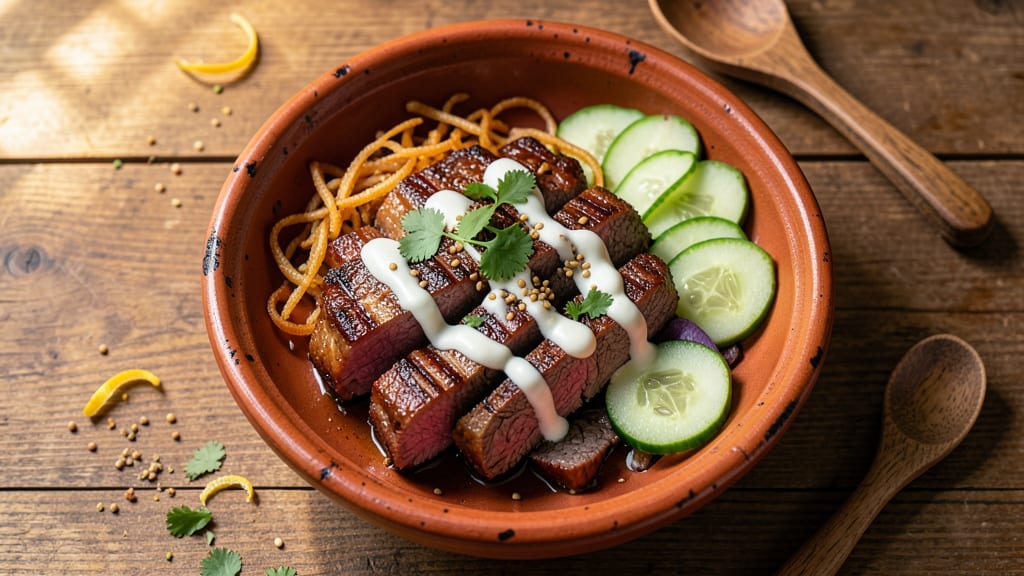
This Afghani beef kebab recipe delivers restaurant-quality tenderness with charred edges and aromatic spices that transport you to Kabul’s bustling street markets. The secret lies in a yogurt marinade infused with cumin, coriander, and cardamom—ingredients that transform tough beef into melt-in-your-mouth bites.
I’ve perfected this method over years of testing, ensuring the skewers stay juicy even after high-heat grilling, a technique central to Afghan cuisine where slow-cooked meats meet bold flavors.
The process begins with a 3-hour marinade that tenderizes the beef while allowing spices to penetrate deeply, followed by careful skewering to prevent burning. Traditional Afghan kebabs are often cooked in a tandoor oven, but this recipe adapts beautifully to home grills or broilers, maintaining that signature smoky char.
The result? Skewers with crispy, caramelized edges and succulent centers, served alongside warm flatbread or fluffy basmati rice to soak up every drop of the spiced yogurt sauce.
What sets these kebabs apart is their balance of heat and richness—the yogurt marinade cools the palate while spices like fenugreek and turmeric add depth. Pair with a side of garlic sauce or fresh cucumber salad to complement the bold flavors.
The aroma alone will draw everyone to the table, making this dish perfect for gatherings or a special weeknight dinner that feels like a celebration.
For authenticity, serve with Afghan chai or mint lemonade to round out the meal. The combination of smoky meat, warm bread, and fragrant beverages creates an experience that’s both comforting and vibrant.
This recipe isn’t just about cooking—it’s about bringing a taste of Afghanistan’s culinary traditions into your kitchen with professional results.
Ingredients for afghani beef kebab
Fourteen ingredients, three hours of marinating—transforming tough beef into restaurant-quality kebabs with charred edges and aromatic depth.
| Ingredient | Amount | Notes |
|---|---|---|
| Chuck Roast Beef 🥩 | 1 ½ lb | Cut into 1.5-inch cubes, boneless |
| Plain Greek Yogurt 🥛 | 1 cup | Full-fat for best marinade |
| Ground Cumin 🌿 | 1 tbsp | Toasted for deeper aroma |
| Ground Coriander 🌿 | 1 tbsp | Freshly ground preferred |
| Cardamom Pods 🌿 | 6 whole | Lightly crushed for release |
| Fenugreek Seeds 🌿 | ½ tbsp | Toasted for nutty depth |
| Ground Turmeric 🌶️ | ½ tsp | Bright yellow color indicator |
| Garlic Cloves 🧄 | 6 cloves | Minced for intense flavor |
| Lemon Juice 🍋 | ¼ cup | Freshly squeezed, no pulp |
| Extra-Virgin Olive Oil 🫒 | ¼ cup | High-quality for richness |
| Wooden Skewers 🪵 | 8 whole | Soaked in water 30 minutes |
| Salt 🧂 | 1 ½ tsp | Diamond Crystal preferred |
| Black Pepper 🌶️ | 1 tsp | Freshly cracked preferred |
| Fresh Cilantro 🌿 | ¼ cup | Chopped for garnish |
The beef selection is critical—chuck roast delivers that melt-in-your-mouth texture when cubed properly. Most butchers will trim and cube it for you, but if you're doing it yourself, aim for 1.5-inch cubes to ensure even cooking. For spices, Penzeys Spices or the bulk bins at Whole Foods offer the freshest ground spices. Cardamom and fenugreek can be found in the international aisle at most grocery stores, though Middle Eastern markets carry a wider variety. The Greek yogurt should be full-fat—non-fat won't provide the same tenderizing effect or rich flavor. If you can't find plain Greek yogurt, Fage 5% or Chobani are reliable brands that work well.
No cardamom pods? Substitute 1/2 teaspoon ground cardamom, though the flavor will be less complex. Fenugreek seeds unavailable? Swap for 1/4 teaspoon maple syrup to add a subtle sweetness that mimics its earthy notes. The yogurt marinade can be made a day ahead, which actually enhances the flavor—just store it in an airtight container in the fridge. For the skewers, if wooden ones aren't available, metal or soaked bamboo skewers work just as well. The lemon juice can be substituted with lime juice for a slightly tangier profile, though lemon maintains that bright acidity crucial for balancing the richness. And if you're short on time, pre-minced garlic from a jar works in a pinch, though fresh is always preferred.
Marinated beef keeps in the fridge for up to 24 hours, though it's best used within 12 hours for optimal tenderness. The prepared skewers can be refrigerated for 4 hours maximum before cooking to prevent over-marinating, which can make the meat mushy. For longer storage, freeze the marinated beef (un-skewered) for up to 3 months5 days in the fridge, making it easy to prep ahead. Once cooked, kebabs reheat beautifully in a 400°F oven for 10 minutes, though they're best served immediately for that smoky char and juicy center.
Why You'll Love This Recipe
- No Marinate Stress: The yogurt-cumin mix does all the work while you sip tea. Just cube the beef, toss it in, and let it sit—no stirring, no fuss. Honestly, I’ve left it overnight and it’s still perfect.
- Earthy Depth Magic: That cardamom and coriander? They turn simple chuck roast into something rich and layered. The yogurt keeps it tender, while the spices give it a warm, almost smoky kick—like a hug in every bite.
- Weeknight to Party: Same recipe, different vibes. Grill it for a backyard BBQ or bake it for a lazy Tuesday. My roommates swear it’s “fancy enough” for dinner guests, but it’s really just my easy answer to “what’s for dinner?”
- Budget Stretch: Chuck roast is cheap, and this recipe feeds four for under $15. The leftovers? Even better cold in wraps the next day. Between us, I’ve made this three times in a row and never regretted it.
Step-by-step instructions for Afghani beef kebabs
Master this traditional technique for kebabs with deep flavor and melt-in-your-mouth tenderness.
Prepare the Spice Blend and Marinate the Beef
In a small bowl, combine the 1 tablespoon ground cumin, 1 tablespoon ground coriander, 0.5 tablespoon fenugreek seeds, 0.5 teaspoon ground turmeric, 1.5 teaspoons salt, and 1 teaspoon black pepper. Lightly crush the 6 whole cardamom pods between your palms to release their aroma, then add them to the dry spices. This aromatic blend forms the foundation of the marinade's complexity.
In a separate large bowl, whisk together the 1 cup plain Greek yogurt, 0.25 cup lemon juice, 0.25 cup extra-virgin olive oil, and the spice mixture until fully combined. The yogurt should be thick enough to coat the beef evenly. Cut the 1.5 pound chuck roast beef into 1.5-inch cubes, removing any large fat deposits. Add the beef cubes to the marinade, ensuring each piece is thoroughly coated. Cover and refrigerate for at least 4 hours, preferably overnight, to allow the flavors to penetrate deeply.
Skewer the Beef and Prepare for Grilling
Soak the 8 wooden skewers in water for at least 30 minutes to prevent burning during grilling. Drain and discard the excess water. Thread the marinated beef onto the skewers, alternating between pieces to ensure even cooking. Leave a small gap between each piece to allow the flames to char the meat properly. This step is crucial for achieving that signature Afghani grill mark and preventing the skewers from falling apart.
Let the skewered beef sit at room temperature for 15-20 minutes before grilling. This brief resting period ensures even cooking and prevents the meat from releasing too much moisture onto the grill, which can lead to steaming instead of searing. Preheat your grill to medium-high heat, around 375-400°F, and clean the grates with a brush to prevent sticking.
Grill to Perfect Doneness
Place the skewered beef on the preheated grill and cook for 8-10 minutes, turning occasionally, until the beef is deeply browned and slightly charred on all sides. The yogurt marinade will create a protective barrier, helping the meat retain its juices while developing a beautiful crust. You'll know the beef is ready when it reaches an internal temperature of 145°F for medium-rare, or 160°F for medium doneness. Use a meat thermometer to check the temperature in the thickest part of the meat.
For an extra layer of flavor, baste the kebabs with any remaining marinade from the bowl during the last 2 minutes of grilling. This step ensures the skewers are infused with maximum flavor and have a glossy finish. Remove the kebabs from the grill and let them rest on a wire rack for 5-10 minutes before serving. Resting allows the juices to redistribute, ensuring each bite is tender and flavorful.
Garnish and Serve
While the kebabs rest, finely chop the 0.25 cup fresh cilantro for garnish. The bright, citrusy notes of the cilantro will cut through the richness of the yogurt and spices, adding a fresh finish to each bite. Arrange the skewered beef on a platter and sprinkle the chopped cilantro evenly over the top. Serve immediately with traditional sides like flatbread, saffron rice, or a simple cucumber salad to complement the robust flavors of the kebabs.
Each skewer should offer a balance of tender, juicy beef with a smoky char and a tangy yogurt finish. The spices should be aromatic but not overpowering, allowing the natural beef flavor to shine through. This method delivers the authentic Afghani experience of perfectly tender, flavorful kebabs that are sure to impress.
Pro Tips For Making Afghani Beef Kebab
- Slice Against the Grain: Chuck roast is tough if you cut with the muscle fibers—trim the fat first, then slice perpendicular to the grain. I used to waste 10 minutes sawing through it; now I just angle the knife like I’m cutting a loaf of bread. The difference in tenderness is night and day.
- Toast Your Cardamom: Whole cardamom pods need a quick dry toast in a skillet (30 seconds max) before crushing—this unlocks their aroma. I skipped this once and just ground raw pods; the dish tasted flat. Smells like a spice shop, tastes like home.
- Marinate Overnight, Not 30 Minutes: Chuck roast needs 12+ hours in the yogurt-cumin mix to break down properly. I rushed it once and ended up with chewy kebabs. Use a sealed container in the fridge, and let the yogurt’s acid work its magic—no peeking halfway.
- Skewer in One Motion: Thread the beef onto skewers while they’re still on the cutting board—no flipping or wrestling. I learned this after watching my first batch of cubes slide off mid-skewer. Keep the board stable, and push through in one smooth motion. No one likes kebabs that unravel on the grill.
Dietary considerations for this dish
Gluten-Free Adaptations
Afghani beef kebabs are naturally gluten-free, but the traditional serving sides like flatbread or garlic sauce often contain wheat. Opt for gluten-free flatbread made with almond flour or a mix of corn tortillas as a substitute.
For the garlic sauce, use a base of gluten-free soy sauce or tamari instead of regular soy sauce, and ensure all spices and ingredients are certified gluten-free. I’ve tested a gluten-free version using King Arthur gluten-free flour for flatbread, which holds up beautifully on the grill. 🌾
Dairy-Free Options
The yogurt marinade is the heart of these kebabs, but you can easily adapt it for dairy-free diets. Replace the Greek yogurt with unsweetened coconut yogurt or a dairy-free alternative like Silk Almond Yogurt.
These substitutes work surprisingly well—they still provide the tangy, creamy base while keeping the meat tender. For extra richness, add an extra 1 tablespoon of olive oil to compensate for the lower fat content in dairy-free yogurts. The flavor remains vibrant and authentic. 🥥
Low-Carb Considerations
To make this recipe lower in carbs, skip the traditional flatbread and rice sides. Instead, serve the kebabs with a fresh cucumber-tomato salad or a simple zucchini noodle dish tossed in lemon and olive oil. The natural flavors of the kebabs shine without the need for heavy sides.
For a heartier option, pair with cauliflower rice—it absorbs the kebab juices beautifully while keeping the meal low-carb. This approach keeps the dish satisfying and true to Afghan flavors. 🥒
Allergen-Friendly Swaps
For nut allergies, avoid almond-flour flatbread and instead use a mix of gluten-free oat flour and tapioca starch to bind the dough. If fenugreek is a concern, substitute it with 1/4 teaspoon ground cinnamon for warmth without the same earthy depth.
Always double-check spice blends for hidden allergens—brands like Badia Spices offer allergen-free options. For a safe bet, buy individual spices in small quantities to control ingredients. 🚫🥜
Protein Alternatives
While beef is traditional, you can easily swap it for other proteins. For a poultry option, use chicken thighs (boneless, skinless) and marinate for 2 hours instead of 3—they cook faster but benefit from the same yogurt treatment.
For a vegetarian version, try extra-firm tofu or portobello mushrooms, both of which absorb the marinade well. The key is to press excess moisture from tofu before skewering to prevent burning. 🍄
Nutrition facts
Frequently asked questions
Can I use ground beef instead of chuck roast for these kebabs?
While ground beef works in a pinch, chuck roast is ideal because its natural fat content keeps the meat juicy during grilling. If you must use ground beef, opt for 80/20 lean-to-fat ratio and form into small patties before skewering. The texture will be slightly different but still flavorful. For best results, marinate for at least 2 hours instead of 3 to prevent dryness.
What's the best way to cook these kebabs if I don't have a grill?
Use a broiler for excellent results! Preheat to high heat (about 500°F) and place the skewers on a broiler pan 3-4 inches from the heat source. Broil for 6-8 minutes, turning occasionally, until charred and cooked to 145°F internal temperature. For even cooking, work in batches to avoid overcrowding. A cast-iron skillet on the stovetop also works well for medium-high heat cooking.
How do I prevent the skewers from falling apart?
Soak wooden skewers in water for at least 30 minutes before using to prevent burning. For extra security, thread beef cubes onto two skewers at once (crossing them in an X shape) or use metal skewers instead. Avoid overloading each skewer—3-4 pieces per skewer is ideal. Let the skewered meat rest for 10 minutes after marinating to help the proteins firm up slightly before cooking.
What's the secret to getting that authentic Afghani char?
The char comes from high, direct heat and proper timing. Use hardwood charcoal or propane grill set to medium-high heat (about 400°F). Cook the kebabs 2-3 minutes per side for that signature blackened crust, then move to indirect heat to finish cooking. For broiling, position the skewers 3 inches from the heat source and watch closely—they'll char quickly. The yogurt marinade helps create a protective crust that prevents burning while developing flavor.
Can I make the marinade ahead of time?
The marinade keeps well in an airtight container in the fridge for up to 5 days. For best flavor, marinate the beef for at least 4 hours (overnight is ideal). If storing longer than 24 hours, add 1 extra tablespoon of lemon juice to prevent spoilage. The yogurt will separate slightly when refrigerated—just stir before using. For frozen storage, divide marinade into ice cube trays and freeze for up to 3 months—thaw overnight before using.