
Main Courses
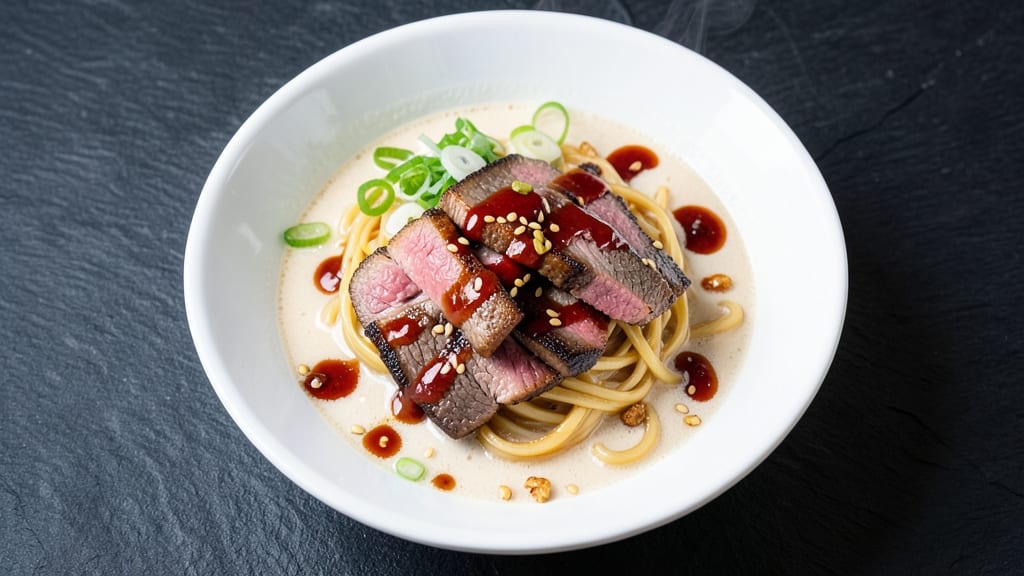
Ajisen Spicy Beef Ramen Recipe delivers that perfect marriage of bold, fiery heat and silky, comforting noodles—just like your favorite ramen shop. The secret lies in balancing Ajisen's signature spicy broth with tender beef and chewy noodles, creating a dish that's both restaurant-worthy and deeply satisfying. This recipe transforms a weeknight dinner into a flavor-packed experience without requiring any shortcuts.
The foundation starts with a rich, spicy broth that simmers for hours, building layers of umami and heat. Thinly sliced beef cooks until fork-tender, absorbing the aromatic flavors, while the noodles soak up every drop of that savory-spicy goodness.
Garnishes like soft-boiled eggs, green onions, and sesame seeds add freshness and texture, completing the dish with a perfect balance.
What makes this recipe special is how the flavors come together—spicy yet comforting, rich yet light. The Ajisen-inspired chili oil adds a deep, lingering heat that pairs beautifully with the tender beef and chewy noodles. Each bite delivers a harmony of textures and tastes that keeps you reaching for more.
Whether you're craving a quick weeknight meal or hosting a dinner party, this ramen recipe delivers bold, restaurant-quality results. The best part? You can adjust the spice level to suit your preference, making it perfect for any palate. Let's get cooking!
Ingredients for ajisen spicy beef ramen
Four servings of bold Ajisen heat and silky noodles, packed with restaurant-quality flavor.
| Ingredient | Amount | Notes |
|---|---|---|
| Ramen Noodles 🍜 | 8 oz | Fresh or dried, chewy variety preferred |
| Thinly Sliced Beef Top Round 🥩 | 1 lb | Marinated for tenderness, sliced paper-thin |
| Ajisen Chili Oil 🌶️ | ¼ cup | The spicy soul of this dish—don't skip |
| Dashi Broth 🍲 | 4 cups | Homemade or quality instant preferred |
| Soy Sauce 🍶 | ¼ cup | Japanese or tamari for authentic flavor |
| Mirin 🍶 | ⅛ cup | Sweet rice wine for balance |
| Sesame Oil 🫒 | 1 tbsp | Toasted for nutty aroma |
| Garlic Cloves 🧄 | 5 cloves | Minced for aromatic base |
| Ginger 🌿 | 1 tbsp | Freshly grated for zesty kick |
| Green Onions 🧅 | ¼ cup | Thinly sliced, for garnish |
| Soft-Boiled Eggs 🥚 | 2 whole | 6-minute cook for runny yolks |
| Sesame Seeds 🥜 | 1 tbsp | Toasted for crunchy finish |
| Vegetable Oil 🫒 | 1 tbsp | For searing beef |
| White Pepper 🌶️ | ½ tsp | Freshly cracked for subtle heat |
| Salt 🧂 | 1 tsp | Kosher preferred for seasoning |
The beef is non-negotiable here—top round slices thinly after a quick marinade in soy sauce and mirin. Costco or your butcher's counter will have it pre-sliced for convenience, but if you're ambitious, freeze it between parchment paper before slicing for perfect paper-thin cuts. Ajisen chili oil is the star—look for the original red label at Asian markets or online; the heat builds beautifully with the broth. Fresh dashi is ideal, but Hondashi instant granules work in a pinch—just double the water ratio. For the noodles, Nissin or Maruchan are reliable, but fresh ramen noodles from an Asian grocery will elevate this to next-level comfort.
No Ajisen chili oil? Mix 1 tbsp chili crisp with 1 tbsp toasted sesame oil for a close substitute. Short on mirin? Substitute 1 tsp sugar plus 1 tbsp dry sherry. The beef marinade can be prepped ahead—keep it covered in the fridge for up to 24 hours for deeper flavor. For extra umami, add 1 tbsp fish sauce to the broth (skip if vegetarian). Green onions can be swapped for scallions or chives, but the mild sweetness of green onions is ideal. The soft-boiled eggs? Use room-temperature eggs for even cooking—crack them into ice water for perfect runny yolks.
Broth keeps 3 days in the fridge, or 3 months frozen in airtight containers. The beef can be pre-cooked and stored separately for up to 2 days, then reheated gently with a splash of broth. For a quick weeknight, prep all components ahead and assemble in minutes. Garnishes stay fresh 3 days in sealed containers—keep the sesame seeds in a cool, dark place to maintain their crunch. Double the broth and freeze portions for lazy ramen nights; just reheat and add fresh noodles.
Why You'll Love This Recipe
- No-Fuss Marination: The beef slices soak in soy sauce and a splash of dashi for just 15 minutes—no fancy prep, no measuring cups. Thinly sliced top round stays tender while absorbing that deep umami punch, and honestly? That’s all the work you’ll do before the stove even gets involved.
- Spice That Sticks: Ajisen chili oil doesn’t just float on top—it clings. A drizzle at the end coats every noodle in that smoky, garlicky heat, while the dashi broth keeps it balanced. Between us, the first bite is always the best, but the last one’s a close second.
- Leftover Goldmine: This ramen reheats like a dream—just add hot water, stir, and boom, instant satisfaction. I’ve served it cold the next day with extra chili oil and green onions, and no one’s ever complained. (My roommate even asked for the recipe after his third bowl.)
- Budget Beef Boost: Top round is affordable, and a single package of ramen noodles stretches to four servings. That chili oil? A little goes a long way, and the dashi powder is cheaper than pre-made broth. I’ll be real: it’s my go-to when I’m pinching pennies but still want something that feels like a treat.
Step-by-step instructions for Ajisen spicy beef ramen
Here's how to transform bold Ajisen heat into a silky, flavor-packed ramen experience.
Sear the Beef for Maximum Flavor
Heat the 1 tablespoon vegetable oil in a large skillet over medium-high heat until shimmering. Add the 1 lb thinly sliced beef top round in a single layer, being careful not to overcrowd the pan. Let the beef sear undisturbed for 2-3 minutes until it develops a deep golden crust on one side.
This initial sear creates the Maillard reaction, locking in flavors that will infuse the broth later. Once the first side is crispy, flip the beef and cook for another 1-2 minutes until just cooked through. The slices should remain tender but firm to the touch. Remove the beef from the skillet and set it aside on a plate, leaving all the rendered juices in the pan.
Build the Aromatic Base
In the same skillet (no need to clean it—the beef juices are pure flavor), add the 5 cloves minced garlic cloves and 1 tablespoon freshly grated ginger. Cook over medium heat for 1-2 minutes until the garlic becomes fragrant and just begins to turn golden. Be careful not to let it burn—garlic turns bitter quickly.
Next, pour in the 0.25 cup soy sauce and 0.125 cup mirin, scraping up any browned bits from the bottom of the pan. These bits, called fond, are packed with concentrated flavor. Let the mixture simmer for 2 minutes until slightly reduced and glossy. This step forms the flavor foundation that will carry through the entire dish.
Create the Spicy Ajisen Broth
Pour the 4 cups dashi broth into the skillet with the aromatic mixture and bring to a gentle boil. Reduce heat to medium-low and add the 0.25 cup ajisen chili oil, stirring continuously. The oil will create a beautiful marbled effect in the broth as it emulsifies.
Simmer the broth for 5 minutes to let the flavors meld together. Taste and adjust seasoning with the 0.5 teaspoon white pepper and 1 teaspoon salt if needed. The broth should be balanced—spicy from the Ajisen oil, savory from the soy sauce, and slightly sweet from the mirin. Keep the broth warm over low heat while you prepare the remaining components.
Prepare the Soft-Boiled Eggs and Garnishes
Place the 2 whole eggs in a small saucepan and cover with cold water by about 1 inch. Bring to a boil over medium-high heat, then immediately reduce to low heat and set a timer for 6 minutes. This precise cook time ensures the yolks remain perfectly runny while the whites set slightly.
While the eggs cook, prepare the garnishes. Thinly slice the 0.25 cup green onions and toast the 1 tablespoon sesame seeds in a dry skillet over medium heat for 1-2 minutes until fragrant and golden. These final touches add freshness and texture contrast to balance the rich, spicy broth.
Assemble and Finish the Ramen
Bring a pot of water to a boil and cook the 8 oz ramen noodles according to package instructions until al dente. Drain and rinse briefly with cold water to stop the cooking process. Divide the noodles evenly among 4 bowls.
Ladle the hot Ajisen beef broth over the noodles, then distribute the seared beef evenly among the bowls. Carefully remove the soft-boiled eggs from their water bath (using a slotted spoon) and place one in each bowl. Top each serving with the toasted sesame seeds and sliced green onions. Finish with a drizzle of 1 tablespoon sesame oil per bowl to enhance the nutty aroma.
Serve immediately while the noodles are hot and the eggs are perfectly runny. The contrast of silky noodles, tender beef, spicy broth, and creamy eggs creates a perfect balance of textures and flavors in every bite. The Ajisen chili oil brings just the right amount of heat to tie everything together.
Pro Tips For Making Ajisen Spicy Beef Ramen
- SEAR THE BEEF FAST: I learned this the hard way—thinly sliced top round dries out if you linger over it. Hit a screaming-hot pan (no oil needed—just a dry sear) and cook the beef in two batches for 30 seconds per side max. The goal is a deep pink center with just a hint of crust, not well-done. Overcooking turns it chewy, and no one wants rubbery beef in ramen.
- SAVE THE BROTH: Your dashi broth is the soul of this dish, so resist the urge to boil it dry. Once you add soy sauce and ajisen chili oil, keep the heat at a gentle simmer—not a rolling boil—and cover it loosely. I used to burn the edges of my pot, which made the broth bitter. A lid keeps it flavorful and reduces evaporation, so you’re not left with a sad, concentrated sludge.
- DON’T DROWN THE NOODLES: Ramen noodles expand like crazy when cooked. Instead of tossing them straight into the broth, parboil them for 1 minute less than the package says, then finish them in the broth. This keeps them from turning mushy and lets you control the texture. Pro move: Reserve a splash of the starchy cooking water to loosen the broth if it gets too thick.
- UPGRADE THE SOY SAUCE: Skip the cheap bottle and use 1 tablespoon of dark soy sauce instead of regular for the broth. It adds a deeper, caramelized richness that cuts through the heat of the ajisen chili oil. If you’re in a pinch, mix 1 tsp of molasses or honey into regular soy sauce—it mimics the depth, though not the exact flavor. Trust me, your broth will taste like it came from a ramen shop.
Common mistakes when making this dish
Overcrowding the Pan
When searing the beef, resist the urge to pile it all in at once. Overcrowding lowers the pan temperature, causing the beef to steam instead of sear. This results in pale, soggy slices that lack the deep, caramelized crust needed for maximum flavor.
Instead, work in batches if necessary, but ideally, cook the beef in a single layer. I’ve found that using a 12-inch cast-iron skillet gives me enough space for the full pound of beef without overcrowding. 🔥
Skipping the Fond
Those browned bits stuck to the bottom of your pan aren’t just gunk—they’re fond, packed with concentrated flavor. Scraping them up when adding the soy sauce and mirin is crucial for building depth in your broth.
If you skip this step, your ramen will taste flat and one-dimensional. I like to use a wooden spoon to scrape up every last bit, ensuring no flavor is left behind.
Underestimating the Heat
The Ajisen chili oil is the star of this dish, but it’s easy to misjudge its intensity. If you’re not used to its heat, start with 2 tablespoons instead of the full ¼ cup and adjust to taste.
Adding the oil all at once can overwhelm the broth, making it too spicy too soon. Remember, you can always add more, but you can’t take it out. Taste as you go—this is where a small spoon comes in handy for testing.
Overcooking the Beef
Thinly sliced beef cooks in a flash—just 1-2 minutes per side—but it’s easy to let it sit too long in the pan. Overcooking turns tender slices into tough, chewy strips that ruin the dish.
Once the beef reaches 145°F internal temperature, remove it immediately. I set a timer on my phone to avoid burning the garlic while the beef cooks, ensuring everything stays on track.
Neglecting the Egg Timing
Soft-boiled eggs are tricky—one minute too long, and you’ll have a solid yolk. The 6-minute rule is non-negotiable for that perfect runny center. Start your timer the moment the water returns to a gentle simmer after boiling.
If you’re distracted, use an egg timer or set a reminder on your phone. Pro tip: Use room-temperature eggs for even cooking—they’re less likely to crack or overcook.
Rinsing Noodles Too Long
Rinsing cooked noodles with cold water removes some of their starch, which helps the broth cling to them. But overdoing it—especially with fresh ramen noodles—can make them mushy and bland. A quick 10-second rinse under cold water is enough to stop the cooking process.
Drain well and toss the noodles with a bit of sesame oil before assembling to keep them from sticking together. 💫
Nutrition facts
Frequently asked questions
Can I substitute regular beef for the top round?
Top round is ideal because it's lean yet tender when sliced thinly. If you can't find it, try flank steak or sirloin—both work well when marinated and cooked quickly. Avoid tougher cuts like chuck or round roast, as they won't tenderize properly in this recipe.
How do I adjust the spice level for picky eaters?
Start with 2 tablespoons of Ajisen chili oil instead of the full ¼ cup for a milder heat. You can always add more later, but you can't remove it. For extra richness, increase the soy sauce by 1 tablespoon to balance the flavor. Kids often love the beef and noodles—just serve them their bowls without the spiciest broth.
Can I make this recipe vegetarian?
Replace the beef with thinly sliced shiitake mushrooms or extra-firm tofu (pressed and pan-seared). For umami depth, add 1 tablespoon soy sauce to the tofu marinade and ½ teaspoon miso paste to the broth. The Ajisen chili oil will still shine as the star flavor.
Why does my broth taste too salty?
Ajisen chili oil and soy sauce both contain salt, so it's easy to overdo it. Taste the broth before adding all the chili oil—start with 2 tablespoons and add more gradually. If needed, dilute with ½ cup hot water to balance the saltiness. The mirin and dashi should help mellow the flavors naturally.
How can I make this ahead of time?
Prep the broth and beef separately up to 3 days ahead, storing them in airtight containers. Reheat the broth gently on the stove, then add fresh noodles and garnishes when serving. For the beef, keep it refrigerated and reheat in the broth for 2-3 minutes before serving. The eggs should be made fresh—never prepped ahead.