
Soups & Stews
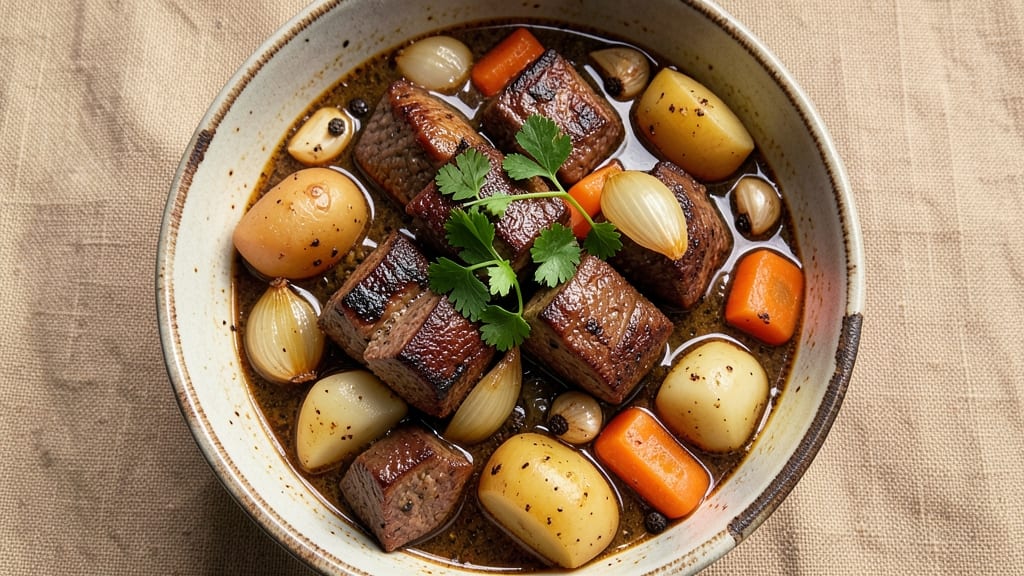
Allspice beef stew transforms tough cuts into melt-in-your-mouth tenderness with warm, aromatic depth that lingers long after the last bite. The key lies in slow-cooked beef infused with whole allspice berries, which release their complex, slightly peppery notes into the broth—think cinnamon, nutmeg, and clove all in one. This isn't just a stew; it's a flavor journey where every spoonful delivers layers of savory, sweet, and earthy complexity.
The process begins with proper meat preparation: browning the beef in batches ensures a rich, caramelized foundation for the stew. Vegetables like carrots and potatoes absorb the deep flavors as they simmer, while onions and garlic form the aromatic base.
The allspice berries—left whole so they can be easily removed—infuse the broth with their distinctive warmth without overwhelming the dish.
What you'll end up with is a velvety stew where the beef practically falls apart at the touch of a fork, swimming in a broth thickened just enough to coat every bite.
The allspice's subtle sweetness and spice harmonize perfectly with the natural richness of the meat, creating a dish that feels both comforting and sophisticated. This is the kind of stew that warms the soul on chilly evenings or becomes the centerpiece of a gathering.
Serve it with crusty bread to soak up every last drop of that spice-infused broth, or pair it with buttered noodles for a heartier meal. The beauty of this recipe lies in its versatility—it's equally at home as a weeknight dinner or a special occasion dish.
Let's get cooking and create a stew that will have everyone asking for seconds.
Ingredients for allspice beef stew
Here's what transforms tough beef into rich, spice-infused comfort with just 15 ingredients.
| Ingredient | Amount | Notes |
|---|---|---|
| Chuck Roast Beef 🥩 | 2 ½ lb | Pre-cut into 1.5-inch cubes |
| Yellow Onions 🧅 | 2 whole | Chopped into 1-inch pieces |
| Carrots 🥕 | 4 medium | Peeled and cut into 1-inch chunks |
| Russet Potatoes 🥔 | 4 medium | Peeled and cut into 1.5-inch chunks |
| Garlic Cloves 🧄 | 6 cloves | Minced for aromatic base |
| Allspice Berries 🌶️ | 2 tsp | Whole berries for infusion |
| Tomato Paste 🍅 | ½ cup | For rich depth of flavor |
| Beef Broth 💧 | 4 cups | Low-sodium preferred |
| Red Wine 🍷 | 1 cup | Bold dry red variety |
| Olive Oil 🫒 | 2 tbsp | For searing beef |
| Salt 🧂 | 1 ½ tsp | Kosher salt preferred |
| Black Peppercorns 🌶️ | ½ tsp | Freshly cracked |
| Bay Leaves 🌿 | 2 whole | For subtle herbal notes |
| Thyme 🌿 | 1 tbsp | Fresh sprigs preferred |
| Fresh Parsley 🌿 | ¼ cup | Chopped for garnish |
The beef cut is everything here. Chuck roast delivers that melt-in-your-mouth texture when slow-cooked—sirloin or ribeye will stay too firm. Most grocery stores carry pre-cut chuck roast, but if buying whole, ask your butcher to cube it to 1.5 inches. For allspice berries, Penzeys or bulk spice shops have the best quality, but the tiny jars at Trader Joe's work fine. Look for berries that smell warmly aromatic, not dusty. The tomato paste should be smooth—Rao's or Muir Glen are reliable brands. Fresh thyme and bay leaves add depth, so don't skip them even if they're not the stars.
No red wine? Beef broth with 1 tbsp balsamic vinegar works perfectly. Short on allspice berries? Ground allspice at half the amount is a pinch, but you'll lose that whole-berry aroma. Pre-cut veggies from the store are fine, but peeling and chopping your own carrots and potatoes ensures they absorb more flavor. For the beef broth, low-sodium versions let you control the saltiness better. The potatoes should be waxy types like Yukon Gold—russets can get too starchy and gummy. If you're in a hurry, baby carrots and pre-peeled potatoes save time without sacrificing quality.
This stew tastes even better the next day as flavors meld. Store leftovers in an airtight container in the fridge for up to 5 days, or freeze portions for 3 months. I like to portion it into individual containers so I can grab a meal straight from the freezer. The broth thickens as it cools, so add a splash of water or broth when reheating. For serving, fresh parsley brightens the dish—store it wrapped in damp paper towels in the fridge for up to 5 days to keep it fresh.
Why You'll Love This Recipe
- One-Pot Magic: I swear by this—just toss everything into a Dutch oven, let it simmer, and walk away. No chopping boards to clean, no extra pans, and the rich beef flavor builds right in the pot. (Yes, even on a Tuesday night.)
- Allspice Secret Weapon: That warm, cinnamon-like kick from allspice transforms simple beef into something ridiculously good—deep, slightly sweet, with a hint of spice that lingers. The carrots caramelize just enough to add natural sweetness without extra sugar.
- Leftovers That Don’t Suck: Between us, most stew leftovers taste sad. Not this one. The potatoes soak up the juices perfectly, and the beef gets even more tender overnight. Reheat it, and it’s like you’re eating fresh—no mushy textures here.
- Budget-Friendly Feast: Chuck roast is cheap, potatoes fill you up, and onions/garlic stretch the flavor. I feed four people for under $15, and everyone leaves happy. (My daughter picks out the best potatoes first, but still asks for seconds.)
Step-by-step instructions for allspice beef stew
This method delivers rich, spice-infused beef stew with tender meat and deep flavor in one pot.
Sear the Beef for Maximum Flavor
Heat the 2 tablespoons olive oil in a large Dutch oven over medium-high heat until shimmering. Working in batches to avoid crowding, add the 2.5 lb chuck roast beef cut into 1.5-inch cubes and sear for 2-3 minutes per side until deeply browned. This step creates the Maillard reaction, which builds the stew's deep, caramelized foundation.
As you sear, use tongs to turn the beef pieces—don't stir too frequently, or they'll release moisture and steam instead of developing that rich crust. Once all pieces are browned, remove them from the pot and set aside on a plate. The beef will continue cooking later, so no need to worry about overcooking at this stage.
Build the Aromatic Base
In the same Dutch oven, add the 2 whole yellow onions chopped into 1-inch pieces and cook for 5 minutes until softened and beginning to caramelize. Add the 4 medium carrots cut into 1-inch chunks and cook for another 4 minutes until they start to soften slightly.
Stir in the 6 cloves minced garlic, 2 teaspoons allspice berries, 1 tablespoon thyme sprigs, and 2 whole bay leaves. Cook for 1 minute until the garlic becomes fragrant and the spices begin to toast lightly. This aromatic base forms the flavor backbone of the stew, so don't rush this step—let the spices bloom fully.
Develop the Sauce Foundation
Reduce heat to medium, then stir in the 0.5 cup tomato paste and cook for 2 minutes until it darkens slightly and begins to thicken. Pour in the 1 cup red wine and scrape up any browned bits from the bottom of the pot with a wooden spoon. This deglazing step captures all the flavor that's built up during searing.
Let the wine simmer for 3-4 minutes until it reduces by half and becomes syrupy. The alcohol will cook off, leaving behind concentrated wine flavor. This reduction also helps balance the richness of the beef and create a velvety sauce.
Simmer the Stew to Perfection
Return the seared beef to the pot. Add the 4 cups beef broth, 1.5 teaspoons salt, and 0.5 teaspoon cracked black peppercorns. Bring to a gentle simmer, then reduce heat to low. Cover and let it cook for 1 hour, stirring occasionally to prevent the potatoes from sticking to the bottom.
After 1 hour, add the 4 medium russet potatoes cut into 1.5-inch chunks. Return to a simmer, cover, and cook for another 45-60 minutes until the beef is fork-tender and the potatoes are easily pierced with a knife. The stew should have thickened slightly, with the liquid just coating the back of a spoon.
Finish and Serve
Remove the 2 whole bay leaves and discard them. Taste the stew and adjust seasoning if needed—you may need a touch more salt or pepper to balance the flavors. Stir in the 0.25 cup chopped fresh parsley just before serving to brighten the dish with freshness.
Ladle the stew into bowls and serve immediately. The beef should be tender enough to pull apart with a fork, and the potatoes should be soft but still hold their shape. Each spoonful should deliver layers of allspice warmth, wine richness, and the deep umami from the seared beef. The stew tastes even better the next day as the flavors continue to meld.
Pro Tips For Making Allspice Beef Stew
- Sear the Chuck First: I learned this the hard way—skipping the sear means flavorless beef. Heat your pot until it’s smoking hot, pat the chuck dry, and let it brown 3-4 minutes per side before adding anything else. That crust locks in juices and builds depth the slow simmer can’t match.
- Cut Potatoes Last: Russets break apart like overcooked mashed potatoes if you toss them in too early. Wait until the beef’s halfway cooked (about 1.5 hours) before adding them—this keeps them intact and lets them soak up flavor without turning to mush.
- Don’t Rush the Allspice: Whole allspice berries need time to infuse, not just a quick stir. Toast them lightly in the pot with the onions and garlic (just until fragrant, 30 seconds max), then crush them with a mortar or heavy spoon before adding liquid. This releases their oils and aroma, which simmering alone won’t do.
- Deglaze Aggressively: After searing the beef, don’t just splash in broth—scrape up every browned bit with a wooden spoon. Those bits are pure flavor, and letting them sit turns your stew from good to rich. Add a splash of vinegar or beer here too; it cuts through the fat and brightens the allspice.
Best sauces and condiments for these flavors
Wine Pairings
For this allspice beef stew, I reach for a bold red wine that complements the spice's warmth without overpowering it. A Cabernet Sauvignon from Napa Valley—like Robert Mondavi Private Reserve—works beautifully with its dark fruit notes and tannins that mirror the stew's depth.
The allspice's cinnamon undertones pair perfectly with the wine's vanilla and blackcurrant flavors. 🍷
Beer Complements
If you prefer beer, a dark lager or porter bridges the stew's richness and spice. Try Guinness or Samuel Smith's Nut Brown Ale—their roasted malt notes enhance the allspice's complexity.
For a lighter option, a Belgian-style dubbel like Westmalle Dubbel adds a caramel sweetness that balances the stew's savory-sweet profile.
Creamy Condiment
A dollop of crème fraîche or sour cream on top adds a luxurious, cooling contrast to the warm spices. I like to stir in 1-2 tablespoons just before serving—it cuts through the richness while highlighting the allspice's warmth.
For a tangier option, a spoonful of homemade horseradish cream (mix 2 tbsp sour cream with 1 tsp prepared horseradish) adds a peppery kick that echoes the allspice's heat.
Fresh Herb Garnish
Brighten the stew with chopped fresh parsley or cilantro—both add freshness that balances the deep flavors. I also sprinkle toasted breadcrumbs (toast 2 tbsp panko in a dry pan for 2 minutes) for texture.
For extra flair, a drizzle of truffle oil (just ½ tsp) elevates the dish to restaurant-quality sophistication.
Bread Pairing
Serve with crusty sourdough or baguette to soak up the flavorful broth. I love Rosemary Focaccia from Trader Joe's—its herby notes complement the stew's allspice warmth.
For a heartier option, garlic bread with a buttery, crispy crust is a crowd-pleaser. Avoid soft breads that will turn mushy in the stew's liquid.
Nutrition facts
Frequently asked questions
Can I substitute allspice berries with ground allspice?
You can use ½ teaspoon ground allspice instead of 2 teaspoons whole berries, but you'll lose the deep, aromatic infusion that whole berries provide. Whole berries release their flavor gradually as they simmer, creating layers of warmth. If using ground, add it with the tomato paste and let it toast for 1 minute to bloom the flavors.
How do I make this stew in a slow cooker?
Brown the beef first in a skillet, then transfer it to the slow cooker with the onions, carrots, and spices. Add the remaining ingredients and cook on low for 7-8 hours or high for 4-5 hours. The slow cooker's gentle heat will tenderize the beef beautifully while keeping the allspice's warmth intact.
Why did my stew turn out too thin?
If your stew is too thin, it might be because you didn't let the wine reduce enough or didn't add the potatoes early enough. For a thicker stew, simmer uncovered for 10-15 minutes to reduce the liquid, or mix 1 tablespoon cornstarch with 2 tablespoons cold water and stir it in at the end. The potatoes also release starch as they cook, so adding them earlier helps thicken the broth.
Can I use a different cut of beef?
While chuck roast is ideal for its tenderness when slow-cooked, you can use stew meat or even brisket in a pinch. Avoid lean cuts like sirloin—they won't become tender enough. If using brisket, cut it against the grain and add 1 extra hour of cooking time to ensure it's fork-tender.
How do I reheat leftovers without drying them out?
Reheat leftovers in a pot over low heat with 2-3 tablespoons of beef broth or water to prevent drying. Stir occasionally and add more liquid if needed. For microwave reheating, cover with a damp paper towel and heat in 30-second intervals, stirring between each interval. The stew tastes even better the next day as flavors meld!