
Main Courses
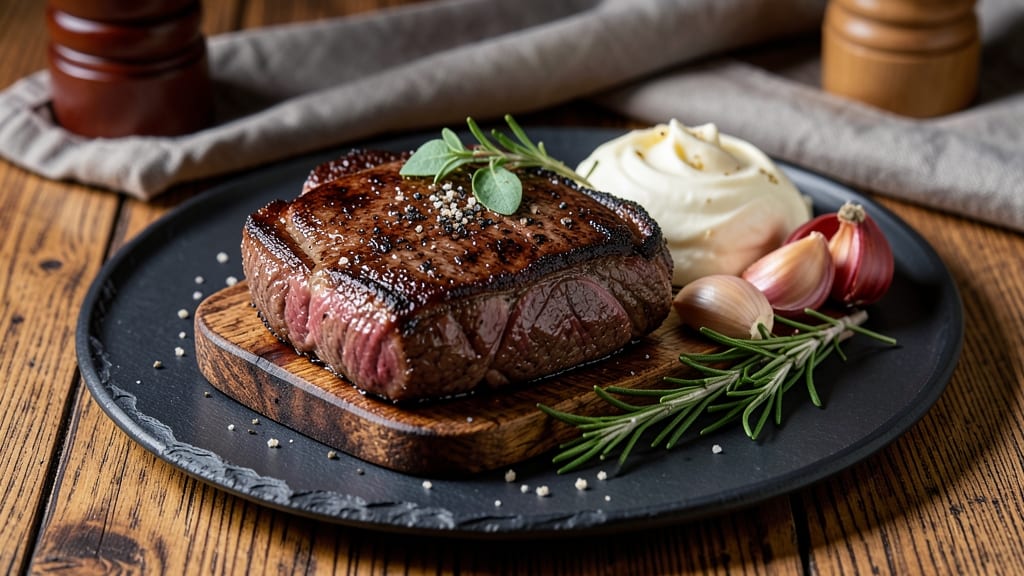
American Wagyu beef recipe transforms a simple dinner into an unforgettable experience with its melt-in-your-mouth tenderness and rich, buttery flavor. 🔥 This premium cut demands respect—proper preparation unlocks its full potential, turning even a weeknight into a gourmet occasion. What sets American Wagyu apart is its exceptional marbling, which delivers unmatched juiciness and a luxurious mouthfeel that rivals Japanese Wagyu at a fraction of the price.
The secret to perfecting this dish lies in technique: reverse searing for even doneness, a dry brine to enhance flavor, and a careful rest to preserve moisture.
Whether you choose a ribeye or strip loin, the result is a steak so tender it practically melts, with a crust that's crisp yet yielding. This isn't just meat—it's a culinary event that deserves the same attention as a fine wine pairing.
Pair your steak with classic sides like garlic mashed potatoes or a bold red wine reduction to complement its richness. The plating should reflect its premium nature—resting the meat on a warm platter, garnished with fresh herbs, creates a presentation worthy of a high-end restaurant.
Every bite should feel like a reward, and with this method, it will be.
For those new to Wagyu, don't be intimidated—the process is straightforward once you understand the key steps. The payoff? A steak so tender and flavorful, it redefines what you expect from beef. Let's get started on creating this luxury at home.
Ingredients for american wagyu beef
Here’s the short list for melt-in-your-mouth American Wagyu—luxury ingredients that make every bite unforgettable.
| Ingredient | Amount | Notes |
|---|---|---|
| American Wagyu Ribeye Steak 🥩 | 1 ½ lb | Center-cut, 1-1.5 inches thick |
| Kosher Salt 🧂 | 1 ½ tbsp | Diamond Crystal preferred |
| Freshly Ground Black Pepper 🌶️ | 1 tbsp | Cracked peppercorns preferred |
| Unsalted Butter 🧈 | ½ cup | European-style preferred |
| Garlic Cloves 🧄 | 4 cloves | Smash with side of knife |
| Fresh Rosemary 🌿 | ¼ cup | Finely chopped, fresh preferred |
| Extra-Virgin Olive Oil 🫒 | 2 tbsp | High-quality, fruity variety |
| Heavy Cream 🥛 | ½ cup | Full-fat for richness |
| Red Wine 🍷 | ½ cup | Bold Cabernet Sauvignon |
| Beef Tallow 🧈 | 2 tbsp | For high-heat searing |
| Fresh Thyme Leaves 🌿 | ¼ cup | Finely chopped, stems removed |
| Yellow Onion 🧅 | 1 whole | Thinly sliced, sweet variety |
| Fresh Parsley 🌿 | ⅛ cup | Chopped, for garnish |
The Wagyu is the star, so source it from a reputable butcher—look for marbling that looks like butterfat threads. Costco or local specialty grocers often carry it, but if you can’t find it, Japanese Wagyu is a worthy backup. Ribeye delivers that perfect balance of tenderness and flavor, but strip loin works too if that’s what’s available. The key is thickness—1-1.5 inches ensures even cooking. Pat it dry before brining to maximize crust formation. For the best experience, let it sit at room temperature for 30 minutes before cooking—this ensures even doneness.
No beef tallow? Avocado oil or high-smoke-point vegetable oil works in a pinch, but tallow gives that unmatched richness. Fresh herbs are non-negotiable—dried won’t cut it here. The rosemary and thyme should smell vibrant, not dusty. For the red wine reduction, Cabernet Sauvignon is ideal, but any bold red works. Short on time? Substitute beef broth with a splash of balsamic for a quick version. The butter and heavy cream should be full-fat—low-fat ruins the luxurious texture. And if you’re feeling fancy, add a pinch of flaky sea salt to the butter for extra depth.
This steak deserves a rest—10-15 minutes off the heat before slicing is non-negotiable. The butter basting should be done at the very end, so it stays warm and glossy. Store leftovers in an airtight container for 3-4 days—though honestly, it’s so good, you’ll eat it all at once. For reheating, low heat in a skillet with a splash of beef broth brings it back to life. And if you’re planning ahead, freeze portions in vacuum-sealed bags for up to 3 months—just thaw overnight in the fridge before cooking.
Why You'll Love This Recipe
- Two-Ingredient Magic: I swear, this steak needs nothing but salt, pepper, and butter to shine. The Wagyu’s natural marbling does all the heavy lifting—just sear it right, baste with garlic butter, and let the meat’s richness take over.
- Butter-Basted Bliss: That moment when the butter pools on the steak, sizzling with garlic? Pure satisfaction. It’s not fancy—just a pat of butter, crushed cloves, and a quick flip—but it turns a great steak into something ridiculously good.
- Date Night Ready: No stressing over sides or sauces. This is the steak that says, “I’ve got this.” Pair it with roasted potatoes or a simple salad, and you’re serving up restaurant-quality without the hassle—(yes, even when you’re winging it).
- Leftovers That Don’t Suck: Cold Wagyu the next day? Still melt-in-your-mouth tender. Slice it thin, toss with a little garlic butter, and you’ve got a next-day sandwich or grain bowl that tastes like you spent hours cooking. (Spoiler: You didn’t.)
Step-by-step instructions for American Wagyu ribeye steak
Here's how to transform premium American Wagyu into melt-in-your-mouth perfection.
🔥 Step 1: Prep the Steak for Maximum Flavor
Take the 1.5 lb American Wagyu Ribeye Steak out of the refrigerator and let it sit at room temperature for 30-45 minutes. This ensures even cooking throughout the thick cut. While it rests, pat the steak dry completely with paper towels—this step is non-negotiable for achieving that coveted crust.
In a small bowl, combine 1.5 tbsp Kosher Salt and 1 tbsp Freshly Ground Black Pepper. Rub this generously over all sides of the steak, pressing the seasoning into the meat so it adheres well. The salt will begin drawing out moisture, which is exactly what we want for that perfect sear. Let the seasoned steak rest uncovered for another 15 minutes while you prepare your cooking station.
🍳 Step 2: Create the High-Heat Sear with Beef Tallow
Heat a cast-iron skillet over high heat until it's screaming hot—you should see a thin layer of steam when you sprinkle water on it. Add 2 tbsp Beef Tallow and let it melt completely, then add 2 tbsp Extra-Virgin Olive Oil. The combination of tallow and oil gives you both high smoke point and rich flavor.
Place the steak in the pan and let it sit undisturbed for 3-4 minutes. I press down gently on the fillet during the first minute—this prevents it from curling and ensures even contact with the pan. You'll hear a satisfying sizzle and see the edges start to crisp—that's your signal to flip. Cook for another 3-4 minutes on the second side until both sides are deep golden brown with a crust that looks almost black in spots.
👨🍳 Step 3: Build the Rosemary-Thyme Compound Butter
While the steak rests, make the herb butter. In a small saucepan, melt 0.5 cup Unsalted Butter over low heat. Add 4 cloves Garlic Cloves (smash them first with the side of your knife), 0.25 cup Fresh Rosemary, and 0.25 cup Fresh Thyme Leaves. Let this mixture simmer gently for 2-3 minutes until fragrant but not browned.
Remove from heat and stir in 0.5 cup Heavy Cream and 0.5 cup Red Wine. Let it reduce slightly for 1 minute until the mixture thickens to a glossy consistency. Thinly slice 1 whole Yellow Onion and add it to the pan, coating it with the butter mixture. This will create an aromatic bed for your steak when you serve it.
⏰ Step 4: Rest and Slice for Maximum Juiciness
Transfer the steak to a cutting board and let it rest for 10-15 minutes. This is where the magic happens—the juices redistribute throughout the meat instead of pooling on your plate. Don't skip this step, no matter how tempting it is to cut into that beautiful crust immediately.
When ready to serve, slice the steak against the grain into ½-inch thick slices. The marbling in American Wagyu will melt as it cooks, creating an incredibly tender texture. Spoon the herb butter mixture over the sliced steak and arrange on a warm platter with the onion slices. Garnish with 0.125 cup Fresh Parsley for a pop of color and freshness.
Pro Tips For Making American Wagyu Beef
- CRANK THE HEAT FIRST: American Wagyu needs that initial sear to lock in flavor and fat—start with your pan screaming hot (I mean smoke-test hot) before adding the steak. After 2-3 minutes per side, you’ll get that caramelized crust without overcooking the tender interior. (Yes, even if you’re impatient like me.)
- SALT THE STEAK 40 MINUTES EARLY: This isn’t just seasoning—it’s a game-changer for texture. Pat the steak dry, then generously coat it with kosher salt before cooking. The salt draws out moisture, which evaporates, creating a better crust. I learned this the hard way after serving a steak that tasted bland no matter how much butter I added.
- DON’T SKIP THE GARLIC BUTTER BATH: After searing, smash 2-3 garlic cloves into the pan with the rendered butter—this adds depth. Let the butter foam and bubble for 30 seconds before basting the steak. The residual heat infuses the garlic flavor without burning it. (Your future self will notice the difference.)
- REST IT UNDER FOIL—NOT ON A PLATE: Wagyu’s fat is luxurious but can pool unpleasantly if sliced too soon. After cooking, transfer the steak to a warm plate, loosely tent with foil, and let it rest for 5-10 minutes. This keeps the juices distributed so every bite stays tender. (I know, I know—it’s tempting to cut into it immediately.)
Serving suggestions for leftovers
Elevate with Classic Sides
Creamy garlic mashed potatoes are a must—their buttery richness complements the steak’s melt-in-your-mouth texture. I use Yukon Gold potatoes boiled until tender, then whipped with 8 oz cream cheese, ½ cup heavy cream, and 4 cloves roasted garlic.
Finish with 2 tbsp chives and a splash of whole milk for that signature velvety consistency. 🥔
Wine Pairing Perfection
A bold Cabernet Sauvignon from Napa Valley cuts through the steak’s richness while enhancing its beefy notes. I love Caymus Vineyards or Opus One—both have enough tannins to stand up to the fat.
For a lighter option, try a Malbec from Argentina, which balances the dish’s decadence with vibrant fruit flavors. 🍷
Herb & Butter Finishing Touches
After slicing, generously spoon the rosemary-thyme butter over the steak, letting it melt into every crevice. For extra flair, add crispy fried shallots (sauté in 2 tbsp butter until golden) or toasted hazelnuts for crunch. A sprinkle of flaky Maldon salt adds a sophisticated finish. 🌿
Presentation Matters
Serve the steak on a warm slate platter with the onions arranged beneath it. The herb butter should glisten, and the parsley should add a bright contrast. For a rustic touch, use wooden cutting boards and cast-iron skillets as serving dishes. 🍽️
Make It a Meal
Add roasted asparagus (tossed in olive oil, lemon zest, and sea salt) or creamed spinach (sautéed with garlic, shallots, and crème fraîche). For a heartier option, serve with wild mushroom risotto—its earthy notes balance the steak’s richness. 🍄
Dessert Pairings
End the meal with dark chocolate-dipped strawberries or a bourbon-infused crème brûlée. The bitterness of dark chocolate (70% or higher) cleanses the palate, while the caramelized sugar in the crème brûlée adds a sweet contrast. 🍓
Nutrition facts
Frequently asked questions
What's the difference between American Wagyu and Japanese Wagyu?
American Wagyu is bred from Japanese Wagyu cattle but raised in the U.S. with American feed and farming practices. The result is still incredibly marbled and flavorful, but typically more affordable than its Japanese counterpart. Japanese Wagyu has stricter regulations and often contains more marbling, while American Wagyu delivers similar tenderness at a fraction of the price.
How do I know when my American Wagyu steak is cooked to perfection?
Use a meat thermometer for precision—125°F for rare, 135°F for medium-rare (ideal for Wagyu), and 145°F for medium. The crust should be deep brown with blackened spots, and the steak should feel slightly springy when pressed. Remember: Wagyu's marbling melts during cooking, so it's safe to serve slightly underdone.
Can I substitute regular beef for American Wagyu in this recipe?
While you can use regular beef, you'll miss the luxurious marbling and buttery texture that makes Wagyu special. For a similar experience, look for "grass-fed" or "dry-aged" cuts like ribeye or strip loin, but expect less tenderness. The recipe's techniques still work, but the flavor profile will be different—Wagyu's fat content truly changes the game.
How far ahead can I prepare the herb butter?
You can make the herb butter up to 2 days ahead and store it in an airtight container in the fridge. Just warm it gently in a small saucepan before serving to maintain its rich texture. For best results, add fresh herbs right before cooking to preserve their vibrant flavors, but the pre-made version still tastes amazing.
What's the best way to reheat leftover American Wagyu?
Reheat slices in a skillet over low-medium heat with a splash of beef broth for 1-2 minutes per side until warmed through. Avoid microwaving—it makes the meat tough. For maximum flavor, add a pat of butter and fresh herbs to the pan. Leftovers keep well in an airtight container for 3-4 days or can be frozen for up to 3 months.