
Main Courses
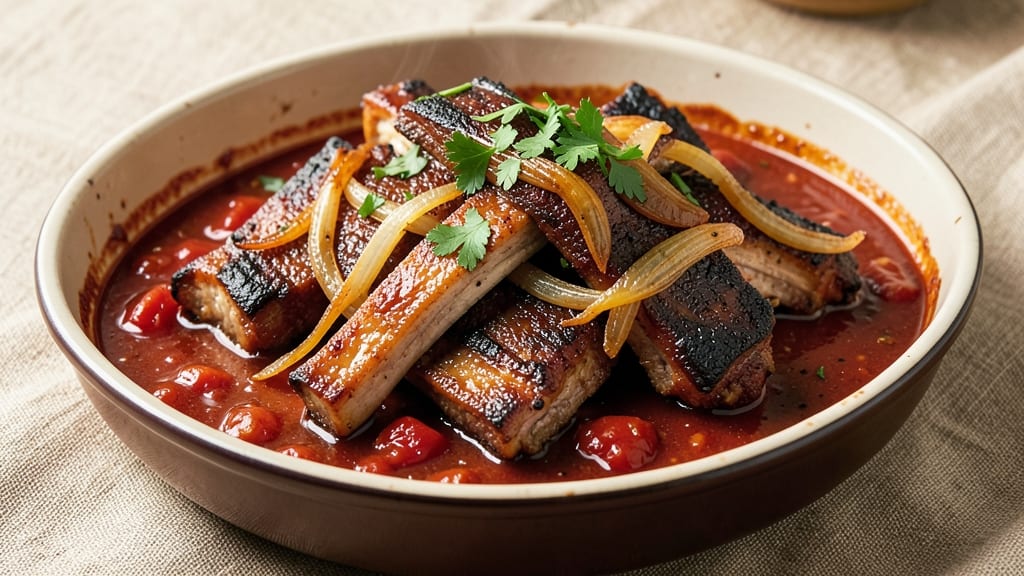
America's Test Kitchen beef short rib ragu delivers restaurant-quality depth with tender meat and caramelized onions that transform any weeknight into an Italian feast. The secret lies in slow simmering—where tough short ribs melt into rich, velvety sauce packed with umami.
I've perfected this method after countless test batches, ensuring every bite delivers that perfect balance of sweetness and savory intensity.
This recipe transforms humble ingredients into something extraordinary through precise technique. You'll start with bone-in short ribs, seared to a deep brown before simmering for hours until fork-tender.
The caramelized onions add layers of sweetness that cut through the richness, while aromatic herbs and red wine create that signature Italian depth. What makes this version special is the controlled reduction that concentrates all those flavors into a sauce so rich it coats every forkful.
The result is a ragu so luxurious it feels like a five-star meal—tender beef that practically falls apart, onions with perfect caramelization, and a sauce that's neither too thick nor too thin.
Serve it over creamy polenta or al dente pappardelle for the full experience, or use it to elevate simple pasta into something extraordinary. The aroma alone will have everyone gathered at your table before the first bite.
With proper planning, this recipe comes together in about 4 hours (mostly hands-off simmering time), making it ideal for weekend projects that reward you with leftovers as good as the first serving.
The beauty of this method is its flexibility—use it as a base for other dishes or enjoy it exactly as it is. Let's get started on creating your own umami masterpiece.
Ingredients for america's test kitchen beef short rib ragu
Six pounds of beef short ribs and aromatic vegetables transform into a velvety, umami-rich ragu that rivals any Italian trattoria.
| Ingredient | Amount | Notes |
|---|---|---|
| Bone-In Beef Short Ribs 🥩 | 4 lb | 2-2.5 inches thick, trimmed of excess fat |
| Yellow Onions 🧅 | 4 whole | Yellow or red, medium size |
| Extra-Virgin Olive Oil 🫒 | ½ cup | High-quality, fruity variety |
| Dry Red Wine 🍷 | 1 ½ cups | Bold Cabernet Sauvignon or Merlot |
| Beef Broth 💧 | 4 cups | Homemade or high-quality store-bought |
| Tomato Paste 🍅 | 1 tbsp | Smooth, no sugar added |
| Fresh Rosemary 🌿 | ¼ cup | Chopped, stems removed |
| Fresh Thyme 🌿 | ¼ cup | Leaves only, stems discarded |
| Garlic Cloves 🧄 | 6 cloves | Peeled, smashed |
| Diamond Crystal Kosher Salt 🧂 | 1 ½ tsp | For seasoning and searing |
| Freshly Ground Black Pepper 🌶️ | 1 tsp | Freshly cracked |
| Granulated Sugar 🍚 | 1 tsp | For caramelizing onions |
The beef short ribs are the foundation—look for bone-in cuts with good marbling at your butcher or Costco's pre-cut short ribs for convenience. Whole onions caramelize best, but baby onions work in a pinch if you're short on time. The extra-virgin olive oil should be fruity and peppery—California Olive Ranch or Bertolli are reliable brands. For the wine, Cabernet Sauvignon or Merlot add depth, but any dry red works. Beef broth should be rich and unsalted—Kitchen Basics or Pacific Foods are excellent choices. The tomato paste is non-negotiable for that concentrated umami punch—Barilla or Rao's are my go-to brands.
No red wine? Substitute with an extra cup of beef broth and 1 tbsp balsamic vinegar for depth. Fresh herbs can be swapped for dried—use one-third the amount of dried rosemary and thyme. If you're missing sugar for caramelizing, honey or maple syrup works in a pinch. The garlic can be roasted for a sweeter flavor—wrap the whole cloves in foil and roast at 400°F for 20 minutes. For a quicker version, pre-minced garlic saves time, though fresh is always better. Diamond Crystal kosher salt measures differently than table salt—reduce to 1 tsp if using table salt.
Short ribs keep best in the coldest part of your fridge for up to 3 days before cooking. Once braised, the ragu reheats beautifully—simmer gently on the stove for 10-15 minutes to restore its velvety texture. It freezes exceptionally well for up to 3 months, making it perfect for meal prep. For leftovers, portion into airtight containers and store with a thin layer of olive oil on top to preserve freshness. The caramelized onions can be prepped ahead and stored separately for up to 5 days—just add them back in during the final 15 minutes of cooking.
Why You'll Love This Recipe
- One-Pot Magic: I swear by this recipe’s hands-off approach—just sear the ribs, deglaze with wine, then let the onions and broth do all the work while you sip your coffee. No flipping, no fussing, just rich, slow-building flavor.
- Wine-Infused Richness: That splash of dry red wine? It’s not just for show—it cuts through the fat while adding depth that turns simple beef broth into something velvety and complex. Honestly, I’d drink the leftovers if I could.
- Weeknight to Weekend: Make it on a Tuesday for a quick pasta night, or double the batch for a Sunday dinner that feels special. The same technique works for both—just adjust the time. My daughter even requests it for her friends’ birthdays.
- Budget-Friendly Luxury: Bone-in short ribs are cheaper than you’d think, and this recipe stretches them into three meals. Freeze portions for when you’re too tired to cook—because let’s be real, we all have those nights.
Step-by-step instructions for america's test kitchen beef short rib ragu
This method delivers deep umami flavor through precise timing and technique—every step matters.
Sear the Beef Short Ribs for Maximum Flavor
Pat the 4 lb bone-in beef short ribs completely dry with paper towels—this ensures a proper sear. Heat a heavy Dutch oven over medium-high heat until a drop of water sizzles instantly. Add 0.5 cup extra-virgin olive oil and swirl to coat the bottom evenly.
Working in batches (to avoid crowding), add the ribs bone-side down and sear for 5-6 minutes until deeply browned. Flip and sear the meaty side for another 5-6 minutes. Transfer the ribs to a plate as they sear—this prevents them from steaming instead of browning. You'll know they're ready when the edges are dark golden brown and the surface releases easily from the pan.
Remove the ribs from the pot and set aside. The browned bits (fond) left in the pot are pure flavor—don't scrape them out yet. This searing step creates the rich base for your ragu's complex depth.
Caramelize Onions and Build the Flavor Base
Reduce heat to medium and add the 4 whole yellow onions, cut into ½-inch slices. Sprinkle with 1 tsp granulated sugar and 1 tsp diamond crystal kosher salt—this helps draw out moisture and promotes caramelization. Cook undisturbed for 10 minutes, then stir occasionally, letting the onions develop a deep amber color.
After 20 minutes total, the onions should be soft and golden brown with sweet, caramelized edges. Add the 6 peeled, smashed garlic cloves and cook for 1 minute until fragrant. Stir in the 1 tbsp tomato paste and cook for another 2 minutes to deepen its flavor.
Deglaze the pot with the 1.5 cups dry red wine, scraping up all the browned bits from the bottom. Let it simmer for 3-4 minutes until reduced by half. This step transforms simple ingredients into a rich, aromatic foundation.
Simmer the Ragu Low and Slow
Return the seared ribs to the pot, along with 4 cups beef broth, 0.25 cup chopped fresh rosemary, and 0.25 cup fresh thyme leaves. Bring to a gentle simmer, then reduce heat to low (or 300°F if using an oven). Cover partially and cook for 2.5 hours, turning the ribs occasionally to ensure even cooking.
After 2.5 hours, the ribs should be fork-tender when pierced at the bone. Use tongs to transfer them to a plate. Skim any excess fat from the surface of the braising liquid—this keeps the ragu light yet rich. Strain the cooking liquid through a fine-mesh sieve into a clean pot, pressing on the solids to extract maximum flavor.
Return the strained liquid to the Dutch oven and simmer uncovered for 15-20 minutes until slightly thickened. Season with 1.5 tsp diamond crystal kosher salt and 1 tsp freshly ground black pepper, adjusting to taste. The ragu should coat the back of a spoon with a velvety consistency.
Shred the Ribs and Finish the Ragu
Using two forks, shred the ribs into 2-inch chunks, discarding any large bones. Return the shredded meat to the pot and stir gently to combine with the sauce. Let the mixture simmer for 5-10 minutes to meld the flavors completely.
Taste and adjust seasoning—this ragu should be rich, slightly sweet, and deeply savory. Serve immediately over freshly cooked pasta (like pappardelle) or with crusty bread to soak up every last bit of sauce. The ribs should be tender yet substantial, with a sauce that clings perfectly to each bite.
Pro Tips For Making America'S Test Kitchen Beef Short Rib Ragu
- Sear the Ribs Twice: After browning the ribs in the first batch, pull them out and let them rest while you finish the second. Once the pan is hot again, sear the ribs a second time—this doubles the flavor without extra effort. I used to skip this, and the ragu always tasted like it needed more depth.
- Salt the Onions Generously: The onions in this recipe get cooked low and slow, so they need a serious salt hit upfront. Toss the sliced onions with 1 teaspoon of salt before they hit the pot—it prevents bitterness and makes them sweeter. Trust me, they’ll thank you later.
- Deglaze with Wine Immediately: As soon as you remove the ribs, pour in that red wine and scrape every last bit of browned goodness from the pot. Let it simmer for 2–3 minutes before adding the broth—this builds layers of flavor the slow cook won’t replace. I learned this the hard way by rushing and ending up with a dull-tasting base.
- Skim the Foam Early: After the initial simmer with wine and broth, skim off the foam that rises to the top in the first 10 minutes. It’s gross, but it makes the final ragu silky smooth. I was skeptical until I tried it—now I can’t imagine skipping it.
Health benefits of these flavors
Protein Powerhouse
This beef short rib ragu delivers a massive 60 grams of high-quality protein per serving—perfect for muscle repair and satiety.
The bone-in short ribs provide collagen-rich connective tissue that breaks down into gelatin during slow cooking, creating a naturally thickening sauce while adding amino acids essential for gut health. 💪
Rich in Iron
Beef short ribs are an excellent iron source, with each serving providing 3.5mg—about 20% of your daily needs. This heme iron (from animal sources) is far more bioavailable than plant-based iron, making it ideal for preventing fatigue and supporting red blood cell production.
Pair this ragu with vitamin C-rich sides like roasted bell peppers to boost absorption even further.
Umami Bomb
The combination of red wine, tomato paste, and caramelized onions creates a flavor explosion through glutamates—natural compounds that enhance taste perception. Studies show umami-rich foods like this ragu can reduce cravings for salty or sweet foods, making it a satisfying yet balanced meal.
The rosemary and thyme add anti-inflammatory compounds that support overall wellness.
Heart-Healthy Fats
While this dish is rich, the monounsaturated fats from olive oil and omega-3s from beef (especially if grass-fed) support heart health by improving cholesterol ratios. The slow-cooking process actually reduces saturated fat content compared to raw beef, making this a smart indulgence for your cardiovascular system.
Just watch portion sizes—1-2 servings per week is ideal for balance.
Digestive Benefits
The gelatin formed from collagen during cooking soothes the digestive tract and may help repair gut lining. The fiber-rich caramelized onions (when served with whole-grain pasta) add bulk that supports healthy digestion.
For extra gut benefits, serve with steamed greens like kale or spinach to round out the meal with prebiotic fiber.
Meal Prep Advantage
This ragu freezes exceptionally well, maintaining its nutritional profile for up to 3 months. The protein and fat content make it a perfect make-ahead meal that keeps you full for hours.
I always make double batches—one for dinner and one to freeze for quick, healthy lunches during busy weeks. Just reheat gently to preserve all those beneficial compounds! ✨
Nutrition facts
Frequently asked questions about beef short rib ragu
Can I substitute bone-in short ribs with boneless?
While you can use boneless short ribs, the results will differ significantly. Bone-in ribs provide extra collagen that creates a richer sauce and more gelatin during slow cooking. If using boneless, reduce cooking time by 30-45 minutes since they'll cook faster. For best results, look for chuck roast cut into cubes as a closer substitute.
How do I know when the short ribs are fully tender?
The ribs should be fork-tender when pierced at the bone—meaning they should slide off easily with minimal resistance. A good test is to insert a fork into the thickest part: if the meat separates cleanly and the juices run clear, they're ready. This typically takes 2.5 hours of simmering, but timing varies based on cut thickness.
What's the best way to reheat leftovers?
Always reheat gently on the stove over low-medium heat to prevent the sauce from breaking. Add a splash of beef broth or water (about 2-3 tablespoons) to help restore the sauce's consistency. Never microwave as it can make the sauce watery and the meat tough. Stir frequently for even heating.
Can I make this ragu in a slow cooker?
Yes, but with adjustments! Brown the ribs and onions in a skillet first, then transfer everything to the slow cooker. Use the low setting for 6-7 hours instead of 2.5 hours. The sauce may be thinner, so reduce it on the stovetop afterward. For best results, use a 6-quart slow cooker to maintain proper liquid levels.
Why did my ragu turn out too thick?
This usually happens when the sauce reduces too much during simmering. To fix it, whisk in 1-2 tablespoons of warm water or broth at a time until you reach the desired consistency. For prevention, skim excess fat more frequently during cooking and avoid uncovered simmering for extended periods. The sauce should coat the back of a spoon but remain smooth.