
Main Courses
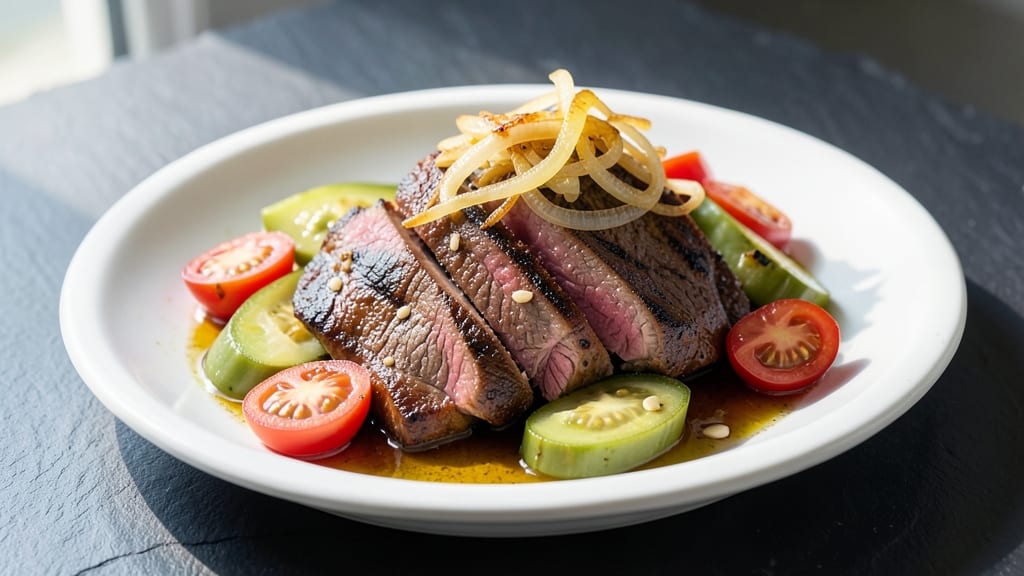
This ampalaya with beef Pinoy recipe transforms bitter green squash into a rich, savory Filipino classic that balances earthy flavors with tender beef. The secret lies in braising the ampalaya just enough to soften it while preserving its subtle sweetness, all wrapped in a deeply aromatic tomato-beef sauce.
I first made this dish during a family gathering when my grandmother insisted on using fresh ampalaya from the market—its slightly bitter profile transforms completely when cooked this way.
The process starts with searing beef strips until deeply browned, then simmering them in a blend of tomatoes, onions, and garlic until the sauce thickens into a velvety consistency. The ampalaya is added later, allowing it to absorb the rich flavors without losing its natural texture.
Traditional Filipino techniques like slow cooking and layering spices create that signature depth that makes this dish a comfort food staple.
What you'll end up with is a dish that's tender, flavorful, and perfectly balanced—silky ampalaya with melt-in-your-mouth beef, all coated in a sauce that's rich yet not overly heavy.
The aroma alone will have everyone at the table asking for seconds, and the dish pairs beautifully with steamed rice or tangy atchara for a complete meal. This is the kind of recipe that tastes like home.
Whether you're serving it for a family dinner or a special occasion, this ampalaya with beef delivers restaurant-quality results with simple, accessible techniques. Let's get started on creating this beloved Filipino classic in your own kitchen.
Ingredients for ampalaya with beef pinoy
Fresh bitter melon and tender beef create this Filipino comfort dish's perfect balance.
| Ingredient | Amount | Notes |
|---|---|---|
| Beef Sirloin 🥩 | 1 ½ lb | Cut into thin strips |
| Ampalaya (Bitter Melon) 🥬 | 2 medium | Washed, cut into 1-inch pieces |
| Tomatoes 🍅 | 4 medium | Ripe, quartered |
| Yellow Onions 🧅 | 2 whole | Thinly sliced |
| Garlic Cloves 🧄 | 6 cloves | Minced |
| Olive Oil 🫒 | ½ cup | For searing |
| Soy Sauce 🍶 | ¼ cup | Regular or light |
| Calamansi or Lemon Juice 🍋 | ⅛ cup | Freshly squeezed |
| Salt 🧂 | 1 ½ tsp | Kosher or sea salt |
| Black Pepper 🌶️ | ½ tsp | Freshly ground |
| Bay Leaves 🌿 | 2 whole | For aroma |
| Ground Black Peppercorns 🌶️ | ½ tsp | Optional for extra heat |
| Cooking Oil 🫒 | 2 tbsp | For sautéing |
Ampalaya is the star here, so grab the freshest you can find—Filipino markets or Asian grocery stores usually have the best selection. Look for melons that are firm but not rock-hard, with a vibrant green color. If you can't find ampalaya, zucchini or patty pan squash in a pinch, though the flavor won't be identical. The beef should be sirloin or round cut—thin strips cook faster and soak up the sauce better. I always buy mine from Costco or the butcher counter at Walmart for good quality at a reasonable price. For tomatoes, grab the ripe but firm ones—they'll break down nicely in the sauce.
No calamansi? Lemon juice works just as well—it's the tangy brightness that balances the dish. If you're short on time, canned crushed tomatoes can replace fresh (just drain the excess liquid first). For extra depth, add a dash of sugar to the sauce—it helps round out the flavors. The bay leaves are non-negotiable for that classic Filipino aroma, but if you're out, a pinch of ground cloves can mimic it. Pro tip: Toast your garlic cloves in the oil for 30 seconds before adding them—it brings out their sweetness and makes the whole dish sing.
This dish tastes even better the next day as the flavors meld together. Store leftovers in an airtight container in the fridge for up to 4 days. For meal prep, portion it into containers with a side of rice—double the recipe and freeze half for those busy nights. The sauce thickens as it cools, so you might want to add a splash of water when reheating. If you're serving it for a crowd, double the ampalaya and beef—it's one of those dishes that disappears fast.
Why You'll Love This Recipe
- One-Pot Magic: I swear by this—just beef, bitter melon, and a handful of pantry staples in one pot. No chopping marathons, no last-minute grocery runs. The onions and garlic caramelize while you slice the ampalaya, and boom, dinner’s ready before the kids even notice.
- Umami Bomb: That beef sirloin? It gets tender in the tomato-onion base, soaking up all the garlic’s punch. Honestly, the first bite makes me pause—like, “Wait, this is actually good?” The bitter melon softens into something almost sweet, balancing the richness perfectly.
- Lunchbox Hero: Between us, this is my go-to for packed lunches. The flavors only get better the next day—yes, even on a Tuesday night. Toss it in a container, and suddenly you’ve got a meal that’s actually exciting to bring to work.
- Budget Win: Ampalaya’s cheap, beef sirloin stretches further than you’d think, and tomatoes/onions last forever. I’ll be real: I’ve made this stretch for four meals with zero waste. Plus, it’s cheaper than takeout, but way more impressive.
Step-by-step instructions for ampalaya with beef
Here's how to create this comforting Filipino classic with tender beef and silky ampalaya.
🍳 Step 1: Sear the Beef Until Browned
Heat the 2 tablespoons cooking oil in a large pot over medium-high heat. Add the 1.5 lb beef sirloin in a single layer, making sure not to overcrowd the pan. Let the beef sear undisturbed for 2-3 minutes until it develops a rich brown crust on all sides.
This initial searing locks in the beef's juices and builds deep flavor. Once the beef is evenly browned, remove it from the pot and set it aside temporarily. You'll add it back later once the vegetables have softened.
👨🍳 Step 2: Sauté Onions and Garlic
In the same pot, add the 2 whole yellow onions and cook for 3-4 minutes until they turn translucent and just beginning to caramelize at the edges. Add the 6 cloves minced garlic and cook for another 30 seconds until fragrant.
Here's the thing—don't let the garlic burn. It should smell sweet and nutty, not bitter. If it starts to darken too quickly, reduce the heat slightly. These aromatics form the flavor base for your dish, so take your time with this step.
🥘 Step 3: Cook the Ampalaya and Tomatoes
Add the 2 medium ampalaya cut into 1-inch pieces and the 4 medium quartered tomatoes to the pot. Stir well to combine with the onions and garlic. Cook for 5-6 minutes until the ampalaya begins to soften and the tomatoes break down into a chunky sauce.
The ampalaya should release its bitterness as it cooks, transforming into a tender, silky texture. If you notice the mixture getting too dry, add 1-2 tablespoons water to help it cook evenly. This is where the dish starts to come together.
🍳 Step 4: Build the Braising Sauce
Pour in the 0.5 cup olive oil, 0.25 cup soy sauce, and 0.125 cup calamansi or lemon juice. Add the 1.5 teaspoons salt, 0.5 teaspoon black pepper, 2 whole bay leaves, and 0.5 teaspoon ground black peppercorns. Stir everything together well.
This is where the magic happens. The combination of soy sauce and calamansi creates a perfect balance of savory and tangy flavors. The bay leaves add a subtle herbal depth that complements the beef beautifully. Let the mixture simmer gently for 5 minutes to allow the flavors to meld.
⏰ Step 5: Braise the Beef to Perfection
Return the seared beef to the pot and stir gently to coat it in the sauce. Add enough water to just cover the beef—about 1 cup—then bring to a gentle simmer. Cover the pot and cook for 30-40 minutes over low heat until the beef is tender and the ampalaya is completely soft.
You'll know it's done when the beef easily pulls apart with a fork and the sauce has thickened slightly. The ampalaya should be silky and tender, no longer bitter. Remove the bay leaves before serving, as they're only for flavor during cooking.
Pro Tips For Making Ampalaya With Beef Pinoy
- SEAR THE BEEF FIRST: I learned this the hard way—skipping the sear means bland beef. Cook the beef sirloin in a hot pan with a little oil until it develops a deep brown crust (about 3-4 minutes per side), then set it aside. That crust locks in flavor when you later simmer everything together.
- PEEL THE AMPALAYA LAST: The bitter melon’s skin is tough and can make the dish taste bitter if overcooked. Only peel the ampalaya after you’ve already sautéed the onions and garlic—just slice it thinly and add it raw to the pot in the final 5 minutes of cooking. The heat will soften it without turning it to mush.
- SIMMER LOW AND COVERED: This isn’t a fast dish—don’t rush it. Once everything’s in the pot, reduce the heat to low, cover it, and let it bubble gently for at least 20 minutes. I used to crank the heat and end up with a watery, undercooked mess. Low and slow keeps the beef tender and the ampalaya from falling apart.
- USE SOUR TOMATOES: Regular tomatoes won’t cut the bitterness of the ampalaya. Grab a few green or vine-ripened tomatoes—they’re tangier and balance the flavors better. Roughly chop them and add them with the onions and garlic, so their acidity infuses the whole dish early.
Creative variations of ampalaya with beef pinoy
Spicy Ampalaya Twist
Add 1 tablespoon of siling labuyo (Filipino chili) or ½ teaspoon cayenne pepper when sautéing the onions and garlic. This adds a fiery kick that balances the ampalaya's bitterness beautifully.
For extra heat, sprinkle ½ teaspoon ground black pepper on top before serving. I like to serve this version with a side of tangy atchara to cool the palate. 🌶️
Creamy Coconut Version
Replace the 0.5 cup olive oil with ½ cup coconut milk for a richer, creamier texture. Add 1 tablespoon of fish sauce to deepen the umami flavor, and simmer the sauce for an extra 5 minutes to let the coconut milk thicken.
This version works wonderfully with shrimp or pork instead of beef. Garnish with fresh cilantro for a tropical twist. 🥥
Vegetarian Adaptation
Swap the beef for extra-firm tofu or mushrooms like shiitake or oyster. Press the tofu first to remove excess water, then cube it and pan-fry until golden. For mushrooms, slice them thinly and sauté until tender.
The ampalaya's bitterness pairs perfectly with the earthy flavors of mushrooms. Add 1 tablespoon soy sauce and ½ teaspoon sugar to enhance the dish. 🌱
Slow-Cooker Shortcut
Transfer the seared beef, sautéed onions, garlic, ampalaya, and tomatoes to a slow cooker. Pour in the 0.25 cup soy sauce, 0.125 cup calamansi juice, and 1 cup water. Cook on low for 6-8 hours or high for 3-4 hours.
This method infuses the flavors deeply, making it perfect for busy weeknights. Stir in 2 tablespoons cornstarch mixed with water to thicken the sauce before serving. ⏰
Regional Variations
In Visayas, this dish often includes saba bananas (plantains) for natural sweetness. Add 2 ripe bananas, sliced, during the last 10 minutes of cooking. Meanwhile, Luzon-style versions sometimes use bagoong (fermented shrimp paste) for an extra umami punch—add 1 tablespoon when building the sauce.
Both variations keep the dish's comforting essence while adding local flair. 🗺️
Meal Prep Magic
Double the recipe and store it in airtight containers for up to 5 days in the fridge. When reheating, add 2 tablespoons water to prevent drying. For freezer-friendly prep, portion the dish into quart-sized freezer bags, leaving 1 inch of headspace.
Thaw overnight in the fridge, then reheat on the stovetop over medium-low heat for 10-15 minutes. This makes it perfect for lunches or potlucks—just grab and go! 💡
Nutrition facts
Frequently asked questions
Why does ampalaya taste bitter, and how do I reduce its bitterness?
The bitterness in ampalaya comes from its natural compounds, but cooking transforms it into a tender, sweet flavor. To reduce bitterness, soak the cut pieces in cold water for 10 minutes before cooking, then drain well. The braising process in this recipe further mellows the flavor by infusing it with savory beef and tomato sauce.
Can I use regular zucchini instead of ampalaya?
While zucchini will work in a pinch, it lacks ampalaya's unique texture and subtle sweetness. For the best results, stick with fresh ampalaya from Asian markets. If unavailable, try patty pan squash—its shape and mild flavor are closer to ampalaya, though the bitterness won't be identical.
How do I know when the beef is fully cooked?
The beef is done when it easily pulls apart with a fork and reaches an internal temperature of 160°F. For extra tenderness, simmer it for 30-40 minutes covered on low heat. Overcooking can make it dry, so check it halfway through if you prefer medium-rare beef.
What's the best way to store leftovers?
Store in an airtight container in the fridge for up to 4 days. The flavors actually improve overnight! When reheating, add 1-2 tablespoons water to prevent drying. For freezing, portion into bags with 1 inch headspace—thaw overnight in the fridge before reheating.
Can I make this dish spicier?
Add 1 tablespoon siling labuyo (Filipino chili) when sautéing onions or sprinkle ½ teaspoon cayenne on top. For balance, serve with tangy atchara (pickled papaya) to cool the palate. Adjust to taste—Filipino cuisine loves bold flavors!