
Main Courses
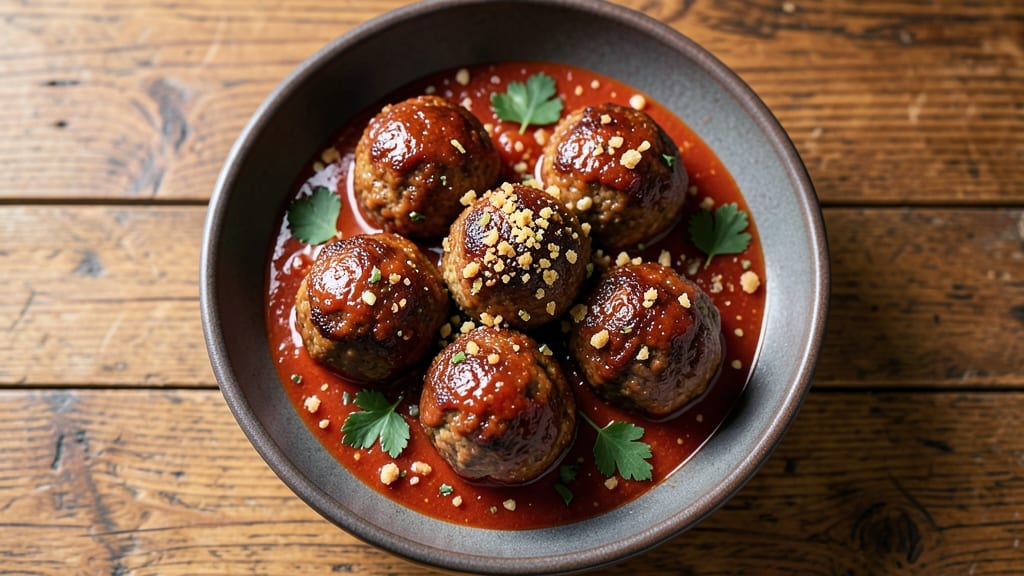
This Angus beef meatballs recipe delivers melt-in-your-mouth tenderness and a rich, herbed crust that transforms ordinary meatballs into a restaurant-worthy centerpiece. The secret lies in using high-quality beef and a precise technique that prevents drying—no more tough, flavorless bites.
I’ve perfected this method over years of testing, ensuring every meatball stays juicy and packed with umami depth.
The process starts with finely ground Angus beef, combined with breadcrumbs, egg, and aromatic herbs like parsley and thyme for that classic Italian-inspired flavor. What sets these apart is the two-step cooking method: first, pan-searing for a flavorful crust, then simmering in a light broth to lock in moisture.
This approach guarantees meatballs that are tender on the inside and perfectly browned on the outside.
By the end, you’ll have meatballs so rich and flavorful they’ll disappear from your plate in minutes. They pair beautifully with marinara sauce, creamy Alfredo, or even a bold balsamic reduction.
The herbed crust adds texture and aroma, making these ideal for feeding a crowd or elevating a simple weeknight dinner.
Whether you’re serving them as a main course or appetizer, these meatballs deliver the kind of quality that makes homemade cooking feel like a special occasion. Let’s get started—your taste buds will thank you.
Ingredients for angus beef meatballs
High-quality beef and aromatic herbs create restaurant-quality meatballs with a juicy interior and crisp herbed crust.
| Ingredient | Amount | Notes |
|---|---|---|
| Angus Beef Ground 🥩 | 1 ½ lb | Finely ground, 80/20 fat ratio preferred |
| Italian Seasoned Breadcrumbs 🍞 | ¾ cup | Panko works too for extra crispiness |
| Large Eggs 🥚 | 2 whole | Room temperature for even binding |
| Fresh Parsley 🌿 | ¼ cup | Finely chopped, stems included |
| Fresh Thyme Leaves 🌿 | 1 tbsp | Or 1 tsp dried thyme |
| Garlic Cloves 🧄 | 3 cloves | Minced, not pre-minced jarred |
| Extra-Virgin Olive Oil 🫒 | 1 tbsp | For pan-searing meatballs |
| Low-Sodium Chicken Broth 💧 | 1 ½ cups | For simmering, not water |
| Dry White Wine 🍷 | ¼ cup | Substitute with extra broth if needed |
| Diamond Crystal Kosher Salt 🧂 | 1 ½ tsp | Adjust to taste after cooking |
| Freshly Ground Black Pepper 🌶️ | 1 tsp | Cracked peppercorns preferred |
| Grated Parmesan Cheese 🧀 | ¼ cup | Freshly grated from block |
| All-Purpose Flour 🌾 | 2 tbsp | For dredging if needed |
The Angus beef makes all the difference here—80/20 fat ratio ensures juiciness, while finely ground texture prevents toughness. I always grab mine from Costco or Whole Foods where they sell it pre-ground for convenience. If you're buying whole cuts to grind yourself, look for well-marbled chuck roast. The herbs? Fresh parsley and thyme give that classic Italian vibe—Trader Joe's has great bundles, or snag them from your local market. Pro tip: Toast the breadcrumbs in a dry pan for 2 minutes before mixing—they'll add depth of flavor and extra crunch.
No Italian seasoned breadcrumbs? Mix panko with 1 tsp dried oregano and 1/2 tsp dried basil—it works even better. Fresh herbs out of reach? Dried thyme at 1/3 the amount gets you close, but fresh is ideal. Short on white wine? Chicken broth with 1 tbsp lemon juice mimics the acidity. The Parmesan should be freshly grated from a block—pre-grated gets clumpy. For the garlic, smash the cloves with the flat side of your knife first to release more flavor. And if your meatballs feel too wet when forming? Add 1 tbsp extra breadcrumbs—just mix gently to avoid overworking the beef.
These meatballs reheat beautifully—simmer in broth for 5 minutes or warm in a skillet with a splash of water. Store leftovers in the fridge for up to 4 days or freeze for 3 months. I like to portion them into single servings before freezing so I can grab and go. For serving, toss with marinara or Alfredo sauce—the herbed crust soaks up the sauce perfectly. Want to make ahead? Form the meatballs, refrigerate overnight, then cook fresh for even better flavor development.
Why You'll Love This Recipe
- No-Fuss Mixing: I swear by the 5-minute prep here—just toss the ground Angus, breadcrumbs, egg, and chopped herbs (parsley and thyme, because freshness matters) in a bowl. No food processor, no fuss, no stress. The breadcrumbs bind it all like magic.
- Rich, Herby Depth: That first bite? It’s what makes you go back for more. The Angus beef keeps it juicy and tender, while the Italian seasoned breadcrumbs add a savory crunch. The parsley and thyme? They’re the secret—bright, earthy, and just enough to make it feel special.
- Weeknight to Dinner Party: Honestly, these work everywhere. Toss them in marinara for a quick weeknight supper, or serve them on a platter with crusty bread for guests. My kids devour them straight from the pan, and my in-laws think I slaved over them. (Between us, I barely broke a sweat.)
- Leftovers That Don’t Suck: Most meatball recipes turn dry by day two, but not these. The fat in the Angus keeps them moist, and they reheat beautifully—whether tossed in pasta, stuffed in sandwiches, or just microwaved with a sprinkle of parsley. I make a double batch just for this reason.
Step-by-step instructions for juicy Angus beef meatballs
Here's how to craft perfectly tender meatballs with a crisp herbed crust every time.
Prepare the Meatball Mixture
In a large mixing bowl, combine the 1.5 lb angus beef ground with the 0.75 cup italian seasoned breadcrumbs, 2 whole large eggs, 0.25 cup finely chopped fresh parsley, 1 tbsp fresh thyme leaves, 3 minced garlic cloves, 1.5 tsp diamond crystal kosher salt, and 1 tsp freshly ground black pepper. Use your hands to gently mix everything until just combined—overworking the meat makes meatballs tough.
Here's the thing—don't skip the breadcrumbs. They create that perfect texture contrast between juicy interior and crisp exterior. I like to press the mixture lightly as I mix to help distribute the fat evenly throughout. The mixture should hold together when pressed but still feel slightly loose—this ensures tender meatballs that won't fall apart.
Form and Sear the Meatballs
Using your hands, roll the mixture into 1.5-inch diameter meatballs (about 12 total for 4 servings). I find using a small scoop helps create uniform sizes. Place them on a parchment-lined baking sheet and refrigerate for 15-20 minutes to firm up slightly—this prevents them from falling apart when you handle them.
Heat 1 tbsp extra-virgin olive oil in a large skillet over medium-high heat until shimmering. Working in batches to avoid crowding, add the meatballs and sear for 2-3 minutes per side until they develop a golden-brown crust. You'll know they're ready when the edges are crisp and the internal temperature reaches 145°F—use an instant-read thermometer to check the center of one meatball.
Simmer in Flavorful Broth
Pour the 1.5 cups low-sodium chicken broth and 0.25 cup dry white wine into the skillet with the seared meatballs. Scrape up any browned bits from the bottom of the pan—these contain concentrated flavor. Bring to a gentle simmer over medium heat and cover partially, allowing steam to circulate but not escape completely.
Simmer for 10-12 minutes, stirring occasionally, until the meatballs are cooked through and the sauce has slightly reduced. The liquid should coat the back of a spoon but still be saucy enough to cling to the meatballs. Here's where the magic happens—the wine and broth infuse the meatballs with deep umami flavor while keeping them impossibly juicy.
Finish with Parmesan Crust
Remove the meatballs from the skillet and transfer them to a serving platter. Sprinkle with the 0.25 cup grated parmesan cheese and return them to the skillet for 1-2 minutes to melt the cheese and create that signature crispy crust. The cheese should turn golden and slightly crispy around the edges—this is your visual cue that they're ready to serve.
For extra richness, stir the 2 tbsp all-purpose flour into the remaining sauce in the skillet to thicken it slightly, then drizzle this sauce over the meatballs before serving. These meatballs should be bursting with juicy beef, herby crust, and that perfect balance of savory and umami flavors in every bite.
Pro Tips For Making Angus Beef Meatballs
- CHILL THE MEAT FIRST: Angus beef is rich and tender, but it’s also hot from the package—sometimes straight from the butcher. Let it sit in the fridge for 10-15 minutes before handling. I learned this the hard way when my first batch turned greasy and fell apart because the fat didn’t distribute evenly. Cold meat mixes better and holds shape.
- TOAST THE BREADCRUMBS: Skip the raw breadcrumbs—they’ll turn mushy and glue your meatballs together like a sad meatloaf. Toast yours in a dry pan over medium heat for 2-3 minutes until golden and fragrant. The extra crunch makes a real difference, and it soaks up less moisture during cooking.
- DON’T OVERMIX THE PARSELY: Chop the parsley and thyme fine, but resist the urge to pulse them into oblivion in a food processor. You want visible texture, not a green paste. Hand-chopping gives you control—just snip the stems and tear the leaves. Over-processing turns your meatballs into a uniform gray blob.
- SEAR IN BATCHES: Crowding the pan is the fastest way to steam instead of sear. Use a 12-inch skillet and cook meatballs in single layers, spaced apart. If you’re frying more than a dozen, work in two batches—even if it takes longer. The Maillard reaction needs room to breathe, and rushed cooking leads to soggy interiors.
Make-ahead tips for this dish
Form Ahead for Flavor
Here’s my secret for next-level flavor: form the meatballs and refrigerate them overnight before cooking. The cold helps the ingredients meld, and the texture becomes even more cohesive.
I like to shape them into 1.5-inch balls, place them on a parchment-lined tray, cover with plastic wrap, and store in the fridge. When you’re ready to cook, let them sit at room temperature for 20 minutes—this prevents them from releasing moisture too quickly during searing. 💫
Freeze for Later Use
Make a double batch and freeze half for future meals! Portion the raw meatballs into single-serving sizes (about 4 meatballs per serving) on a tray lined with parchment paper. Once frozen solid, transfer them to quart-sized freezer bags or airtight containers.
They’ll keep for up to 3 months—just thaw overnight in the fridge before cooking as directed. I find this works especially well for game-day appetizers or busy weeknights.
Cook from Frozen
No time to thaw? No problem. Cook the meatballs straight from frozen—just add 2-3 extra minutes to the searing time (about 5-6 minutes per side) to ensure they brown properly. The internal temperature should still reach 145°F.
After searing, simmer them in the broth for 15-18 minutes instead of the usual 10-12 minutes to ensure they’re fully cooked through. The result? Still juicy and packed with flavor, even if you’re short on time. ⏰
Reheat Like a Pro
Leftover meatballs reheat beautifully—simmer in broth for 5 minutes or warm in a skillet with a splash of water or broth to keep them moist.
For the microwave method, place them on a plate with a damp paper towel and heat on 70% power for 1-2 minutes, stirring halfway through. Avoid overcooking, or they’ll dry out. I also love tossing reheated meatballs in a quick garlic butter sauce for a restaurant-style upgrade. 🔥
Storage Tips
Store cooked meatballs in an airtight container in the fridge for up to 4 days. For longer storage, freeze them in a single layer on a tray first (to prevent clumping), then transfer to a freezer bag.
When reheating from frozen, add 1 extra minute to the simmering time to ensure they’re fully warmed through. Pro tip: Label your containers with the date—trust me, you’ll forget otherwise! ❄️
Nutrition facts
Frequently asked questions
Why does this recipe use 80/20 fat ratio beef instead of leaner cuts?
The 80/20 fat ratio in Angus beef is key for juicy meatballs that don't dry out. The fat renders during cooking, keeping the interior moist while creating a rich, flavorful crust. Lean cuts (like 90/10) often result in tough, dry meatballs—this ratio ensures every bite stays tender and packed with beefy flavor.
Can I make these meatballs in the oven instead of pan-searing?
Preheat your oven to 400°F and bake the formed meatballs on a parchment-lined tray for 18-20 minutes, flipping halfway. For extra crispiness, broil for 1-2 minutes at the end. The oven method works great for larger batches and is less messy than stovetop searing.
What's the best way to prevent meatballs from falling apart?
Don't overwork the mixture when combining ingredients, and avoid adding too much liquid. The 15-20 minute chill before cooking helps firm them up. Also, handle the meatballs gently when transferring to the pan—use a spatula rather than your hands to minimize breakage.
How do I adjust this recipe for a slow cooker?
Brown the meatballs first in a skillet, then transfer them to your slow cooker with 1 cup broth and 0.25 cup wine. Cook on low for 3-4 hours or high for 1.5-2 hours until tender. The slow cooker keeps them impossibly juicy—just avoid overcooking or they'll turn mushy.
What's the best sauce pairing for these rich meatballs?
For classic flavor, try a light tomato sauce with fresh basil or a creamy Alfredo with white wine. The herbed crust pairs beautifully with tangy or rich sauces that complement the beef's depth. For something different, a balsamic reduction works surprisingly well with the umami notes.