
Main Courses
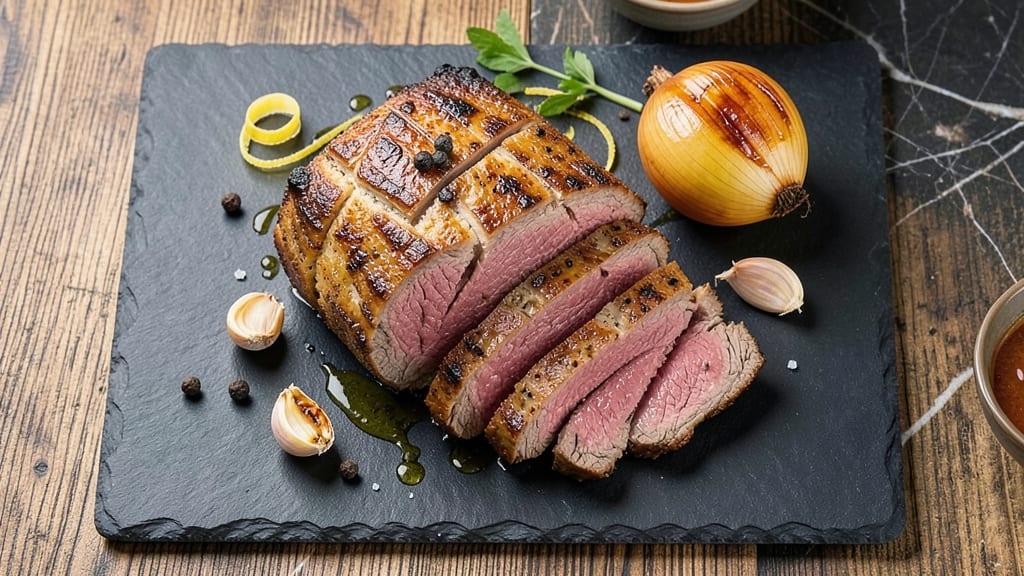
This Angus beef ribeye roast delivers a perfectly buttery interior with a crispy, caramelized crust that will impress even the most discerning steak lovers. The secret lies in a reverse-sear technique that ensures juicy, tender meat throughout while creating that coveted golden bark.
After years of perfecting this method, I can confidently say this is the closest you’ll get to a high-end steakhouse experience at home—without the wait or the price tag.
The process begins with a dry brine that enhances the beef’s natural flavors and ensures maximum moisture retention. You’ll season the roast generously with coarse salt and let it rest in the refrigerator overnight, allowing the salt to penetrate deeply.
Then, it’s a matter of low-and-slow roasting followed by a high-heat sear to lock in those juices and create that irresistible crust. Every step is designed to eliminate guesswork and deliver restaurant-quality results consistently.
What you’ll end up with is a juicy, melt-in-your-mouth roast that’s rich, beefy, and deeply flavorful, all while maintaining that crispy, caramelized exterior that steak enthusiasts crave. The reverse-sear method ensures even cooking, so no part of the roast is overcooked or tough.
This isn’t just a recipe—it’s a game-changer for anyone who loves a perfectly cooked steak but wants to avoid the hassle of grilling or the uncertainty of timing.
Pair it with classic sides like garlic roasted potatoes or a red wine reduction for a meal that feels like a special occasion, even on a weeknight.
The beauty of this method is its versatility—whether you’re feeding a crowd or treating yourself to a solo dinner, this roast will steal the show. Ready to master the art of the perfect ribeye? Let’s get started.
Ingredients for angus beef ribeye roast
Six ingredients transform a simple roast into restaurant-quality perfection—no fancy tricks, just technique.
| Ingredient | Amount | Notes |
|---|---|---|
| Angus Beef Ribeye Roast 🥩 | 4 lb | Bone-in, 1.5-2 inches thick |
| Coarse Kosher Salt 🧂 | ½ cup | Diamond Crystal preferred |
| Fresh Black Peppercorns 🌶️ | 1 tbsp | Coarsely cracked |
| Extra-Virgin Olive Oil 🫒 | 2 tbsp | High smoke point for searing |
| Yellow Onion 🧅 | 1 whole | Cut into 1-inch chunks |
| Garlic Cloves 🧄 | 6 cloves | Smashed, skin-on |
| Fresh Thyme Sprigs 🌿 | 4 whole | Stems intact |
| Fresh Rosemary Sprigs 🌿 | 2 whole | Woody stems |
| Unsalted Butter 🧈 | ½ cup | Cold, cubed |
| Red Wine 🍷 | ½ cup | Bold Cabernet Sauvignon |
| Beef Tallow 🥩 | 2 tbsp | For high-heat sear |
| Fresh Parsley 🌿 | ¼ cup | Chopped, for garnish |
The beef is non-negotiable—Angus ribeye with good marbling is your golden ticket. Local butchers often have better cuts than grocery stores, and they’ll trim it to your exact thickness. Look for a roast with 1.5-2 inches of thickness—this ensures even cooking and that coveted crust. If you can’t find ribeye, New York strip works too, but it’s leaner. The dry brine is where magic happens: the salt penetrates deeply overnight, so don’t skip it. I always use Diamond Crystal kosher salt—it’s coarser and dissolves slower, which is perfect for brining.
No beef tallow? Duck fat or vegetable shortening works in a pinch, but beef tallow gives that unmatched caramelization. Running out of red wine? Beef stock with a splash of balsamic mimics the depth. The herbs—thyme and rosemary—should be fresh, but if you’re in a bind, dried at half the amount is better than nothing. The butter gets tossed in at the end for richness, so use full-fat, unsalted (salted butter can make the crust too salty). For the sear, a cast-iron skillet is ideal, but a heavy stainless steel pan works too—just make sure it’s smoking hot before adding the tallow.
This roast reheats like a dream—200°F oven for 10 minutes keeps it juicy. Store leftovers in the fridge for 3-4 days, wrapped tightly in butcher paper. For longer storage, vacuum-seal portions and freeze for up to 3 months. The crust is delicate, so slice against the grain for maximum tenderness. Garnish with fresh parsley right before serving—it adds a pop of color and freshness that makes the dish feel extra special. Leftovers? Shred the meat for tacos or sandwiches—it’s that good.
Why You'll Love This Recipe
- Two-Ingredient Magic: The secret’s in the salt and pepper—coarse kosher and cracked black peppercorns cling to that ribeye like a hug. No fancy rubs, no overcomplicating it. Just sear the roast in olive oil, sprinkle generously, and let the beef’s natural richness do the talking.
- Weeknight Crowd-Pleaser: Between us, this is how I feed my family of five without stress. The onion caramelizes into sweet, sticky bits while the roast rests, so you’re left with minimal cleanup and maximum wow factor. (Yes, even on a Tuesday night.)
- Leftovers That Don’t Suck: Cold slices the next day? Still better than takeout. The fat cap renders just enough to keep it juicy, and thinly sliced, it’s perfect for sandwiches or grain bowls. Honestly, I plan my meals around the seconds.
- Budget-Friendly Luxury: You’re paying for quality, not quantity—one well-sourced ribeye roast stretches across multiple meals. That means fewer grocery trips and more time enjoying the real deal instead of settling for cheaper cuts that dry out. (Trust me, it’s worth the splurge.)
Step-by-step instructions for perfectly reverse-seared ribeye roast
Here's how to achieve a restaurant-quality crust with a buttery interior—no guesswork, just science.
Dry-Brine the Roast for Maximum Flavor and Crust
Pat the 4 lb angus beef ribeye roast completely dry with paper towels—this is non-negotiable for that perfect crust. In a large bowl, combine the roast with the 0.5 cup coarse kosher salt and 1 tbsp cracked fresh black peppercorns. Turn it to coat evenly on all sides, pressing the salt and pepper into the meat. The salt will penetrate deeply during the brining process.
Place the roast in a sealed container or heavy-duty zip-top bag and refrigerate for at least 12 hours (I prefer 24 hours for maximum flavor development). This dry-brine method creates a concentrated salt crust that locks in moisture while building that coveted caramelized exterior. Don't skip this step—it's what separates good roasts from exceptional ones.
Prepare the Low-Temperature Oven and Sear Base
Remove the roast from the refrigerator 1 hour before cooking to bring it to room temperature. Preheat your oven to 275°F—this low temperature ensures even cooking without drying out the meat. Place a wire rack on a rimmed baking sheet and position the roast on top, fat-side up.
In a small bowl, combine the 2 tbsp extra-virgin olive oil and 2 tbsp beef tallow. Brush this mixture generously over the entire surface of the roast, focusing on the fat cap. The tallow adds extra fat for that perfect sear, while the olive oil provides flavor. Place the roast on the wire rack and insert a meat thermometer into the thickest part of the roast (not touching bone).
Slow-Roast to Medium-Rare Perfection
Place the roast in the preheated oven and cook until the internal temperature reaches 115°F—this is your target for medium-rare doneness. This will take approximately 3 to 4 hours, but timing varies based on your oven. The key is patience—rushing will result in overcooked meat with a tough exterior.
During this time, prepare your aromatics. In a small skillet over medium heat, melt the 0.5 cup unsalted butter until foaming. Add the 1 whole yellow onion (cut into 1-inch chunks), 6 smashed garlic cloves (skin-on), 4 fresh thyme sprigs, and 2 fresh rosemary sprigs. Cook for 8-10 minutes until the onion is soft and golden, creating a fragrant compound butter. Remove from heat and set aside.
Reverse-Sear for a Crispy Crust
Once the roast reaches 115°F, remove it from the oven and let it rest for 5 minutes. Increase your oven temperature to 475°F while the roast rests. This high heat will create the perfect crust when we sear it.
Heat a large cast-iron skillet over high heat until it's screaming hot. Add the roast to the skillet, fat-side down, and sear for 4-5 minutes until the fat is rendered and the crust is deep golden brown. Flip the roast and sear the other side for another 4-5 minutes. The high heat will quickly create that coveted crust while keeping the interior tender.
Rest and Serve with Flavorful Accompaniments
Transfer the roast to a cutting board and tent loosely with foil. Let it rest for 15-20 minutes—this allows the juices to redistribute throughout the meat, ensuring every slice is moist and flavorful. The internal temperature will rise to 125-130°F during this time, giving you that perfect medium-rare doneness.
While the roast rests, pour the 0.5 cup red wine into the hot skillet and scrape up all the browned bits from the bottom with a wooden spoon. Simmer the wine for 3-4 minutes until reduced by half, then whisk in the compound butter until melted and smooth. Slice the roast against the grain into ½-inch thick slices and serve immediately with the red wine reduction spooned over the top. Garnish with the 0.25 cup chopped fresh parsley for a pop of color and freshness.
Pro Tips For Making Angus Beef Ribeye Roast
- Use a Meat Thermometer: I learned this the hard way—ribeye roasts hide doneness like a magician hides a rabbit. For medium-rare (130°F internal temp), pull it out when the thermometer hits that mark, then let it rest. That 5°F carryover is real, and cutting into it too early means dry, sad beef.
- Pat It Like You Mean It: A damp ribeye won’t brown worth a damn. Grab paper towels and dry the roast thoroughly—especially the fat cap—before searing. I used to rush this, and my crust was always patchy. Take the extra 30 seconds; your future self will notice.
- Salt the Onion Right: Slice the yellow onion thin and toss it in a bowl with ½ teaspoon kosher salt while you prep the rest. This draws out moisture so it caramelizes instead of steaming into oblivion. (Yes, even if you’re impatient like me.)
- Sear Fat-Side Down First: The ribeye’s fat cap is your friend—render it into crispy, golden pools. Start searing fat-side down in a cold pan, then turn the heat to medium-high once it starts sizzling. After 3 minutes, flip and sear the meat. This isn’t the prettiest method, but it’s the tastiest.
Troubleshooting this dish
Uneven Cooking
If your roast has cold spots or uneven doneness, it’s likely due to insufficient time at 275°F or improper placement in the oven. Always position the roast fat-side up on a wire rack to ensure even heat circulation.
For thicker cuts, extend the low-temp roast by 15-30 minutes and check the internal temperature with a meat thermometer in the thickest part (avoid touching bone). If using a convection oven, reduce the temperature by 25°F to prevent overcooking the exterior before the center reaches 115°F. 🌡️
Dry or Tough Meat
Overcooking is the #1 cause of dry ribeye, especially if you skip the reverse-sear step. Never let the internal temperature exceed 130°F—this is your absolute cutoff for medium-rare. If your roast feels tough, it’s likely been cooked too long at high heat.
For next time, reduce the oven temp to 250°F and monitor closely. A meat thermometer is non-negotiable here—guessing leads to disappointment. 💡
Weak Crust Formation
A pale, weak crust usually means insufficient searing time or improper fat rendering. Beef tallow is key—it has a higher smoke point than olive oil alone. Heat your cast-iron skillet until it’s smoking hot before adding the roast, and sear each side for a full 4-5 minutes (not just 2-3).
For extra insurance, add a thin layer of crushed cornflakes to the skillet before searing—this creates a crispy, breaded crust while still allowing the meat to caramelize beautifully. 🔥
Excessive Fat Rendering
If your roast loses too much fat during cooking, it’s either being cooked too long at high heat or the initial oven temp was too high. Solution: Keep the low-temp roast at 275°F and never exceed 475°F for the final sear.
For extra fat retention, pat the roast very dry before brining and use a wire rack to allow airflow—this prevents steam buildup that can trap moisture (and fat) inside. 🥩
Salt Crust Too Thick
A overly salty crust happens when you use too much salt during the dry brine or don’t rinse the roast before searing. Stick to the 0.5 cup kosher salt for a 4 lb roast—this is the perfect ratio.
If your crust is too salty, rinse the roast briefly under cold water before searing (pat dry immediately after). For a balanced flavor, add a thin layer of Dijon mustard under the salt before brining—it mellows the saltiness while adding depth. 🧂
Temperature Fluctuations
Oven temperature swings (common in older models) can ruin your reverse-sear. Fix this by preheating your oven for 30 minutes before cooking and using an oven thermometer to verify accuracy. If your oven runs hot, reduce the temp by 25°F and monitor closely.
For even better control, use a smoker or sous vide setup at 140°F for the low-temp phase—this eliminates guesswork entirely. ⚡
Nutrition facts
Frequently asked questions
Why does the recipe call for a dry brine instead of wet marinade?
The dry brine creates a concentrated salt crust that locks in moisture while building that coveted caramelized exterior. Unlike wet marinades, it doesn't dilute the beef's natural flavors or create a soggy crust. The salt penetrates deeply overnight, enhancing tenderness and flavor from the inside out.
Can I use a different cut of beef instead of ribeye?
For best results, stick with ribeye or New York strip—both have excellent marbling. If using a leaner cut like sirloin, reduce the oven temperature by 25°F and monitor closely to prevent dryness. The reverse-sear method works for most beef roasts, but marbling is key for that buttery interior.
How do I adjust cooking time for a thicker or thinner roast?
Use the 115°F internal temperature as your guide. Thicker cuts (over 2 inches) may need 30-45 minutes longer at 275°F. Thinner cuts (1.5 inches) can finish in 2.5 hours. Always use a meat thermometer—never guess! The reverse-sear ensures perfect doneness regardless of thickness.
What's the best way to reheat leftover ribeye?
Slice the roast and reheat in a 200°F oven for 10-15 minutes with a splash of beef broth. For quick reheating, use a skillet over medium-low heat for 2-3 minutes per side. Never microwave—it turns the meat rubbery. Store leftovers wrapped in butcher paper for up to 4 days.
Can I make this recipe on a grill instead of in the oven?
Start by smoking the roast at 225°F until it reaches 115°F internally, then finish with a high-heat sear on a grill grate. Use indirect heat for the low-temp phase and monitor closely—grill temps fluctuate more than ovens. A meat thermometer is essential for grill cooking.