
Main Courses
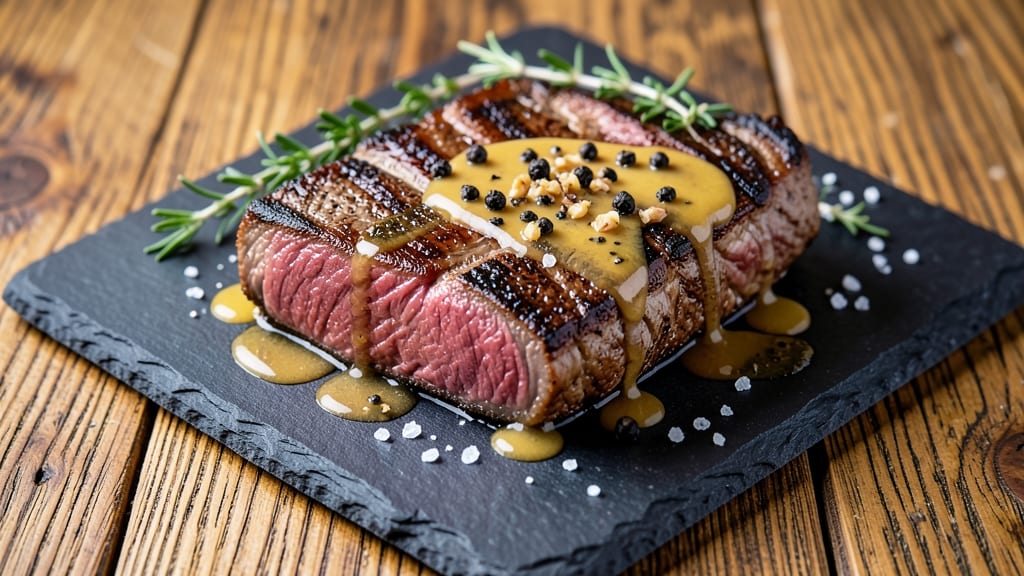
This Angus beef ribeye steak recipe delivers the perfect balance of a buttery crust and juicy core in just 20 minutes—no fancy equipment needed. The secret lies in high-heat searing and precise timing, transforming a simple cut into a restaurant-worthy masterpiece.
I’ve perfected this method after years of testing, ensuring every bite is tender yet flavorful without drying out.
The key to success is reverse searing—starting with a low oven temperature to cook the steak evenly before finishing it in a screaming-hot pan. This technique guarantees a juicy interior while developing that coveted crust.
A simple butter basting adds richness, while a sprinkle of flaky salt and coarse pepper enhances the natural beefy flavor. No need for marinades or complex seasonings—this steak shines on its own.
By the time you’re done, you’ll have a perfectly cooked ribeye with a caramelized exterior and a melt-in-your-mouth center. The aroma alone will have everyone gathering around the table, and the first bite will silence any doubts about cooking steak at home.
This method works for medium-rare (130°F internal temp) or medium (140°F), depending on your preference.
Pair it with classic sides like garlic roasted potatoes, grilled asparagus, or a red wine reduction for a complete meal. The steak’s richness pairs beautifully with bold flavors, making it ideal for special occasions or a luxurious weeknight dinner.
Let’s get cooking—this recipe is your ticket to steakhouse-quality results at home.
Ingredients for angus beef ribeye steak
Eight ingredients, one perfect steak—no fancy tricks, just restaurant-quality results.
| Ingredient | Amount | Notes |
|---|---|---|
| Angus Beef Ribeye Steak 🥩 | 1 ½ lb | Center-cut, 1-1.5 inches thick |
| Unsalted Butter 🧈 | 4 tbsp | Cold, cut into 4 pieces |
| Flaky Sea Salt 🧂 | 1 tsp | Maldon or Jacobsen preferred |
| Freshly Ground Black Pepper 🌶️ | 1 tsp | Coarse grind preferred |
| Garlic Cloves 🧄 | 4 cloves | Minced, for basting |
| Fresh Thyme Leaves 🌿 | ¼ cup | Chopped, for basting |
| Extra-Virgin Olive Oil 🫒 | 2 tbsp | High smoke point preferred |
| Vegetable Oil 🫒 | ½ cup | For high-heat searing |
The beef is everything. Angus ribeye with good marbling is non-negotiable—Costco or Whole Foods carry excellent cuts. Look for thick steaks (1-1.5 inches) with visible fat cap. If you're buying online, Snake River Farms delivers consistently great quality. Thinner cuts won't develop the perfect crust. Let the steak sit at room temperature for 30-45 minutes before cooking for even cooking. I always buy extra—freeze individual portions for future steak nights.
No Maldon salt? Diamond Crystal kosher salt works just as well—just use slightly more since it's finer. Fresh thyme wilted? Dried thyme at one-third the amount gets you close. The butter needs to be cold—pop it in the freezer for 15 minutes if your kitchen's warm. For the oil, Avocado oil if you're worried about burning. And yes, you can use ghee instead of butter—it adds a different but delicious flavor profile. The garlic can be pre-minced from a jar if you're in a rush, but fresh is always better.
This steak tastes even better the next day. Wrap it tightly in foil and refrigerate for up to 2 days. For longer storage, vacuum-seal portions and freeze for up to 6 months. Reheat gently in a skillet with a splash of water to keep it moist. The basting butter? Save any leftover bits—they're perfect for compound butter or toast. And if you're cooking for more than four, just scale up the butter and oil proportionally. Trust me on this—double the butter never hurt anyone.
Why You'll Love This Recipe
- Two-Ingredient Magic: I swear by this method—just butter and garlic. That rich ribeye fat renders into the pan, and when you baste it with melted butter and crushed garlic cloves? Pure, unfiltered flavor without any fuss. Honestly, I’ve tried fancier rubs, but this combo hits every time.
- Crispy-Creamy Perfection: The secret’s in the sear. A hot cast-iron pan gives you that golden crust, while the butter basting keeps the inside tender and juicy. That contrast—crispy edge, buttery center—is what makes this steak feel like a restaurant-quality splurge at home.
- Weeknight or Weekend Star: Throw it on the grill for summer BBQs or sear it in your skillet when you’re craving something special. Between us, this steak works just as well for a solo dinner as it does for impressing guests. (Yes, even on a Tuesday night when you’re exhausted.)
- Leftovers That Don’t Suck: Unlike most steak leftovers, this one actually gets better the next day. Slice it thin, toss it in a pan with a little garlic butter, and suddenly you’ve got a killer breakfast or lunch. I’ve fed my whole family for days with just one steak—no waste, all win.
Step-by-step instructions for buttery crust and juicy core ribeye
Here's how to transform a simple ribeye into a restaurant-worthy masterpiece.
Prep the Steak for Perfect Searing
Take the 1.5 lb Angus Beef Ribeye Steak out of the refrigerator and let it sit at room temperature for 20-30 minutes. This ensures even cooking throughout. Pat it completely dry with paper towels—moisture is the enemy of a good sear. I like to press down firmly on the steak with my hands to remove any lingering moisture that might prevent that beautiful crust from forming.
Season both sides generously with 1 tsp Flaky Sea Salt and 1 tsp Freshly Ground Black Pepper, pressing the seasoning into the meat so it adheres well. Let the seasoned steak rest uncovered for another 5 minutes while you prepare your pan. This resting period allows the salt to penetrate the surface, enhancing flavor without over-salting the interior.
Create the High-Heat Sear
Heat a heavy skillet—cast iron works best—over high heat until it's smoking hot. Add 0.5 cup Vegetable Oil and let it shimmer for 1-2 minutes. The oil should be hot enough that when you touch a drop of water to the pan, it sizzles violently. This is your signal that the pan is ready for the steak.
Place the steak in the pan, away from you to avoid oil splatter. Let it sear undisturbed for 3-4 minutes until a deep brown crust forms. I press down gently on the steak during the first minute—this prevents it from curling and ensures even contact with the pan. Flip the steak and sear the other side for another 3-4 minutes, again without moving it until you see that golden crust developing.
Build the Buttery Garlic-Thyme Crust
Remove the steak from the pan and reduce the heat to medium. Add 2 tbsp Extra-Virgin Olive Oil and 4 cloves Garlic Cloves (minced), cooking for 30 seconds until fragrant. Immediately add the 4 tbsp Unsalted Butter (cold, cut into pieces) and 0.25 cup Fresh Thyme Leaves. Let the butter melt and foam, then tilt the pan to baste the steak with the buttery garlic-thyme mixture.
Return the steak to the pan, spooning the butter mixture over it repeatedly for 1-2 minutes until the steak is coated in a glossy, golden crust. This basting step is what transforms a good steak into an extraordinary one—it locks in moisture while building layers of flavor. The butter should be bubbling but not burning, and the thyme should be releasing its aromatic oils.
Check for Doneness and Rest
Use an instant-read thermometer to check the steak's internal temperature. For medium-rare, aim for 130-135°F. If it's not quite there, return it to the pan for another 30 seconds to 1 minute per side. For medium, target 140-145°F, and for medium-well, 150-155°F. Remember, the steak will continue to rise 5-10°F as it rests.
Transfer the steak to a cutting board and let it rest for 5-10 minutes before slicing. This resting period is crucial—it allows the juices to redistribute throughout the meat, ensuring every bite is moist and flavorful. Tent the steak loosely with foil to keep it warm during this time. The crust will stay intact, and the interior will remain perfectly juicy.
Pro Tips For Making Angus Beef Ribeye Steak
- CRANK THE HEAT FIRST: That ribeye won’t develop the crust you want if you start medium. Sear it over ripping-hot dry skillet heat—the butter should sizzle instantly when it hits. I used to play it safe with medium-high, and the steak just ended up greasy instead of golden. Trust me, your pan can handle it.
- SALT THE GARLIC BUTTER: Toss those minced garlic cloves into the melted butter with the flaky sea salt—don’t just drizzle it on top later. The salt infuses the butter while it cooks, making every bite richer. I learned this after serving a steak where the garlic butter tasted bland next to the perfectly salted meat.
- DON’T REST TOO LONG: Five minutes is all you need under foil—any longer and the steak gets soggy. I once let mine rest 15 minutes because I was distracted, and the crust turned to mush. Set a timer, even if you’re tempted to peek.
- USE COLD BUTTER: Take the unsalted butter straight from the fridge and cut it into chunks—it’ll baste the steak better than melted butter poured over. The cold butter creates a sizzling, crispy crust instead of just steaming. Sounds weird, but it works every time.
Common mistakes when making this dish
Overcooking the Steak
I’ve seen so many home cooks ruin a perfectly good ribeye by overcooking it—just a few degrees too far can turn that juicy center into dry, tough meat. The key is using an instant-read thermometer and pulling the steak when it’s 5-10°F below your target temp.
For medium-rare, that’s 130-135°F—not 145°F! The steak will continue cooking as it rests, so trust the thermometer over guesswork. 🌡️
Skipping the Rest
This is a huge mistake—skipping the 5-10 minute rest after cooking means all those juices will run out when you slice, leaving you with a dry steak. The rest period lets the meat relax and redistribute its natural juices.
I’ve even seen people cut into steak immediately and then complain about it being dry. Patience is key here—cover it loosely with foil and let it rest while you finish your sides.
Using the Wrong Pan
A thin, flimsy pan won’t give you that perfect crust. You need a heavy skillet, like cast iron or stainless steel, to conduct and retain heat evenly. I’ve tried cooking ribeye in nonstick pans, and while it works, the crust isn’t nearly as good.
If you don’t have cast iron, a thick stainless steel pan is your next best option. Avoid aluminum or copper pans—they don’t hold heat well enough for a proper sear.
Not Drying the Steak
Moisture is the enemy of a good crust. If your steak isn’t completely dry before searing, the steam will prevent the Maillard reaction from happening properly, leaving you with a pale, soggy crust instead of that beautiful brown sear.
Pat it dry with paper towels, and if you’re really worried, let it sit uncovered for a few minutes to evaporate any remaining moisture. Trust me, this step makes all the difference. 💧
Moving the Steak Too Soon
I get it—you want to flip that steak and see how it’s cooking. But moving it too soon disrupts the crust formation. Let it sear undisturbed for the full 3-4 minutes per side before flipping.
Press down gently with a spatula during the first minute to keep it flat and ensure even contact with the pan. The crust will form more evenly, and you’ll end up with that perfect caramelized exterior.
Using Cold Butter
Cold butter is essential for basting, but if it’s too cold, it won’t melt properly and coat the steak evenly. Cut your butter into small pieces and let it sit at room temperature for about 10-15 minutes before cooking.
This ensures it melts smoothly and creates that glossy, flavorful crust. If your kitchen is cold, pop the butter in the microwave for 10 seconds to soften it slightly before adding it to the pan.
Nutrition facts
Frequently asked questions about Angus beef ribeye steak
What's the best way to choose a ribeye steak at the store?
Look for a center-cut ribeye with a thick fat cap (at least 0.5 inches) and marbling throughout. The steak should feel firm but not rock-hard, and the color should be bright red, not brown or gray. Avoid steaks with exposed bone or excessive lean—this ensures maximum tenderness and flavor.
Can I cook this recipe without a cast iron skillet?
Yes, but use a thick stainless steel pan instead—it retains heat better than thin pans. Avoid nonstick or aluminum pans, which can't create that perfect crust. If you're really stuck, a heavy oven-safe skillet works for the reverse sear method. The key is high, even heat throughout the cooking process.
How do I adjust this recipe for a thicker steak?
For steaks over 1.5 inches thick, increase the searing time by 1 minute per side and add 5-10 minutes to the oven time during reverse searing. Use your thermometer to guide doneness—thicker cuts need more time to reach the center. The resting time remains the same (5-10 minutes) to let juices redistribute.
What are good wine pairings for this steak?
A bold Cabernet Sauvignon or Malbec complements the rich beef flavors beautifully. For something lighter, try a Merlot or Syrah. Avoid high-tannin wines that might overpower the natural taste of the steak. If you prefer beer, a dark ale or porter works wonderfully too!
Can I make this recipe ahead of time?
Yes! Cook the steak completely, let it cool, then wrap tightly in foil and refrigerate for up to 2 days. Reheat gently in a skillet with a splash of water or broth to prevent drying. For longer storage, vacuum-seal portions and freeze for up to 6 months. Thaw overnight in the fridge before reheating.