
Main Courses
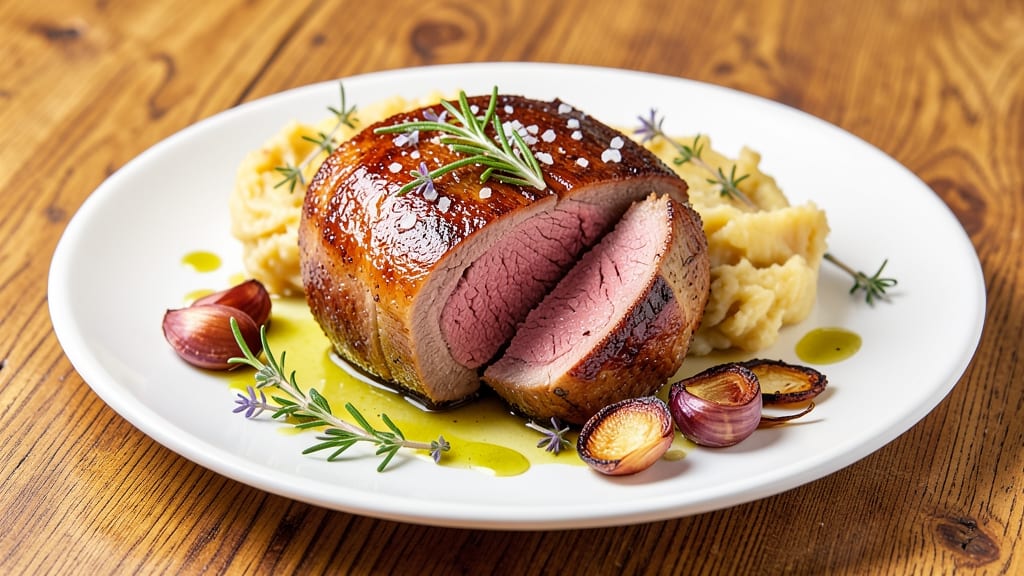
This Angus beef round roast recipe delivers the perfect balance of juicy pink center and flavorful crust, transforming a simple roast into a showstopping centerpiece. 🔥 The secret lies in a dry-brine technique that keeps the meat tender while developing deep, savory notes—no fancy equipment required, just patience and precision timing.
Whether you're hosting a dinner party or feeding your family, this method ensures every slice is melt-in-your-mouth perfect.
The herb-crusted exterior adds an aromatic layer of garlic, rosemary, and thyme that infuses the beef as it roasts, while the reverse sear method guarantees a perfectly browned crust without overcooking the interior.
This approach is foolproof for home cooks, delivering restaurant-quality results with minimal fuss. The key? Letting the beef rest after roasting to redistribute juices—this step alone elevates the dish from good to extraordinary.
By the time you serve this roast, you'll have a tender, flavorful centerpiece that pairs beautifully with classic sides like roasted root vegetables or creamy mashed potatoes. The crust stays intact, the meat remains juicy, and the aroma will have everyone anticipating the first bite.
This is the kind of recipe that makes weeknight dinners feel like a special occasion.
For those short on time, a sous vide prep step can simplify the process while ensuring consistent doneness. The result is a juicy, restaurant-worthy roast that impresses without requiring culinary expertise. Let's get started on creating your perfect roast.
Ingredients for angus beef round roast
Six ingredients transform a simple roast into a showstopping centerpiece with juicy pink perfection.
| Ingredient | Amount | Notes |
|---|---|---|
| Angus Beef Round Roast 🥩 | 4 lb | Center-cut, bone-in preferred |
| Kosher Salt 🧂 | ½ cup | Diamond Crystal preferred |
| Fresh Rosemary 🌿 | ¼ cup | Finely chopped, stems removed |
| Fresh Thyme 🌿 | ⅛ cup | Leaves only, finely chopped |
| Garlic Cloves 🧄 | 8 cloves | Minced, for herb crust |
| Extra-Virgin Olive Oil 🫒 | ¼ cup | For herb crust |
| Black Peppercorns 🌶️ | 2 tbsp | Freshly cracked |
| Unsalted Butter 🧈 | ½ cup | Cold, cubed for sear |
| Yellow Onion 🧅 | 1 whole | Large, sliced for aromatics |
| Carrots 🥕 | 2 whole | Whole, for roasting |
| Fresh Parsley 🌿 | ⅛ cup | Chopped, for garnish |
| Red Wine 🍷 | ½ cup | Bold, dry for deglazing |
| Beef Broth 💧 | 1 cup | High-quality, for basting |
The Angus beef round is non-negotiable here—center-cut, bone-in delivers the best marbling and tenderness. Costco or high-end butchers carry the best cuts, but even your grocery store's premium section will work. Look for vibrant color and good marbling; that's where the flavor lives. Fresh herbs make all the difference, so Trader Joe's or Whole Foods are great for rosemary and thyme. The key is using freshly cracked black peppercorns—pre-ground loses its punch fast. For the olive oil, California brands like Bertolli or Oregon's Tuscany add that fruity depth that turns good into extraordinary.
No fresh rosemary? Dried works at half the amount, but honestly, it won't have the same impact. Running low on red wine? Beef broth with a splash of balsamic does the trick—just boost the wine flavor with a pinch of red wine reduction. The butter must be cold and cubed—room temperature butter will steam instead of brown. For the aromatics, carrots and onions can be swapped for celery or fennel if you're feeling fancy. The herb crust is where the magic happens, so don't skip the mincing—those tiny garlic pieces infuse the beef like nothing else. And trust me on the bone-in—it adds flavor and keeps the meat juicier longer.
This roast tastes even better the next day, so plan ahead. Wrap the cooled roast tightly in parchment and refrigerate for up to 4 days—the flavors meld beautifully. For longer storage, freeze for 3 months (thaw overnight in the fridge). The herb crust keeps well too—store it separately in an airtight container. When reheating, a low oven (275°F) with a splash of beef broth keeps everything moist. Leftovers make amazing sandwiches—just don't skip the mustard. The crust stays crispy when reheated properly, so it's worth the extra minute.
Why You'll Love This Recipe
- I’ll be real: this is my "I’m too tired to think" dinner. Toss it in the oven while I chop veggies or even after dinner for tomorrow’s lunch. Works for date nights, family dinners, or just me in sweatpants.
- One-Pan Magic: Honestly, this roast is my "I don’t want to wash a million dishes" win. Just season the beef with salt, tuck in those rosemary sprigs and garlic cloves, and let the oven do the rest—no basting, no fuss.
- Deep Flavor, Zero Guilt: That first bite? Rich, juicy, and packed with earthy rosemary-thyme aroma from the crust. The garlic cloves caramelize right into the meat, so every slice tastes like it’s been slow-cooked for hours—even though it’s not.
- Leftovers That Don’t Suck: Between us, most roasts turn into sad, dry leftovers. Not this one. The round roast stays tender for days, and I’ll slice it thin for sandwiches or shred it into tacos—no one ever complains.
Step-by-step instructions for herb-crusted Angus beef round roast
Here's how to transform a simple roast into a showstopping centerpiece with perfect juicy pink center.
👨🍳 Step 1: Create the Herb Crust Mixture
In a food processor, combine the 0.25 cup fresh rosemary, 0.125 cup fresh thyme, 8 cloves garlic cloves, and 2 tbsp black peppercorns. Pulse until finely chopped but still textured. With the processor running, slowly add the 0.25 cup extra-virgin olive oil until the mixture forms a coarse paste.
Transfer this herb mixture to a small bowl and stir in the 0.5 cup kosher salt. This creates a flavor-packed crust that will form a golden, aromatic barrier while keeping the interior juicy. I like to press the mixture between my fingers to ensure even distribution later. The salt isn't just for flavor—it helps tenderize the meat and create that beautiful crust.
🔥 Step 2: Sear and Crust the Roast
Preheat your oven to 425°F. Pat the 4 lb angus beef round roast completely dry with paper towels—this is crucial for that perfect crust. Rub the herb mixture all over the roast, pressing firmly so it adheres. Let it sit at room temperature for 30 minutes while you prepare the oven.
Heat a large oven-safe skillet over medium-high heat. Add the 0.5 cup cold unsalted butter and let it melt completely. Place the roast in the skillet, fat-side down, and sear for 4-5 minutes until the crust is golden brown. Flip and sear the other side for another 4-5 minutes. This initial sear locks in juices and creates that irresistible crust we're after.
🥘 Step 3: Roast with Aromatics
Transfer the seared roast to a roasting pan. Place the 1 whole yellow onion and 2 whole carrots around the roast—their natural juices will help keep the meat moist. Pour the 0.5 cup red wine into the pan and scrape up any browned bits from the skillet. This deglazing captures all that flavor that would otherwise burn.
Roast uncovered for 1 hour at 425°F, then reduce heat to 325°F. Here's the secret: I like to check the internal temperature at the 1-hour mark using a meat thermometer. The roast should be around 140°F—this is where we'll add moisture to prevent drying. Pour the 1 cup beef broth around the roast and continue cooking until the internal temperature reaches 130°F for medium-rare.
⏰ Step 4: Rest and Garnish
Remove the roast from the oven and transfer it to a cutting board. Tent loosely with foil and let it rest for 20-30 minutes. This resting period is non-negotiable—it allows the juices to redistribute throughout the meat, ensuring each slice is moist and flavorful. The temperature will rise about 5°F during resting, so don't worry if it's not exactly 135°F when you check.
While the roast rests, make a quick pan sauce by skimming fat from the roasting pan and whisking in any accumulated juices. Garnish the roast with 0.125 cup chopped fresh parsley for a pop of color. Slice against the grain for maximum tenderness—you should see that beautiful pink center we worked so hard to preserve, surrounded by that golden herb crust.
Pro Tips For Making Angus Beef Round Roast
- SEAR FIRST, LOW AND SLOW: I learned this the hard way—rushing the sear on a round roast just to jump into low heat means you’ll end up with a gray, flavorless center. Start with a screaming-hot pan (cast iron if you have it) and get that crust deep brown before transferring to the oven at 275°F (135°C). The crust locks in juices, and the slow cook guarantees tender perfection without drying out.
- TRIM THE FAT, NOT THE FLAVOR: Angus round roast isn’t fatty, but what little fat there is? That’s where the richness lives. Trim excess fat after searing—it renders down into the pan, making your crust richer. Leave a thin layer (about 1/8-inch) on the edges; it’ll baste the meat as it cooks and keep the outside from turning tough.
- SALT THE MEAT THE NIGHT BEFORE: This isn’t just some fancy chef move—it’s the thing that matters most for juiciness. Angus beef holds up to a full 24 hours of dry-brining with kosher salt (about 1 tsp per pound). The salt penetrates deep, seasoning every bite evenly and ensuring the roast stays moist. Skip this, and you’re gambling on even seasoning and dryness.
- STUFF THE CAVITY WITH GARLIC: Here’s where most recipes fail: they just slap garlic cloves on top. Instead, stuff 4-6 peeled garlic cloves inside the roast cavity along with 2 sprigs of rosemary and thyme. The heat steams them, infusing the meat with aroma from the inside out. (Yes, even if you’re impatient like me—just make sure the cavity’s wide enough to close the roast afterward.)
Regional styles of this angus beef round roast
Texas-Style Smoked Roast
In Texas, this roast gets a smoky twist by finishing it in a smoker or grill. After the initial oven roast to 140°F, transfer the roast to a smoker set at 225°F with hickory or oak wood chips. Smoke for 1-2 hours until reaching 130°F internal.
The key is using a meat probe thermometer—Texas pitmasters swear by ThermoWorks Smoke for accuracy. Serve with smoked paprika dusted over the top and a side of Texas-style BBQ beans for a true Lone Star experience. 🌶️
British Sunday Roast
The British elevate this dish with a Yorkshire pudding and horseradish cream sauce. After roasting to 135°F, slice the beef and arrange on a platter with roasted potatoes, carrots, and parsnips.
The herb crust translates perfectly to British flavors—just add 1 tsp prepared horseradish to the pan sauce before serving. A splash of stout beer in the beef broth adds depth that Brits love. 🍺
French Reverse Sear
French chefs take this method to perfection using a reverse sear approach. After a 2-hour sous vide at 130°F (using a Anova Precision Cooker), sear the roast in a duck fat bath at 450°F for 3-4 minutes per side.
The crust becomes crispy while maintaining that perfect pink center. Serve with red wine reduction and ratatouille for an authentic bistro experience. 🍷
Italian Herb-Crusted Roast
Swap the rosemary and thyme for fresh sage and oregano, then add ½ cup grated Parmesan cheese to the herb crust. Roast as directed, but finish with lemon zest and a drizzle of olive oil before serving.
Italians often pair this with polenta and roasted bell peppers. The Parmesan adds a nutty depth that complements the beef beautifully. 🌿
Australian Grilled Roast
Down under, they love grilling this roast over charcoal for a smoky flavor. After searing in the oven, transfer to a hot grill and cook for 10-15 minutes, turning occasionally. Brush with beef tallow while grilling for extra richness.
Serve with grilled damper bread and bush tomato relish for a uniquely Aussie touch. The high heat creates beautiful grill marks that add visual appeal. 🔥
Midwest Dry-Rub Roast
In the heartland, they prefer a dry-rub approach using coarse kosher salt, ground coriander, and smoked paprika. Skip the herb paste and coat the roast with this rub before searing.
Roast as directed, but baste with apple cider vinegar instead of beef broth for a tangy twist. Serve with cornbread and steamed green beans—a classic Midwest combo that balances the rich beef. 🌽
Nutrition facts
Frequently asked questions
What's the best way to choose a quality angus beef round roast?
Look for vibrant red color with good marbling (white fat streaks) throughout the cut. The center-cut bone-in is ideal—it has more flavor and stays juicier. Avoid cuts with excessive yellow fat or grayish hues. Buy from a trusted butcher or high-end grocery store where they can cut it fresh for you. A 4 lb roast serves about 6-8 people generously.
Can I make this roast ahead of time?
Cook the roast completely, then cool it to room temperature. Wrap tightly in plastic wrap followed by foil, and refrigerate for up to 4 days. For longer storage, freeze for 3 months. The flavors actually improve overnight. When reheating, use a low oven (275°F) with beef broth to keep it moist.
Why does my roast come out dry?
Overcooking is the #1 cause. Use a meat thermometer—130°F for medium-rare, 140°F for medium. Never cut into the roast while cooking to check doneness. Also, skip the resting period (or cut it too soon) and the juices escape. The herb crust helps retain moisture, but proper timing is key. For extra insurance, baste with beef broth during roasting.
What's the best way to slice the roast?
Always slice against the grain—look for the direction of the muscle fibers and cut perpendicular. Use a sharp carving knife and make clean, even strokes. For presentation, slice into ½-inch thick pieces. The crust should stay intact while revealing that juicy pink center. Save any leftover crust pieces for sandwiches or hash!
Can I substitute bone-in for boneless?
Yes, but boneless roasts cook faster and may dry out more easily. If using boneless, reduce the oven temperature by 25°F and check the internal temp 10 minutes earlier than called for. Bone-in roasts stay juicier because the bone acts as a heat sink. For boneless, consider adding a 1-inch thick slice of beef fat wrapped around the roast to compensate.