
Main Courses
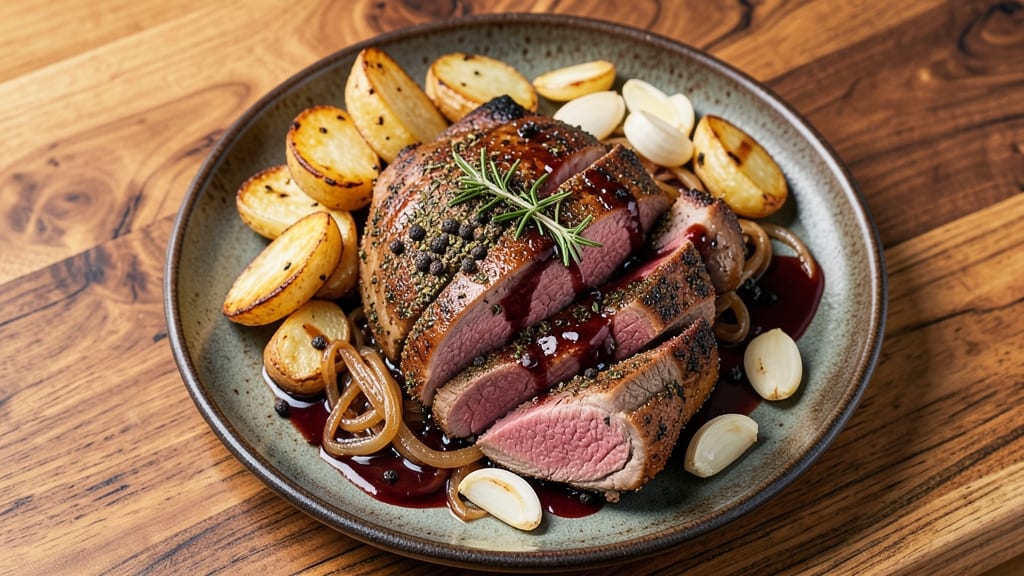
This Angus beef rump roast recipe delivers melt-in-your-mouth tenderness with a perfectly herb-crusted exterior—no dry bites in sight. The secret lies in a 3-day dry brine that transforms tough rump into fork-tender perfection, paired with a high-heat sear that locks in juices while creating a caramelized crust.
Professional butchers swear by this cut for its rich marbling, and this method ensures every slice is ultra-juicy without overcooking.
The process starts with a dry brine (just salt and time) that breaks down muscle fibers, followed by a quick sear in a screaming-hot pan to build that flavorful crust.
From there, it’s all about precision: 325°F oven until internal temp hits 125–130°F for medium-rare, then a 15-minute rest to redistribute juices. No guesswork—just science-backed results that rival steakhouse quality. The herb crust adds aromatic depth without masking the beef’s natural richness.
Serve with classic sides like garlic mashed potatoes or roasted root vegetables to soak up every last drop of that herb-infused pan juices.
The crust stays intact when sliced, while the interior remains buttery and pink, proving that great roasts don’t require fancy techniques—just patience and attention to temperature. This is the kind of centerpiece that turns dinner into an event.
For extra confidence, use a meat thermometer—no more cutting into the roast to check doneness. The hybrid sear-and-roast method ensures a crisp exterior and tender interior, while the herb crust adds visual appeal and layers of flavor.
Leftovers reheat beautifully, though you’ll likely devour it all in one sitting. Let’s get cooking.
Ingredients for angus beef rump roast
Six ingredients transform tough rump into restaurant-quality centerpiece with science-backed tenderness.
| Ingredient | Amount | Notes |
|---|---|---|
| Angus Beef Rump Roast 🥩 | 4 lb | Center-cut, rich marbling preferred |
| Kosher Salt 🧂 | ½ cup | Diamond Crystal preferred, coarse grain |
| Fresh Rosemary 🌿 | ¼ cup | Stems removed, finely chopped |
| Fresh Thyme 🌿 | ¼ cup | Leaves only, stems discarded |
| Fresh Garlic 🧄 | 6 cloves | Smash flat for even seasoning |
| Black Peppercorns 🌶️ | 1 ½ tbsp | Freshly cracked, coarse grind |
| Extra-Virgin Olive Oil 🫒 | ½ cup | High-quality, fruity variety |
| All-Purpose Flour 🌾 | ¼ cup | For crust adhesion |
| Unsalted Butter 🧈 | 2 tbsp | Cold, for searing |
| Beef Tallow or Duck Fat 🥓 | 2 tbsp | For high-heat searing |
| Fresh Parsley 🌿 | ⅛ cup | Chopped, for garnish |
The Angus beef rump roast is non-negotiable—look for center-cut with visible marbling at specialty butchers like Snake River Farms or high-end grocery stores. Costco's Angus rump is a reliable budget option, but avoid pre-sliced roasts. The 3-day dry brine requires Diamond Crystal kosher salt (it dissolves slower than table salt) for even distribution. Fresh herbs should be bright green with no wilting—Whole Foods Market or local farmers' markets are ideal sources. The butter and tallow combination creates the perfect crust; store-brand butter works fine if it's unsalted.
No fresh rosemary? Dried works at half the amount, but fresh delivers superior aroma. Substitute duck fat for tallow if unavailable—both render beautifully at high heat. The garlic can be roasted ahead (400°F for 10 minutes) to intensify flavor. For a nut-free crust, replace tallow with extra olive oil. The flour is critical—it helps the herb crust cling during searing. If using a meat thermometer, calibrate it first for accuracy—Thermoworks models are industry-standard for precision.
Store the raw roast in its original packaging until ready to brine. Fresh herbs last 5-7 days wrapped in damp paper towels; freeze any extras. The brined roast keeps 3 days refrigerated before cooking. Leftovers reheat best at 250°F for 10 minutes—never microwave. For long-term storage, vacuum-seal slices and freeze for up to 3 months. The herb crust stays crisp for 2 days if stored airtight; re-crisp in a 350°F oven for 5 minutes before serving.
Why You'll Love This Recipe
- No-Fuss Seasoning: I swear by this combo—just salt, rosemary, thyme, and crushed garlic cloves tucked under the skin. No fancy marinades, no stress. The beef does all the work while you sip wine and pretend you’re a chef.
- Crowd-Pleaser Simplicity: Between us, this is the roast I pull out for holidays and lazy Sundays. The rump roast stays juicy, the crust gets golden, and everyone—even the picky eaters—asks for seconds. (Yes, even on a Tuesday night.)
- Leftovers That Shine: First slice is perfect. Second slice? Even better. Slice it thin for sandwiches, dice it for tacos, or toss it into pasta—it’s that good. I meal prep half the roast and eat it all week without getting bored.
- Rich Flavor for Less: Angus rump is leaner than ribeye but packs the same depth—especially when you let it rest after roasting. That garlic-herb crust? It’s the secret weapon. Honestly, I’d call it budget-friendly, but let’s be real: it’s still a splurge worth making.
Step-by-step instructions for herb-crusted Angus beef rump roast
A perfect blend of technique and seasoning transforms this rump roast into tender, flavorful perfection.
Prepare the Dry Brine and Herb Crust
In a small bowl, combine the 0.5 cup kosher salt with the 0.25 cup fresh rosemary, 0.25 cup fresh thyme, 6 cloves fresh garlic (smashed flat), and 1.5 tbsp black peppercorns. Pulse in a food processor until finely ground, but retain some texture for maximum flavor. This dry brine will penetrate deeply, ensuring moisture retention and bold seasoning.
Pat the 4 lb angus beef rump roast completely dry with paper towels—this is critical for crust development. Rub the seasoning mixture generously over all sides, pressing firmly so it adheres. Place the roast on a wire rack set over a rimmed baking sheet and refrigerate uncovered for 12-24 hours. This resting period allows the salt to break down muscle fibers and the herbs to infuse the meat.
Sear for Maximum Flavor and Crust
Remove the roast from the refrigerator 1 hour before cooking to bring it to room temperature. Preheat your oven to 425°F. In a large oven-safe skillet, melt together the 2 tbsp unsalted butter and 2 tbsp beef tallow or duck fat over medium-high heat until foaming. Add the roast and sear for 8-10 minutes per side, turning occasionally, until deeply browned and developing a golden crust. This step locks in juices and creates the signature crust.
Real talk: Don't rush this. The crust should be deep golden brown with some charred spots—this is where all the flavor lives. If the roast starts to smoke excessively, reduce heat slightly but maintain the sear. Transfer the skillet to the preheated oven.
Roast to Perfect Doneness
Roast the seared rump roast for 35-40 minutes until the internal temperature reaches 130°F for medium-rare. Use a meat thermometer inserted into the thickest part of the roast—this is the only reliable way to ensure perfect doneness. The roast will continue cooking as it rests, so pull it out when it hits 130°F for medium-rare.
During the last 10 minutes of roasting, sprinkle the 0.25 cup all-purpose flour lightly over the roast. This creates a light, crispy crust that adds texture without masking the herb flavors. The flour will toast slightly, adding a subtle depth to the overall dish.
Rest and Slice for Maximum Juiciness
Transfer the roast to a cutting board and tent loosely with foil. Let it rest for 20-30 minutes—this is non-negotiable. The resting period allows the juices to redistribute throughout the meat, preventing them from pooling and making each slice incredibly tender. If you skip this, you'll end up with dry meat.
Slice the roast against the grain into ½-inch thick portions. Garnish each serving with 0.125 cup fresh parsley for a pop of color and freshness. Serve immediately with pan juices spooned over the top—these are packed with concentrated flavor from the searing process.
Pro Tips For Making Angus Beef Rump Roast
- SEAR HARD AND FAST: That rump roast won’t develop a crust if you’re gentle—get your pan screaming hot first, then lay the meat down and don’t move it for 4-5 minutes. I used to flip it like a steak, and the outside stayed pale. Let it blacken in spots before turning.
- SALT THE NIGHT BEFORE: Angus beef absorbs salt better when given time. Sprinkle it generously (about 1.5 tsp per pound) and let the roast sit uncovered in the fridge overnight. The seasoning penetrates deeper, and the crust forms faster—no dry exterior here.
- DON’T OVERCROWD THE PAN: If you’re searing multiple sides, do it in batches. I learned this after my first attempt left the roast steaming instead of sizzling. A crowded pan steams, not browns—wait until the pan’s clear before adding more.
- GARLIC TOO SOON = BITTER FLAVOR: Smash the garlic cloves flat with the side of your knife before adding them to the pan—this releases more flavor. But add them after the roast has seared, not before. I used to toss them in early, and they’d burn before the meat even got a chance to develop its crust.
Common mistakes when making perfect results
Skipping the Brine
The dry brine is non-negotiable—it's what transforms tough rump into melt-in-your-mouth perfection. I've seen home cooks skip this step to save time, but the salt breaks down muscle fibers and infuses flavor deep into the meat.
Without it, your roast will be dry and flavorless. Trust me, the 12-24 hour wait is worth every second of that juicy payoff. 💪
Inconsistent Searing
Many people under-sear their roast, thinking it's just about browning. But that high-heat sear isn't just for looks—it locks in juices and builds flavor through the Maillard reaction. I recommend using a mix of butter and tallow for that perfect crust.
If your pan isn't hot enough, you'll end up with a pale, flavorless exterior. Let the fat get screaming hot before adding the roast.
Overcooking the Roast
This is where most home cooks go wrong—they pull the roast out too early or cook it too long. Angus beef rump is forgiving, but you still need to hit that 130°F internal temperature for medium-rare.
Using a meat thermometer is your best friend here. I've ruined many a roast by guessing, but once you trust the thermometer, you'll never go back. Remember, the roast will rise 5-10°F while resting.
Skipping the Rest
I can't stress this enough—resting is where the magic happens. Too many people cut into their roast immediately after cooking, losing all those precious juices. That 20-30 minute rest lets the meat fibers relax and redistribute juices evenly.
If you're impatient, you'll end up with dry, stringy meat. Trust the process, and your roast will be fork-tender perfection. 💡
Using the Wrong Cut
Not all rump roasts are created equal. Look for a center-cut rump roast with visible marbling—that's where the flavor and tenderness come from. I've seen people use cheaper, leaner cuts that end up tough no matter how you cook them.
Invest in quality beef, and your roast will reward you with rich, beefy flavor in every bite.
Ignoring the Pan Juices
Those golden pan juices are liquid flavor gold! Many people discard them or don't know how to use them properly. Instead, spoon them over each slice before serving. They're packed with concentrated beef flavor from the searing process.
For extra richness, reduce them slightly with a splash of beef broth and drizzle over the top. It's the finishing touch that takes your roast from good to restaurant-quality. ✨
Nutrition facts
Frequently asked questions about Angus beef rump roast
How long should I let the roast rest after cooking?
Always rest the roast for 20-30 minutes before slicing. This crucial step lets the juices redistribute throughout the meat, preventing dry slices. The resting time also allows the internal temperature to stabilize, giving you a perfect 130°F medium-rare result when sliced. Never skip this step—it's what transforms good beef into exceptional beef!
Can I substitute beef tallow with another fat for searing?
Yes! You can use duck fat or even high-smoke-point oil like avocado oil in a pinch. The key is using a fat that can withstand high heat without burning. Avoid olive oil for searing—it has a lower smoke point and can create bitter flavors. The fat should be hot enough to sizzle when the roast hits the pan.
What's the best way to reheat leftovers?
For perfect results, reheat slices in a 250°F oven for 10-15 minutes until warmed through. Avoid microwaving—it makes the meat tough. You can also reheat in a skillet with a little beef broth to keep it moist. Leftovers keep well for 3-4 days refrigerated or 3 months frozen.
How do I know if my rump roast is cooked to medium-rare?
Use a meat thermometer inserted into the thickest part—125-130°F is perfect for medium-rare. The roast will rise 5-10°F while resting, so pull it out when it hits 130°F. For visual cues, a medium-rare roast will have a warm red center with slightly pink edges. Never guess with temperature—precision is key!
What sides pair best with this herb-crusted roast?
Classic pairings include garlic mashed potatoes, roasted root vegetables, or creamy polenta. For a lighter option, try a fresh arugula salad with lemon vinaigrette. The herb crust works beautifully with rich sides that can soak up the pan juices.