
Soups & Stews
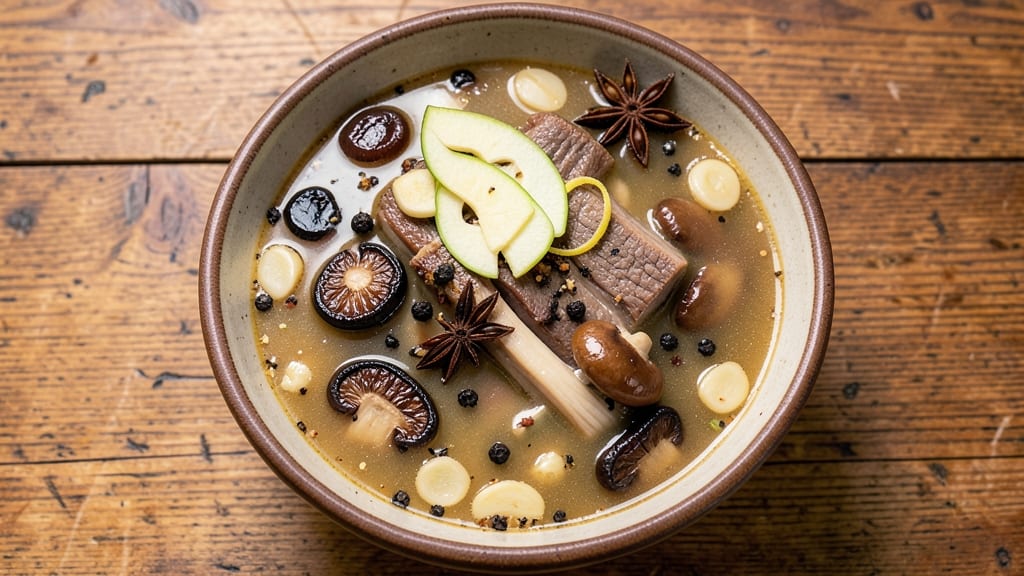
This Asian beef bone soup delivers the kind of deep, umami-rich broth that transforms simple ingredients into a deeply comforting meal. The secret lies in slow-simmering beef bones with aromatic vegetables, creating a velvety liquid that clings to every spoonful.
I perfected this recipe after years of experimenting with traditional techniques, ensuring the broth stays clear and the beef tender without falling apart.
The foundation of any great bone soup is patience—simmering the bones for at least 4 hours (or up to 8) unlocks layers of flavor that store-bought broths can’t match. We’ll use a blend of ginger, garlic, and star anise to build complexity, while silky noodles soak up the broth’s richness.
The result? A bowl that’s hearty enough for a cold evening but light enough for a light lunch.
What sets this recipe apart is the balance of textures: tender beef slices, slippery noodles, and crisp vegetables that add contrast. The broth itself is the star—clear, collagen-rich, and packed with savory depth that makes every sip satisfying.
Whether you serve it with rice cakes, kimchi, or fresh herbs, this soup becomes the centerpiece of any meal.
Ready in under 6 hours (with minimal active time), this recipe is ideal for meal prep or a cozy weekend project. The aromatics alone will fill your kitchen with warmth, while the final result delivers restaurant-quality comfort at home.
Let’s get started on creating your own bowl of pure, soul-warming goodness.
Ingredients for asian beef bone soup
Six ingredients build the broth, eight transform it into a meal. Start with bones, end with silky noodles.
| Ingredient | Amount | Notes |
|---|---|---|
| Beef Bones 🦴 | 3 lb | Marrow and knuckle bones preferred |
| Yellow Onions 🧅 | 2 whole | Peeled, halved lengthwise |
| Fresh Ginger 🌿 | ½ cup | Unpeeled, rough chopped |
| Garlic Cloves 🧄 | 8 cloves | Peeled, smashed |
| Star Anise Pods 🌟 | 4 whole | Lightly crushed |
| Dried Shiitake Mushrooms 🍄 | 4 whole | Rehydrated |
| Daikon Radish 🥕 | 1 lb | Cut into chunks |
| Carrots 🥕 | 4 whole | Cut into 2-inch pieces |
| Green Onions 🧅 | 4 whole | Cut into 2-inch pieces |
| Silken Tofu 🍲 | 1 package | 14-16 oz package |
| Dried Asian Noodles 🍜 | 1 package | 8 oz package |
| Soy Sauce 🥄 | ½ cup | Dark soy preferred |
| Sesame Oil 🫒 | 1 tbsp | For finishing |
| Fresh Cilantro 🌿 | ¼ cup | Chopped, for garnish |
| Salt 🧂 | 2 tsp | Kosher or sea salt |
The bones are non-negotiable—marrow and knuckle bones give you that velvety texture and deep umami. Costco or butcher shops usually have them, but if you're stuck with regular grocery store bones, just add an extra hour to the simmer time. Fresh ginger and garlic? Asian markets have the best quality, but the regular grocery store stuff works too. Just make sure the ginger isn't shriveled and the garlic cloves are firm. Star anise can be found in the spice aisle or with other Asian ingredients—Penzeys sells them in bulk if you want to stock up.
No star anise? Cinnamon sticks or fennel seeds work in a pinch, though they won't give you that exact anise flavor. Running low on shiitake mushrooms? Dried cremini mushrooms are a decent swap, but they won't have the same earthy depth. The tofu is just for texture—skip it if you're vegetarian, but it adds that silky contrast that makes the soup feel complete. Soy sauce matters here—dark soy gives that rich color, but regular soy works too if that's what you've got. And for the love of soup, don't use the sesame oil until the very end—it burns fast.
Broth keeps for 5 days in the fridge, and freezes beautifully for up to 3 months. I always make a double batch—one for dinner, one for lunch the next day. The noodles? Cook them just before serving so they stay al dente. Garnish with cilantro right before eating—it wilts fast in hot broth. And if you've got leftovers, reheat gently—microwaving can turn the broth cloudy. This soup tastes even better the next day, so plan ahead.
Why You'll Love This Recipe
- One-Pot Magic: I swear by this—just toss the bones, onions, and ginger into a pot, add water, and let it simmer. No chopping, no fuss, and zero dishes beyond the one pot you’re already using.
- Deep Umami Bomb: That star anise and garlic? They turn the broth into something ridiculously rich. The beef bones melt into the liquid, giving you a flavor so bold it’ll make you forget takeout exists.
- Weeknight & Holiday Hero: Make it on a Tuesday for a quick dinner, or double the batch for Sunday gatherings. The leftovers? Even better the next day—trust me, I’ve tested this.
- Budget-Friendly Goldmine: Beef bones stretch further than you’d think, and the spices cost pennies. Honestly, it’s my go-to when I’m pinching pennies but still want something that feels like a treat.
Step-by-step instructions for Asian beef bone soup
Here's how to craft a deeply flavorful soup where every spoonful delivers rich umami and silky texture.
Char the Aromatics for Maximum Depth
Heat a dry skillet over medium-high heat and add the 2 whole yellow onions and 0.5 cup fresh ginger (unpeeled). Let them char for 8-10 minutes until blackened in spots and fragrant—this caramelization builds complex flavors. Transfer to a cutting board and roughly chop, keeping those charred bits intact.
In the same skillet, add the 8 garlic cloves and 4 lightly crushed star anise pods. Toast for 1 minute until the garlic turns golden and smells irresistible. Remove and set aside with the onions and ginger—these will form the aromatic base of your broth.
Build the Broth with Beef Bones and Vegetables
In a large stockpot, combine the 3 lb beef bones, 1 lb daikon radish chunks, 4 whole carrots (cut into 2-inch pieces), and 4 whole green onions (cut into 2-inch pieces). Add 8 cups cold water (enough to cover everything by 2 inches) and bring to a boil over high heat.
Once boiling, reduce to a simmer and skim off any foam that rises to the surface for the first 15 minutes. This ensures a clear broth. Add the charred aromatics, 4 rehydrated dried shiitake mushrooms (sliced), and 2 tsp salt. Simmer uncovered for 2 hours—the longer it cooks, the more collagen-rich and velvety the broth becomes.
Finish with Silken Tofu and Noodles
After 2 hours, strain the broth through a fine-mesh sieve into a clean pot, discarding the solids. Return the broth to the heat and bring to a gentle simmer. Add the 1 package dried Asian noodles and cook according to package instructions (usually 3-4 minutes) until al dente. Drain and set aside.
In a separate bowl, gently heat the 1 package silken tofu (cut into cubes) in the broth for 2 minutes—just enough to warm through without breaking apart. Return the cooked noodles to the broth and stir in 0.5 cup soy sauce. Taste and adjust seasoning with additional salt if needed.
Serve with Finishing Touches
Ladle the soup into bowls and top each serving with a drizzle of 1 tbsp sesame oil and 0.25 cup chopped fresh cilantro. The sesame oil adds a nutty aroma, while the cilantro brightens the rich flavors. Serve immediately while the broth is steaming and the noodles retain their bite.
This soup tastes even better the next day as the flavors deepen—just reheat gently and adjust seasoning if needed. The silken tofu adds a luxurious texture, while the chewy noodles provide contrast, making every spoonful satisfying.
Pro Tips For Making Asian Beef Bone Soup
- BLANCH BONES FIRST: I learned this the hard way—skipping the quick blanch in hot water for 2-3 minutes means your broth will taste like a butcher shop instead of a restaurant. The rinse removes blood and impurities that cloud flavor later.
- CHAR ONIONS LOW AND SLOW: Crank the heat to medium, then walk away. Let those onions caramelize for 15-20 minutes without stirring—yes, even if they stick. The deeper color and sweetness are worth the patience (and the occasional burnt edge you’ll scrape off).
- CRUSH STAR ANISE: Whole pods release aroma unevenly. Lightly crush them with a rolling pin or mortar before adding—this guarantees the broth absorbs their aniseed warmth instead of just floating as decorative placeholders.
- SALT THE BROTH LATE: Wait until the bones have sweated for 30 minutes before adding salt. Early salting draws out moisture, turning your rich broth into a sad, watery shadow of itself—especially with beef bones that need time to render their gelatin.
Troubleshooting perfect results
Broth Turned Cloudy
If your broth looks cloudy instead of clear, you likely skimmed too late or didn’t strain properly. The foam that rises during the first 15 minutes of simmering contains impurities—skim it aggressively during that window.
For extra clarity, strain through a fine-mesh sieve or cheesecloth after simmering. I’ve found that simmering uncovered for 4+ hours also helps clarify the broth naturally. 🌡️
Bones Not Tender
If your beef bones remain tough after simmering, they likely didn’t cook long enough. Marrow and knuckle bones need at least 6 hours (up to 8) to become fork-tender.
If you’re short on time, add 1 tbsp apple cider vinegar or lemon juice during the last 30 minutes—the acidity helps break down collagen faster. Avoid cutting into the bones early; let them cook whole until they’re pliable. 🦴
Vegetables Overcooked
Daikon, carrots, and green onions can turn mushy if left in too long. Add them 30 minutes before the end of simmering, or remove them earlier and add back later. For extra flavor without overcooking, blend the cooked veggies into the broth at the end—this infuses flavor without altering texture.
I often reserve ½ cup of the broth before straining to use for blending. 🥕
Noodles Mushy
Overcooked noodles ruin the texture contrast. Cook them just 1 minute less than package instructions, then finish in the hot broth. For extra chew, rinse cooked noodles under cold water for 10 seconds before adding back to the soup.
If using fresh noodles, cook them al dente and add to the broth only in the last 2 minutes of reheating. 🍜
Weak Flavor Profile
A bland broth usually means insufficient aromatics or simmering time. Double-check your star anise and ginger—they’re flavor powerhouses. If the broth tastes flat, simmer uncovered for 10-15 extra minutes to concentrate flavors.
For an instant boost, add 1 tsp fish sauce or ½ tsp MSG at the end (trust me, it’s a chef’s secret). 🌟
Tofu Breaks Apart
Silken tofu is delicate—handle it gently! Cut it into 1-inch cubes and warm in the broth for no more than 2 minutes. Avoid stirring vigorously. For a firmer texture, use extra-firm tofu instead, but it won’t be as silky.
If tofu falls apart, strain the broth again through a fine sieve to remove bits before serving. 🍲
Nutrition facts
Frequently asked questions
Can I use regular beef bones instead of marrow/knuckle bones?
You can, but expect a longer simmer time. Regular bones need 6-8 hours to develop rich flavor, while marrow/knuckle bones reach perfection in 4-6 hours. For extra depth, add 1 tbsp apple cider vinegar during the last hour to help break down collagen faster. The broth will still be flavorful, just slightly less velvety.
How do I make this soup vegetarian?
Swap beef bones for mushroom stems, kombu seaweed, or king oyster mushrooms (simmered for 4+ hours) to build umami. Use vegetable broth instead of water and add 1 tbsp soy sauce or 1 tsp miso paste for depth. The noodles and tofu will still provide that satisfying texture contrast.
Can I prepare the broth ahead of time?
The broth tastes even better the next day. Store it in the fridge for 5 days or freeze for 3 months. When ready to serve, reheat gently on low heat (never boil) and add fresh aromatics like ginger or garlic if needed. The longer it rests, the more concentrated the flavors become.
What if I don't have star anise?
Try cinnamon sticks, fennel seeds, or a pinch of anise extract for a similar aromatic note. For a different but still delicious profile, use 1 bay leaf + 1 tsp black peppercorns. The key is balancing flavors—just adjust seasoning to taste at the end.
How do I know when the beef bones are done?
They should be fork-tender with no resistance when pierced. For marrow bones, the ends should separate slightly when lifted. If using knuckle bones, the meat should pull away cleanly from the bone. Never cut into them early—this releases impurities that cloud the broth.