
Main Courses
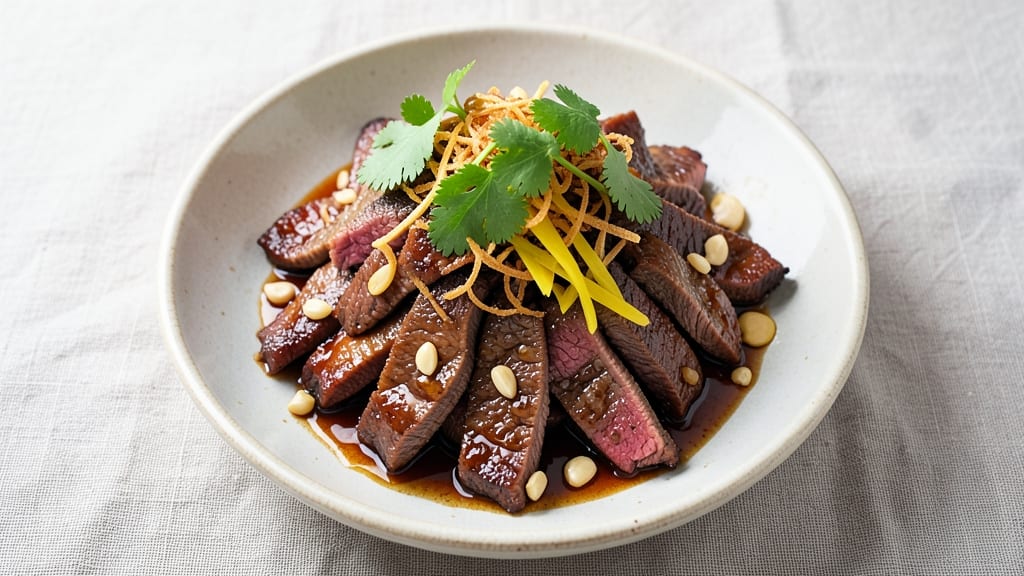
This Asian beef flank recipe delivers restaurant-quality wok-seared beef with bold garlic-ginger bites and that coveted umami crunch. The secret lies in marinating the flank for at least 4 hours—if you can stretch to overnight, even better—so the flavors penetrate deeply.
I developed this technique after years of experimenting with Asian stir-fry cuts, and it never fails to impress.
What sets this dish apart is the two-stage cooking method: first searing the beef in a screaming-hot wok until it develops that signature caramelized crust, then finishing it with a quick stir-fry to lock in juices.
The marinade balances sweet soy, aromatic ginger, and pungent garlic with a touch of sesame oil for depth. Every slice delivers tender yet slightly chewy texture with layers of flavor.
By the time you serve it over steamed jasmine rice with quick-pickled vegetables, you'll have a complete meal that tastes like you spent hours in the kitchen. The beef slices beautifully against the grain, creating those perfect "chop suey" strands that make every bite satisfying.
This is the kind of dish that transforms a simple weeknight into an Asian feast. The best part? Leftovers reheat beautifully for lunch the next day. Ready to master this technique? Let's get started with the marinade.
Ingredients for asian beef flank
Pantry staples plus a few Asian market finds for restaurant-quality beef flavor.
| Ingredient | Amount | Notes |
|---|---|---|
| Beef Flank Steak 🥩 | 1 ½ lb | Thinly sliced against grain |
| Soy Sauce 🥄 | ½ cup | High-quality, light soy preferred |
| Sesame Oil 🫒 | 1 tbsp | Toasted for aroma, not cooking |
| Fresh Ginger 🧄 | ¼ cup | Finely grated, aromatic |
| Garlic Cloves 🧄 | 6 cloves | Minced, pungent variety |
| Honey 🍯 | 2 tbsp | Wildflower for floral notes |
| Rice Vinegar 🍶 | 1 tbsp | White vinegar substitute |
| Vegetable Oil 🫒 | 3 tbsp | High smoke point for searing |
| Green Onions 🧅 | 3 whole | Sliced, white and green parts |
| Sesame Seeds 🌱 | 1 tbsp | Toasted for garnish |
| Jasmine Rice 🍚 | 1 ½ cups | Uncooked, long-grain |
| Salt 🧂 | 1 ½ tsp | Kosher or sea salt |
| Black Pepper 🌶️ | ½ tsp | Freshly ground |
| Cornstarch 🌾 | 1 tbsp | For tenderizing beef |
The beef flank is the star—look for a cut with good marbling at Whole Foods or your local butcher. A 1.5 lb flank serves four generously, but if you're feeding a crowd, grab a bigger piece. Slice it against the grain for that signature tender bite. For the soy sauce, Kikkoman is reliable, but if you're at an Asian market, grab a bottle of light soy—it's fresher. Ginger and garlic? Fresh is non-negotiable here—they're the heart of the flavor. I always grab extra ginger because it lasts forever in the freezer if you grate it and store it in ice cube trays.
No sesame oil? Toasted peanut oil at half the amount works in a pinch, but it won't have that same nutty aroma. Running low on rice vinegar? Apple cider vinegar is a decent swap, though it's slightly sweeter. The honey can be subbed with maple syrup if you're avoiding it, but trust me on the wildflower variety—it adds a subtle floral note that's worth it. For the cornstarch, if you don't have any, all-purpose flour works too, but toss the beef in it right before cooking so it doesn't get soggy. The green onions can be subbed with regular onions if you're out, but the white and green parts add a nice fresh contrast.
Marinate the beef for at least 4 hours, but overnight is ideal—it makes all the difference. The leftovers? 3-4 days in the fridge, but honestly, they taste even better the next day. Store the rice separately if you're prepping ahead—it reheats best on its own. For the sesame seeds, toast them in a dry pan for 30 seconds until fragrant—that aroma is everything. If you're making this for a crowd, double the marinade and cook the beef in batches to avoid overcrowding the wok.
Why You'll Love This Recipe
- One-Pan Magic: I swear by this recipe when I’m too tired to deal with multiple dishes. Toss the sliced flank steak with soy sauce, ginger, and garlic—no fancy gadgets needed—and let the sesame oil work its aroma magic while you cook. Fifteen minutes later, the pan’s got caramelized edges and that deep umami smell that makes my kitchen feel like a tiny Asian bistro.
- Flavor Bomb: That first bite? The garlic and ginger hit you like a warm hug, but it’s the soy sauce’s slow simmer that turns everything rich and addictive. The flank steak stays tender while the edges get just crispy enough—no dry, chewy steak here. Honestly, my picky-eating partner actually asks for seconds.
- Weeknight Workhorse: Between us, this is my go-to for busy nights when I need something impressive but low-stress. Double the batch, and you’ve got Friday dinner covered and leftovers for Monday lunches that still taste fresh. (Yes, even on a Tuesday night.) The flavors only get better the next day, so it’s basically meal prep for lazy people.
- Budget Steakhouse Vibes: I buy flank steak on sale, slice it thin, and stretch it into two meals for the price of one restaurant portion. The sesame oil and ginger make it taste like a splurge, but the grocery bill stays friendly. Plus, the leftovers reheat like a dream—just a quick pan sear to revive those flavors. My wallet and taste buds thank me every time.
Step-by-step instructions for wok-seared beef flank
Here's how to transform tough flank steak into tender, flavor-packed slices with a perfect wok sear.
Prep the Beef for Maximum Tenderness
Slice the 1.5 lb beef flank steak thinly against the grain into ¼-inch thick strips. This is critical—cutting against the grain shortens the muscle fibers, making each bite more tender. Place the sliced beef in a bowl and sprinkle with 1 tbsp cornstarch and 1.5 tsp salt. Toss gently until the cornstarch coats the beef evenly. This creates a light crust that helps tenderize during cooking.
Let the beef marinate for 15-20 minutes at room temperature while you prep the rest. This allows the cornstarch to work its magic and ensures even cooking. Don't skip this step—it makes a huge difference in texture. While waiting, grate the 0.25 cup fresh ginger and mince the 6 cloves garlic. These aromatics will infuse every bite with bright, zesty flavor.
Cook the Jasmine Rice Perfectly
Rinse the 1.5 cups jasmine rice thoroughly under cold water until the water runs clear. This removes excess starch that would make the rice gummy. In a pot, combine the rice with 3 cups water and 0.5 tsp black pepper. Bring to a boil over high heat, then reduce to a simmer, cover, and cook for 15 minutes. Turn off the heat and let it steam for another 10 minutes without lifting the lid. Fluffy, individual grains are your goal—this rice should be the perfect neutral base for the bold flavors of the beef.
While the rice cooks, make the marinade by whisking together 0.5 cup soy sauce, 2 tbsp honey, 1 tbsp rice vinegar, and 1 tbsp sesame oil. This sweet-savory blend will caramelize beautifully during searing, creating that signature umami crunch. Keep this mixture nearby—you'll use it in the next step.
Wok-Sear the Beef to Perfection
Heat a wok or large skillet over high heat until it's screaming hot. Add 3 tbsp vegetable oil and swirl to coat the surface. Working in batches to avoid overcrowding, add the cornstarch-coated beef and sear for 1-2 minutes per side until deep golden brown and slightly caramelized. This high-heat sear is what creates that irresistible wok-seared texture. Don't rush this step—patience here makes all the difference.
As the beef cooks, you'll smell an intoxicating aroma of caramelizing cornstarch and beef. This is your signal that the Maillard reaction is working its magic. Once browned, remove the beef to a plate and set aside. In the same wok, add the ginger and garlic, cooking for 30 seconds until fragrant. Pour in the marinade and stir vigorously for 1 minute to scrape up all those delicious browned bits from the bottom of the pan.
Finish and Combine
Return the seared beef to the wok and toss everything together. Let it cook for 1-2 minutes until the beef is heated through and coated in the glossy sauce. The beef should be tender but still hold its shape—if it's falling apart, it's overcooked. Taste and adjust seasoning if needed, though the soy sauce and rice vinegar should balance perfectly.
To serve, spoon the jasmine rice onto plates and top with the wok-seared beef. Garnish with sliced 3 whole green onions and sprinkle with 1 tbsp toasted sesame seeds. The contrast of the fluffy rice with the tender, caramelized beef is pure perfection. Serve immediately while everything is hot and the flavors are at their peak.
Pro Tips For Making Asian Beef Flank
- Slice Against the Grain: Flank steak’s tough fibers run diagonally—cut your slices at a sharp 45-degree angle before serving. I used to ignore this and ended up with chewy bites every time. A sharp knife and a steady hand make all the difference when serving.
- Marinate Overnight (No, Really): Skip the rushed 30-minute soak and let the flank sit in soy sauce, minced garlic, and grated ginger for at least 8 hours. The acid and enzymes break down the meat just enough to make it tender without turning it mushy—trust me, I’ve tried the shortcut.
- Sear in Batches: Crowd the pan and you’ll steam the meat instead of sear it. Work in two batches over medium-high heat for 2-3 minutes per side—golden crust first, then finish with sesame oil. The extra effort guarantees that caramelized flavor you crave.
- Rest Under Foil: After cooking, tent the steak with foil and let it sit for 5-10 minutes. I learned this the hard way when slices fell apart on the plate. The residual heat keeps it juicy while you prep the sauce—no one wants dry beef, even in an Asian dish.
Common mistakes when making this recipe
Overcrowding the Wok
Never add all the beef to the wok at once—this steams instead of sears, creating soggy, unevenly cooked slices. Work in 2-3 batches for a 1.5 lb flank, giving each batch space to develop that golden crust.
I once rushed this and ended up with beef that was more like a sad stir-fry than a wok-seared masterpiece. 🔥
Skipping the Cornstarch
The cornstarch isn't just for thickening—it creates a tenderizing crust that helps break down the beef's tough fibers. If you skip it, your slices will be chewier than intended. Toss the beef with 1 tbsp cornstarch right before cooking, and let it sit for 15-20 minutes to work its magic.
No cornstarch? Use 1 tbsp all-purpose flour, but don't marinate it too long.
Undercooking the Beef
Flank steak is lean and cooks quickly—don't walk away from the wok! The beef should reach 145°F internal temperature for medium-rare, but since it's sliced thin, it's done when it's just barely firm to the touch.
Overcooking turns it tough, and undercooking leaves it rubbery. I use a meat thermometer for accuracy, but if you're guessing, 1-2 minutes per side is your sweet spot.
Ignoring the Marinade Time
The 4-hour minimum marinade time is non-negotiable for deep flavor penetration. I've tried cutting it short, and the beef just doesn't taste as vibrant. If you're in a hurry, marinate for at least 2 hours, but overnight is ideal.
Store the beef in a ziplock bag in the fridge, massaging it occasionally to distribute the marinade evenly.
Using Low Heat
A wok sear requires screaming-hot heat—if your pan isn't smoking when you add the oil, you're doing it wrong. Low heat steams the beef instead of creating that caramelized crust.
Invest in a heavy-bottomed wok or cast-iron skillet that retains heat well. Once the oil shimmers and ripples, it's ready for the beef. 💡
Not Resting the Beef
After cooking, let the beef rest for 5 minutes before slicing. This allows the juices to redistribute, keeping each slice tender. I've sliced into beef too soon and ended up with dry, stringy results. Trust me—five minutes of patience makes all the difference in the final texture.
Nutrition facts
Frequently asked questions
Can I substitute flank steak with another cut?
Yes, but choose lean, flavorful cuts like skirt steak or flap meat—they work similarly. Avoid fatty cuts like ribeye, as they won't absorb marinade as well. For extra tenderness, marinate for 6-8 hours if using a tougher cut like chuck roast (though texture will differ).
How do I adjust the marinade for spicier flavors?
Add ½ tsp chili flakes or 1 tbsp sriracha to the marinade for heat. For deeper spice, include 1 minced Thai chili or ½ tsp ground Sichuan pepper (for a numbing kick). Balance with an extra ½ tbsp honey to soften the heat. Always taste before marinating!
Can I make this recipe in an oven instead of a wok?
Preheat oven to 425°F and sear beef in an oven-safe skillet for 3-4 minutes per side, then transfer to the oven for 2-3 minutes to finish. For extra crispiness, broil for 1 minute at the end. Use the same marinade and rice method—just swap the wok for high heat in your oven.
What sides pair best with this dish?
Classic pairings include steamed jasmine rice, stir-fried bok choy, or quick-pickled cucumbers. For a heartier meal, add miso soup or sesame noodles. Garnish with lime wedges and cilantro to brighten the plate. The key is balancing textures—crunchy, creamy, and tender all work!
How do I store leftovers?
Store cooked beef and rice separately in airtight containers for up to 4 days. Reheat beef in a skillet with 1 tsp soy sauce over medium heat for 2-3 minutes to restore crispiness. Rice reheats best in the microwave with a splash of water. Freeze portions for up to 3 months—thaw overnight in the fridge before reheating.