
Main Courses
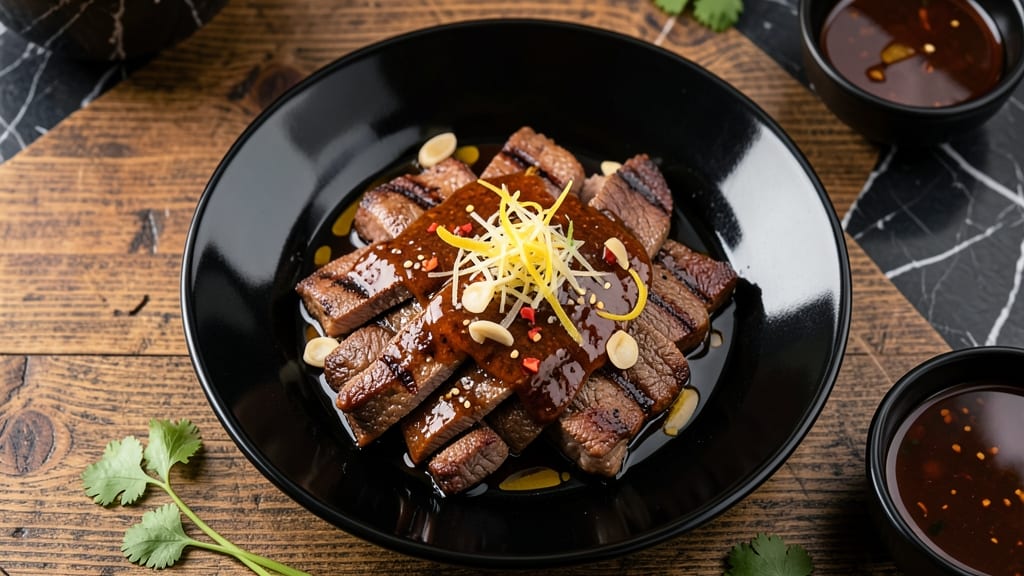
This Asian beef recipe with ideas for restaurant-quality results transforms tender strips of beef into a dish that’s bold, silky, and caramelized with just a few simple steps.
After years of perfecting stir-fry techniques in my tiny Portland kitchen, I've created a method that delivers silky, caramelized beef with every bite—no wok required. The secret lies in a quick marinade that tenderizes while building layers of flavor, then a hot sear that creates that signature Asian restaurant crust.
What makes this recipe special is its adaptability—you can serve it over steamed rice for a classic Japanese-inspired bowl, nestled in udon noodles for a Korean-inspired twist, or even as a taco filling for a fusion approach.
The marinade balances sweet, savory, and umami notes using ingredients you likely already have: soy sauce, brown sugar, garlic, ginger, and a touch of sesame oil. The cooking process is straightforward but critical—high heat and quick cooking ensure tender beef with crisp edges.
By the time you serve this dish, your table will smell like a bustling Asian street market, with aromas of caramelized beef, toasted garlic, and fragrant ginger. The beef itself will be fork-tender with just enough resistance to hold its shape, coated in a glossy sauce that clings perfectly.
This recipe delivers restaurant-quality results with minimal effort, making it ideal for weeknight dinners or impressive gatherings.
The best part? You can easily adjust the spice level to suit your taste—add a dash of chili flakes for heat or keep it mild for family-friendly meals. Pair it with steamed jasmine rice, quick-pickled vegetables, or a simple cucumber salad to round out the meal.
Let's create this dish that brings the vibrant flavors of Asia to your kitchen.
Ingredients for asian beef recipe ideas
Pantry staples meet wok-fry magic for beef that's tender, caramelized, and packed with umami.
| Ingredient | Amount | Notes |
|---|---|---|
| Flank Steak 🥩 | 1 lb | Thinly sliced against grain |
| Soy Sauce 🥢 | ½ cup | Low-sodium preferred |
| Brown Sugar 🍯 | ¼ cup | Packed firmly |
| Garlic Cloves 🧄 | 6 cloves | Minced finely |
| Fresh Ginger 🌿 | 2 tbsp | Grated finely |
| Sesame Oil 🫒 | 1 tbsp | Toasted for aroma |
| Rice Vinegar 🍶 | 2 tbsp | White or apple cider |
| Neutral Oil 🫒 | 2 tbsp | Vegetable or canola |
| Honey 🍯 | 1 tbsp | For caramelized finish |
| Red Chili Flakes 🌶️ | ½ tsp | Adjust to taste |
| Green Onions 🧅 | 3 whole | Sliced thinly |
| Jasmine Rice 🍚 | 1 ½ cups | Uncooked, long-grain |
| Sesame Seeds 🌰 | 1 tbsp | Toasted lightly |
| Salt 🧂 | 1 tsp | Kosher or sea salt |
| Black Pepper 🌶️ | ½ tsp | Freshly ground |
The beef is everything here—flank steak is perfect because it's lean but tender when sliced thin. Grab one from the butcher counter if you can, or the pre-sliced Asian beef section at Trader Joe's saves time. Look for good marbling, not too much fat. Slice it against the grain for that signature silky texture. The garlic and ginger? Fresh is non-negotiable—dried just won't cut it. I always double-check the ginger root for soft spots before buying, and Costco's bulk bins are my go-to for spices.
No sesame oil? Avocado oil works in a pinch, though it lacks that nutty aroma. Subbing brown sugar? Maple syrup works 1:1, but the caramelization won't be as rich. Running low on soy sauce? Coconut aminos are the closest alternative, though they're sweeter. The rice vinegar can be swapped for apple cider vinegar if that's what you've got. For heat, gochujang or sriracha both work—just reduce the honey slightly to balance. And if you're feeling fancy, toasted sesame oil in the marinade adds depth you won't believe.
This marinade keeps 3 days in the fridge, so make extra for leftovers. The beef cooks in 10 minutes max—don't overcrowd the pan or it'll steam instead of sear. Store cooked beef in an airtight container with a splash of sauce to keep it moist. The rice? Cook it ahead and reheat with a splash of water—microwave method works perfectly. Freezes beautifully for 3 months if you want to prep ahead for busy nights.
Why You'll Love This Recipe
- Few Ingredients, Big Payoff: I swear by this—just steak, soy, sugar, and fresh ginger. No fancy pantry items, no last-minute grocery runs. The magic happens in the pan, not the prep.
- Sweet-Savory Magic: That caramelized brown sugar and garlic combo? It’s the kind of flavor that makes you pause mid-bite. The soy sauce adds depth, but the ginger keeps it bright—no heavy, greasy aftertaste.
- Lunch or Dinner Ready: I make this for a quick weeknight dinner, but it’s just as good cold in rice bowls the next day. Pack it for work, serve it at a potluck, or eat it straight from the skillet—no rules.
- Budget-Friendly Powerhouse: Flank steak stretches far, and the rest of the ingredients? Pantry staples. I’ve fed four people for under $15, and they always ask for seconds. (Yes, even my picky teen.)
Step-by-step instructions for wok-seared spice and silky noodle harmony
Here's how to transform tender beef into restaurant-quality wok-seared perfection.
Marinate the Flank Steak for Maximum Flavor
In a bowl, combine the 0.5 cup soy sauce, 0.25 cup packed brown sugar, 6 minced garlic cloves, 2 tablespoons finely grated fresh ginger, 1 tablespoon honey, 0.5 teaspoon red chili flakes, 1 teaspoon salt, and 0.5 teaspoon black pepper. Whisk until the brown sugar dissolves completely into a glossy marinade.
Add the 1 pound flank steak, sliced thinly against the grain, and coat each piece thoroughly with the marinade. Let it sit at room temperature for 20-30 minutes—this ensures even cooking and deep flavor penetration. If you're short on time, marinate for at least 10 minutes, but longer is better for tender results.
Cook the Jasmine Rice to Silky Perfection
Rinse the 1.5 cups jasmine rice under cold water until the water runs clear. This removes excess starch and prevents gummy rice. Combine the rice with 2 cups water in a pot and bring to a boil over high heat. Once boiling, reduce heat to low, cover tightly, and simmer for 15 minutes.
After 15 minutes, turn off the heat and let the rice steam undisturbed for 10 minutes. This resting period allows the rice to absorb any remaining moisture and develop a fluffy, separate grain texture. Fluff with a fork before serving—it should be light and individual grains should be distinct.
Wok-Sear the Beef for Perfect Texture
Heat a wok or large skillet over high heat until it's smoking hot. Add 2 tablespoons neutral oil and swirl to coat the surface. Working in batches if needed, add the marinated beef and cook undisturbed for 1-2 minutes until the edges are deep golden brown and slightly caramelized.
Here's where it gets fun—toss the beef with a pair of tongs and continue cooking for another 1-2 minutes until all pieces are seared on all sides and cooked through. The beef should be tender but still slightly springy to the touch. Remove from the wok and set aside, reserving any juices that accumulate.
Finish with Aromatic Touches
In the same wok, add 1 tablespoon sesame oil and swirl to coat. Add the 3 sliced green onions and stir for 30 seconds until fragrant. Pour in 2 tablespoons rice vinegar and let it sizzle for 1 minute to brighten the flavors.
Return the beef to the wok along with any reserved juices. Toss everything together for 1 minute to combine. Sprinkle with 1 tablespoon toasted sesame seeds and toss once more. Serve immediately over the jasmine rice, drizzling any remaining pan sauce over the top for maximum flavor impact.
Garnish and Serve with Confidence
Divide the jasmine rice among serving plates and top each portion with the wok-seared beef and green onions. Garnish with an additional sprinkle of sesame seeds and a few red chili flakes for color and heat. The dish should look vibrant with contrasting textures—silky rice, tender beef, and crispy garnishes.
This dish delivers the perfect balance of sweet, savory, and umami flavors with a satisfying chew from the flank steak. The rice vinegar adds brightness that cuts through the richness, while the sesame seeds provide a nutty finish. Serve with steamed vegetables or a simple cucumber salad for a complete meal.
Pro Tips For Making Asian Beef Recipe Ideas
- Slice Against the Grain: Flank steak’s tough fibers run diagonally—cutting them perpendicular (not parallel) after cooking turns each bite into a tender experience. I used to ignore this and ended up with chewy, frustrating mouthfuls. Grab a sharp knife and angle those slices like you’re cutting a pizza.
- Marinate for at Least 4 Hours: Brown sugar and soy sauce need time to break down the flank’s tough exterior. I tried rushing it once and got a dish that tasted more like sad, underseasoned beef. If you’re short on time, at least 2 hours—just know the texture won’t be as silky.
- Use a Mixer for the Sauce: Pureeing minced garlic and ginger with the soy and brown sugar in a blender or food processor creates a smoother, more evenly coated sauce. I used to chop by hand and always ended up with clumps—now the sauce clings to every bite like it’s supposed to.
- Sear Over High Heat First: Start with a screaming-hot pan and don’t move the steak until deep brown crust forms—this locks in flavor before the sauce step. I learned this the hard way after serving a version that tasted like it was simmered in lukewarm soy. High heat = better crust, better flavor.
Troubleshooting great asian beef recipe ideas
Beef Overcooking
Flank steak cooks fast—3-4 minutes max over high heat—and overcooking turns it tough. I've ruined more beef than I'll admit by walking away or crowding the pan. Use a meat thermometer (I love the Thermoworks Smoke) to check for 140°F internal temp—any higher and it'll dry out.
If you're worried, pull it 5°F below target and let it rest. 🔥
Marinade Not Sticking
If your beef isn't absorbing flavor, it's likely not sliced thin enough or the marinade isn't coating properly. Slice ¼-inch thick strips against the grain—that's non-negotiable. For stubborn pieces, use a meat mallet to gently pound them thinner.
I also recommend vacuum-sealing the beef with the marinade for 24 hours if you have time—this ensures deep penetration.
Rice Turning Mushy
Undercooked rice? Increase cooking time by 5 minutes and check water levels—use 1:1.5 rice-to-water ratio. Overcooked/mushy rice? You likely didn't let it steam off heat.
After cooking, never stir immediately—let it sit covered for 10 minutes first. For extra insurance, spread the rice on a tray to cool before serving.
Pan Too Cool
A wok that's not hot enough = soggy beef. Your pan should be smoking hot before adding oil. If it's not, let it heat 2-3 more minutes. I test with a drop of water—if it sizzles violently, you're ready.
For stubborn pans, preheat with medium-high heat for 5 minutes while you finish prep. A cast iron skillet retains heat best if you don't have a wok.
Sauce Too Thin
If your sauce separates or looks watery, reduce the rice vinegar by 1 tablespoon next time. For instant thickening, mix 1 teaspoon cornstarch with 1 tablespoon water, stir into the pan, and cook for 30 seconds until glossy.
I keep a small bowl of this slurry ready for emergencies—it's saved my sauces more times than I can count. 💡
Uneven Cooking
Working in batches is key—don't overload the pan! Cook half the beef at a time for even searing. If you have thick pieces, cut them further before cooking. For extra insurance, sear the thickest pieces first.
I also recommend using high-heat neutral oil (like avocado or grapeseed) that has a high smoke point to prevent flavor transfer from the beef.
Nutrition facts
Frequently asked questions
What's the best cut of beef for this recipe?
Flank steak is ideal—it's lean, flavorful, and becomes tender when sliced thin against the grain. For extra tenderness, try sirloin or ribeye. Avoid tougher cuts like chuck; they won't yield the same silky texture. Always ask your butcher to slice it ¼-inch thick for perfect results.
Can I make this recipe gluten-free?
Swap soy sauce for tamari or coconut aminos (both gluten-free). Check labels—some tamari brands contain wheat. For extra umami, add 1 tablespoon gluten-free fish sauce or ½ teaspoon MSG. The rest of the recipe stays the same, including the rice and noodle options.
How do I adjust the spice level?
Start with the 0.5 teaspoon chili flakes as written for mild heat. For medium spice, add 1 teaspoon sriracha to the marinade. For fiery kicks, stir in 1 tablespoon gochujang (Korean chili paste) and reduce honey by ½ tablespoon to balance. Always taste before serving!
What are good side dishes to serve with this?
Steamed bok choy or broccoli adds freshness, while quick-pickled cucumbers cut through the richness. For heartier meals, serve with miso soup or edamame. My go-to is cucumber salad (thinly sliced cucumbers + rice vinegar + sesame seeds) or stir-fried snap peas with garlic and chili oil.
Can I cook this beef ahead of time?
Yes! Cook the beef up to 2 days ahead and store in an airtight container with reserved sauce. Reheat gently in a skillet with 1 teaspoon oil over medium-low heat until warmed through (3-4 minutes). For best texture, serve over freshly cooked rice. The flavors actually deepen overnight!