
Soups & Stews
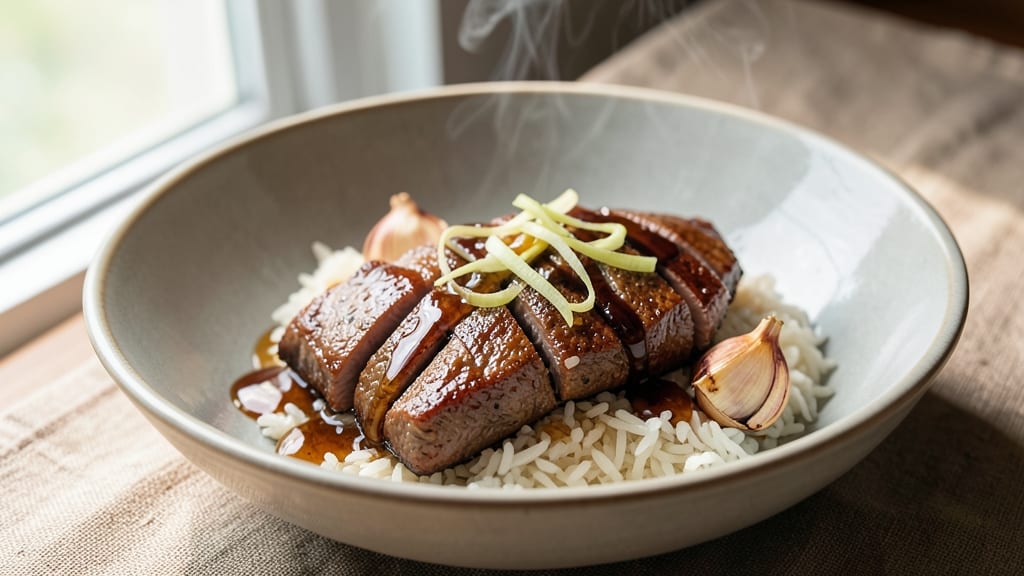
This Asian ginger beef recipe delivers the perfect balance of bold spices and tender, silky meat—just like your favorite takeout, but better. The secret lies in a marinade that transforms tough beef into fork-tender slices, then wok-sears them to achieve that signature caramelized crust.
I developed this version after years of refining techniques from Thai and Japanese stir-fry traditions, ensuring it works in any home kitchen with minimal fuss.
The dish starts with a simple yet powerful marinade of fresh ginger, garlic, soy sauce, and a touch of honey, which tenderizes the beef while infusing it with deep, aromatic flavors. The wok-searing technique—high heat and quick cooking—locks in juices and creates that irresistible caramelized exterior.
What makes this recipe stand out is how adaptable it is: serve it over steamed jasmine rice, nestled in noodles, or even as a filling for spring rolls.
By the time you finish, you’ll have restaurant-quality ginger beef with tender, flavorful slices that practically melt in your mouth. The sauce, a silky blend of soy, ginger, and a hint of sweetness, ties everything together, creating a dish that’s both comforting and exciting.
It’s the kind of meal that feels special but comes together in under 30 minutes—ideal for weeknights or weekend gatherings.
Whether you’re cooking for family or treating yourself, this recipe delivers authentic Asian flavors without the complexity. The key is patience in marinating and confidence in the wok-searing step—trust the process, and you’ll have a dish that’s worth every bite. Let’s get started!
Ingredients for asian ginger beef
Fresh ginger and tender flank steak make this Asian-inspired dish shine with bold flavors and restaurant-quality texture.
| Ingredient | Amount | Notes |
|---|---|---|
| Flank Steak 🥩 | 1 ½ lb | Thinly sliced against grain |
| Fresh Ginger 🌿 | 3 tbsp | Finely grated, aromatic |
| Garlic Cloves 🧄 | 6 cloves | Minced, fresh preferred |
| Low-Sodium Soy Sauce 🍶 | ½ cup | Kikkoman preferred |
| Honey 🍯 | 2 tbsp | Wildflower for depth |
| Sesame Oil 🫒 | 1 tbsp | Toasted, for aroma |
| Rice Vinegar 🍶 | 1 ½ tbsp | White or seasoned |
| Cornstarch 🌾 | 1 tbsp | For sauce thickening |
| Vegetable Oil 🫒 | ¼ cup | High smoke point |
| Jasmine Rice 🍚 | 1 ½ cups | Uncooked, long grain |
| Green Onions 🧅 | 4 whole | Sliced, for garnish |
| Sesame Seeds 🌾 | 1 tbsp | Toasted, for crunch |
| Red Chili Flakes 🌶️ | ½ tsp | Adjust to taste |
| Salt 🧂 | 1 tsp | Diamond Crystal preferred |
| Black Pepper 🌶️ | ½ tsp | Freshly cracked |
The flank steak is non-negotiable—it's lean but packed with flavor, and slicing it thinly against the grain ensures that signature tender bite. Costco or Whole Foods carry excellent cuts, but any butcher will slice it for you if you ask. Look for good marbling, though—it keeps the meat juicy during that high-heat sear. Fresh ginger is a must; the dried stuff just can't match the punch. Penzeys or Asian markets often have the freshest roots, but your grocery store's produce section works fine if it's firm and knobby. I always buy extra because it freezes beautifully for up to 3 months.
No low-sodium soy sauce? Regular soy sauce plus half the amount of water does the trick. The honey should be wildflower—it adds subtle floral notes that store-brand versions miss. Sesame oil is for aroma, not cooking; add it at the very end. For the sauce, cornstarch is key—it creates that silky texture. Bob's Red Mill brand works perfectly. Want more heat? Add a dash of Sriracha or sambal oelek to the sauce. The rice vinegar balances everything, so don't skip it—even if you're in a hurry, a quick stop at Trader Joe's for their seasoned variety saves time.
This dish tastes even better the next day, so make extra. Store the cooked beef separately from the sauce in airtight containers for up to 4 days. The rice reheats beautifully in a steamer or microwave with a damp paper towel. For freezing, portion the sauce into ice cube trays—thaw and toss directly into your wok. The green onions and sesame seeds are best added fresh, but if you're prepping ahead, store them separately and sprinkle on just before serving. Trust me, that final garnish makes all the difference.
Why You'll Love This Recipe
- One-Pan Magic: I swear by this recipe when I’m too tired to scrub pots—just sear the steak, toss in the ginger-garlic marinade (which doubles as sauce), and let the honey caramelize. Fifteen minutes later, dinner’s done, and my counter looks like I tried.
- Umami Bomb: That combo of fresh ginger, low-sodium soy, and honey? It’s ridiculously good—bright, salty, and just sweet enough to make your taste buds cheer. The garlic cloves sear right into the steak, so every bite has that deep, sticky flavor without tasting like a recipe.
- Lunchbox Hero: Between us, this is my go-to for meal prep. Slice the cooled steak thin, pack it with rice, and boom—you’ve got a lunch that tastes like takeout. My kids actually finish theirs, which is basically a miracle.
- Budget Power Move: Flank steak’s affordable, and a single pound stretches across three meals for my family. The ginger and garlic are pantry staples, and that honey? It’s the secret weapon that turns cheap cuts into something special. No wasted ingredients here.
Step-by-step instructions for Asian ginger beef with jasmine rice
Here's how to create restaurant-quality wok-seared beef with a silky ginger sauce and fragrant jasmine rice.
Prepare the Flank Steak and Rice Foundation
Begin by slicing the 1.5 lb flank steak thinly against the grain using a sharp knife. This ensures tender bites that cook quickly in the wok. While the steak rests, rinse the 1.5 cups jasmine rice thoroughly under cold water until the water runs clear. This removes excess starch that could make the rice gummy.
In a medium saucepan, combine the rinsed rice with 2.5 cups water and ½ teaspoon salt. Bring to a boil over medium-high heat, then immediately reduce to low heat, cover tightly, and simmer for 15 minutes. Remove from heat and let it steam undisturbed for 10 minutes—this resting period is crucial for fluffy, separate grains. Fluff with a fork before serving.
Build the Ginger-Garlic Sauce Base
In a small bowl, whisk together the 0.5 cup low-sodium soy sauce, 2 tablespoons honey, 1.5 tablespoons rice vinegar, 1 tablespoon sesame oil, and ½ teaspoon red chili flakes. Set aside. In a separate bowl, mix 1 tablespoon cornstarch with 2 tablespoons cold water to create a smooth slurry—this will thicken our sauce beautifully.
Heat ¼ cup vegetable oil in a wok or large skillet over medium-high heat until shimmering. Add the 3 tablespoons finely grated fresh ginger and 6 minced garlic cloves, cooking for 30-45 seconds until fragrant but not browned. Immediately pour in the soy sauce mixture and bring to a gentle simmer for 2 minutes, stirring constantly. This creates the aromatic foundation for our dish.
Wok-Sear the Beef to Perfect Doneness
Increase heat to high and add the sliced flank steak in a single layer. Let it sear undisturbed for 1-2 minutes until deeply browned on one side—this creates that beautiful wok-seared crust. Stir gently and cook for another 1-2 minutes until the beef reaches 145°F internal temperature (about 3 minutes total). Remove from heat immediately to prevent overcooking.
Return the wok to medium heat and pour in the cornstarch slurry. Stir vigorously for 1-2 minutes until the sauce thickens to a glossy consistency that coats the back of a spoon. The sauce should cling beautifully to the beef, creating that signature silky texture. If it thickens too quickly, add 1-2 tablespoons hot water to adjust.
Finish and Serve with Garnishes
Transfer the beef and sauce to a serving platter and let it rest for 2-3 minutes. This brief resting period allows the juices to redistribute, ensuring each bite is tender and flavorful. Meanwhile, slice the 4 whole green onions and toast the 1 tablespoon sesame seeds in a dry skillet over medium heat for 1 minute until golden and fragrant.
Serve the ginger beef immediately over the fluffy jasmine rice, drizzling any remaining sauce from the wok. Garnish generously with the toasted sesame seeds and sliced green onions. The contrast of textures—tender beef, silky sauce, crispy seeds, and fresh onions—makes this dish truly exceptional. Each bite delivers a perfect balance of sweet, spicy, umami, and aromatic flavors.
Pro Tips For Making Asian Ginger Beef
- Slice Against the Grain: Flank steak’s fibers run long—cutting perpendicular to them makes every bite tender. I learned this the hard way after serving a plate where half the mouthfeel was lost to chewy resistance.
- Peel That Ginger: The skin’s bitterness sneaks into the sauce if you skip this. Use a spoon to pry off the thick outer layer, then grate only the pale, juicy center—no need to peel every last bit, but don’t leave the dark patches behind.
- Sear in Batches: Crowding the pan steams the meat instead of browning it. Work in single layers with 2 minutes per side—yes, it’ll take longer, but that crust is what carries the ginger-soy flavor through the dish.
- Deglaze with Soy First: After searing, hit the pan with soy sauce before adding honey or ginger. The residual fond dissolves instantly, giving your sauce depth without scraping up burnt bits. (I used to add honey too soon and ended up with a sticky mess.)
Best sauces and condiments for this recipe
Classic Soy-Ginger Sauce
This foundational sauce—made with 0.5 cup low-sodium soy sauce, 2 tbsp honey, and 1.5 tbsp rice vinegar—is the heart of the dish. The soy sauce provides that essential umami depth, while the honey and vinegar create a beautiful balance of sweet and tangy notes.
I always use Kikkoman soy sauce for its clean, authentic flavor profile. For extra depth, add 1 tsp grated fresh ginger directly to the sauce while simmering—this infuses the sauce with even more aromatic punch. 🌿
Silky Cornstarch Thickener
The secret to that restaurant-quality glossy sauce lies in the cornstarch slurry—mix 1 tbsp cornstarch with 2 tbsp cold water until smooth. This creates a silky, velvety texture that clings perfectly to the beef. For best results, use Bob's Red Mill cornstarch—it dissolves smoothly without clumping.
If your sauce thickens too quickly, simply add 1 tbsp hot water to loosen it. The key is constant stirring to prevent lumps.
Spicy Chili Oil Finish
For a kick of heat, stir in ½ tsp red chili flakes during the final 2 minutes of sauce simmering. If you want more heat, add 1 tsp Sriracha or ½ tsp sambal oelek for a smoky, fiery depth.
The chili flakes should be toasted in a dry pan for 10-15 seconds before adding to intensify their flavor. This step is optional but transforms the sauce from mild to excitingly spicy. 🌶️
Sesame Oil Aroma Boost
Add 1 tbsp toasted sesame oil to the sauce during the final 30 seconds of cooking—this is purely for aroma, not cooking. The nutty, toasty notes elevate the entire dish. For best results, use Kadoya toasted sesame oil—it has a deeper, richer flavor than regular sesame oil.
A few drops at the end make all the difference in that final presentation. The oil should be added off the heat to preserve its delicate aroma.
Sweet and Tangy Variations
Want to experiment? Swap the honey for 2 tbsp maple syrup for a deeper caramel note, or add 1 tsp fish sauce for an extra umami punch. For a tangier profile, increase the rice vinegar to 2 tbsp and add ½ tsp sugar to balance. These adjustments let you customize the sauce to your taste while keeping the core technique intact. The possibilities are endless—just
Make-Ahead Sauce Tip
Make the sauce ahead of time and store it in an airtight container in the fridge for up to 3 days. When reheating, warm it gently over low heat while stirring constantly to prevent clumping. If the sauce thickens too much, add 1-2 tbsp water to restore its glossy consistency. This is perfect for meal prep—just reheat and toss with your cooked beef right before serving. 💡
Nutrition facts
Frequently asked questions
Can I substitute flank steak with another cut of beef?
Yes, but choose carefully! Skirt steak works well as a direct substitute—it has similar texture and flavor. For leaner options, try sirloin or ribeye, but slice them 1/4-inch thick instead of the usual 1/8-inch for flank. Avoid tougher cuts like chuck; they won't tenderize properly in the 3-minute sear. The key is thin slicing against the grain to ensure tenderness.
How do I adjust the spice level for picky eaters?
Skip the red chili flakes entirely and reduce the ginger to 2 tablespoons for a milder profile. For extra sweetness, add 1 extra tablespoon honey to balance any lingering spice. Children or sensitive palates will appreciate this gentler version while keeping the dish's signature flavors intact. The sauce's natural umami from soy and garlic will still shine.
Can I make this recipe with ground beef instead of steak?
Use 1 lb lean ground beef (85/15 fat ratio) and brown it thoroughly in batches over medium-high heat for 4-5 minutes until fully cooked (160°F internal temp). Drain excess fat if needed, then proceed with the sauce exactly as written. The texture will be heartier but still delicious—great for tacos or lettuce wraps. Just reduce the rice to 1 cup since ground beef is more filling.
What's the best way to reheat leftovers?
Reheat gently in a skillet over low heat with 1 tablespoon water for 2-3 minutes until warmed through (165°F). Avoid microwaving—it makes the sauce watery. For rice, steam it in a pot with 1/4 cup water covered for 5 minutes. Leftovers keep for 4 days refrigerated or 3 months frozen (sauce only). The beef reheats best when separated from the sauce until serving.
Why did my sauce turn out too thick?
This usually happens when the cornstarch slurry cooks too long or the heat is too high. To fix it, whisk in 1-2 tablespoons hot water while stirring constantly. For prevention: keep heat at medium when adding the slurry, and stir vigorously for only 1-2 minutes. If you're unsure, test the sauce on a spoon—it should coat the back but still be pourable. The ideal consistency is glossy but not gluey.