
Main Courses
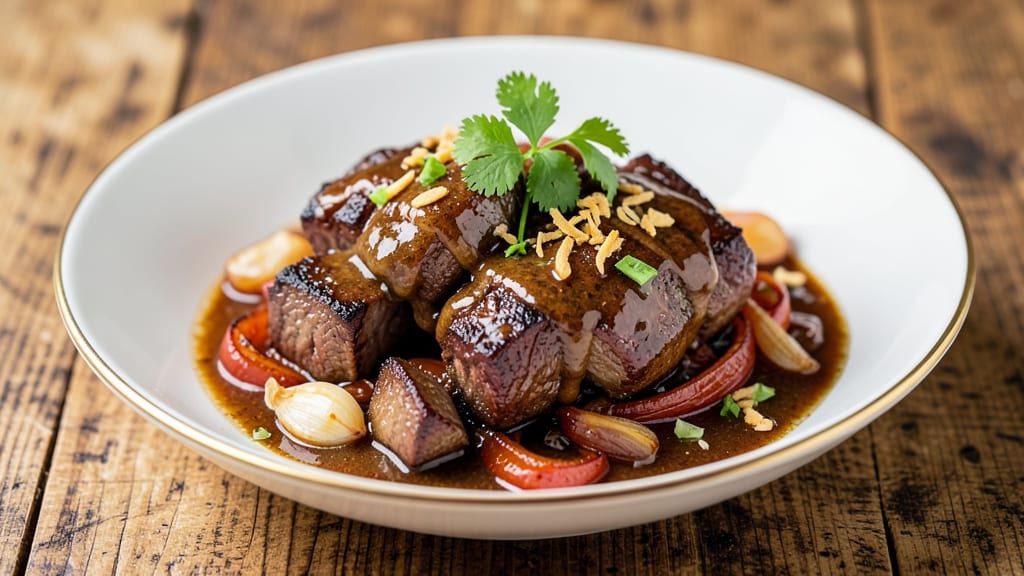
This Asian gravy beef recipe delivers melt-in-your-mouth tenderness with a rich, savory-sweet sauce that clings to every bite—perfect for weeknight dinners or special occasions.
The secret lies in a 45-minute marinade and cooking process that transforms tougher cuts into fork-tender perfection, all while building layers of umami through soy, garlic, and ginger. No slow cooker or fancy techniques required—just precise timing and a few key ingredients that elevate simple beef into something restaurant-worthy.
What sets this dish apart is the balanced gravy—deeply flavorful yet not overpowering, with a glossy sheen that signals a sauce worth licking the plate clean.
We’ll use a quick marinade (no overnight soaking) to infuse the beef with aromatic flavors, then finish with a velvety reduction that coats each slice. The result?
Beef so tender it nearly falls apart, bathed in a sauce that’s rich enough to stand alone but bright enough to complement rice or noodles.
This recipe draws inspiration from Japanese tonkatsu techniques while keeping the process accessible for home cooks. The gravy’s soy-glazed depth comes from a careful balance of sweet and salty, with a touch of mirin or honey to round out the flavors.
Whether you’re serving it over steamed rice, nestled in a bowl of ramen, or piled high on toast, the combination of textures and tastes makes this dish irresistibly comforting.
Ready in just 45 minutes, this recipe proves you don’t need hours in the kitchen to create a meal that feels like a celebration. The beef stays juicy, the sauce clings perfectly, and the aroma alone will have everyone gathered at the table.
Let’s get started—your taste buds (and leftovers) will thank you.
Ingredients for asian gravy beef
Fourteen ingredients transform tough beef into melt-in-your-mouth perfection with restaurant-worthy gravy.
| Ingredient | Amount | Notes |
|---|---|---|
| Beef Chuck Roast 🥩 | 1 ½ lb | Cut into 1-inch cubes |
| Low-Sodium Soy Sauce 🍶 | ½ cup | Kikkoman preferred for balance |
| Brown Sugar 🍯 | ¼ cup | Light or dark works |
| Mirin 🍶 | ¼ cup | Or sub honey at half amount |
| Fresh Ginger 🌿 | 1 tbsp | Finely grated, aromatic |
| Garlic Cloves 🧄 | 6 cloves | Minced for depth |
| Vegetable Oil 🫒 | 1 tbsp | High smoke point |
| All-Purpose Flour 🌾 | 1 tbsp | For gravy thickening |
| Beef Broth 💧 | 1 cup | Low-sodium preferred |
| Cornstarch 🌾 | 1 tsp | For glossy finish |
| Sesame Oil 🫒 | ½ tsp | Toasted sesame aroma |
| Green Onions 🧅 | 2 whole | Sliced for garnish |
| Diamond Crystal Kosher Salt 🧂 | 1 tsp | Adjust to taste |
| Black Peppercorns 🌶️ | ½ tsp | Freshly cracked |
The beef is non-negotiable—chuck roast delivers that signature tender texture, while ribeye or sirloin stays too firm. Costco or local butchers usually carry pre-cubed chuck, saving you chopping time. Look for pieces with good marbling—the fat renders beautifully during cooking. For the soy sauce, Kikkoman is my go-to for that perfect balance of salt and umami, but any low-sodium brand works. The ginger and garlic? Freshly grated and minced make all the difference here—no powdered shortcuts allowed. If you're prepping ahead, store the marinade separately from the beef for up to 3 days in the fridge.
No mirin? Honey or maple syrup at half the amount works in a pinch, though mirin's acidity brightens the sauce. Running low on beef broth? Vegetable broth plus a splash of soy sauce keeps the umami intact. The cornstarch is crucial for that glossy finish—arrowroot powder works too, but cornstarch is more accessible. For a deeper flavor, toast your garlic and ginger in the oil for 30 seconds before adding the beef. The sesame oil should be the toasted variety—it adds that nutty aroma that elevates everything. And if you're serving this over rice? Cook the rice in the leftover beef broth—double flavor boost.
This dish reheats beautifully—4-5 days in the fridge, 3 months frozen. For leftovers, store the beef and sauce separately to prevent sogginess. The gravy thickens as it cools, so thin with a splash of water or broth when reheating. Garnish with those green onions right before serving—they add freshness that cuts through the richness. Portion into meal prep containers for 5 days of lunches. And trust me, the second day is often better than the first as flavors meld.
Why You'll Love This Recipe
- Foolproof Simplicity: Honestly, this recipe is the kind of thing I make when I’ve had a long day and don’t want to think. Slice the beef, toss it in a pot with soy sauce, brown sugar, and ginger—no fancy techniques, no stress. The mirin does most of the work while you’re flipping through Netflix.
- Sweet-Savory Magic: That balance of salty soy, caramelized brown sugar, and bright mirin? It’s the kind of flavor combo that makes you pause mid-bite. The ginger adds this subtle warmth that cuts through the richness—like a hug for your taste buds, but better.
- Leftovers That Win: Between us, this beef is so good cold or reheated it becomes my go-to lunch for days. Pack it in bento boxes, toss it in rice bowls, or even stuff it into wraps—it’s the ultimate meal prep hero. (Yes, even on a Tuesday night.)
- Budget-Buster Beef: A chuck roast is cheap, and this recipe stretches it into multiple meals without skimping on taste. The low-sodium soy sauce keeps it healthy-ish, while the brown sugar and mirin make it feel fancy. Dinner for four, but costs me less than takeout for two.
Step-by-step instructions for soy-glazed Asian gravy beef
Here's the method that delivers melt-in-your-mouth beef with a glossy, aromatic gravy every time.
Sear the Beef for Maximum Flavor
Heat the 1 tablespoon vegetable oil in a large Dutch oven over medium-high heat until shimmering. Working in batches to avoid crowding, add the 1.5 lb Beef Chuck Roast cut into 1-inch cubes and sear for 2-3 minutes per side until deeply browned. This step builds the rich foundation for your gravy.
You'll know it's ready when the beef releases easily from the pan with a gentle shake. Transfer the seared beef to a plate and set aside. Don't drain the pan—those browned bits packed with flavor will form the base of your gravy. Real talk: skipping this step means a pale, flavorless sauce. Trust the process.
Build the Flavor Base with Aromatics
In the same Dutch oven, reduce heat to medium and add the 1 tablespoon finely grated fresh ginger and 6 cloves minced garlic cloves. Sauté for 1-2 minutes until fragrant and just beginning to color—this prevents bitter garlic flavors. Here's where the magic starts: add the 0.5 cup low-sodium soy sauce, 0.25 cup brown sugar, and 0.25 cup mirin. Stir well to deglaze the pan.
Let the mixture simmer for 3-4 minutes until slightly reduced. This concentrated blend of sweet, salty, and umami flavors will transform your simple beef into something extraordinary. If the mixture starts to stick, add 2 tablespoons of beef broth to loosen it. The sugar will begin to caramelize slightly, deepening the flavor profile.
Thicken the Gravy with Cornstarch Slurry
Return the seared beef to the Dutch oven and pour in the 1 cup beef broth. Bring to a gentle simmer, then reduce heat to low. In a small bowl, whisk together the 1 tablespoon all-purpose flour and 1 teaspoon cornstarch with 2 tablespoons cold water to form a smooth slurry. This is your secret weapon for achieving that perfect velvety texture.
Slowly pour the slurry into the simmering beef mixture while stirring constantly. The gravy will begin to thicken immediately. Continue cooking for 5-7 minutes until the sauce coats the back of a spoon and the beef is fork-tender. You're aiming for a glossy, slightly glossy finish—not gluey. If it thickens too quickly, add another splash of broth to reach your desired consistency.
Finish with Sesame Oil and Garnish
Remove the Dutch oven from heat and stir in the 0.5 teaspoon sesame oil. This final touch adds a nutty aroma that elevates the entire dish. Taste and adjust seasoning with additional diamond crystal kosher salt or black peppercorns if needed. The balance should be sweet, salty, and umami-rich with a subtle nutty finish.
Ladle the beef and gravy into serving bowls and garnish with 2 whole green onions sliced into ¼-inch pieces. The contrast of fresh green against the rich gravy creates a visually stunning presentation. Serve immediately over steamed rice to soak up every last drop of that luxurious sauce. The beef should be so tender it practically melts in your mouth, with a glossy glaze that's irresistibly flavorful.
Pro Tips For Making Asian Gravy Beef
- SEAR THE ROAST FIRST: Don’t skip the initial sear—get that beef chuck roast screaming hot in a dry pan for 3-4 minutes per side before adding liquid. I learned this the hard way: skipping it means flavorless, mushy beef that just falls apart when you slice. The crust locks in juices and carries the sauce’s sweet-savory punch.
- GRATE THE GINGER FINE: No, "chopped" isn’t good enough—use a microplane or fine grater for the ginger. You want it almost paste-like so it dissolves into the sauce instead of sitting as chunks. (Yes, even if it looks weird—your future self will taste the difference.)
- DEGLAZE WITH MIRIN FIRST: After searing, pour in the mirin before anything else—it’ll break down the browned bits faster than water or broth. Let it simmer 2 minutes to bloom the flavor, then add soy and sugar. This shortcut cuts the scraping time in half and makes the sauce glossier.
- SIMMER LOW AND LONG: The beef needs 2.5–3 hours on low heat, not a rushed 2 hours on high. I used to rush it, and the sauce turned cloying while the meat stayed chewy. Keep it at a bare simmer—just enough to bubble gently—and check the internal temp (195°F for pull-apart tenderness). Patience here makes the dish.
Flavor customization for these flavors
Sweet Heat Balance
For a spicier kick, add 1 teaspoon gochujang or ½ teaspoon sriracha to the soy sauce mixture while building the flavor base. The Korean fermented chili paste (gochujang) adds depth, while sriracha brings bright heat.
I like to balance this with an extra ½ teaspoon of honey to mellow the burn while keeping the sauce glossy. 🌶️
Umami Bomb Boost
Elevate the gravy with 1 tablespoon fish sauce or 1 teaspoon oyster sauce>—both pack intense umami flavor. Add them with the soy sauce and mirin during Step 2.
For vegetarian versions, swap in 1 tablespoon mushroom powder> or 2 tablespoons nutritional yeast> for a meaty depth without animal products. The sauce will taste richer and more complex.
Creamy Coconut Twist
Transform this into a Thai-inspired dish by replacing the beef broth with 1 cup coconut milk> and adding 1 teaspoon red curry paste> during Step 2. The coconut milk creates a luscious, velvety texture while the curry paste adds aromatic heat.
Finish with ½ teaspoon lime zest> for brightness—this version pairs perfectly with jasmine rice or noodles.
Smoky BBQ Fusion
For a smoky-sweet fusion, replace half the soy sauce with ¼ cup BBQ sauce> (I recommend Sweet Baby Ray's Original>) and add ½ teaspoon smoked paprika> during the searing step.
The caramelized onions from the BBQ sauce deepen the flavor while the paprika adds a subtle smokiness. This version works beautifully as a sandwich filling or over mashed potatoes.
Herbaceous Freshness
Brighten the dish with 1 tablespoon chopped cilantro> or 1 teaspoon Thai basil> stirred into the gravy during the final step. For a more robust herb profile, add 1 clove roasted garlic> (instead of raw) during the aromatic phase.
The herbs add freshness that cuts through the richness, making each bite feel lighter and more vibrant. ✨
Citrus Zing Finish
Finish the gravy with 1 tablespoon fresh lime juice> or orange zest> for a tangy contrast. The acidity brightens the flavors and balances the sweetness. I like to add this during the last 2 minutes> of cooking to preserve the citrus's freshness.
Garnish with a few drops of lime juice before serving for an extra pop of color and flavor.
Nutrition facts
Frequently asked questions
Can I use a different cut of beef for this recipe?
While chuck roast is ideal for its tenderness, you can use ribeye or sirloin in a pinch—but expect slightly firmer results. For best texture, cut the meat into 1-inch cubes and sear them thoroughly. If using tougher cuts like flank steak, marinate for 30 extra minutes to break down fibers. Never use ground beef—the fat distribution is completely different.
How do I adjust the sweetness in the gravy?
The recipe balances sweet and salty perfectly, but you can tweak it easily. For less sweetness, reduce brown sugar to 2 tablespoons and add 1 extra tablespoon soy sauce. For more caramelized depth, increase brown sugar to ⅓ cup and simmer the sauce 2 extra minutes uncovered. The mirin adds brightness—if you omit it, use 1 extra teaspoon honey.
Can I make this recipe in an Instant Pot?
Yes! Sear the beef first in a skillet, then transfer to your Instant Pot with all ingredients except cornstarch. Cook on High Pressure for 15 minutes, then quick-release. For thickening, mix 1 tablespoon cornstarch with 2 tablespoons water and stir in during the last 2 minutes of natural release. The pressure cooker keeps the beef juicy while developing rich flavors.
What's the best way to reheat leftovers?
Reheat in a skillet over medium-low heat with 1 tablespoon beef broth to loosen the gravy. Cover and warm for 3-4 minutes—never microwave, as it makes the gravy watery. For extra richness, add ½ teaspoon sesame oil when reheating. Leftovers keep well for 4-5 days in the fridge or 3 months frozen.
How can I make this dish vegetarian?
Replace the beef with 1.5 lb extra-firm tofu or mushroom medley (shiitake + cremini). For tofu, press and cube before searing. Use 1 tablespoon mushroom powder or 2 tablespoons nutritional yeast in place of beef broth to boost umami. The gravy will still coat beautifully, though texture will differ. Garnish with extra green onions and sesame seeds for freshness.