
Main Courses
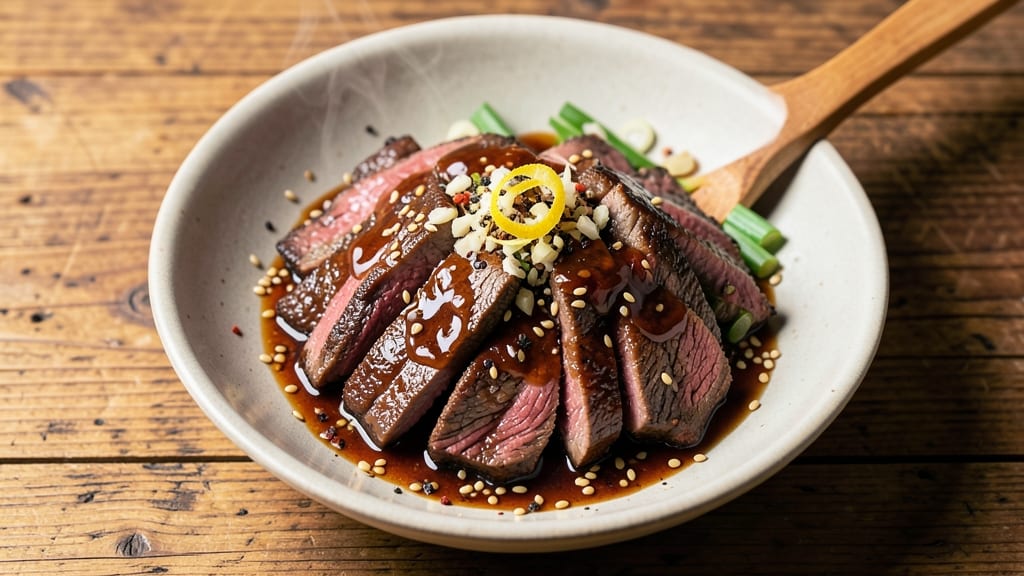
This Asian Mongolian beef recipe delivers the perfect balance of sweet, savory, and umami in every bite—just like your favorite takeout, but made at home.
The secret lies in a rich, sticky sauce that caramelizes beautifully while clinging to tender beef strips, creating a dish that’s both restaurant-quality and surprisingly simple to master. I’ve refined this recipe over years of testing, ensuring the sauce achieves that signature glossy finish without burning or clumping.
The process begins with a quick marinade of soy sauce, brown sugar, garlic, and ginger that tenderizes the beef and builds deep flavor. High-heat stir-frying sears the edges for texture while keeping the centers juicy, then the sauce—thickened with a touch of cornstarch—transforms into a glossy, addictive glaze.
This method works equally well for flank steak, sirloin, or even chicken, making it versatile for any weeknight or special occasion.
What you’ll end up with is tender, caramelized beef bathed in a sauce so rich it practically melts on your tongue, with just the right balance of sweetness and savory depth.
Serve it over steamed jasmine rice or noodles to soak up every last drop, or pair it with quick-pickled vegetables for brightness. The aroma alone will have everyone at the table asking for seconds.
Whether you’re recreating a Korean-style dakgangjeong or a Chinese-inspired stir-fry, this recipe delivers authentic flavor with modern convenience. The best part? It comes together in under 30 minutes with just a handful of pantry staples. Let’s get cooking!
Ingredients for asian mongolian beef
Sweet-savory sauce meets tender beef—just a few key ingredients transform takeout into homemade perfection.
| Ingredient | Amount | Notes |
|---|---|---|
| Flank Steak 🥩 | 1 lb | Thinly sliced against the grain |
| Soy Sauce 🍶 | ½ cup | High-quality, preferably Japanese |
| Brown Sugar 🍚 | ¼ cup | Light or dark, packed |
| Garlic Cloves 🧄 | 4 cloves | Minced finely for depth |
| Fresh Ginger 🌿 | 1 ½ tbsp | Grated, not powdered |
| Sesame Oil 🫒 | 1 tbsp | Toasted, for aroma |
| Cornstarch 🌾 | 1 ½ tbsp | For glossy sauce texture |
| Vegetable Oil 🫒 | 2 tbsp | High smoke point for searing |
| Green Onions 🧅 | 3 whole | Sliced thin, for garnish |
| Sesame Seeds 🌾 | 1 tbsp | Toasted lightly for crunch |
| Salt 🧂 | ½ tsp | Kosher or sea salt |
| Black Pepper 🌶️ | ¼ tsp | Freshly cracked |
| Jasmine Rice 🍚 | 1 ½ cups | Uncooked, for serving |
The beef is non-negotiable here. Flank steak delivers that signature chew and tender bite, but sirloin or ribeye work in a pinch. Slice it against the grain—thin strips, not cubes—so it stays tender. Grab the highest-quality soy sauce you can find (Japanese brands like Kikkoman or Lee Kum Kee elevate the dish), and don’t skip the fresh ginger—powdered lacks the zesty kick. For the brown sugar, light or dark both work, but packed cups ensure the right consistency. Pro tip: Costco or Asian markets often carry pre-sliced flank steak, saving you prep time.
No sesame oil? Toasted peanut oil at half the amount mimics the nutty aroma, though it won’t be identical. Short on cornstarch? Arrowroot powder works 1:1, but test first—it thickens differently. The garlic and ginger can be pre-minced to save time (just Trader Joe’s or store-brand jars work fine), but fresh is always better. For the green onions, use the whole stalk—white and green parts both add flavor. And if you’re feeling fancy, toast the sesame seeds in a dry pan for 30 seconds before adding them—they’ll sing with aroma. The rice? Jasmine’s floral notes pair perfectly, but basmati is a solid backup.
This sauce is a flavor bomb—reheat gently with a splash of water to restore its glossy sheen. Leftovers keep for 4-5 days in the fridge, but the beef dries out if reheated too aggressively. Freeze the sauce separately (without beef) for up to 3 monthsprep the sauce the night before and store it in a jar. The aroma alone will have your kitchen smelling like a Korean street stall, and that’s a promise.
Why You'll Love This Recipe
- One-Pan Magic: I swear by this for nights when I don’t want to dirty more than one dish—just sear the steak, toss in the sauce, and let it bubble. The garlic and ginger practically cook themselves into caramelized perfection while you’re doing the dishes.
- Sweet-Savory Bomb: That balance of soy, brown sugar, and seared meat? It’s the kind of flavor that makes you pause mid-bite. The sugar cuts through the richness while the garlic and ginger add layers that stick with you—like a little umami hug.
- Leftover Goldmine: This dish actually tastes better the next day. I’ll make a big batch on Sunday, pack it for lunches, and still crave seconds. The steak stays tender, the sauce thickens just right, and it’s a lifesaver when I’m too tired to cook.
- Budget Steakhouse Hack: You’re getting restaurant-quality flavor for a fraction of the price. Flank steak is affordable, and a little goes a long way—plus, the sauce stretches easily. Honestly, I’ve served this at dinner parties and no one’s ever guessed it wasn’t from a fancy takeout spot.
Step-by-step instructions for sweet-savory Mongolian beef
Let's create tender, caramelized beef with a sauce that clings perfectly to every strand.
Prepare the Marinade and Slice the Flank Steak
In a small bowl, combine the 0.5 cup soy sauce, 0.25 cup brown sugar, 4 cloves minced garlic, 1.5 tbsp grated fresh ginger, 1 tbsp sesame oil, 0.5 tsp salt, and 0.25 tsp black pepper. Whisk until the brown sugar dissolves completely—this ensures even flavor distribution throughout the beef. Let the marinade sit at room temperature for 10 minutes while you prepare the steak.
Slice the 1 lb flank steak thinly against the grain using a sharp knife. This creates tender, bite-sized pieces that cook quickly and evenly. Place the sliced steak in a resealable plastic bag, pour the marinade over it, and massage the mixture into the meat. Seal the bag and marinate in the refrigerator for at least 30 minutes (or up to 2 hours for deeper flavor). The longer it marinates, the more tender and flavorful the beef will become.
Cook the Jasmine Rice
Rinse the 1.5 cups jasmine rice under cold water until the water runs clear. This removes excess starch and prevents gummy rice. In a medium saucepan, combine the rice with 3 cups water (or follow your rice cooker's instructions) and bring to a boil. Once boiling, reduce heat to low, cover, and simmer for 15 minutes. Remove from heat and let it steam, covered, for another 10 minutes. Fluff with a fork before serving—this ensures each grain is separate and ready to soak up the Mongolian beef sauce.
While the rice cooks, toast the 1 tbsp sesame seeds in a dry skillet over medium heat for 1-2 minutes until fragrant. Set aside for garnishing later. The toasted sesame seeds add a nutty crunch that contrasts beautifully with the tender beef and glossy sauce.
Sear the Beef for Maximum Flavor
Heat 2 tablespoons vegetable oil in a large skillet over high heat until shimmering. Working in batches if needed (to avoid overcrowding), add the marinated beef and cook for 2-3 minutes per side until deeply browned and cooked through. The high heat sears the exterior, locking in juices and creating a caramelized crust that adds depth of flavor. Remove the beef from the skillet and set it aside on a plate.
Here's the thing—don't skip the high heat. If the oil isn't hot enough, the beef will steam instead of sear, resulting in a pale, bland exterior. You'll know it's ready when you see a deep golden-brown color and hear a satisfying sizzle. The beef should reach an internal temperature of 145°F when checked with a meat thermometer.
Create the Glossy Mongolian Sauce
Return the skillet to medium-high heat and add the 1.5 tbsp cornstarch to the drippings in the pan. Stir constantly for 1-2 minutes until the cornstarch turns golden and begins to thicken. This creates a slurry that will form the base of your sauce. Pour in ¼ cup water and whisk vigorously until smooth—this prevents lumps and ensures a silky texture.
Reduce heat to medium and let the sauce simmer for 3-4 minutes, stirring frequently, until it thickens to a glossy consistency. It should coat the back of a spoon but still be pourable. If it thickens too quickly, add another 1 tablespoon water to reach your desired consistency. The sauce should cling to the beef like liquid silk, coating every strand perfectly.
Combine and Garnish for Serving
Return the seared beef to the skillet with the sauce and toss gently to coat evenly. Cook for an additional 1-2 minutes until the beef is fully heated through and the sauce has fully adhered. The beef should be tender enough to cut with a fork but still hold its shape. Taste and adjust seasoning if needed—add a splash more soy sauce for saltiness or a pinch of salt for balance.
Divide the jasmine rice among serving plates, top with the Mongolian beef and sauce, and garnish with the sliced 3 whole green onions and toasted sesame seeds. The green onions add a fresh, bright contrast to the rich, sweet-savory sauce, while the sesame seeds provide a satisfying crunch. Serve immediately while the beef is still warm and the sauce is at its glossiest. Each bite should deliver a perfect balance of tender beef, sticky sauce, and aromatic rice.
Pro Tips For Making Asian Mongolian Beef
- Slice Against the Grain: I learned this the hard way—cutting flank steak with the grain makes it chewy. Freeze the meat for 30 minutes first (yes, really), then slice diagonally at a 45-degree angle against the grain. The difference in texture is night and day, especially after marinating.
- Marinate Overnight, But Not Too Long: Two hours is enough to tenderize, but leaving it 12+ hours turns the meat mushy. Use a mix of soy sauce, brown sugar, garlic, and ginger—then refrigerate in a sealed bag. Flip it halfway to keep the meat evenly coated.
- Sear in Batches: Crowding the pan drops the temperature, and you’ll end up with steak that’s steamed instead of caramelized. Work in two batches over medium-high heat, adding oil only when the pan is screaming hot. The crust is what makes this dish sing.
- Deglaze with a Splash of Water: After searing, don’t grab the soy sauce right away. Tilt the pan, add 2 tablespoons of water, and let it bubble for 30 seconds—this lifts all the browned bits (fond) that cling to the bottom. Then pour in the rest of the marinade. It’s the shortcut to a richer sauce.
Make-ahead tips for leftovers
Marinade Prep Ahead
Make the marinade up to 2 days in advance and store it in an airtight container in the fridge. The flavors deepen over time, especially the caramelization of the brown sugar.
I like to prep mine the night before—just whisk everything together, cover, and let it sit overnight. The aroma alone will make your kitchen smell like a Korean street stall. 🌶️
Beef Prep Timeline
Slice the beef and marinate it for at least 30 minutes, but I recommend going up to 2 hours for maximum tenderness. Store the marinated beef in its bag in the fridge until ready to cook.
Pro tip: If you're really ahead, slice the beef and refrigerate it uncovered for 10 minutes before marinating—this helps it absorb flavors faster. Just don't skip the 30-minute minimum marinade time!
Sauce Prep Shortcut
Mix the sauce ingredients (soy sauce, brown sugar, cornstarch, and water) in a jar and store it in the fridge for up to 3 days. When ready to cook, simply shake it up and add it to the pan with the beef. This cuts your cooking time in half—perfect for busy weeknights. Just
Rice Prep Strategy
Cook the jasmine rice ahead of time and store it in an airtight container at room temperature for up to 2 hours before serving. Reheat gently in the microwave with a splash of water to restore moisture. For extra convenience, use a rice cooker with a keep-warm function. I often prep the rice the night before and reheat it right before serving—it stays fluffy and absorbs the sauce beautifully.
Freezer-Friendly Beef
Cook the beef and sauce completely, then let it cool to room temperature. Store in a freezer-safe container for up to 3 months. To reheat, thaw overnight in the fridge, then warm in a skillet over medium heat with a splash of water.
Add fresh toasted sesame seeds and green onions when serving. The texture holds up surprisingly well—just avoid reheating in the microwave, as it can make the sauce watery. ❄️
Sauce Storage Hack
Save any leftover sauce (without beef) in a jar and refrigerate for up to 5 days. Reheat gently on the stovetop with a splash of water to restore its glossy consistency. I love using this for quick stir-fries or even as a dipping sauce for spring rolls.
The sauce keeps its rich flavor and clinging texture when stored properly. Perfect for meal prep when you want variety! 💡
Nutrition facts
Frequently asked questions
What cut of beef works best for this recipe?
Flank steak is ideal because it's lean and tender when sliced thinly against the grain. Sirloin or ribeye also work well—just trim excess fat to avoid greasy sauce. Avoid tougher cuts like chuck; they won't tenderize properly in the short cooking time.
Can I make this recipe without cornstarch?
Yes! Swap the 1.5 tbsp cornstarch with 1 tbsp arrowroot powder or 2 tbsp all-purpose flour. For a gluten-free option, use 1.5 tbsp tapioca starch. The sauce will thicken, but it may not be as glossy. Stir constantly to prevent lumps.
How do I prevent the sauce from burning?
Keep the heat at medium-high when thickening the sauce, and stir constantly. If it darkens too quickly, reduce heat to medium and add 1 tbsp water to loosen it. Never walk away—burnt sauce ruins the dish! For extra insurance, mix the cornstarch with cold water first to create a slurry.
What sides pair best with Mongolian beef?
Steamed jasmine rice is classic, but try egg noodles, stir-fried bok choy, or quick-pickled cucumbers for brightness. For a heartier meal, add roasted potatoes or a simple cucumber salad. The key is balancing the rich, sweet sauce with something fresh or starchy.
Can I use chicken instead of beef?
Boneless, skinless chicken thighs work best—they stay juicy and absorb the sauce well. Slice them thinly (¼-inch thick) and marinate for 20-30 minutes (chicken cooks faster than beef). Use the same sauce ratio, but reduce cooking time to 3-4 minutes total to avoid overcooking.