
Main Courses
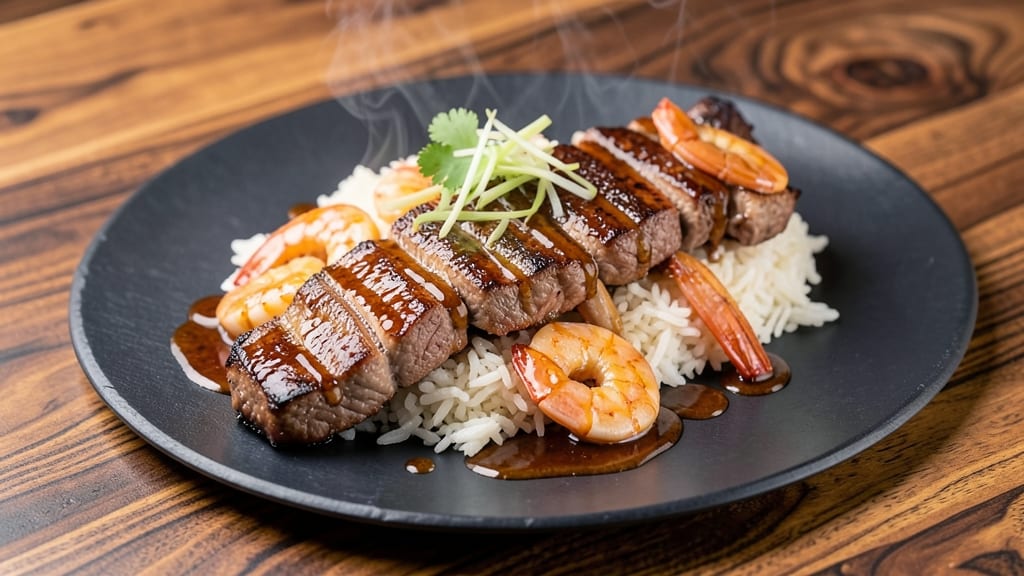
This beef and shrimp teriyaki recipe delivers a perfect balance of sweet, savory, and umami flavors that caramelize into a glossy, sticky glaze. The combination of tender beef strips and succulent shrimp creates a dish that's rich yet light, with each bite offering contrasting textures—juicy protein against the silky sauce.
I've refined this recipe over countless weeknight dinners, ensuring it's foolproof whether you're grilling, pan-searing, or broiling.
The secret lies in the teriyaki sauce, which requires just 10 minutes of simmering to develop its signature depth. We'll use a mix of soy sauce, mirin, and brown sugar for that classic sweet-savory profile, with a touch of ginger and garlic for aromatic complexity.
For the proteins, high-heat searing creates a caramelized crust while keeping the centers tender, and the sauce finishes with a beautiful caramelized sheen that clings perfectly to every piece.
What you'll end up with is a restaurant-quality dish that's equally impressive served over steamed jasmine rice or alongside roasted vegetables. The shrimp cooks in just 2 minutes per side, while the beef develops a perfect sear in 3-4 minutes, ensuring no one piece feels overcooked.
This recipe also includes critical cross-contamination precautions for handling raw beef and shrimp safely in the same kitchen.
Perfect for family dinners, meal prep, or entertaining guests, this teriyaki masterpiece comes together in under 45 minutes. The sauce can be made ahead and reheated, while the proteins cook quickly when needed. Here's how to achieve that perfect balance of flavors and textures every time.
Ingredients for beef and shrimp teriyaki
Sweet-savory teriyaki magic with beef and shrimp—just 15 ingredients for restaurant-quality flavor.
| Ingredient | Amount | Notes |
|---|---|---|
| Beef Sirloin 🥩 | 1 lb | Thinly sliced against grain |
| Large Shrimp 🦐 | 1 lb | Peeled, deveined, tails on |
| Soy Sauce 🍶 | ½ cup | High-quality, low-sodium preferred |
| Mirin 🍶 | ¼ cup | For authentic sweetness |
| Brown Sugar 🍚 | ¼ cup | Packed firmly |
| Fresh Ginger 🌿 | 2 tbsp | Finely grated, aromatic |
| Garlic Cloves 🧄 | 4 cloves | Minced, fresh preferred |
| Sesame Oil 🫒 | 1 tbsp | Toasted, for aroma |
| Jasmine Rice 🍚 | 1 ½ cups | Uncooked, long-grain |
| Vegetable Oil 🫒 | 2 tbsp | High smoke point |
| Cornstarch 🌾 | 1 tbsp | For sauce thickening |
| Sesame Seeds 🌾 | 1 tbsp | Toasted, for garnish |
| Green Onions 🧅 | 3 whole | Sliced, for garnish |
| Salt 🧂 | 1 tsp | Kosher or sea salt |
| Black Pepper 🌶️ | ½ tsp | Freshly ground |
The beef and shrimp are the stars, so quality matters. Thinly sliced sirloin (against the grain) stays tender, while large shrimp with tails on add drama to the plate. For the beef, grab sirloin or ribeye from the butcher counter—they slice it perfectly thin. Shrimp? Wild-caught or sustainably farmed makes a difference in flavor. Look for fresh, plump shrimp with a sweet smell and firm texture. If you're prepping ahead, store raw beef and shrimp separately in the fridge—never mix them to avoid cross-contamination.
No mirin? Dry sherry plus a splash of sugar works in a pinch, though it won't be identical. Fresh ginger and garlic are non-negotiable for that authentic depth—dried just won't cut it. The soy sauce should be high-quality, low-sodium like Kikkoman or Yamasa. For a quicker sauce, dissolve the cornstarch in cold water first, then whisk into the simmering sauce. The sesame oil adds incredible aroma, but use sparingly—a little goes a long way. If you're short on time, swap jasmine rice for any long-grain variety, but jasmine's floral notes complement the teriyaki perfectly.
This sauce is better the next day—make it ahead and reheat when ready to serve. Store leftovers in airtight containers for 3-4 days in the fridge or 3 months frozen. The proteins reheat beautifully in a skillet with a splash of water to keep them moist. For meal prep, portion the sauce and proteins separately. Garnish with toasted sesame seeds and green onions right before serving—they add freshness that wilt if prepped too early. The rice keeps well too, but reheat with a splash of water for fluffiness.
Why You'll Love This Recipe
- One-Pan Magic: I swear by this for lazy nights—just sear the beef and shrimp, toss in the teriyaki glaze (soy, mirin, brown sugar), and let it simmer. No flipping pans, no stress, just sticky-sweet perfection with zero cleanup.
- Sweet-Savory Balance: That combo of mirin and brown sugar turns the soy sauce into something ridiculously good—caramelized edges on the beef, juicy shrimp, and a glossy sauce that clings like it’s been simmering for hours. Honestly, it’s the kind of flavor that makes you pause mid-bite.
- Weeknight to Weekend: Make it for Tuesday dinner or double the batch for Sunday leftovers—it reheats like a dream. My kids even ask for it at potlucks, which, between us, is the highest praise.
- Budget Flexibility: Beef sirloin keeps it special, but swap in chicken thighs or tofu if needed. The shrimp adds luxury without breaking the bank, and the teriyaki glaze stretches to feed four (or two very hungry people). Practical? Absolutely. Delicious? Even more so.
Step-by-step instructions for beef and shrimp teriyaki
Here's how to create that irresistible caramelized glaze while keeping the proteins perfectly tender.
Prepare the Jasmine Rice Foundation
Rinse the 1.5 cups jasmine rice thoroughly under cold water until the water runs clear. This removes excess starch that would make the rice gummy. Drain well and transfer to a pot with 3 cups water, ½ teaspoon salt, and ½ teaspoon black pepper. Bring to a boil, then reduce heat to low, cover, and simmer for 15 minutes. Turn off heat and let it steam for another 10 minutes—this resting period develops the perfect fluffy texture.
I like to fluff the rice gently with a fork before serving, but don't overmix or you'll crush the grains. Keep the rice warm while you prepare the teriyaki sauce and proteins. The aroma alone will make your kitchen smell amazing, but trust me, the flavors get even better when everything comes together.
Create the Signature Teriyaki Sauce
In a medium saucepan, combine the ½ cup soy sauce, ¼ cup mirin, ¼ cup packed brown sugar, 2 tablespoons finely grated fresh ginger, and 4 minced garlic cloves. Bring to a gentle boil over medium heat, then reduce to a simmer. Let it cook uncovered for 8-10 minutes until it reduces by about half and becomes syrupy. This reduction is crucial—it concentrates the flavors and creates that perfect caramelized glaze.
Stir occasionally and watch for bubbles forming around the edges—that's your signal the sauce is thickening. If it reduces too quickly, lower the heat slightly. Once it reaches the right consistency (it should coat the back of a spoon), whisk in the 1 tablespoon cornstarch mixed with 2 tablespoons cold water to help it thicken further. Simmer for another 1-2 minutes until glossy and smooth. Remove from heat and stir in 1 tablespoon toasted sesame oil—this adds that authentic umami depth.
Cook the Beef and Shrimp Separately
Heat 2 tablespoons vegetable oil in a large skillet over medium-high heat. Add the 1 lb thinly sliced beef sirloin (cut against the grain) in a single layer and sear for 2-3 minutes until deep brown on both sides. The beef should be cooked to medium-rare—about 145°F internal temperature. Remove and set aside.
In the same skillet, add the 1 lb large shrimp (peeled and deveined with tails on) and cook for 1-2 minutes per side until they turn pink and opaque. Shrimp cook incredibly fast, so don't walk away—overcooking turns them rubbery. Remove shrimp and set aside with the beef. Here's the thing—both proteins will finish cooking when they hit the hot sauce, so we're just getting them partially done now.
Combine and Glaze to Perfection
Return the skillet to medium heat and pour in the prepared teriyaki sauce. Add the cooked beef and shrimp back to the skillet, spooning the sauce over them generously. Let it simmer for 2-3 minutes, stirring occasionally, until everything is coated in that beautiful caramelized glaze. The sauce should cling to the proteins and create those glossy, sticky strands that make this dish so irresistible.
Taste and adjust seasoning if needed—you might want to add a splash more soy sauce for saltiness or a touch of mirin for sweetness. The shrimp and beef should be fully cooked now, with the beef reaching 160°F internal temperature. Transfer everything to a serving platter and garnish with 1 tablespoon toasted sesame seeds and 3 sliced green onions for freshness and crunch.
Serve Over Jasmine Rice
Spoon the beef and shrimp mixture over the fluffy jasmine rice, letting the sauce cascade beautifully. The rice should be warm but not mushy—it should hold its shape while soaking up those teriyaki flavors. Serve immediately while the sauce is still glossy and the rice is hot. This dish tastes best straight from the stove when all those aromatic elements are at their peak.
For an extra-special touch, drizzle any extra sauce from the pan over the top before serving. The contrast of the tender proteins, sticky glaze, and fragrant rice creates a harmonious bite that's simply perfect. And remember—this recipe makes enough for leftovers, which actually taste even better the next day when the flavors meld even more!
Pro Tips For Making Beef And Shrimp Teriyaki
- SEAR BEFORE SAUCE: Walk the beef through the pan until it hits 145°F—don’t rush the crust. I learned this the hard way when my sirloin turned out chewy because I pulled it too soon to toss in the teriyaki. Shrimp go in last, just until opaque, or they’ll turn rubbery while the beef finishes.
- PEEL SHRIMP LAST MINUTE: Keep those shrimp shells on until the very second they hit the pan—it traps flavor like a flavor bomb. After searing, peel and devein while the sauce simmers, so you’re not scrambling with cold shrimp. (Yes, even if you’re impatient like me.)
- REDUCED SAUCE FIRST: Don’t dump the raw teriyaki mix on the beef—simmer soy, mirin, and brown sugar until it’s thick enough to coat the back of a spoon. My grandmother swore by this, and she was right: thin sauce just steams the meat instead of glazing it.
- CUT BEEF AGAINST GRAIN: Slice the sirloin thinly after resting, and always against the grain—no exceptions. I skip this when I’m lazy, but the dish is noticeably better when I don’t. For shrimp, leave them whole unless you’re serving kids or picky eaters.
Storing and reheating this beef and shrimp teriyaki
Sauce Storage Secrets
The teriyaki sauce is the heart of this dish, and it actually improves overnight! Store any leftover sauce in an airtight container in the fridge for up to 5 days. For longer storage, freeze it in ice cube trays—thaw just what you need for quick reheating.
When reheating, warm over low heat with a splash of water to prevent burning. The sauce thickens as it cools, so you may need to thin it slightly with water or mirin when reheating. 💫
Protein Prep Ahead
Cook the beef and shrimp separately to avoid overcooking—this is key! Store cooked proteins in separate airtight containers (never mix raw and cooked) for up to 3 days. Reheat in a skillet over medium heat with a splash of water or sauce to keep them moist.
For shrimp, reheat for just 1-2 minutes—they dry out quickly. Beef can handle 3-4 minutes on medium-low. Always check internal temps: 165°F for shrimp and 160°F for beef. ✨
Rice Revival Tricks
Cooked jasmine rice reheats best in the microwave—cover with a damp paper towel and heat in 1-minute intervals until steaming. For stovetop reheating, add 2 tablespoons water per cup of rice and simmer covered for 3 minutes.
The rice should be hot but not mushy. If it's too dry, add a splash of water or teriyaki sauce. Store rice in an airtight container for up to 4 days or freeze for 3 months. 🍚
Leftovers Makeover
Transform leftover teriyaki into a quick stir-fry by adding steamed veggies like broccoli or snap peas. Or make teriyaki bowls with extra rice, avocado, and sesame seeds. For a teriyaki fried rice, scramble in an egg and top with green onions.
Always store leftovers in shallow containers for even cooling—this prevents bacterial growth. The flavors deepen overnight, making leftovers taste even better! 💛
Freezer-Friendly Tips
Freeze teriyaki sauce in 1-cup portions for easy thawing. For proteins, freeze cooked beef and shrimp on a tray first to prevent sticking, then transfer to a freezer bag. Thaw overnight in the fridge before reheating.
Rice freezes well too—portion into single servings and reheat with a splash of water. Label everything with dates to track freshness. When reheating from frozen, add extra time (50% longer) to ensure even heating. ❄️
Nutrition facts
Frequently asked questions
Can I substitute chicken for the shrimp in this recipe?
Swap the shrimp for 1 lb boneless, skinless chicken thighs or breasts, cut into bite-sized pieces. Cook them for 5-6 minutes until fully done (165°F internal temp) before adding to the sauce. Chicken absorbs teriyaki beautifully, though it won't have the same delicate texture as shrimp.
How do I prevent the beef from becoming tough?
Slice the beef thinly against the grain and marinate for at least 30 minutes (or overnight) in a mix of soy sauce, mirin, and a touch of oil. High-heat searing for only 2-3 minutes per side creates a tender crust without overcooking. Never skip the resting period—let the beef rest 5 minutes before slicing to retain juices.
What's the best way to thicken the sauce if it's too thin?
Mix 1 tablespoon cornstarch with 2 tablespoons cold water, then whisk into the simmering sauce. Cook for 1-2 minutes until it reaches your desired consistency. For a quicker fix, mash a few cooked rice grains into the sauce—they'll absorb excess liquid while adding subtle flavor.
Can I make this dish in a slow cooker?
Yes, but with adjustments: Sear the beef and shrimp first, then transfer everything to the slow cooker with the sauce. Cook on low for 2-3 hours (stirring occasionally) until the beef reaches 160°F. The sauce may need thickening afterward—use the cornstarch method above. The slow cooker works best for reheating leftovers rather than fresh prep.
Why does my teriyaki sauce taste too salty?
High-sodium soy sauce is often the culprit. Use low-sodium soy sauce and balance with extra mirin or brown sugar. If already made, dilute slightly with water or add a splash of rice vinegar to brighten flavors. Taste as you go—reduce heat if needed to concentrate flavors without adding more salt.