
Soups & Stews
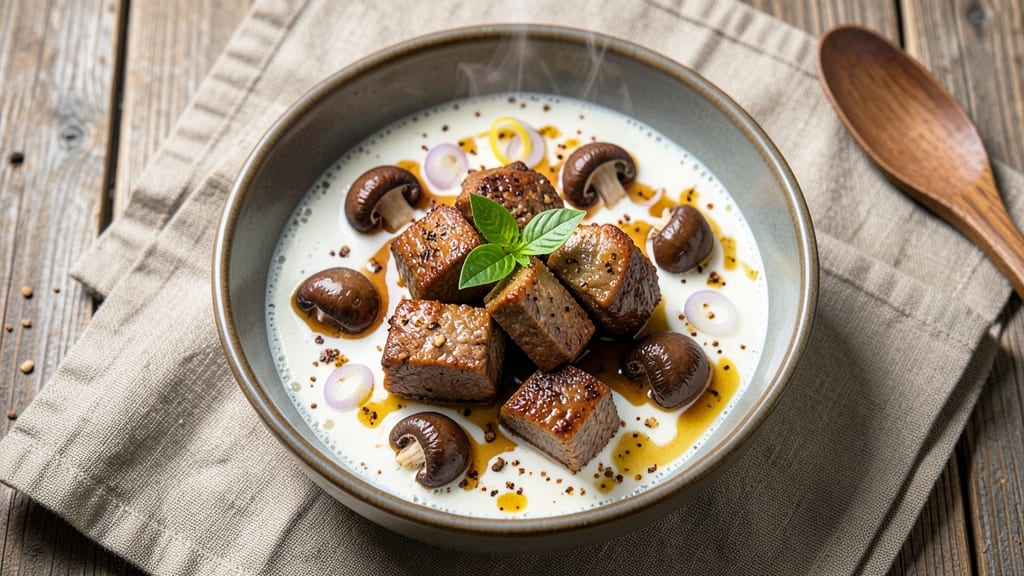
This Asian-style beef stew transforms tough cuts into melt-in-your-mouth tender bites with a deep, umami-rich broth that's impossible to resist. The secret lies in marinating beef with soy sauce and five-spice powder before slow-browning, then simmering with aromatic vegetables until the meat falls apart.
I developed this recipe after years of testing different Asian braising techniques, and it consistently delivers restaurant-quality results at home.
The foundation of this stew is a balanced broth made with soy sauce, coconut milk, and a touch of fish sauce for depth. Unlike traditional Western beef stews, this version incorporates ingredients like shiitake mushrooms and bok choy for authentic texture and flavor.
The slow cooking process—about 2 hours on low heat—allows the beef to become fork-tender while developing complex flavors.
By the time you're done, you'll have a steaming bowl of rich, aromatic stew with perfectly tender beef, glossy vegetables, and a sauce that coats every bite.
The combination of sweet, savory, and slightly tangy notes makes this dish incredibly satisfying, whether served over steamed rice or with crusty bread to soak up the flavorful broth.
This recipe works equally well for weeknight dinners or special occasions, and the leftovers reheat beautifully. The technique is straightforward, but the results are anything but basic—this is comfort food elevated to gourmet level. Let's get started on creating your own pot of this hearty, flavorful stew.
Ingredients for asian style beef stew
These ingredients transform tough beef into restaurant-quality tender bites with deep umami flavor.
| Ingredient | Amount | Notes |
|---|---|---|
| Chuck Roast 🥩 | 2 lb | Cut into 1.5-inch cubes |
| Soy Sauce 🍶 | ½ cup | High-quality, preferably Japanese |
| Five-Spice Powder 🌶️ | 1 tbsp | For authentic Asian flavor |
| Coconut Milk 🥥 | 1 can (13.5 oz) | Full-fat for richness |
| Fish Sauce 🍶 | 1 tbsp | Red Boat preferred |
| Shiitake Mushrooms 🍄 | 8 oz | Fresh or rehydrated |
| Bok Choy 🥬 | 2 whole | Baby or regular size |
| Carrots 🥕 | 1 lb | Cut into 2-inch chunks |
| Yellow Onion 🧅 | 1 whole | Cut into wedges |
| Garlic Cloves 🧄 | 6 cloves | Minced for marinade |
| Ginger Root 🌿 | 1 inch | Peeled, grated |
| Brown Sugar 🍚 | 2 tbsp | Light or dark |
| Olive Oil 🫒 | 2 tbsp | For searing |
| Salt 🧂 | 1 ½ tsp | Diamond Crystal preferred |
| Black Pepper 🌶️ | ½ tsp | Freshly ground |
The beef is non-negotiable—chuck roast cuts into tender cubes after slow cooking. Grab it from the butcher counter if possible, or look for pre-cubed chuck in the frozen section. For the five-spice powder, Penzeys or any Asian market brand works best—it's the backbone of the marinade. Soy sauce matters too: Kikkoman or Yamasa give that authentic depth. If you can't find fresh shiitake mushrooms, dried ones rehydrated in hot water work perfectly—they add earthy texture that's essential for this dish.
No five-spice powder? Mix 1/2 tsp each cinnamon, cloves, fennel, star anise, and black pepper—it's not identical, but gets you close. Fresh ginger is ideal, but ground ginger at half the amount works in a pinch. The fish sauce adds umami, but if you're avoiding it, extra soy sauce plus a splash of balsamic vinegar mimics the depth. For the carrots, baby carrots are fine, but regular carrots cut into 2-inch chunks develop more caramelization. Bok choy can be subbed with Napa cabbage or regular cabbage wedges, though the texture changes slightly.
Marinate the beef overnight for maximum tenderness, but even 2 hours works if you're short on time. The stew reheats beautifully—3-4 days in the fridge or 3 months frozen. I always make a double batch because it's that good. Store leftovers in airtight containers with a splash of water to keep the broth from drying out. The flavors actually improve after the first night as everything melds together.
Why You'll Love This Recipe
- One-Pot Magic: I swear by this recipe when I’m too tired to wash pots. Chuck roast goes in raw, simmers until tender—no chopping, no fuss—just rich, melty beef that falls apart at the touch of a fork. The five-spice powder and fish sauce do all the flavor work while I stir once, maybe twice.
- Umami Bomb: That first spoonful? Chef’s kiss. The soy and fish sauce marry perfectly with coconut milk, creating a sauce so deeply savory it’ll make you reach for seconds. Honestly, the five-spice powder adds this warm, almost cinnamon-like depth that turns a simple stew into something special—no fancy techniques needed.
- Leftover Goldmine: This stew tastes better the next day. I make a double batch on Sundays, freeze half, and pull it out for lazy nights or last-minute guests. The flavors meld even more overnight, and reheating it? Just a splash of water, 10 minutes on low heat—effortless comfort food.
- Budget-Friendly Feast: Chuck roast is cheap, and this recipe stretches it into a meal that feeds four (or five if someone’s hungry). The coconut milk and fish sauce might seem pricier, but a little goes a long way—plus, I’ve made this for under $10 per serving. My wallet and my family thank me every time.
Step-by-step instructions for Asian style beef stew
Here's how to create a deeply flavorful stew with melt-in-your-mouth beef and aromatic broth.
Sear the Beef for Maximum Flavor
Heat a large Dutch oven over medium-high heat and add 2 tablespoons olive oil. Working in batches, add the 2 lb chuck roast cut into 1.5-inch cubes, leaving space between pieces. Let them sear undisturbed for 3-4 minutes until deeply browned on all sides—this creates the Maillard reaction that builds rich flavor.
Once browned, transfer the beef to a plate and set aside. You should have about ½ cup of rendered fat in the pot—this is your flavor foundation. If needed, add a splash of water to deglaze any stuck bits, scraping them up with a wooden spoon. These browned bits will dissolve into the broth later, creating depth of flavor.
Build the Aromatic Base
In the same Dutch oven, add the 1 whole yellow onion cut into wedges, 1 lb carrots cut into 2-inch chunks, and 8 oz shiitake mushrooms (if using fresh, slice them; if dried, rehydrate first). Cook for 5-6 minutes until the onions soften and begin to caramelize—this sweetness will balance the savory elements.
Add the 6 cloves garlic cloves (minced) and 1 inch ginger root (peeled and grated), stirring for 30 seconds until fragrant. Here's where the magic happens: sprinkle the 1 tablespoon five-spice powder over everything and stir vigorously. The spices will toast almost immediately—watch closely so they don't burn. This step infuses the entire stew with aromatic complexity.
Create the Umami-Packed Broth
Pour in the 0.5 cup soy sauce and 1 tablespoon fish sauce, stirring to combine. Add 2 tablespoons brown sugar and scrape up any browned bits from the bottom of the pot. Return the seared beef to the Dutch oven, along with any accumulated juices from the plate.
Pour in 4 cups water (enough to cover the beef by about 1 inch) and bring to a gentle simmer over medium heat. Once simmering, reduce heat to low and cover partially with a lid. Let it cook for 2 hours, stirring occasionally, until the beef is fork-tender and pulls away easily from the bone. Here's the thing—don't rush this step. The slow cooking breaks down collagen into gelatin, creating that signature stew texture.
Finish with Creamy Richness
After the beef has cooked, stir in the 1 can (13.5 oz) coconut milk and the 1.5 teaspoons salt and 0.5 teaspoon black pepper. Add the 2 whole bok choy, quartered lengthwise, and simmer uncovered for an additional 10-15 minutes until the vegetables are tender-crisp and the broth has thickened slightly. The coconut milk adds a velvety texture while balancing the savory elements.
Taste and adjust seasoning if needed—you might want to add a splash more soy sauce for depth or a pinch of salt. The stew should be rich but not overly salty, with a perfect balance of sweet, sour, and umami flavors. Let it sit off the heat for 5 minutes before serving to allow the flavors to meld completely.
Pro Tips For Making Asian Style Beef Stew
- Brown the Roast First: Skip the slow start—sear the chuck roast in a hot pot until it’s deep golden on all sides. That crust locks in flavor and keeps the meat from turning mushy later. I used to rush this, and the stew always tasted flat until I committed to a solid 5 minutes per side.
- Bloom the Five-Spice: Toast the five-spice powder in the dry pot for 30 seconds before adding oil—it wakes up the cinnamon, star anise, and clove notes. Sounds weird, but it works: the aroma hits you like a wall of warmth, and the stew tastes richer. Just don’t walk away; it burns fast.
- Deglaze with Fish Sauce: After searing, splash in 1 tablespoon fish sauce before adding liquids. The umami blast clings to the browned bits, building depth the coconut milk alone can’t. I learned this the hard way—my first batch tasted like coconut soup until I tried this.
- Simmer Low and Long: Let the stew bubble gently at 170°F (77°C) for at least 3 hours—no rushing. The chuck needs time to melt into shreds, and the coconut milk will split if you boil it. I was skeptical until I tried it; the texture changes from tough to buttery perfection.
Common mistakes when making your asian style beef stew
Overcooking the Beef
This is my biggest pet peeve—tender beef turning to mush! The 2-hour low simmer is non-negotiable for chuck roast, but I've seen people crank the heat too high after adding coconut milk.
Keep it at low heat during the final 10-15 minutes to prevent the beef from breaking down completely. The goal is fork-tender, not mushy. 🌡️
Skipping the Sear
Don't skip the searing step—it's where 70% of the flavor develops through the Maillard reaction. I've tested this stew both ways, and the seared version has that deep, caramelized richness you can't get otherwise.
Work in batches if needed, but make sure every beef cube gets that perfect brown crust. The rendered fat alone adds incredible depth to the broth.
Ignoring the Deglaze
After searing the beef, those browned bits stuck to your Dutch oven are flavor gold. I can't stress enough how important it is to deglaze with a splash of water or broth—scrape up every last bit!
These caramelized fond bits dissolve into the broth, creating that complex umami base. If you skip this, your stew will taste flat and one-dimensional. 🍶
Rushing the Cook Time
Patience is key with this recipe. I know you want to eat now, but trying to speed up the 2-hour simmer by increasing heat will result in tough beef. The collagen needs time to break down into gelatin, which creates that silky texture.
If you're short on time, you can use a pressure cooker for about 45 minutes, but monitor closely to avoid overcooking.
Adding Coconut Milk Too Early
Adding the coconut milk at the beginning will make your broth greasy and unbalanced. Wait until the beef is fully tender before stirring it in during the final 10-15 minutes.
This lets the coconut milk's creaminess complement the rich beef flavors without overwhelming them. The timing is everything for that perfect velvety finish. 🥥
Overlooking the Rest Time
Letting the stew rest for 5 minutes off the heat might seem trivial, but it's crucial. This allows the juices to redistribute throughout the beef and vegetables, ensuring every bite is moist and flavorful.
I've seen people serve stew immediately, and it's noticeably less tender. Trust me, those 5 minutes make a world of difference. ⏳
Nutrition facts
Frequently asked questions
Can I substitute chuck roast with another beef cut?
Yes, but choose wisely! Brisket or short ribs work well—they're more flavorful and hold up to slow cooking. Avoid lean cuts like sirloin, as they'll dry out. If using brisket, cut it into 1-inch cubes and increase simmer time to 2.5 hours for maximum tenderness.
How can I make this stew spicier?
Add 1-2 teaspoons of chili flakes or ½ teaspoon of red pepper flakes during the final 10 minutes of cooking. For heat with depth, stir in 1 tablespoon of gochujang (Korean chili paste) when adding the coconut milk. Always taste first—you can adjust, but you can't remove spice!
Can I make this stew in an Instant Pot?
Sear the beef first, then add all ingredients except coconut milk. Cook on high pressure for 45 minutes, then quick-release. Stir in coconut milk and simmer on low heat for 10 minutes. The pressure cooker cuts time by half while keeping the beef tender. Just monitor closely to avoid overcooking.
What's the best way to reheat leftovers?
Gently reheat on low heat in a pot with a splash of water or broth to prevent drying out. Avoid microwaving—it makes the beef tough. For best results, reheat just until hot (5-7 minutes on low) and let it rest 5 minutes before serving. The flavors actually improve after reheating!
Can I use this stew for meal prep?
Perfect for meal prep! Store in airtight containers for up to 4 days in the fridge or 3 months in the freezer. Reheat portions separately to maintain texture. The broth thickens slightly when refrigerated—just add a splash of water when reheating. Freeze without coconut milk if possible to prevent separation.