
Main Courses
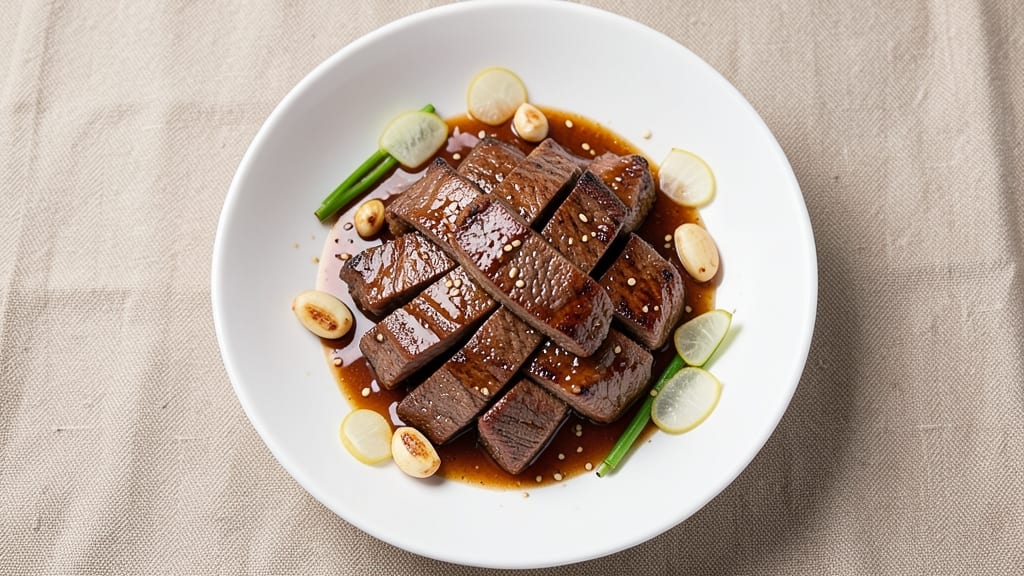
This Atkins beef teriyaki stir fry delivers restaurant-quality flavors without the carb overload, proving healthy eating can still be bold and satisfying. The secret lies in a sugar-free teriyaki sauce that packs umami depth while keeping carbs in check, paired with perfectly seared beef and crisp-tender vegetables.
I developed this recipe after years of craving stir fry but struggling to find versions that aligned with low-carb principles—now you can enjoy it too.
The foundation is simple: high-heat stir-frying creates that signature wok magic while preserving texture, and the sauce reduces to a glossy, slightly thickened consistency that clings beautifully to every bite.
We'll use a blend of coconut aminos and soy sauce for that classic teriyaki profile without the sugar spike, balanced with ginger and garlic for authentic depth. The beef gets marinated briefly to tenderize and absorb flavors, then cooked to medium-rare perfection before finishing with a quick sear.
By the time you plate this dish, you'll have a vibrant, protein-rich meal with tender beef slices, crisp vegetables, and that irresistible teriyaki glaze—all while keeping carbs under control. The sauce's natural stickiness holds everything together, creating a cohesive bite that's both hearty and light.
This is the kind of meal that satisfies cravings without derailing your dietary goals, proving that low-carb cooking can be exciting.
Perfect for weeknight dinners or meal prep, this stir fry scales easily and reheats beautifully. Serve over cauliflower rice or with a side of steamed broccoli for a complete low-carb meal. The technique is straightforward but delivers professional results—let's get cooking!
Ingredients for atkins beef teriyaki stir fry
Low-carb staples meet bold teriyaki flavors in this protein-packed stir-fry masterpiece.
| Ingredient | Amount | Notes |
|---|---|---|
| Ribeye Steak 🥩 | 1 ½ lb | Thinly sliced against grain, boneless |
| Coconut Aminos 🥫 | ½ cup | Soy sauce substitute, low-sodium preferred |
| Soy Sauce 🥫 | ¼ cup | Low-sodium variety for flavor balance |
| Fresh Ginger 🌿 | 2 tbsp | Finely grated, aromatic |
| Garlic Cloves 🧄 | 6 cloves | Minced, fresh preferred |
| Sesame Oil 🫒 | 1 tbsp | Toasted, for aroma |
| Bell Peppers 🍆 | 2 whole | Assorted colors, sliced into strips |
| Broccoli Florets 🥦 | 3 cups | Fresh or frozen, cut into bite-sized pieces |
| Red Onion 🧅 | 1 whole | Thinly sliced, white or yellow works too |
| Olive Oil 🫒 | 2 tbsp | High smoke point, for stir-frying |
| Green Onions 🧅 | 3 whole | Sliced, for garnish |
| Sesame Seeds 🌾 | 1 tbsp | Toasted, for garnish |
| Salt 🧂 | 1 tsp | Kosher or sea salt |
| Black Pepper 🌶️ | ½ tsp | Freshly ground |
| Cauliflower Rice 🥬 | 2 cups | Fresh or frozen, thawed |
The ribeye is the star here—look for well-marbled cuts at your butcher or grocery store's meat counter. Costco or Whole Foods often carry pre-sliced versions if you're short on time, but slicing it yourself against the grain ensures tender bites. For the coconut aminos, Lao Garden brand is my go-to—it's low-sodium and packed with umami. The soy sauce should be low-sodium to avoid overpowering the delicate teriyaki balance, and Kikkoman works perfectly. Fresh ginger and garlic are non-negotiable for that authentic depth; frozen works in a pinch, but fresh is always better.
No coconut aminos? Substitute with an equal amount of low-sodium soy sauce plus 1 tsp molasses—though this adds minimal carbs. Swap bell peppers for zucchini or mushrooms if you prefer, but keep the broccoli—it's the perfect low-carb veggie for stir-fry. The sesame oil adds incredible aroma, but if you're avoiding seeds, use 1 tsp toasted sesame seeds instead for garnish. For extra flavor without carbs, toss in shredded carrots or snap peas—they hold up well to stir-frying. The cauliflower rice should be lightly salted before cooking to mimic the texture of regular rice.
This dish reheats beautifully—store in airtight containers for up to 4 days, or freeze portions for 3 months. The sauce thickens as it cools, so add 1 tsp water when reheating if it seems too stiff. I always make a double batch because it disappears fast—leftovers make amazing lunches over the next few days. The meat stays tender when reheated gently, so avoid microwaving on high power. For meal prep, cook the beef and sauce separately, then combine when ready to serve to keep everything crisp.
Why You'll Love This Recipe
- One-Pan Magic: I swear by this recipe when I’m too tired to scrub a sink—just sear the ribeye, toss in the veggies, and pour on that ginger-garlic-soy-coconut aminos mix. The sauce sticks to everything like a dream, and cleanup is nonexistent.
- Umami Bomb: That combo of coconut aminos and soy sauce? It’s like teriyaki’s cooler, smarter cousin—sweet but deep, with a savory punch that makes the ribeye taste like it’s been marinating for hours (even though it’s just 10 minutes). The fresh ginger? It’s the secret weapon—bright, zesty, and cuts through the richness perfectly.
- Weeknight to Date Night: Honestly, this is my go-to when I’m feeding a crowd or just want to impress someone. Serve it over cauliflower rice for a low-carb meal, or pile it onto steamed jasmine rice if you’re feeling indulgent. The flavors hold up whether it’s a rushed Tuesday or a fancy-ish Friday.
- Leftovers That Don’t Suck: Between us, most stir-fry leftovers turn into sad, dry mush. Not this one—the sauce keeps everything tender, and the ribeye stays juicy. I’ll pack it for lunch the next day, or reheat it for dinner with a quick scramble of eggs. Plus, the ingredients are cheap enough that I’m not stressing over wasted food.
Step-by-step instructions for Atkins beef teriyaki stir fry
Here's how to create a flavorful, low-carb stir fry that delivers all the teriyaki goodness without the sugar crash.
Prepare the Protein and Sauce Base
Begin by slicing the 1.5 lb ribeye steak thinly against the grain into ¼-inch strips. This ensures tender bites that cook quickly in the wok. While the steak rests, combine the 0.5 cup coconut aminos, 0.25 cup soy sauce, and 2 tbsp fresh ginger in a small bowl. Let this mixture sit for 5 minutes—this allows the flavors to meld and creates a more cohesive sauce base.
Next, mince the 6 cloves garlic and set aside. The reason we separate the garlic is to add it later when we want those aromatic compounds to bloom without burning. This simple step prevents bitter flavors that can ruin an otherwise perfect dish.
Stir-Fry the Vegetables to Perfection
Heat a large wok or skillet over high heat until it's smoking hot. Add the 2 tbsp olive oil and swirl to coat the surface. Immediately add the 1 whole red onion and 2 whole bell peppers (sliced into strips), stirring constantly for 3-4 minutes until the onions soften and peppers begin to blister slightly. The high heat is crucial here—it develops the natural sweetness in the vegetables.
Push the vegetables to one side of the wok and add the 3 cups broccoli florets to the empty space. Stir-fry for another 2-3 minutes until the broccoli turns bright green and just begins to soften. You want to maintain some texture—overcooking will turn these into a mushy mess. Remove the vegetables to a plate and set aside.
Cook the Beef in Stages
Working in batches if needed, add the sliced ribeye steak to the wok in a single layer. Cook undisturbed for 1-2 minutes until a deep brown crust forms on the bottom. This initial sear locks in juices and creates that restaurant-quality flavor. Once browned, stir the steak for another 30 seconds until it reaches medium-rare (about 130°F internal temperature). Remove the steak to the plate with the vegetables.
Here's the thing—don't overcrowd the wok. Cooking in batches ensures each piece gets that perfect sear. If your wok isn't large enough, work in two batches and keep the cooked meat warm in a 200°F oven while you finish the rest.
Combine and Finish with Sauce
Return all the vegetables and beef to the wok. Pour in the sauce mixture and add the minced garlic, stirring everything together. Let it cook for 1-2 minutes until everything is heated through and the sauce begins to thicken slightly. The residual heat from the wok will help reduce the sauce just enough to coat the ingredients without making it gluey.
Taste and adjust seasoning with the 1 tsp salt and 0.5 tsp black pepper if needed. The coconut aminos should provide enough saltiness, but personal preference varies. Stir in the 1 tbsp sesame oil and 1 tbsp toasted sesame seeds just before serving to add depth and texture.
Serve Over Cauliflower Rice
While the stir fry finishes, prepare the 2 cups cauliflower rice by sautéing it in a separate pan with a little olive oil over medium heat for 5-6 minutes until tender. The cauliflower rice should be warm but not mushy—think more like rice pilaf than a puree.
Divide the cauliflower rice among serving plates and top generously with the beef and vegetable stir fry. Garnish with the sliced 3 whole green onions for freshness and a pop of color. Serve immediately while everything is hot and the sauce is still clinging to each bite.
Pro Tips For Making Atkins Beef Teriyaki Stir Fry
- Slice Steak Against Grain: Ribeye’s tough when cut with the grain—this isn’t a steakhouse sear, so thin slices (¼-inch max) cook fast and stay tender. Use a sharp knife and angle it sharply like you’re slicing butter, or you’ll end up with chewy strips. (Yes, even if you’re impatient like me.)
- Toast Ginger First: Fresh ginger loses its kick when simmered raw—my grandmother swore by this, and she was right: Slice it thin, toss it in a dry pan for 30 seconds until fragrant, then add it to your teriyaki mix. The aroma jumps off the plate, and it won’t turn to mush in the stir-fry.
- Prep Sauce in Stages: Mixing coconut aminos and soy sauce upfront makes the sauce watery when it hits the hot pan. Instead, keep them separate until the last 30 seconds of cooking, then toss everything together. The residual heat will emulsify it perfectly—no slimy glaze, just glossy perfection.
- Rest Meat Before Slicing: Cutting ribeye fresh out of the pan turns it into a pile of sad, dry strips. Wrap it in foil and let it sit for 5 minutes—even if you’re starving—or the juices will pool on your plate instead of in your meat. (Your future self will thank you.)
Storing and reheating this recipe
Refrigerator Storage
Store your Atkins beef teriyaki stir fry in an airtight container for up to 4 days in the refrigerator. I always let it cool completely before transferring to prevent condensation, which can make the sauce watery.
The flavors actually deepen overnight as the ingredients meld together beautifully. Just before reheating, give it a quick stir to redistribute the sauce evenly. 🥬
Freezer Prep Tips
For longer storage, freeze portions in single-serving airtight containers for up to 3 months. The sauce thickens when frozen, so add 1-2 teaspoons of water when reheating if you prefer a glossier finish.
I like to freeze the beef and sauce separately from the vegetables—the meat stays more tender when reheated this way. Label containers with the date to track freshness.
Stovetop Reheating
My preferred method is stovetop reheating over medium-low heat with a splash of water or beef broth. Cover the container loosely to let steam escape and prevent the sauce from becoming gluey.
Stir frequently for 5-7 minutes until everything reaches 165°F internally. The beef should remain juicy and tender if you've stored it properly. 🔥
Microwave Method
For quick reheating, use the microwave on 50% power in 1-minute intervals, stirring between each interval. Add 1 tablespoon of water to help loosen the sauce. This gentle approach prevents the beef from drying out or the vegetables from becoming mushy.
I find this works best for individual portions rather than the whole batch.
Cauliflower Rice Handling
Reheat cauliflower rice separately in a dry skillet over medium heat for 3-4 minutes, stirring constantly. The texture changes slightly after freezing, so I like to add a pinch of salt and a drizzle of olive oil to refresh it.
This keeps the base of your dish light and fluffy rather than soggy. 💡
Sauce Refresh Trick
If the sauce seems thick after reheating, thin it slightly with ½ teaspoon of water or coconut aminos. For extra freshness, finish with a sprinkle of toasted sesame seeds and green onions—this brightens up any reheated dish.
The key is to bring everything back to 165°F to ensure food safety while maintaining that restaurant-quality teriyaki flavor.
Nutrition facts
Frequently asked questions
Can I use chicken instead of beef for this Atkins stir fry?
Chicken breast works beautifully—just slice it ¼-inch thick and cook it for 2-3 minutes total to avoid drying out. For extra flavor, marinate the chicken in the teriyaki sauce for 15-20 minutes before cooking. Bone-in chicken thighs stay juicier but have slightly more fat—trim visible fat if you prefer a leaner option.
How do I make this sauce thicker for better coating?
Simmer the sauce uncovered for 3-5 minutes after combining all ingredients to reduce it naturally. For extra thickness, mix in 1 tsp cornstarch (Atkins-friendly) or ½ tsp xanthan gum with 1 tbsp water, then stir into the hot sauce. The sauce should coat the back of a spoon but remain pourable—not gluey.
What's the best way to keep the beef tender when reheating?
Reheat only until the beef reaches 165°F—never overcook! Use the stovetop method with medium-low heat and add 1 tbsp water or beef broth to create steam. Microwave on 50% power in 30-second bursts, stirring between each. The beef should be warm through but still slightly pink inside for best texture.
Can I make this dish spicier?
Add ½ tsp red pepper flakes or 1 tbsp sriracha to the sauce for heat, or sprinkle 1 tsp chili crisp over the finished dish. For a smoky kick, stir in ½ tsp smoked paprika with the garlic. Always taste first—the sauce can intensify as it cooks. Adjust to your spice tolerance!
What's the best low-carb substitute for cauliflower rice?
Try shredded cabbage (sautéed for 5 minutes), zucchini noodles (raw or lightly sautéed), or radish slices (thinly shaved). For a rice-like texture, use turnip mash or celery root purée. Each brings different flavors—cabbage adds crunch, while zucchini keeps it light.