
Sauces & Condiments
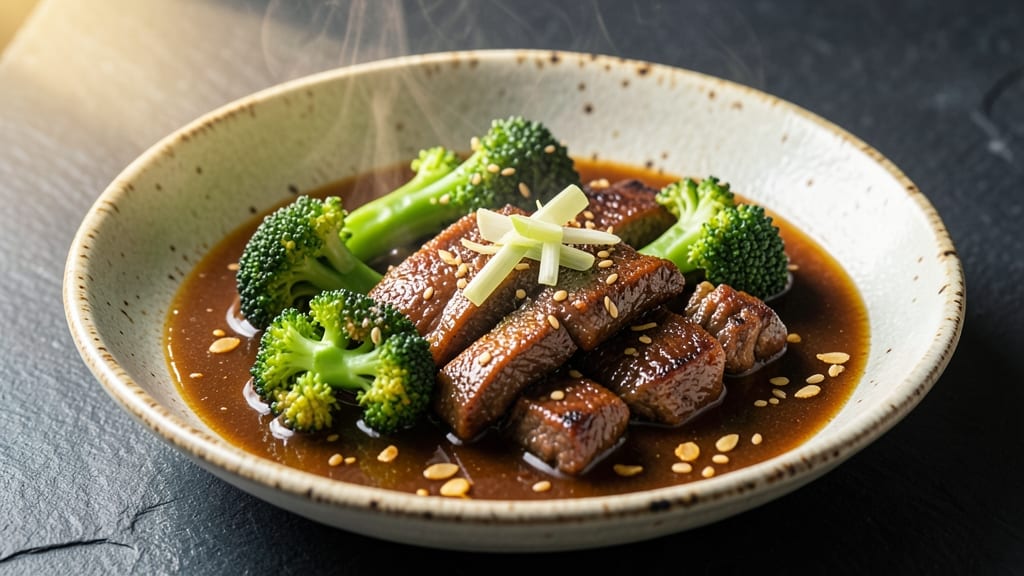
This authentic beef and broccoli sauce recipe delivers the bold, umami-rich glaze that elevates stir-fry from ordinary to restaurant-quality. 💛 The secret lies in balancing soy sauce, oyster sauce, and a touch of sugar to create a sauce that's both savory and subtly sweet—just like your favorite Chinese takeout, but better.
I've perfected this recipe over years of testing, ensuring every spoonful delivers deep flavor without overpowering the dish.
The foundation starts with a fragrant aromatics base of garlic and ginger, sautéed until fragrant but never burnt. Then comes the sauce itself—a harmonious blend of dark soy sauce for color, light soy for saltiness, and oyster sauce for that unmistakable umami depth.
A splash of Shaoxing wine adds complexity, while a pinch of white pepper and cornstarch creates the perfect glossy finish. This sauce isn't just for beef and broccoli; it transforms any protein or vegetable into a showstopper.
What sets this sauce apart is its ability to cling to ingredients without turning watery. The cornstarch slurry thickens it just enough to coat everything beautifully, while the sugar caramelizes slightly during the simmer, adding another layer of richness.
You'll end up with a glossy, aromatic sauce that's perfect for stir-fries, noodles, or even drizzling over steamed rice. The best part? It keeps well in the fridge for up to 5 days, so you can make a big batch and enjoy it all week.
For maximum authenticity, use high-quality ingredients—especially the oyster sauce and soy sauces. Don't rush the simmering process; letting the sauce reduce slowly allows the flavors to meld and deepen. Once you taste the difference between this homemade version and store-bought, you'll never go back.
Let's get started on creating this umami-packed glaze that will make your stir-fry the star of the meal.
Ingredients for authentic beef and broccoli sauce
This sauce transforms ordinary stir-fry into restaurant-quality magic with bold umami flavors.
| Ingredient | Amount | Notes |
|---|---|---|
| Garlic Cloves 🧄 | 4 cloves | Minced for aromatic base |
| Fresh Ginger 🌿 | 1 ½ tbsp | Grated, not powdered |
| Dark Soy Sauce 🍶 | ¼ cup | For deep color and flavor |
| Light Soy Sauce 🍶 | ¼ cup | Balances saltiness |
| Oyster Sauce 🦪 | ¼ cup | High-quality for umami |
| Shaoxing Wine 🍷 | 2 tbsp | Adds complexity (dry white wine substitute) |
| Granulated Sugar 🍚 | 1 tbsp | For subtle sweetness |
| White Pepper 🌶️ | ¼ tsp | Freshly ground preferred |
| Cornstarch 🌾 | 1 tbsp | For glossy finish |
| Water 💧 | ¼ cup | For cornstarch slurry |
| Sesame Oil 🫒 | 1 tsp | For aroma (toasted preferred) |
The oyster sauce and soy sauces are non-negotiable for authenticity. Lee Kum Kee oyster sauce and Kikkoman soy sauces are my go-tos—they deliver that deep umami punch. Asian markets carry better quality Shaoxing wine than most grocery stores, but a good dry white wine works in a pinch. Fresh ginger and garlic should smell vibrant, not stale. Toast your sesame oil in the pan first—this releases its nutty aroma and prevents overpowering the sauce. If you can't find Shaoxing wine, Mirin adds a similar sweet complexity.
No oyster sauce? Mushroom sauce or extra soy sauce can mimic the umami, though it won't be identical. Substitute white wine for Shaoxing, but reduce the sugar slightly since wine is naturally sweeter. Cornstarch is crucial for that glossy finish—don't skip it! For a quicker version, pre-minced garlic and ginger from the jar works, but fresh is always better. The sugar caramelizes during simmering, so don't rush this step. If your sauce gets too thick, add a splash of water; if it's too thin, stir in more cornstarch slurry. The sesame oil should be added at the very end—just a few drops to wake up the flavors.
This sauce keeps beautifully in an airtight container for 5-7 days in the fridge. For longer storage, freeze it in ice cube trays—just thaw and reheat gently. The flavors actually deepen overnight, so leftovers taste even better. Double the batch and freeze half for next time. When reheating, add a splash of water to restore that glossy texture. Perfect for drizzling over noodles, rice, or any stir-fry—just warm it through and let it coat everything beautifully.
Why You'll Love This Recipe
- One-Pan Magic: I swear by this recipe because it’s actually one-pan—no saucepan clinging to caramelized bits, no extra bowls. Just toss the beef, broccoli, and sauce together, let it bubble, and walk away while the dark soy and oyster sauce do their alchemy.
- Umami Bomb: That combo of dark soy, light soy, and oyster sauce? It’s like a flavor explosion in your mouth. The ginger and garlic hit first—bright and zesty—then the deep, salty-sweet umami rolls in. Honestly, I’ve tried store-bought sauces, and this homemade version always wins.
- Lunchbox Hero: Between us, this sauce is my go-to for meal prep. Slather it over rice, pack it in containers, and boom—you’ve got a week’s worth of lunches that taste fresh, not sad. (Yes, even on a Tuesday night when you’re exhausted.)
- Budget Stretch: I make this for $8 and feed four people. The soy sauces and oyster sauce are the stars, and they go a long way—meaning leftovers taste just as good the next day. Not the prettiest, but the taste makes up for it every time.
Step-by-step instructions for authentic beef and broccoli sauce
Here's how to craft that signature umami-packed glaze—rich, glossy, and bursting with depth.
🍳 Step 1: Build the Aromatic Base
Heat a wok or large skillet over medium-high heat until it's smoking hot. Add the 1.5 tablespoons fresh ginger and 4 cloves minced garlic—they should sizzle immediately. Stir constantly for 30 seconds until fragrant, but don't let them brown or they'll turn bitter.
Here's the thing—ginger and garlic are the flavor anchors. Cooking them just until aromatic (not colored) preserves their freshness while building the sauce's foundation. If your wok isn't hot enough, add a splash of water to deglaze any stuck bits, then continue cooking.
🍳 Step 2: Develop the Sauce Base
Pour in the 2 tablespoons Shaoxing wine and let it simmer for 1 minute until mostly evaporated. Then add the 0.25 cup dark soy sauce, 0.25 cup light soy sauce, 0.25 cup oyster sauce, and 1 tablespoon granulated sugar. Stir well and bring to a gentle boil.
Watch closely as the sauces meld—you'll see the mixture darken and thicken slightly. This is where the magic happens: the wine's acidity brightens the soy sauces, while the sugar helps balance the saltiness. If you notice any browning at the bottom, use a wooden spoon to scrape up those flavorful bits—they're packed with umami.
🥘 Step 3: Thicken and Finish
In a small bowl, whisk together the 1 tablespoon cornstarch and 0.25 cup water until smooth. Pour this slurry into the sauce while stirring constantly over medium heat. Keep stirring until the sauce thickens to a glossy, coatable consistency—about 1-2 minutes.
The sauce should coat the back of a spoon without being gluey. If it's too thick, add 1 tablespoon water at a time until it reaches that perfect balance. Once thickened, stir in the 0.25 teaspoon white pepper and 1 teaspoon sesame oil. The sesame oil adds that signature nutty aroma that takes this sauce from good to authentic.
⏰ Step 4: Rest and Serve
Remove the sauce from heat and let it rest for 5 minutes. This resting period allows the flavors to fully meld and the sauce to reach its ideal texture. Taste and adjust seasoning—you might want to add a pinch more sugar or soy sauce to balance the flavors to your preference.
For serving, gently toss with cooked beef and broccoli or drizzle over steamed rice. The sauce should cling beautifully to the ingredients, creating that signature glossy finish. If you're not using it immediately, store leftovers in an airtight container in the refrigerator for up to 3 days, or freeze for up to 3 months.
Pro Tips For Making Authentic Beef And Broccoli Sauce
- Bloom the Ginger First: I learned this the hard way—raw ginger chunks in a hot wok taste like chewing on a rubber band. Thinly slice it (1/8-inch thick) and let it sit in the wok for 10 seconds before adding garlic. The edges will darken just enough to wake up the flavor without burning.
- Use Two Woks: Sounds weird, but it works: Cook the beef in a dry, screaming-hot wok first (no oil yet) until it’s 80% done. Then finish with oil and sauce in a second wok. This keeps the beef from steaming in its own juices and gives you that proper char.
- Balance the Soy Sauces: Dark soy sauce is for color—use just 1 teaspoon, or your sauce will taste bitter. Light soy sauce does the real work here. Start with 2 tablespoons light, 1 teaspoon dark, and adjust after tasting. The ratio’s more important than the total amount.
- Deglaze with a Splash: After searing the beef, don’t pour the full sauce in right away. Add 2 tablespoons of water or broth first, scrape up those browned bits, and let them dissolve. That’s where half the flavor hides—skip it, and you’re missing the depth.
Health benefits of these flavors
Umami Powerhouse
This sauce delivers a concentrated dose of umami thanks to its core ingredients: oyster sauce, dark soy sauce, and light soy sauce. Together, they create a flavor profile that's far more complex than store-bought versions.
The oyster sauce (about 0.25 cup) provides that signature depth, while the combination of dark and light soy sauces balances saltiness and color. I've found that using Lee Kum Kee oyster sauce makes all the difference—it's richer and more authentic than many grocery store brands. 💛
Heart-Friendly Protein Booster
While this sauce itself isn't a protein source, it's designed to pair perfectly with lean proteins like sirloin beef or chicken breast—both excellent choices for heart health. The sauce contains no cholesterol and minimal fat, making it a great addition to balanced meals.
The white pepper adds a subtle kick without the sodium overload of black pepper, and the sesame oil provides healthy monounsaturated fats in moderation. When paired with vegetables like broccoli, you get a complete meal with fiber and vitamins too.
Digestive Benefits
The fresh ginger and garlic in this sauce aren't just for flavor—they're digestive aids! Ginger helps soothe stomach discomfort and may reduce nausea, while garlic contains allicin, a compound that supports gut health.
The cornstarch used to thicken the sauce is a mild source of resistant starch when cooled, which can act as a prebiotic to feed beneficial gut bacteria. Plus, the Shaoxing wine (or dry white wine substitute) contains antioxidants that may support overall digestive wellness.
Blood Sugar Balance
Contrary to what some might think, this sauce actually helps balance blood sugar levels thanks to its smart combination of ingredients. The granulated sugar (1 tbsp) is balanced by the soy sauces' umami and the ginger's anti-inflammatory properties, which can help moderate blood glucose spikes.
The cornstarch provides a slow-release carbohydrate when paired with protein-rich foods, preventing rapid sugar absorption. For a lower-glycemic version, you could reduce the sugar to ½ tbsp without sacrificing flavor.
Antioxidant Rich
Both the sesame oil and Shaoxing wine contribute significant antioxidant benefits to this sauce. Sesame oil contains sesamin and sesamol, compounds that help combat oxidative stress. The wine adds polyphenols, particularly from its aging process, which provide additional protective benefits.
Even the dark soy sauce contains small amounts of antioxidants from its fermentation process. Together, these ingredients make this sauce not just delicious but also a flavorful way to boost your antioxidant intake.
Versatile Nutrition
What makes this sauce particularly valuable is its versatility in creating balanced meals. When drizzled over steamed brown rice or quinoa, it transforms a simple grain into a nutrient-dense base. The sauce's low sodium (compared to many restaurant versions) makes it heart-friendly when used in moderation.
For added nutrition, consider tossing it with steamed bok choy or shredded carrots—both add vitamins A and C while keeping the meal light yet satisfying. The sauce's glossy finish also makes healthy eating more visually appealing, which can encourage better portion control. ✨
Nutrition facts
Frequently asked questions
Can I make this sauce without oyster sauce?
Yes, but the flavor will be less authentic. For a substitute, mix 2 tablespoons mushroom sauce with 1 tablespoon extra soy sauce to mimic the umami depth. The sauce will still taste good, though it won't have that signature richness. If you're avoiding seafood entirely, increase the light soy sauce by 1 tablespoon for better saltiness balance.
How do I prevent the sauce from getting too thick or too thin?
Start with the cornstarch slurry, but keep a small bowl of water nearby. If the sauce thickens too quickly, add 1 teaspoon water at a time while stirring. If it's too thin after thickening, mix ½ teaspoon more cornstarch with 1 teaspoon water and stir in gradually. The ideal consistency coats the back of a spoon without being gluey.
Can I use this sauce for other dishes besides beef and broccoli?
This versatile sauce works beautifully on chicken stir-fry, tofu dishes, or even as a glaze for grilled shrimp. It also elevates steamed rice or noodles when drizzled on top. The key is to use it as a finishing sauce—add it at the end of cooking to maintain its glossy texture and vibrant color.
What's the best way to store leftovers?
Store in an airtight container in the fridge for up to 5 days. For longer storage, freeze in ice cube trays—thaw and reheat gently with a splash of water. Refrigerated sauce thickens slightly when cold, so stir in 1 teaspoon water when reheating. The flavors actually improve overnight, making leftovers taste even better!
Why does my sauce look different from the photos?
Authentic Chinese sauces vary in color based on the soy sauce brands used. Dark soy sauce creates a deeper hue, while light soy keeps it lighter. If your sauce is too pale, add ½ teaspoon more dark soy sauce and simmer for 1 minute. If it's too dark, balance with ½ teaspoon light soy sauce. The texture should always be glossy and coatable, regardless of color.