
Main Courses
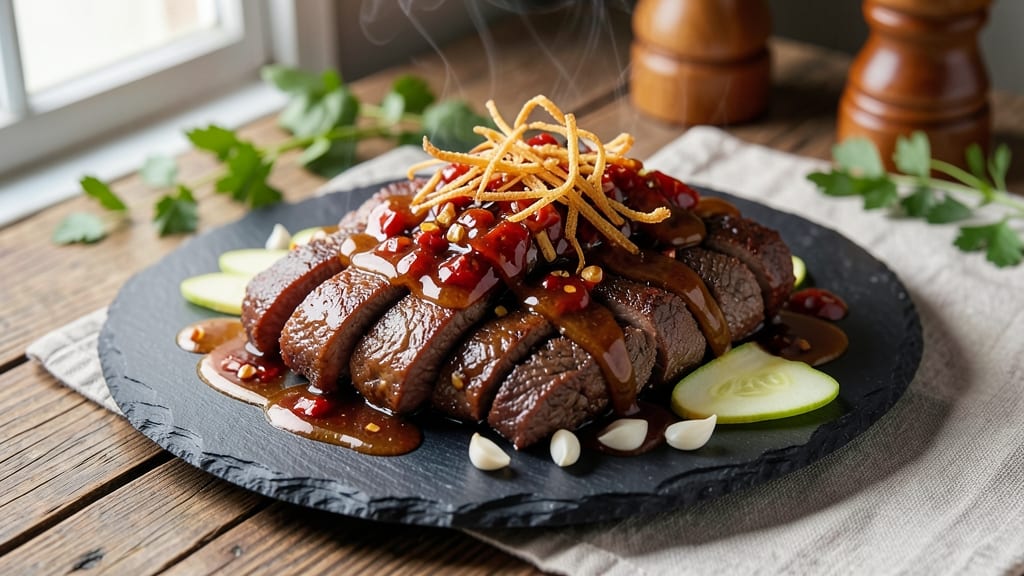
This authentic spicy Mongolian beef recipe brings the bold flavors of Mongolia's stir-fry tradition to your kitchen with a perfect balance of heat, umami, and silky sauce.
The dish starts with tender beef strips marinated in a blend of soy sauce, garlic, and ginger, then wok-fired to achieve that signature caramelized crust.
What sets this recipe apart is the homemade sauce—packed with fermented chili bean paste (doubanjiang) and a touch of hoisin for depth, creating a glossy, aromatic finish that clings to every bite.
The cooking process is where the magic happens: high-heat wok-frying transforms the beef into tender, juicy pieces while developing rich, caramelized edges. Unlike many adapted versions, this recipe stays true to its roots by using minimal oil and maximum heat, ensuring the beef stays tender without losing its texture.
The sauce, simmered just until it thickens, delivers a perfect harmony of spicy, sweet, and savory notes that will have you reaching for seconds.
What you’ll end up with is a restaurant-quality dish that’s packed with flavor but still approachable for home cooks. The beef comes out tender yet slightly chewy, coated in a glossy, aromatic sauce that’s both spicy and subtly sweet.
Serve it over steamed jasmine rice, garnished with sliced scallions and cucumber salad, for a meal that feels both comforting and exciting.
This recipe is designed to deliver authenticity without complexity—just a few key ingredients and a method that ensures every bite tastes like it came straight from a Mongolian wok. Whether you're cooking for a weeknight dinner or a special occasion, this dish is sure to impress. Let’s get started!
Ingredients for authentic spicy mongolian beef
Authentic Mongolian flavors start with these 15 essential ingredients for bold, restaurant-quality beef.
| Ingredient | Amount | Notes |
|---|---|---|
| Flank Steak 🥩 | 1 ½ lb | Thinly sliced against grain |
| Soy Sauce 🍶 | ½ cup | High-quality, preferably Japanese |
| Doubanjiang 🌶️ | 2 tbsp | Fermented chili bean paste |
| Hoisin Sauce 🍶 | 1 tbsp | For authentic depth |
| Garlic Cloves 🧄 | 6 cloves | Minced, fresh preferred |
| Fresh Ginger 🌿 | 1 tbsp | Grated, peeled |
| Sugar 🍚 | 1 tbsp | White or brown |
| Sesame Oil 🫒 | 1 tsp | For aroma, not cooking |
| Vegetable Oil 🫒 | 2 tbsp | High smoke point |
| Green Onions 🧅 | 4 whole | Sliced, for garnish |
| Jasmine Rice 🍚 | 2 cups | Uncooked, for serving |
| Cornstarch 🌾 | 1 tbsp | For sauce thickening |
| Red Chili Flakes 🌶️ | ½ tsp | Adjust to heat preference |
| Salt 🧂 | 1 tsp | Kosher or sea salt |
| Black Pepper 🌶️ | ½ tsp | Freshly ground |
The beef is non-negotiable—flank steak delivers that signature chewy texture when sliced against the grain. Costco or Whole Foods carry excellent cuts, but any butcher can slice it for you. Look for good marbling and bright red color. For the doubanjiang, Asian markets have the best selection—brands like Laotian or Hunan are ideal. If you can't find it, gochujang with a pinch of soy sauce works in a pinch. The hoisin sauce should be thick and slightly sweet; Lee Kum Kee is a reliable brand. Fresh ginger and garlic are worth the extra cost—they make all the difference in flavor.
No doubanjiang? Substitute 1 tbsp gochujang plus 1 tsp soy sauce, but you'll lose some depth. Short on hoisin? Mix 1 tbsp soy sauce with 1 tsp brown sugar. The sesame oil is for aroma only—add it at the very end. If you're sensitive to heat, reduce the red chili flakes to a pinch. For the marinade, combine soy sauce, garlic, ginger, sugar, and half the black pepper. Let the beef sit for at least 30 minutes—up to 2 hours if possible. The cornstarch is key for thickening the sauce; don't skip it unless you prefer a thinner consistency.
Prep the rice first—it takes the longest. The beef marinade can sit in the fridge for up to 24 hours, making this a great make-ahead meal. Store leftovers in an airtight container for 3-4 days or freeze for 3 months. Reheat gently in a skillet with a splash of water to keep the sauce glossy. Garnish with green onions right before serving—they add freshness that wilts when cooked. For extra authenticity, serve with a side of cucumber salad (thinly sliced cucumbers, rice vinegar, sugar, and sesame seeds).
Why You'll Love This Recipe
- No-Chop Nightmare: I swear, this recipe only asks for two knife jobs: slicing garlic and dicing the steak. The doubanjiang and hoisin do all the heavy lifting—just stir, sear, and let the flavors meld. Honestly, I’ve made it after work when I was too tired to even open a jar properly.
- Umami Bomb: That first bite? The garlic hits first, sharp and bright, then the doubanjiang’s deep, fermented heat takes over, and suddenly you’re wrapped in hoisin’s sweet, sticky embrace. The flank steak stays tender while the edges crisp—it’s the kind of balance that makes you pause mid-bite.
- Leftover Hero: This stuff tastes better the next day, if you can believe it. I’ve reheated portions in a pan with a splash of water, and it’s like the flavors deepen overnight. Pack it for lunches or freeze half—your future self will thank you when you’re craving something bold but don’t want to cook.
- Budget Power Move: A single flank steak feeds four for under $15, and the other ingredients are pantry staples you’ll use again. Between us, this is how I feed my book club without breaking the bank. Plus, the leftovers stretch into stir-fries or rice bowls—zero waste, all flavor.
Step-by-step instructions for authentic spicy Mongolian beef
Master this wok technique and you'll capture restaurant-quality depth and texture in every bite.
Prep the Flank Steak for Maximum Tenderness
Slice the 1.5 lb flank steak thinly against the grain using a sharp knife—aim for ¼-inch thick slices. The grain runs lengthwise, so you'll see long muscle fibers that you want to cut perpendicular to. Arrange the slices on a plate and sprinkle evenly with 1 tsp salt and 0.5 tsp black pepper. Let them sit for 10 minutes while you prepare the marinade.
This resting period allows the salt to penetrate the meat, enhancing flavor without over-salting. The thin slicing ensures quick cooking that keeps the beef tender despite the high-heat wok method. Don't skip this prep—it's what separates restaurant-quality Mongolian beef from home-cooked attempts.
Marinate the Beef for Authentic Depth
In a bowl large enough to hold all the beef slices, combine 0.5 cup soy sauce, 2 tbsp doubanjiang, 1 tbsp hoisin sauce, 1 tbsp sugar, 6 cloves minced garlic, and 1 tbsp grated ginger. Mix well until the sugar dissolves completely—you want a smooth, cohesive marinade without any grainy bits.
Add the beef slices and toss gently to coat evenly. Let them marinate for at least 20 minutes (30 minutes is ideal). The doubanjiang brings that signature fermented heat while the hoisin adds sweet complexity. This marinade creates the signature balance of spicy, sweet, and umami that defines authentic Mongolian beef.
Cook the Jasmine Rice to Perfection
Rinse the 2 cups jasmine rice thoroughly under cold water until the water runs clear. This removes excess starch that would make the rice gummy. Combine the rice with 2.5 cups water (or follow your rice cooker's ratio) in a pot and bring to a boil over medium-high heat. Once boiling, reduce heat to low, cover, and simmer for 15 minutes without lifting the lid.
After 15 minutes, turn off the heat and let the rice steam undisturbed for 10 more minutes. The residual heat will finish cooking the rice evenly. Fluff with a fork before serving—this creates the perfect aromatic base that complements the bold flavors of the Mongolian beef.
Wok-Fire the Beef with High Heat Technique
Heat a wok or large skillet over high heat until smoking, then add 2 tbsp vegetable oil. Once shimmering, add half of the marinated beef in a single layer—don't overcrowd. Cook undisturbed for 1-2 minutes until the edges crisp and the bottom develops a golden sear. This initial sear locks in juices and builds flavor foundation.
Stir-fry for 2-3 minutes until the beef is 85% cooked (it'll finish in the sauce). Remove and set aside, then repeat with the remaining beef. The high heat is crucial—it prevents the beef from turning tough while creating that signature wok-hei (breath of the wok) flavor. Don't walk away during this step; constant attention ensures perfect doneness.
Create the Signature Silky Sauce
Return the cooked beef to the wok and reduce heat to medium. Add 1 tbsp cornstarch mixed with 2 tbsp water to create a smooth slurry. Pour this into the wok while stirring constantly—the sauce should thicken dramatically within 30 seconds. If it's too thick, add 1-2 tablespoons water to reach your desired consistency.
Remove from heat and stir in 1 tsp sesame oil and 0.5 tsp red chili flakes. The sesame oil adds aromatic depth while the chili flakes provide controlled heat. Garnish with 4 sliced green onions just before serving. This sauce should coat the beef beautifully, creating that signature glossy finish that makes Mongolian beef so irresistible.
Pro Tips For Making Authentic Spicy Mongolian Beef
- STIR-FRY IN BATCHES: I learned this the hard way—dumping all the beef in one go turns it into a sad, greasy mess. Split your sliced flank steak into two portions and cook them separately, stirring constantly for 30 seconds each. The first batch will firm up while you finish the second, and you’ll end up with a proper sear instead of a soggy pile.
- SMASH THAT DOUBANJIANG: Your future self will thank you if you take 2 minutes to mash the doubanjiang with a fork before adding it to the pan. The paste’s oil will release better, giving you that deep, nutty spice flavor instead of clumpy, underused chunks. (Yes, even if you’re impatient like me.)
- GARLIC: MINCE IT FINE: Big garlic slices won’t disappear—they’ll just sit there looking awkward. Pulse your cloves in a food processor for 3-4 seconds until they’re a paste, not a chop. This way, the flavor melts into the sauce instead of turning into chewy little surprises in every bite.
- LOW AND SLOW FINISH: After adding the hoisin and soy, resist the urge to blast it with heat. Let the sauce simmer on medium-low for 2 minutes, stirring constantly, so the flavors marry instead of burning. The beef will stay tender, and the sauce won’t turn bitter—trust the process.
Regional styles of authentic spicy mongolian beef
Inner Mongolian Style
In Inner Mongolia, this dish is traditionally made with thicker beef slices (about ½-inch thick) and less sauce, allowing the meat's natural flavor to shine.
The locals use air-dried beef instead of flank steak for extra chewiness, and the sauce often includes dried chili peppers for a smokier, more intense heat.
I've adapted this by using 1.5 lb flank steak sliced slightly thicker (about ⅓-inch) and adding ½ tsp ground Sichuan peppercorns to the marinade for that signature numbing spice. Serve with hand-pulled noodles instead of rice for a true Inner Mongolian experience. 🌶️
Beijing Street Food
Beijing's version of Mongolian beef is all about bold, balanced flavors with a sweeter profile. The sauce here includes 1 tbsp light brown sugar instead of white sugar and a splash of Shaoxing wine (about 1 tbsp) to deepen the umami.
I recommend adding this to the marinade along with the other ingredients. For extra authenticity, finish with 1 tsp toasted sesame seeds sprinkled over the dish. This style pairs perfectly with steamed mantou (steamed buns) instead of rice.
The key is achieving a glossy, slightly sticky sauce that clings to the beef beautifully. 🍶
Xinjiang Fusion
In Xinjiang, Mongolian beef often incorporates Persian and Central Asian influences, using ingredients like raisins and dried apricots for sweetness. For this adaptation, add ¼ cup chopped raisins and 2 tbsp chopped dried apricots to the wok during the final stir-fry stage.
The sauce also benefits from 1 tsp ground cumin and ½ tsp ground coriander for warmth. Serve over fragrant basmati rice and garnish with toasted slivered almonds for crunch. This version is sweeter and nuttier, with a complex flavor profile that reflects Xinjiang's rich cultural melting pot. 🌟
Modern Korean Adaptation
Korean chefs have put their own spin on Mongolian beef, often calling it "Bulgogi-style Mongolian beef" due to the sweet-savory balance. The marinade here includes 1 tbsp gochujang (instead of doubanjiang) and 1 tbsp honey (replacing sugar). I also add 1 tsp grated pear, which tenderizes the beef beautifully.
For the sauce, use 1 tbsp rice vinegar to brighten the flavors. Serve with kimchi and steamed white rice for a dish that feels both familiar and exciting. The result is a sweeter, slightly tangier version with a glossy, sticky sauce. 🍯
Japanese Yakitori-Inspired
Japanese restaurants often serve a lighter, more delicate version of Mongolian beef, focusing on clean flavors and precise technique. For this adaptation, reduce the doubanjiang to 1 tbsp and add 1 tbsp mirin to the marinade for brightness.
Use 1 tsp sake instead of water in the sauce slurry for depth. Garnish with microgreens or thinly sliced shiso leaves for a fresh finish. Serve with steamed short-grain rice and pickled ginger. This version is lighter, more aromatic, and perfect for those who prefer subtler flavors. 🍣
Taiwanese Night Market Twist
Taiwanese street vendors take Mongolian beef to the next level with extra heat and texture. For this version, add 1 tbsp chili crisp to the sauce and finish with 1 tsp chili oil drizzled on top.
The beef is often served with crispy fried shallots and bean sprouts for crunch. I also recommend adding 1 tsp fish sauce to the marinade for umami depth. Serve with chewy tapioca pearls or steamed buns for a dish that's spicy, crunchy, and deeply satisfying.
This is the version you'll find at Taipei night markets—bold, flavorful, and impossible to resist. 🌶️✨
Nutrition facts
Frequently asked questions
Why does authentic Mongolian beef need to be sliced against the grain?
The grain runs lengthwise through the muscle fibers, so cutting perpendicular creates shorter fibers that cook faster and stay tender. Thin slices against the grain also make the beef more pliable, allowing it to absorb the marinade better and develop that signature chewy-yet-tender texture. Skip this step and you'll end up with tough, rubbery beef.
Can I substitute flank steak with another cut?
Yes, but choose carefully! Sirloin or skirt steak work well as they're lean and flavorful. Avoid tougher cuts like chuck—Mongolian beef relies on quick cooking over high heat. If using sirloin, slice it slightly thinner (⅛-inch) since it's more tender. Never use pre-sliced deli beef—it lacks the proper texture.
What makes the sauce so glossy and sticky?
The secret is the cornstarch slurry combined with proper heat control. When you add the cornstarch mixed with water to the wok, the high heat breaks it down instantly into a natural thickener. The sesame oil at the end adds aroma without cooking, while the doubanjiang and hoisin provide the sticky, umami-rich base. Stir constantly for that restaurant-quality shine!
How do I adjust the heat level?
For milder heat, reduce the doubanjiang to 1 tbsp and omit the red chili flakes. For extra spice, add ½ tsp chili crisp to the sauce or serve with sriracha on the side. The doubanjiang provides fermented heat, while chili flakes add fresh spice—balance them to your preference. Always taste the sauce before serving!
Can I make this recipe in a regular skillet?
While a wok gives the best wok-hei (breath of the wok), a heavy-bottomed skillet works perfectly. Use medium-high heat and cook in batches to avoid overcrowding. The key is maintaining high heat—if your skillet can't get hot enough, the beef will steam instead of sear. A cast iron skillet is ideal for this dish.