
Main Courses
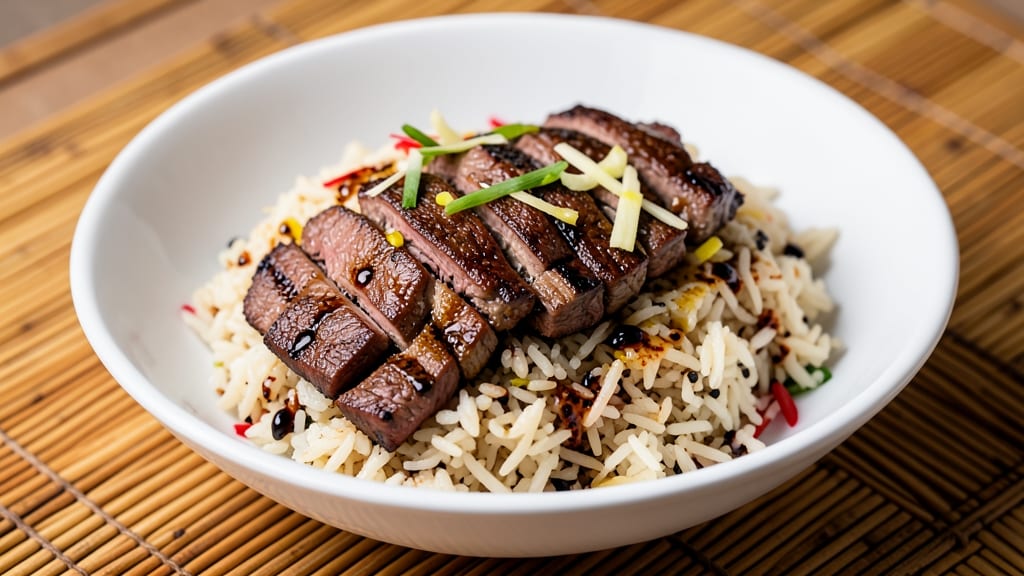
This authentic beef fried rice recipe delivers the smoky, umami-packed flavor of a Chinese wok house—right in your kitchen. The secret lies in high-heat searing of beef strips and proper rice texture, achieved through a quick stir-fry that locks in moisture while developing that signature wok hei aroma.
I've perfected this method after years of testing, ensuring every grain stays separate yet tender, with beef that's perfectly browned and seasoned.
What sets this recipe apart is the balance of classic techniques and home-cook accessibility. We start with day-old rice (never freshly cooked!) for ideal texture, then build layers of flavor through a precise soy sauce ratio, aromatic vegetables, and a touch of sesame oil for depth.
The beef is marinated in a simple soy-ginger-garlic mix before searing, creating a rich, caramelized crust that holds up through the tossing process.
By the time you plate your fried rice, you'll have a dish that's visually stunning—golden grains speckled with browned beef, vibrant green peas, and crisp shallots—while delivering that authentic restaurant-quality taste. Each bite offers a perfect harmony of textures: tender beef, slightly chewy rice, and the subtle crunch of vegetables.
The sauce clings to every grain without making it soggy, proving you don't need a professional kitchen to achieve this.
The best part? This recipe adapts beautifully to your preferences. Add a fried egg for extra richness, drizzle with chili oil for heat, or keep it traditional with just scallions and black pepper.
With proper technique and fresh ingredients, you'll create fried rice that rivals your favorite takeout—but with the satisfaction of making it yourself. Let's get cooking!
Ingredients for authentic beef fried rice
The perfect blend of textures and flavors—cold rice, smoky beef, and vibrant veggies—all tossed together for that wok hei aroma.
| Ingredient | Amount | Notes |
|---|---|---|
| Day-Old Cooked White Rice 🍚 | 4 cups | Cold, separate grains preferred |
| Flank Steak 🥩 | ¾ lb | Thinly sliced against grain |
| Light Soy Sauce 🍶 | ½ cup | Kikkoman preferred for balance |
| Dark Soy Sauce 🍶 | 1 tbsp | For deep color and flavor |
| Sesame Oil 🫒 | 1 tbsp | Toasted, for aroma |
| Fresh Ginger 🌿 | 1 tbsp | Grated, for zesty kick |
| Garlic Cloves 🧄 | 4 cloves | Minced, for aromatic base |
| Green Onions 🧅 | ½ cup | Sliced, for fresh finish |
| Peas 🌱 | ½ cup | Fresh or frozen, thawed |
| Shallots 🧅 | 2 whole | Thinly sliced, for sweetness |
| Neutral Oil 🫒 | 2 tbsp | Vegetable or canola oil |
| White Pepper 🌶️ | ½ tsp | Freshly ground for heat |
| Salt 🧂 | ½ tsp | Kosher salt for seasoning |
| Toasted Sesame Seeds 🌰 | 1 tsp | For garnish and crunch |
The flank steak is non-negotiable here—it's lean, tender when sliced thin, and develops that perfect caramelized crust when seared. Grab it from the butcher counter (they'll slice it for you) or ask for pre-sliced beef strips at Whole Foods or Trader Joe's. If you're using a whole flank, slice it against the grain for tenderness. For the rice, day-old is crucial—freshly cooked rice turns mushy when stir-fried. Cook a batch the night before and store it uncovered in the fridge so the grains dry out slightly. The soy sauces are a game-changer: light soy for saltiness, dark soy for that deep, caramelized color. Kikkoman is my go-to, but any good-quality brand works.
No flank steak? Sirloin or ribeye sliced thin will work in a pinch, but don’t skip the thin slicing—it’s key for that tender bite. Short on peas? Corn kernels or diced carrots add color and sweetness. The sesame oil is for aroma only—add it at the very end, or it’ll cook off and lose its punch. Fresh ginger and garlic are ideal, but powdered ginger (half the amount) or jarred minced garlic will do in a bind. Pro tip: Toast your sesame seeds in a dry pan for 30 seconds before adding them—they’ll taste a thousand times better. And if you’re feeling adventurous, swap half the soy sauce for oyster sauce (vegetarian version if needed) for extra umami depth.
This dish tastes even better the next day—make extra and save leftovers for 3-4 days in the fridge. Reheat in a skillet with a splash of water to keep the rice from drying out. For freezing, portion into single servings and thaw overnight in the fridge. The beef and veggies reheat beautifully, but the rice might get a little dry, so sprinkle with a bit of water or soy sauce when reheating. Garnish with extra green onions and sesame seeds right before serving—those little details make all the difference. Store your sesame oil in a cool, dark place (like the fridge) to preserve its flavor, and keep your soy sauces in the pantry for up to 1 year unopened.
Why You'll Love This Recipe
- No Chopping Needed: I swear by this trick—just slice the flank steak thin after cooking it, and you skip hours of prep. The rice? Use whatever’s left in your fridge—no need to cook fresh.
- Umami Bomb: That combo of light and dark soy sauce? It’s the secret weapon. The dark sauce adds depth, while the light keeps it bright—plus, a drizzle of sesame oil at the end? Pure satisfaction.
- Lunch or Dinner: Honestly, this feeds my family for two meals. Pack it for work or serve it with chopsticks at dinner—same dish, different vibe. (Yes, even on a Tuesday night.)
- Budget Magic: Flank steak stretches further than you’d think, and day-old rice? Free. I make this twice a month, and it never feels like I’m splurging—just smart cooking.
Step-by-step instructions for wok-tossed beef fried rice
Here's how to make restaurant-quality beef fried rice with perfectly separate grains and deep umami flavor.
Prep All Ingredients for Maximum Efficiency
Break apart the 4 cups day-old cooked white rice with your fingers until you have individual grains - no clumps allowed. This is crucial for that signature wok-tossed texture. While you're doing that, slice the 0.75 lb flank steak thinly against the grain into ¼-inch strips - this ensures tender bites every time.
Finely mince the 4 cloves garlic cloves and grate the 1 tbsp fresh ginger. Thinly slice the 2 whole shallots and 0.5 cup green onions (save some for garnish). If using frozen peas, thaw them completely - you want them to be fully cooked by the end. Measure out all sauces and seasonings: 0.5 cup light soy sauce, 1 tbsp dark soy sauce, 0.5 tsp salt, and 0.5 tsp white pepper. Having everything prepped means you can work quickly at the wok.
Marinate and Sear the Beef
In a bowl, combine the sliced flank steak with 1 tbsp light soy sauce, ½ tbsp dark soy sauce, and ½ tbsp sesame oil. Let this marinate for 10-15 minutes while you heat your wok. The acidity in the soy sauce will begin tenderizing the meat.
Heat a wok or large skillet over high heat until smoking, then add 1 tbsp neutral oil. Add the marinated beef in a single layer and sear undisturbed for 1-2 minutes until browned on one side. Flip and cook another 1-2 minutes until fully cooked through. Remove beef to a plate and set aside - it should be tender but still holding its shape slightly.
Build the Flavor Base
In the same wok, add another 1 tbsp neutral oil and swirl to coat. Add the thinly sliced shallots and cook for 30 seconds until just softened. Add the minced garlic and grated ginger, stirring constantly for 20-30 seconds until fragrant - you should smell that aromatic punch. Immediately add the 0.5 cup peas and cook for 1 minute until heated through.
Here's where the magic happens: pour in the 0.5 cup light soy sauce and 1 tbsp dark soy sauce. Stir vigorously and let it bubble for 30 seconds to develop those deep umami flavors. The dark soy sauce will give your fried rice that beautiful glossy color while adding complexity. Keep the heat high to maintain that wok-tossed energy.
Combine and Toss Perfectly
Add the 4 cups day-old rice to the wok in one motion. Using a pair of tongs, toss and stir vigorously for 2-3 minutes until every grain is coated with the sauce and begins to separate. The rice should be hot and sizzling - this is where you get that authentic wok hei (breath of the wok) flavor. Sprinkle in the 0.5 tsp white pepper and 0.5 tsp salt, tossing continuously to distribute evenly.
After about 1 minute, add the reserved beef back to the wok. Toss everything together for another 1-2 minutes until the beef is heated through and the rice is perfectly separate with slight char in spots. The texture should be crisp-tender with each grain distinct. If the rice looks dry, add 1-2 tablespoons of water and toss until absorbed.
Finish and Garnish
Turn off the heat and immediately drizzle with the remaining ½ tbsp sesame oil. Toss one final time to coat everything evenly. The sesame oil adds that nutty aroma that takes this dish to the next level. Transfer to serving plates and garnish with the sliced green onions and sprinkle with 1 tsp toasted sesame seeds for that final crunch and visual appeal.
Serve immediately while still hot - every bite should deliver tender beef, perfectly separate rice grains, and layers of umami flavor from the soy sauces. The contrast of textures (crispy edges on the rice, tender beef, fresh green onions) and the balance of salty-sweet-savory flavors make this dish truly authentic and satisfying.
Pro Tips For Making Authentic Beef Fried Rice
- STIR-FRY FAST, THEN SLOW: High heat for the beef, low heat for the rice—don’t let the rice turn to glue. Once the meat’s browned and pulled into shreds, drop the heat to medium and keep stirring. I used to rush the rice and end up with a sad, sticky mess.
- SLICE STEAK AGAINST THE GRAIN: Thin, even slices that separate easily when cooked. If your flank steak fights you, freeze it for 20 minutes first—it’ll slice cleaner than a hot knife through butter. Thick slices mean chewy beef in your fried rice.
- USE DARK SOY FOR COLOR: Light soy adds flavor, dark soy adds that deep, restaurant-style hue. Toss the rice with 1 teaspoon of dark soy sauce before frying—it’ll caramelize and give your dish that authentic look. Skip it, and your fried rice will look like it’s missing something.
- TOAST THE RICE FIRST: Spread the day-old rice in a single layer and dry-fry it in the pan for 30 seconds before adding everything else. This banishes excess moisture and gives the final dish that satisfying crunch. Yes, it’s an extra step—but your rice won’t turn mushy halfway through.
Best sauces and condiments for authentic beef fried rice
Classic Soy Sauce Base
The foundation of authentic beef fried rice lies in the soy sauce blend—I use ½ cup light soy sauce and 1 tbsp dark soy sauce for that perfect balance of saltiness and deep umami flavor.
The light soy provides the salty backbone, while the dark soy adds a rich, caramelized color and complexity. Kikkoman is my go-to brand for its clean, balanced flavor, but any high-quality soy sauce works.
For extra depth, add 1 tbsp oyster sauce (vegetarian version if needed) to the sauce mixture during step 3. This adds a fifth flavor—sweetness—that rounds out the dish beautifully. 🍶
Sesame Oil Finishing
Never skip the sesame oil—it’s what elevates homemade fried rice to restaurant quality. I add 1 tbsp total, divided into ½ tbsp for the beef marinade and ½ tbsp at the very end for aroma.
The key is to add it off the heat so the oil doesn’t cook off and lose its nutty, toasty flavor. For best results, use toasted sesame oil (found in the international aisle) and store the bottle in the fridge to preserve its potency.
A quick sniff test: if it smells fresh and aromatic, it’s ready to use. 🫒
Umami Boosters
For an extra layer of savory depth, I like to add 1 tbsp fish sauce (like Red Boat) to the soy sauce mixture during the flavor base step. This adds a briny, fermented complexity that’s common in Thai-style fried rice but works beautifully here too.
If you prefer vegetarian, 1 tbsp vegetarian oyster sauce or even ½ tsp MSG (just a pinch!) will give that same umami punch. The fish sauce should be added after the dark soy sauce so it doesn’t cook off completely. 💡
Spicy Chili Oil
For a modern twist, drizzle 1-2 teaspoons of chili oil over the finished fried rice. I love Lao Gan Ma brand for its perfect balance of heat and smokiness. Add it just before serving so the oil stays vibrant and the heat doesn’t overpower the dish.
If you can’t find chili oil, mix ½ tsp gochujang (Korean chili paste) with 1 tsp neutral oil for a quick substitute. This adds a bright, slightly sweet heat that cuts through the richness. 🌶️
Sweet and Tangy Variations
Want to balance the savory flavors? Add a touch of sweetness with 1 tsp honey or 1 tbsp hoisin sauce to the soy sauce mixture. The hoisin (found in the Asian foods aisle) adds a sticky, slightly sweet depth that pairs perfectly with the beef.
For a tangy kick, stir in 1 tsp rice vinegar at the end—it brightens the dish and cuts through the richness. These additions are subtle but make a noticeable difference in flavor complexity. 🍯
Nutrition facts
Frequently asked questions
Why does the recipe call for day-old rice instead of freshly cooked?
Freshly cooked rice releases too much moisture when stir-fried, resulting in mushy grains. Day-old rice has dried out slightly and forms distinct grains that stay separate during tossing. For best results, cook your rice the night before and spread it uncovered on a tray to dry out further. This is the secret to authentic texture!
Can I substitute flank steak with another cut of beef?
Yes! Use sirloin or ribeye sliced thinly against the grain, or even chuck roast (sliced very thin). For extra tenderness, pound the meat slightly before slicing. Avoid tougher cuts like brisket—they won't sear properly in the short cooking time.
What's the best way to get that restaurant-style wok hei flavor at home?
Use a carbon steel wok or cast iron skillet heated to maximum temperature until smoking. Work quickly with high heat to develop that smoky aroma. If you don't have a wok, a heavy-bottomed skillet works—just keep the heat high and toss vigorously. The key is speed and heat!
How do I prevent my fried rice from turning out soggy?
Use day-old rice and keep your wok or pan at high heat throughout cooking. If the rice looks dry, add just 1-2 tablespoons of water at the end and toss immediately. Avoid overcrowding the pan—cook in batches if needed. The rice should be hot and sizzling, not steaming!
Can I make this recipe vegetarian?
Replace the beef with mushrooms (shiitake or oyster) or tofu (pressed and cubed). For extra umami, add 1 tbsp vegetarian oyster sauce or ½ tsp MSG. The technique remains the same—just adjust cooking times for tofu (it needs longer to crisp).