
Main Courses
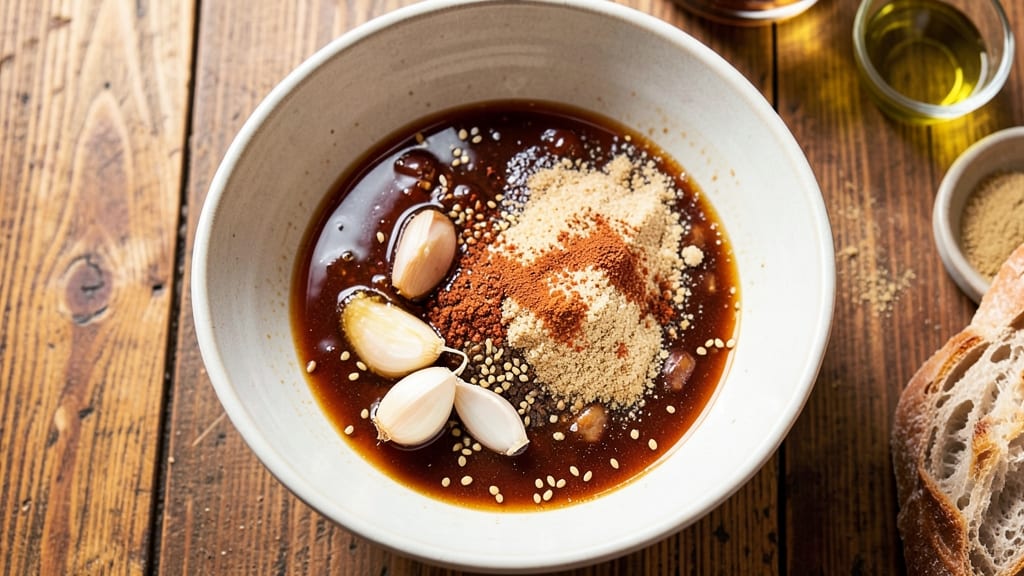
This beef back ribs marinade transforms tough cuts into smoky-sweet masterpieces with a bark that clings like glue. The secret lies in balancing brown sugar, molasses, and spices to create a caramelized crust that locks in flavor during cooking.
I developed this recipe after years of experimenting with competition-style barbecue techniques, and it consistently delivers restaurant-quality results at home.
The marinade combines simple pantry staples—apple cider vinegar for tenderness, smoked paprika for depth, and garlic for aromatic punch. Let the ribs soak for at least 4 hours (overnight is ideal) to ensure maximum flavor penetration and texture transformation.
The acid in the vinegar breaks down proteins while the sugar begins caramelizing, setting the stage for that coveted bark.
What you'll achieve is ribs with a perfect balance of sweetness and smokiness, where every bite delivers layers of flavor. The marinade creates a sticky, caramelized crust that's impossible to resist, while keeping the meat tender and juicy underneath.
This isn't just a marinade—it's the foundation for showstopping ribs that impress even the most discerning barbecue enthusiasts.
Store any leftover marinade in the refrigerator for up to 5 days, though you'll likely use it all. The ingredients are simple but powerful, making this marinade equally effective for grilling, smoking, or oven-roasting. Let's get started with this flavor-packed recipe that will elevate your ribs to competition level.
Ingredients for beef back ribs marinade
Nine essential ingredients blend to create competition-level ribs with sticky, caramelized bark.
| Ingredient | Amount | Notes |
|---|---|---|
| Apple Cider Vinegar 🍎 | ½ cup | Raw, unfiltered preferred |
| Light Brown Sugar 🍚 | ½ cup | Packed firmly for accuracy |
| Molasses 🍯 | ¼ cup | Unsulphured for depth of flavor |
| Smoked Paprika 🌶️ | 2 tbsp | High-quality smoked variety |
| Garlic Cloves 🧄 | 6 cloves | Freshly minced for aromatic punch |
| Onion Powder 🧅 | 1 tbsp | Freshly ground preferred |
| Ground Black Pepper 🌶️ | 1 ½ tsp | Freshly cracked for sharpness |
| Diamond Crystal Kosher Salt 🧂 | 1 ½ tsp | Fine grain for even distribution |
| Ground Cumin 🌿 | 1 tsp | Toasted for deeper earthiness |
| Extra-Virgin Olive Oil 🫒 | ¼ cup | High-quality for richness |
The foundation starts with apple cider vinegar—opt for raw, unfiltered from brands like Bragg or Texas Pete for maximum tang. Brown sugar should be packed firmly (no scooping)—Domino or Wholesome Sweeteners are reliable choices. Unsulphured molasses from Wholesale Club delivers deeper flavor than sulphured varieties. For smoked paprika, Penzeys or Simply Organic offer superior quality. Garlic should be freshly minced—never pre-minced from jars. Onion powder from McCormick or Badia ensures consistent flavor without the mess of fresh. Ground black pepper from Tellicherry or Liberty provides superior sharpness when freshly cracked.
No raw apple cider vinegar? White vinegar at double the amount works in a pinch. Substitute white sugar for brown, but reduce by 0.25 cup to account for moisture difference. Regular molasses can be used, but expect slightly less depth. Sweet paprika lacks the smoky character—smoked paprika is non-negotiable here. Garlic powder at half the amount suffices if fresh isn't available, though texture will differ. Onion flakes can replace powder, but toast them first for better flavor. Olive oil can be swapped for avocado oil or vegetable oil if preferred, though flavor will vary slightly.
Store unused marinade in an airtight container in the refrigerator for up to 5 days. For longer storage, freeze in ice cube trays for 3 months. The marinade thickens as it sits—stir before each use. Double the batch if you plan to grill multiple racks of ribs, as competition-level results demand generous application. Always discard any leftover marinade that has been in contact with raw meat after use to prevent cross-contamination.
Why You'll Love This Recipe
- Five-Ingredient Magic: I swear by this combo—just vinegar, sugar, molasses, paprika, and garlic. No fancy pantry trips, no measuring cups that never fit right. Honestly, I keep this mix in a jar now because it’s that foolproof.
- Sweet-Smoky Bite: That molasses and smoked paprika? It’s where the ribs get their character—sticky, caramelized crust with a slow-building smokiness. The apple cider vinegar cuts through the richness, so every bite’s balanced. (Yes, even on a Tuesday night.)
- Weekend or BBQ Boss: Slap this on ribs for a backyard cookout or meal prep for your own game-day spread. The marinade doubles as a dry rub if you’re short on time, and the flavor only gets better the longer it sits. Between us, I’ve used it for brisket too—works like a charm.
- Leftovers? Better Leftovers: This marinade’s rich but not heavy, so leftover ribs reheat like they’re fresh. I’ll be real: my kids grab them straight from the fridge for lunch the next day. Plus, the ingredients are cheap enough that you can afford to marinate a whole spare rack without guilt.
Step-by-step instructions for beef back ribs marinade
This marinade creates a smoky-sweet bark that clings to ribs like armor—here's how to make it work every time.
Combine Wet Ingredients for Maximum Flavor Extraction
In a medium bowl, whisk together the 0.5 cup apple cider vinegar and 0.25 cup molasses until fully integrated. The vinegar's acidity will begin breaking down the molasses' syrupy texture immediately, creating a thinner base that penetrates deeper into the meat. I always use unsulphured molasses here—the sulphur compounds in regular molasses can create off-flavors when combined with the other ingredients.
Next, add the 0.5 cup light brown sugar (packed firmly) and stir until completely dissolved. This sugar isn't just for sweetness—it's the foundation for that prized bark formation. The packed measurement is critical; loosely packed sugar will yield inconsistent results. Let this mixture sit for 5 minutes at room temperature to allow the sugar to fully integrate and create a smooth, pourable consistency.
Incorporate Aromatics and Dry Seasonings
Add the 0.25 cup extra-virgin olive oil to the wet mixture and whisk vigorously until emulsified. The olive oil carries the marinade's flavors into the meat while preventing the vinegar from drying out the surface. I prefer high-quality EVOO here—not only for flavor but because it has a higher smoke point, which prevents unwanted cooking when applied to hot ribs.
In a separate small bowl, combine the 2 tbsp smoked paprika, 1 tbsp onion powder, 1.5 tsp ground black pepper, 1.5 tsp Diamond Crystal kosher salt, and 1 tsp ground cumin. Sift these dry ingredients directly into the wet mixture while whisking continuously. This ensures even distribution and prevents clumping. The smoked paprika is particularly important—it's what gives that authentic barbecue flavor without needing actual smoke.
Mince Garlic and Finish the Marinade
Using a microplane or sharp knife, finely mince the 6 cloves garlic until you have about 1 tablespoon of minced garlic. The goal is to create a paste-like consistency that will fully incorporate into the marinade. Add this to the bowl and stir thoroughly. Freshly minced garlic releases its oils immediately, which intensifies the marinade's aromatic profile. If using pre-minced garlic, drain off any excess liquid first to prevent dilution.
Give the marinade one final stir to ensure all ingredients are uniformly distributed. The finished marinade should have a thick, syrupy consistency—similar to honey but with more body. If it's too thin (which can happen if you used a different brand of molasses), let it sit uncovered for 10-15 minutes to reduce slightly. This marinade works best when applied generously, so don't be shy with the quantity.
Apply and Rest for Maximum Penetration
Generously coat the beef back ribs with the marinade, using about ¼ cup per pound of meat. I like to use my hands for this—it allows me to work the marinade into all the crevices, especially around the bone. Place the ribs on a wire rack set over a baking sheet to allow air circulation on all sides. This prevents them from steaming in their own juices and ensures even flavor distribution.
Cover the ribs loosely with plastic wrap and refrigerate for at least 4 hours, but I recommend marinating overnight for maximum flavor penetration. The acidity in the vinegar begins breaking down the meat fibers immediately, while the sugar and molasses work to create that coveted bark. If marinating overnight, remove the ribs from the refrigerator 1 hour before cooking to bring them to room temperature—this ensures even cooking and prevents cold spots that can affect bark formation.
Pro Tips For Making Beef Back Ribs Marinade
- Mince That Garlic: I learned this the hard way—whole cloves in marinade just sit there like stubborn guests. Crush them into a paste with the flat side of your knife or a garlic press, then mix them into the vinegar and sugar. That way, every bite gets the punch you paid for.
- Warm the Molasses: Cold molasses is like syrup in winter—it clumps and fights you. Gently heat it in a small saucepan for 30 seconds until it flows smoothly, then let it cool before mixing. Your ribs will thank you with even coating instead of sticky patches.
- Don’t Skip the Vinegar Rest: The apple cider vinegar needs time to tenderize the meat, not just sit there looking pretty. Let the ribs soak in the marinade for at least 4 hours, but overnight is better—yes, even if you’re impatient like me. Rushing this step means tougher meat and wasted effort.
- Balance the Sweetness: Too much brown sugar and molasses? Your ribs turn into candy. Start with 2 tablespoons of each, then taste the marinade before applying. If it’s cloying, add a splash more vinegar to cut through. Trust me, your taste buds will notice the difference.
Essential equipment for perfect results
Marinade Mixing Tools
You don't need fancy equipment—just a few essentials. Start with a medium glass bowl (I use Pyrex) for mixing because it won't react with acidic ingredients. A whisk (like OXO Good Grips) ensures smooth emulsification of the wet ingredients.
For measuring, a liquid measuring cup (like Rubbermaid) handles the vinegar and molasses precisely, while a dry measuring spoons set (I prefer McElroy) keeps spices accurate. 🥄
Meat Prep Essentials
Prepping ribs properly requires a sharp boning knife (I recommend Victorinox Fibrox) to trim excess fat if needed. A wire rack (like Ozeri Touchstone) elevates ribs during marinating, preventing soggy spots.
For application, use a silicone brush (I love Westmark) to spread marinade evenly, especially in crevices. A meat thermometer (like ThermoWorks Smoke) ensures ribs reach the perfect internal temperature later. ⏱️
Storage Containers
Store unused marinade in glass airtight containers (I use Le Parfait) for up to 5 days in the fridge. For longer storage, freeze in silicone ice cube trays (like EZ Freeze)—just thaw overnight in the fridge before use.
These containers maintain quality and prevent freezer burn. Label everything with dates to track freshness. ❄️
Cooking Equipment
While the marinade works for any cooking method, I recommend a charcoal smoker (like Traeger Grills) for authentic bark. For grilling, a heavy-duty grill (I use Weber Original Kettle) with a wire basket (like GrillGrates) prevents sticking.
If oven-roasting, a rimmed baking sheet (I prefer All-Clad) catches drips. Always use long tongs (like Ozeri) to handle hot ribs safely. 🔥
Optional Upgrades
For competition-level results, invest in a digital scale (like OXO Good Grips) to measure ribs precisely by weight. A spray bottle (I use Glasslock) lets you mist ribs with marinade during cooking for extra bark.
For flavor extraction, a mortar and pestle (like Cuisinart) helps grind spices fresh. These upgrades aren't mandatory but elevate the process. 💫
Nutrition facts
Frequently asked questions
How long should I marinate beef back ribs for best results?
For maximum flavor penetration and tenderness, marinate the ribs for at least 4 hours, but overnight (8-12 hours) is ideal. The acid in the apple cider vinegar needs time to break down the meat fibers while the sugar begins caramelizing. Pro tip: Remove ribs from the fridge 1 hour before cooking to bring them to room temperature for even cooking.
Can I use this marinade on other meats?
This marinade works beautifully on pork ribs, chicken thighs, and even steak. The sugar and vinegar balance makes it versatile, though beef back ribs are where it shines brightest. For chicken, reduce marinating time to 2-4 hours to prevent over-tenderizing. Always adjust application amounts based on meat size.
What if my marinade turns out too thick or too thin?
If too thick, let it sit uncovered for 10-15 minutes to reduce slightly. For thinning, add 1 tablespoon apple cider vinegar at a time while stirring. The ideal consistency should coat the back of a spoon but still drip slowly. Remember, this marinade is designed to be applied generously—don't be afraid to adjust for your preferred texture!
Do I need to discard leftover marinade after using it?
Yes, always discard any leftover marinade that has touched raw meat to prevent cross-contamination. The acids and sugars create an ideal environment for bacterial growth. Store unused marinade in an airtight container in the fridge for up to 5 days before it comes into contact with meat. For longer storage, freeze in ice cube trays.
Can I make this marinade ahead of time?
This marinade actually improves when made 1-2 days ahead! The flavors meld beautifully, and the sugar begins caramelizing naturally. Store in an airtight container in the fridge and stir well before using. If you notice crystallization on the surface (from sugar), simply warm gently and stir until smooth. The marinade will be even more flavorful after resting!