
Main Courses
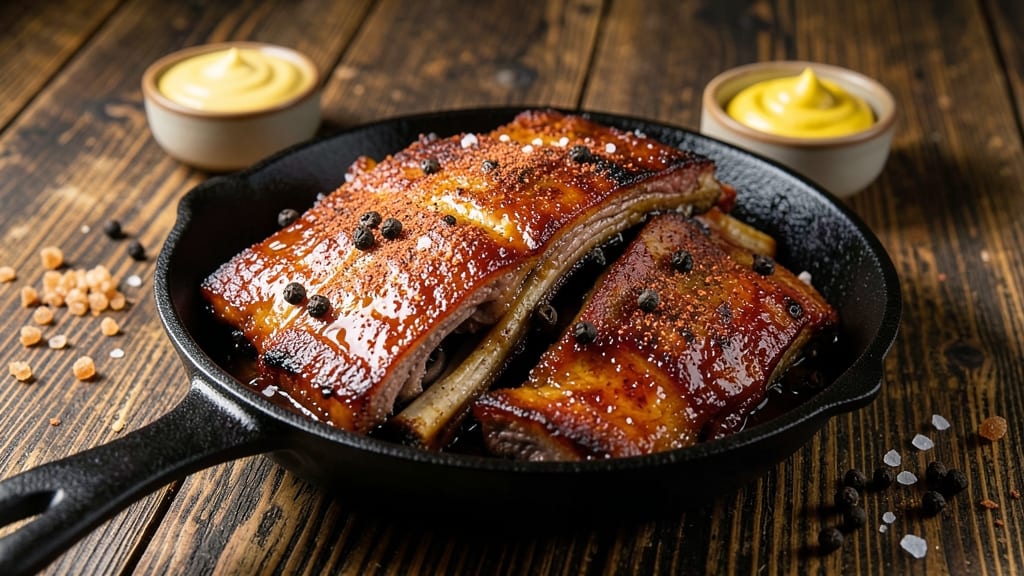
This barbecue beef spare ribs recipe delivers fall-off-the-bone tenderness with a smoky bark that’ll have your guests begging for seconds. 🔥 I’ve perfected this method over years of pitmaster trials—where French technique meets Southern tradition for ribs that taste like they’ve been slow-smoked for hours, even if you’re working with a home grill or oven.
The secret lies in the 3-2-1 method: a bold dry rub, a long slow cook, and a final sear to lock in those flavors.
The process starts with a spice-packed dry rub that clings to the ribs like a second skin, creating that coveted crust while keeping the meat tender.
Whether you’re smoking them low and slow or finishing in the oven for crispiness, the key is patience—letting the collagen break down over time transforms tough cuts into melt-in-your-mouth perfection. No shortcuts here, just restaurant-quality results that’ll impress even the most seasoned BBQ judges.
By the time you’re done, you’ll have ribs that are juicy, smoky, and irresistibly sticky—the kind that disappear from the platter faster than you can say “third helping.”
The bark will be dark and crackly, the meat so tender it falls apart at the slightest touch, and the aroma will fill your kitchen with the kind of comfort that feels like a hug.
Serve with classic sides like tangy coleslaw or smoky baked beans to round out the meal.
This recipe is built for confident home cooks who want to master the art of ribs without the guesswork. The techniques are straightforward, but the results are anything but—think of it as your gateway to becoming the BBQ star of the neighborhood. Let’s get cooking.
Ingredients for barbecue beef spare ribs
Four pounds of meaty ribs plus a handful of pantry staples. That's all you need for ribs that'll have everyone coming back for seconds.
| Ingredient | Amount | Notes |
|---|---|---|
| Beef Spare Ribs 🥩 | 4 lb | Bone-in, meaty spare ribs |
| Yellow Mustard 🍯 | ¼ cup | For sticky base layer |
| Brown Sugar 🍚 | 1 cup | Packed, light or dark |
| Smoked Paprika 🌶️ | ¼ cup | For deep smoky flavor |
| Kosher Salt 🧂 | ½ cup | Diamond Crystal preferred |
| Black Pepper 🌶️ | 2 tbsp | Freshly ground preferred |
| Garlic Powder 🧄 | 1 tbsp | Not garlic salt |
| Onion Powder 🧅 | 1 tbsp | For balanced flavor |
| Cayenne Pepper 🔥 | 1 tsp | Adjust for heat preference |
| Apple Cider Vinegar 🍎 | ¼ cup | For tangy balance |
| Unsalted Butter 🧈 | ½ cup | For final sear |
| Apple Juice 🍏 | 1 cup | Or beef broth for depth |
| Honey 🍯 | ¼ cup | For sticky glaze |
| Fresh Thyme Leaves 🌿 | ¼ cup | Chopped, for aroma |
The ribs are the star—look for meaty spare ribs with good marbling. Costco or your local butcher are the best spots for quality cuts. If you're buying a full packer, trim off any excess fat or membrane for better bark adhesion. The dry rub ingredients are all pantry staples, but smoked paprika from Penzeys makes a noticeable difference. I usually double the rub just to have extra for future BBQ sessions—it keeps well in an airtight container for months.
No smoked paprika? Regular paprika plus a pinch of liquid smoke works in a pinch. Honey shortage? Maple syrup or agave keeps the sweetness. The apple cider vinegar adds tang—substitute with white vinegar if needed. For the final sear, butter is non-negotiable—it adds richness the other fats can't match. If you're short on time, skip the apple juice and use extra beef broth, but you'll lose some of that bright acidity that cuts through the fat.
The dry rub stays potent for 2 weeks in a sealed container. Store ribs uncovered in the fridge for 2 days max before cooking—they'll dry out if left longer. Cooked ribs reheat beautifully—wrap tightly in foil and bake at 300°F for 20 minutes. I always make extra rub to share with neighbors because, let's be honest, you'll want to make these again.
Why You'll Love This Recipe
- I’ll be real: this recipe works for everything. Pack it for a game day with zero fuss, or serve it at home when you’re craving something hearty but don’t want to slave over it. Even my picky uncle—who claims he “doesn’t like BBQ”—asked for more.
- Five-Ingredient Magic: Honestly, I swear by this recipe—just ribs, mustard, brown sugar, smoked paprika, and salt. That’s it. No fancy marinades or hours of prep; the mustard and paprika do all the heavy lifting while you sip your drink.
- Sweet-Smoky Crunch: Between us, that caramelized brown sugar crust with a hint of smoky heat? It’s the kind of flavor that makes people ask for seconds before you even finish chewing. The ribs stay tender inside, but that exterior? Pure satisfaction.
- Tailgate or Tuesday: I’ll be real: this recipe works for everything. Pack it for a game day with zero fuss, or serve it at home when you’re craving something hearty but don’t want to slave over it. Even my picky uncle—who claims he “doesn’t like BBQ”—asked for more.
Step-by-step instructions for smoky fall-off-bone beef spare ribs
Here's how to transform tough ribs into melt-in-your-mouth perfection with that coveted smoky bark.
👨🍳 Step 1: Build the Flavor-Packed Dry Rub
In a large bowl, combine the 1 cup brown sugar, 0.5 cup kosher salt, 2 tbsp black pepper, 1 tbsp garlic powder, 1 tbsp onion powder, 1 tsp cayenne pepper, and 0.25 cup smoked paprika. Mix thoroughly with your hands until completely even—you should see no dry spots of sugar or powdered spices remaining.
This dry blend is the secret weapon for creating that deep, complex flavor crust. I like to press the rub into the meat's crevices using my fingertips, ensuring every surface gets coated. The brown sugar will caramelize during cooking, creating that beautiful bark while keeping the meat moist underneath.
🍳 Step 2: Create the Sticky Mustard Base
In a separate bowl, whisk together the 0.25 cup yellow mustard and 0.25 cup apple cider vinegar until smooth. This tangy mixture will form the foundation of your sauce and help lock in moisture during the long cook. The mustard also acts as a binder that prevents the rub from falling off as the ribs cook.
Pat the 4 lb beef spare ribs completely dry with paper towels—this is crucial for developing that crispy bark. Then brush the mustard-vinegar mixture generously over all surfaces, including the meaty sides and bone ends. The ribs should look glistening and well-coated when you're done.
🔥 Step 3: Apply Rub and Rest Before Cooking
Press the dry rub mixture firmly onto all sides of the ribs, making sure to get into the crevices between the bones. The ribs should look completely encrusted with the spice blend. Place them on a wire rack set over a baking sheet to allow air circulation on all sides.
Cover and refrigerate the ribs for at least 4 hours (overnight is even better). This resting period allows the rub to penetrate the meat and the mustard to start breaking down the proteins slightly. The cold temperature also helps the rub adhere better during cooking. Don't skip this step—it makes a noticeable difference in flavor and texture.
🔥 Step 4: Slow Cook to Perfect Tenderness
Preheat your oven to 275°F. Place the ribs on a foil-lined baking sheet and cover tightly with aluminum foil. This low-and-slow method is key to achieving tender, pull-apart meat without drying it out. Bake for 3 hours, then carefully remove the foil and increase the oven temperature to 325°F.
Continue cooking uncovered for another 1-2 hours until the ribs are fork-tender and the internal temperature reaches 203°F in the thickest part of the meat. You'll know they're ready when they pull apart easily with minimal resistance. The bark should be dark and crispy, with a beautiful mahogany color.
🥘 Step 5: Create the Glazing Sauce and Finish
While the ribs cook, make the glaze by melting 0.5 cup unsalted butter in a saucepan over medium heat. Add 1 cup apple juice, 0.25 cup honey, and 0.25 cup fresh thyme leaves, then simmer for 10 minutes until reduced by half and slightly thickened. Strain out the thyme leaves if you prefer a smoother sauce.
Brush this glaze generously over the ribs during the last 30 minutes of cooking. The high heat will caramelize the sugars, creating a sticky, glossy finish. For extra shine, broil the ribs for 2-3 minutes at the very end, watching closely to prevent burning. The final result should be ribs with a perfect balance of smoky bark, tender meat, and sweet-tangy glaze.
Pro Tips For Making Barbecue Beef Spare Ribs
- Trim the Fat First: I learned this the hard way—skipping the fat trim means dealing with greasy smoke and uneven cooking. Use kitchen shears to snip off the thick silver skin and any excess fat along the bones before seasoning; it makes the ribs crisp up faster and cleaner.
- Salt the Ribs Overnight: More salt than you think, especially if your kosher salt is flaky. Lay the ribs in a single layer on a tray, sprinkle generously (about 1 tablespoon per pound), and refrigerate uncovered for 12–24 hours. This keeps them tender and lets the seasoning penetrate deep—no soggy crust when you grill.
- Start Hot, Then Slow: High heat for the first 10 minutes sears the meat and locks in juices, but then drop to 225°F (or as low as you can get). I used to rush the low-and-slow phase, and the ribs ended up chewy. Give them 3–4 hours here—patience guarantees fall-apart texture.
- Skip the Mustard Glaze Early: Sounds weird, but it works: brush on the yellow mustard after the ribs hit 165°F internally, not before. The acid in the mustard can toughen the meat if applied too soon, and you’ll lose that sticky, caramelized crust you’re after. Save it for the last 15 minutes of cooking.
Serving suggestions for this recipe
Classic BBQ Sides
Serve your ribs with creamy coleslaw—I use a tangy vinegar-based dressing with mayonnaise, apple cider vinegar, and a pinch of celery seed for that classic crunch. The acidity cuts through the richness of the ribs beautifully.
For a heartier option, try baked beans with a touch of brown sugar and smoked paprika—they mirror the rub's flavors perfectly. 🥗
Fresh Contrasts
Add a cucumber and avocado salad with lime juice and fresh cilantro to balance the meal's richness. The cool, bright flavors refresh your palate after each bite of smoky rib.
I also love grilled corn on the cob slathered with chipotle mayo—it adds a fun, interactive element to the spread.
Bread and Butter
No BBQ meal is complete without warm, crusty bread to soak up those delicious sauces. I recommend a honey wheat loaf or cornbread—both pair wonderfully with the ribs. For extra indulgence, serve buttermilk biscuits with a side of honey butter for dipping. 🍞
Drink Pairings
For drinks, I reach for sweet tea—its Southern charm complements the ribs beautifully. If you prefer something lighter, a sparkling lemonade with a hint of mint keeps things refreshing. For beer lovers, a crisp lager like Peroni or a hoppy IPA balances the smoky flavors perfectly. 🍺
Dessert Finisher
End the meal with peach cobbler—its warm, fruity sweetness contrasts the savory ribs. I top mine with vanilla ice cream and a sprinkle of cinnamon for that classic comfort-food finish. If you're feeling adventurous, try bourbon pecan pie for a boozy twist that ties back to BBQ traditions. 🍑
Presentation Tips
Arrange ribs on a wooden board with toothpicks for easy serving. Drizzle extra glaze over the top and scatter fresh thyme leaves for a pop of color. Serve sides family-style in cast iron skillets or ceramic bowls to keep everything warm and inviting.
The key is to make the spread look as delicious as it tastes! ✨
Nutrition facts
Frequently asked questions
Why do beef spare ribs need to cook for so long?
The long cook time is what transforms tough meat into melt-in-your-mouth perfection. Beef ribs contain plenty of connective tissue that breaks down at 203°F over time, creating that signature tender texture. The 3-2-1 method (3 hours wrapped, 2 hours uncovered, 1 hour glazed) ensures the collagen dissolves while developing that coveted bark.
Can I make these ribs on a grill instead of the oven?
For grill cooking, start with the ribs on medium-low heat (around 225-250°F) with the lid closed. Use indirect heat for the first 3 hours, then move to direct heat for the final 1-2 hours to crisp the bark. Spritz occasionally with apple juice to prevent drying. A good trick is to use a meat thermometer to track internal temperature.
What if my ribs don't have that perfect dark bark?
If your bark is pale, you likely didn't get enough air circulation or the rub didn't stick well. Try patting the ribs completely dry before applying rub, and place them on a wire rack in a roasting pan. For extra color, increase the oven temp to 350°F for the last 30 minutes while brushing with extra glaze. The bark should develop as the sugars caramelize.
How do I store leftovers without drying them out?
Wrap ribs tightly in butcher paper or foil, then store in an airtight container. They'll keep for 3-4 days in the fridge. For reheating, bake at 300°F for 20-25 minutes until warmed through. The paper helps maintain moisture better than plastic. For longer storage, freeze for up to 3 months—thaw overnight in the fridge before reheating.
What's the best way to tell when ribs are done?
Use the probe test: Insert a meat thermometer into the thickest part of the meat (not touching bone). They're ready at 203°F—the meat should pull apart easily with minimal resistance. Another trick is the bend test: Lift a rib between two fingers—if it bends without resistance, it's done. The bark should be dark and crispy, with a beautiful mahogany color.