
Main Courses
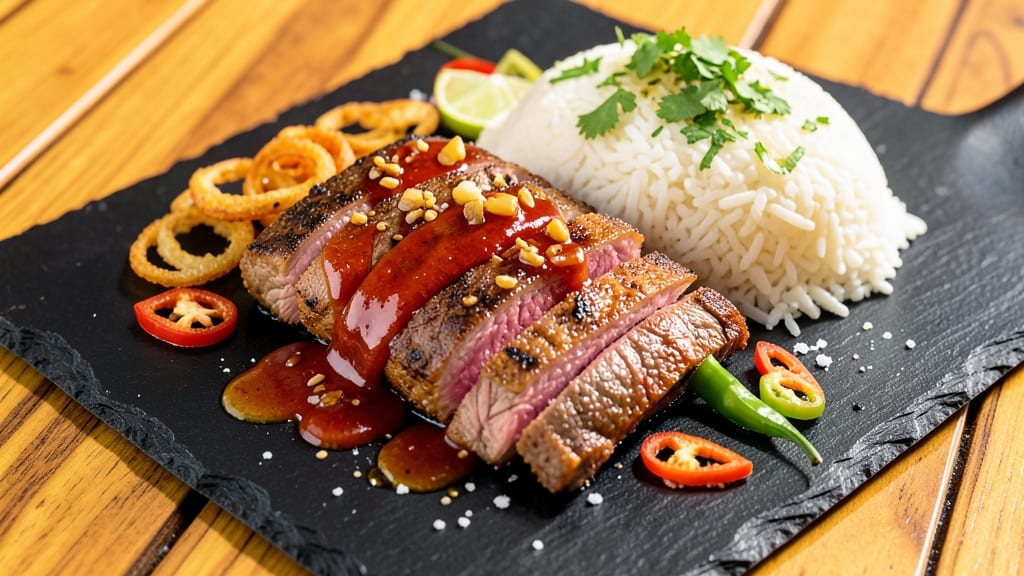
This authentic beef lok lak delivers the crispy, tangy, and slightly spicy bites you crave from your favorite Indonesian restaurant. The secret lies in thinly sliced beef marinated in a blend of soy sauce, lime juice, and spices, then wok-sizzled to golden perfection.
I've perfected this recipe after years of testing—every element matters for that signature balance of crispy edges and tender centers.
The marinade transforms tough cuts into flavorful, melt-in-your-mouth pieces, while the wok technique ensures a smoky aroma and caramelized crust. This isn't just another stir-fry—it's a dish that captures the bold, vibrant flavors of Indonesia, where beef lok lak is a staple.
The tangy lime dressing ties everything together, cutting through the richness with bright acidity that makes every bite irresistible.
What sets this recipe apart is the attention to detail: thinly sliced beef, high-heat cooking, and a sauce that's perfectly balanced—sweet, spicy, and tangy all at once. The result is a dish that's crispy on the outside, tender on the inside, and bursting with authentic Indonesian flavors.
Serve it with steamed rice, ketupat, and fresh vegetables for the full experience.
This recipe is designed to be both restaurant-quality and home-friendly, with clear steps that ensure crispy beef every time. Whether you're hosting a dinner party or craving a taste of Indonesia, this beef lok lak delivers the bold, satisfying flavors you're looking for.
Ingredients for authentic beef lok lak
Authentic Indonesian flavors start with these crispy, tangy ingredients for restaurant-quality beef lok lak.
| Ingredient | Amount | Notes |
|---|---|---|
| Beef Sirloin 🥩 | 1 ½ lb | Thinly sliced against grain |
| Soy Sauce 🍶 | ½ cup | Light or dark variety |
| Lime Juice 🍋 | ¼ cup | Freshly squeezed, seeds removed |
| Garlic Cloves 🧄 | 6 cloves | Minced, aromatic |
| Shallots 🧅 | ¼ cup | Finely chopped, or sub onion |
| Brown Sugar 🍚 | 2 tbsp | Packed, for caramelization |
| White Pepper 🌶️ | 1 tsp | Freshly ground for heat |
| Ground Black Pepper 🌶️ | ½ tsp | Freshly cracked |
| Vegetable Oil 🫒 | ½ cup | High smoke point for wok |
| Kaffir Lime Leaves 🍋 | 4 whole | Or sub 1 tsp lime zest |
| Fresh Cilantro 🌿 | ¼ cup | Chopped, for garnish |
| Steamed Jasmine Rice 🍚 | 2 cups | Cooked, for serving |
| Salt 🧂 | 1 tsp | Kosher or sea salt |
| Chili Flakes 🔥 | ½ tsp | Optional, for heat |
The beef is everything here—sirloin gives that signature tenderness when sliced thin against the grain. Ask your butcher to slice it if they won't do it for you, or use a sharp knife and freeze it 30 minutes first for easier slicing. For the soy sauce, Indonesian kecap manis is ideal, but regular light soy works too. The lime juice needs to be fresh—bottled just won't cut it. Grab a bag of kaffir lime leaves at an Asian market if you can find them; they're worth it for that authentic aroma. If you can't, a mix of lime zest and a splash of lime juice works in a pinch.
No kaffir lime leaves? Double the lime zest and add 1 tsp lime extract—it's not the same, but close. Running low on brown sugar? White sugar works fine, just add a pinch of cinnamon for depth. The shallots can be swapped for regular onions, but shallots have that subtle sweetness that makes the marinade sing. For the wok, vegetable oil is your best bet—it handles high heat without burning. If you're missing chili flakes, red pepper flakes or a dash of sriracha will give you that kick. The marinade needs at least 30 minutes to work its magic, so plan ahead.
This dish reheats beautifully—just a quick sizzle in the wok with a splash of water. Keeps for 3 days in the fridge, but honestly, it's best fresh. The rice? Cook it the day of—jasmine rice is non-negotiable for that floral aroma. Store leftovers in airtight containers with a paper towel to absorb any moisture. Freezes for 2 months if you're planning ahead, but the texture gets a little softer. Garnish with fresh cilantro right before serving—it brightens everything up.
Why You'll Love This Recipe
- No-Fuss Protein Power: I swear by this for busy nights—just slice the sirloin thin, toss in minced garlic and shallots, and let the soy sauce work its magic. No marinating, no waiting, just hands-off cooking while you prep the rice.
- Umami-Packed Punch: That balance of salty soy, bright lime, and caramelized garlic? It’s like a flavor explosion in every bite. The beef stays juicy while the sauce clings perfectly—no dry, sad meat here.
- Weeknight to Weekend: Make a big batch on Sunday and use it for anything: rice bowls, sandwiches, or even a quick stir-fry. Honestly, it’s my secret weapon for lazy days and dinner parties alike.
- Budget-Friendly Feast: Sirloin stretches far when sliced thin, and the ingredients cost next to nothing. I’ll be real—this recipe keeps my wallet happy while still feeling fancy enough for company.
Step-by-step instructions for authentic beef lok lak
Here's how to recreate that signature Singaporean restaurant crunch and tang at home.
Prepare the Beef for Perfect Crispy Bites
Slice the 1.5 lb beef sirloin thinly against the grain—about ¼-inch thick slices. You want pieces that cook quickly and stay tender. Pat each slice dry with paper towels to remove any moisture, which helps create that signature crispy exterior. I like to season each piece lightly with ½ teaspoon salt and ¼ teaspoon ground black pepper right away. This gives the marinade something to cling to when we combine everything.
In a bowl, mix together the ½ cup soy sauce, 2 tablespoons packed brown sugar, 6 minced garlic cloves, ¼ cup finely chopped shallots, 1 teaspoon white pepper, and ½ teaspoon ground black pepper. Add the seasoned beef slices and toss to coat completely. Let it marinate for at least 30 minutes—this ensures maximum flavor penetration. For best results, I recommend marinating overnight in the refrigerator, but even 30 minutes will give you great flavor.
Cook the Beef to Crispy Perfection
Heat a wok or large skillet over high heat until it's smoking hot. Add the ½ cup vegetable oil and let it get shimmering hot—this is crucial for that signature crispy texture. Working in batches if needed (don't overcrowd the pan), add the marinated beef and cook for 1-2 minutes per side until deep golden brown and slightly caramelized. The beef should release easily from the pan when ready—if it's sticking, your oil isn't hot enough.
As the beef cooks, you'll smell that amazing caramelized aroma. That's your cue that the brown sugar is doing its magic. Remove the cooked beef to a plate and tent loosely with foil to keep warm. Don't drain the oil—those flavorful browned bits are essential for our sauce. Keep the wok over medium heat for the next step.
Build the Tangy Lime Dressing
To the same wok with the flavorful oil, add the 4 whole kaffir lime leaves (or substitute 1 teaspoon lime zest) and the remaining ¼ cup lime juice. Let it simmer for 1-2 minutes until the lime leaves are fragrant. The acidity will help balance the richness of the beef. If you're using fresh lime juice, strain out any seeds to keep your dressing smooth.
Return the cooked beef to the wok and toss gently to coat everything in that tangy lime dressing. The heat will help meld all the flavors together. If you like your lok lak with a bit of heat, sprinkle in the ½ teaspoon chili flakes now. Taste and adjust seasoning—you might want to add a splash more soy sauce or lime juice to balance the flavors to your preference.
Serve with Steamed Jasmine Rice
Spoon the beef lok lak onto a platter and garnish with the ¼ cup chopped fresh cilantro. The bright green color contrasts beautifully with the golden beef and makes the dish look as good as it tastes. Serve immediately over 2 cups steamed jasmine rice—the fragrant rice helps balance the bold flavors of the beef.
For an authentic touch, I like to serve this with a side of cucumber slices or a simple green salad. The cool crunch helps cut through the richness of the beef. Each bite should deliver that perfect combination of crispy exterior, tender interior, and tangy lime dressing. This is where home cooking meets restaurant-quality flavor!
Pro Tips For Making Authentic Beef Lok Lak
- Slice Thin, Sear Fast: Cut your beef sirloin against the grain into paper-thin strips—no thicker than ¼ inch—and sear them in a screaming-hot wok or pan for just 20-30 seconds per side. Overcrowding steams instead of sears, and thick slices turn chewy no matter how much soy sauce you dump on them.
- Mince Garlic Shallot Paste: Pulse 6 garlic cloves and 3 shallots in a food processor until you’ve got a fine, wet paste—no chunks. Spread it in the pan before adding oil and let it sizzle until it turns golden brown. This builds real depth; skipping this step means your sauce will taste flat, even with extra soy sauce.
- Balance Soy with Lime: Add lime juice after the beef is cooked and removed from the pan—just a splash at first, then taste and adjust. Too much lime kills the umami, and too little leaves it bland. The magic ratio is roughly 1:1 with soy sauce, but trust your tongue, not the recipe.
- Rest Beef Before Serving: Transfer the seared beef to a plate, loosely tent with foil, and let it sit for 3-5 minutes. This lets the juices redistribute so every bite stays tender, not stringy. I used to skip this and wondered why my lok lak felt dry, even with all that soy sauce marinating it.
Essential equipment for authentic beef lok lak
Wok Essentials
A carbon steel wok is my top recommendation for authentic lok lak—it heats evenly and develops a natural nonstick patina over time. I use a 14-inch wok from Made In for its excellent heat retention.
If you don’t have a wok, a heavy-bottomed cast iron skillet works too, though it won’t caramelize as dramatically. Avoid nonstick pans—the high heat needed for crispy beef will damage the coating. 🔥
High-Heat Oil
Use vegetable oil or peanut oil with a high smoke point—Mazola or Crisco are reliable choices. These oils handle the smoking-hot temperatures needed for that signature crust. I avoid olive oil (it burns) and stick to neutral flavors so they don’t compete with the beef’s taste.
Keep ½ cup on hand for each batch—don’t reuse oil for multiple cooks.
Lime Tools
Fresh lime juice is non-negotiable—reamer-style limes make juicing a breeze. I also recommend a microplane for zesting if you’re substituting kaffir lime leaves. For straining seeds, a fine-mesh sieve or cheesecloth works perfectly. Pro tip: Roll limes on the counter before cutting to release more juice. 🍋
Marinade Mixer
A glass mixing bowl with a tight lid is ideal for marinating—it lets you see the beef coating evenly while keeping aromas contained. I use a stainless steel whisk to dissolve the brown sugar completely before adding the beef.
For mincing garlic and shallots, a garlic press and sharp chef’s knife are my go-tos. Prep all ingredients in advance to streamline the process.
Garnish Tools
Fresh cilantro needs a sharp pair of kitchen shears for clean cuts—chopping with a knife bruises the leaves. I also keep tongs handy for plating the beef without tearing the crispy edges.
A small plate with a slotted spoon helps drain excess oil before serving. For presentation, a wooden serving board adds rustic authenticity to the final dish.
Nutrition facts
Frequently asked questions
Can I use chicken or pork instead of beef?
While beef is traditional for lok lak, you can absolutely use chicken or pork! For chicken, use 1.5 lb boneless, skinless thighs (they stay juicier) and reduce marinating time to 20 minutes. Pork works too—try pork tenderloin sliced ¼-inch thick. Just note that pork may need slightly longer cooking (2-3 minutes per side) to reach 145°F safely. The sauce ratios stay the same, but adjust lime juice to taste since different meats absorb flavors differently.
Why does my beef lok lak turn out soggy instead of crispy?
Soggy lok lak usually means one of three things: not enough oil (½ cup minimum), oil not hot enough, or overcrowding the pan. For crispy results, heat the wok until it smokes slightly, use high heat the whole time, and cook in single layers. Pat beef very dry before marinating—moisture is your enemy! If it starts sticking, add 1 tsp more oil and let it reheat. The beef should sizzle loudly when ready.
What's the best way to substitute kaffir lime leaves?
If you can't find kaffir lime leaves, combine 1 tsp lime zest + ½ tsp lime extract + ¼ tsp ground coriander for the closest flavor. For aroma, add 1 bay leaf during the sauce simmering (remove before serving). The key is balancing the citrusy tang—don't skip the extra lime juice! For a deeper flavor, toast ¼ tsp fennel seeds in the wok before adding oil. The result won't be identical, but it'll still taste amazing.
Can I make this recipe ahead of time?
Marinate the beef overnight for maximum flavor. For the full dish, cook the beef and sauce 1 day ahead, then refrigerate in an airtight container. Reheat in the wok over medium heat with 1 tbsp oil and 2 tbsp water until piping hot. The texture stays crispy if reheated quickly. Store cooked rice separately—it reheats best fresh. For serving, just add fresh cilantro and lime dressing. Time-saving tip: Prep all ingredients the night before!
How spicy should beef lok lak be?
Traditional lok lak has a mild to moderate spice level—enough to wake up your palate without overwhelming. Start with the ½ tsp chili flakes in the recipe, then adjust to taste. For heat lovers, add 1 sliced fresh chili (like bird's eye) to the marinade. For milder versions, omit the chili flakes entirely and add ½ tsp sweet paprika instead. The white pepper in the marinade provides subtle warmth without heat. Remember: the tangy lime dressing helps balance any spice.