
Main Courses
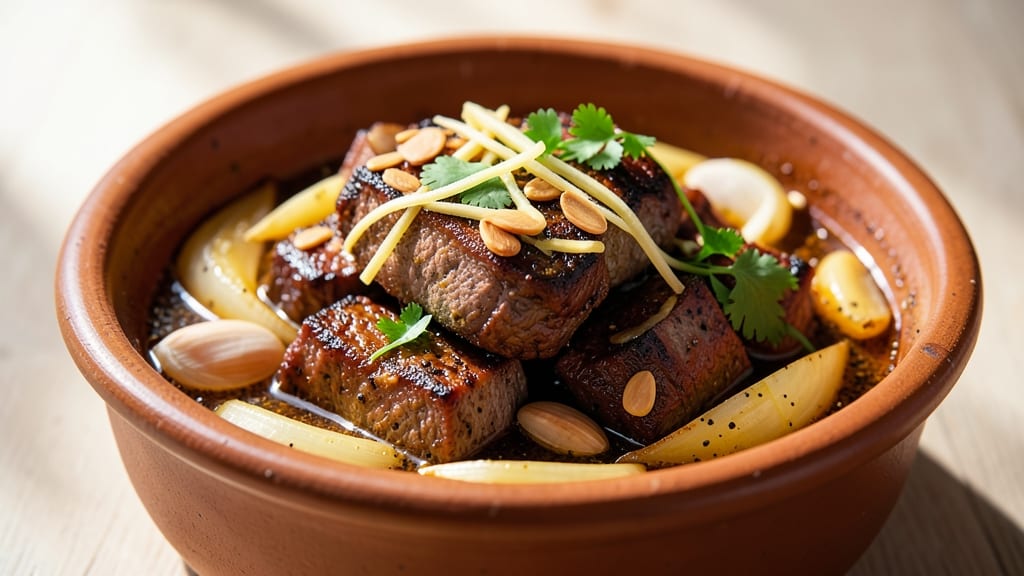
This authentic beef tagine recipe transports you straight to the bustling spice markets of Marrakech with every aromatic bite. The slow-cooked beef melts into tender perfection, infused with warm spices like cumin, cinnamon, and ras el hanout, while preserved lemons add a bright, tangy contrast that defines Moroccan cuisine.
What makes this dish truly special is its ability to transform simple ingredients into a complex, layered flavor experience—all in one pot.
The key to authenticity lies in the technique: browning the beef deeply for rich flavor, then simmering it low and slow until the meat is fork-tender and the sauce thickens into a fragrant, spice-infused reduction.
Traditional methods call for clay pots, but a heavy-bottomed Dutch oven or even a slow cooker will deliver the same results. The spices—carefully balanced—create a symphony of earthy, sweet, and slightly smoky notes that build as the dish cooks.
By the time you serve this tagine, you’ll have a dish that’s rich, tender, and bursting with the essence of Morocco. The beef falls apart at the touch of a fork, swimming in a sauce that’s equally comforting and vibrant.
Serve it with fluffy couscous or crusty Moroccan bread to soak up every last drop of that fragrant, spice-kissed liquid gold.
Perfect for a special dinner or a cozy weeknight meal, this tagine is as impressive as it is approachable. The secret? Patience and attention to the spices—once you master this, you’ll never settle for anything less than the real deal. Let’s get cooking.
Ingredients for authentic beef tagine
Simple ingredients, bold Moroccan flavors—this tagine brings the spice market to your kitchen.
| Ingredient | Amount | Notes |
|---|---|---|
| Beef Chuck Roast 🥩 | 2 lb | Cut into 2-inch cubes |
| Yellow Onion 🧅 | 1 whole | Thinly sliced |
| Fresh Garlic 🧄 | 6 cloves | Minced |
| Fresh Ginger 🌿 | 1 ½ tbsp | Finely grated |
| Ras El Hanout Spice Blend 🌶️ | 2 tbsp | Authentic Moroccan blend |
| Ground Cumin 🌿 | 1 ½ tbsp | Toasted for depth |
| Ground Coriander 🌿 | 1 ½ tbsp | Freshly ground preferred |
| Ground Cinnamon 🌶️ | 1 tsp | Sweet variety |
| Turmeric Powder 🌶️ | ½ tsp | Bright yellow color |
| Diced Tomatoes 🍅 | 14 ½ oz | Canned, San Marzano preferred |
| Preserved Lemons 🍋 | ½ cup | Peeled, chopped |
| Olive Oil 🫒 | ½ cup | Extra-virgin for richness |
| Beef Broth 💧 | 2 cups | Low-sodium preferred |
| Honey 🍯 | 1 tbsp | For balancing acidity |
| Fresh Parsley 🌿 | ¼ cup | Chopped for garnish |
The beef is everything here. Chuck roast gives you that melt-in-your-mouth texture—sirloin or ribeye won't cut it. Look for good marbling at Whole Foods or your local butcher. If you're buying whole, ask for it cubed yourself. For the spices, Penzeys Spices or bulk bins at Middle Eastern markets are gold—ras el hanout is the secret weapon. Don't skimp on the preserved lemons either; look for the bright yellow ones—they should be packed in their own juice, not water.
No ras el hanout? Mix 1 tsp each of cumin, coriander, cinnamon, ginger, and turmeric—it's not identical but gets you close. Fresh ginger is ideal, but dried works at half the amount. The canned tomatoes? San Marzano is worth the splurge—they're sweeter and less acidic. Short on preserved lemons? Substitute lemon zest plus a splash of lemon juice. The honey balances the acidity—don't skip it if you want that authentic Moroccan touch. And if you're using a slow cooker, add the broth first to prevent burning.
This tagine tastes even better the next day—make extra. Store in an airtight container for 4-5 days in the fridge, or freeze portions for 3 months. To reheat, add a splash of water or broth and simmer gently. The spices mellow over time, so leftovers often taste more complex. I always keep a small jar of the spice blend on hand—it's the easiest way to tagine-ify any dish.
Why You'll Love This Recipe
- One-Pot Magic: I swear by this—just toss everything in, cover it, and walk away. The chuck roast practically melts into tender perfection while you’re handling the rest of dinner (or scrolling through your phone). No fancy equipment, no stress.
- Spice Bomb Alert: That ras el hanout blend? It’s like a warm hug in spice form—sweet, smoky, and just a little mysterious. The ginger and garlic caramelize into something so rich, you’ll want to eat it straight from the pot. (Yes, I’ve been there.)
- Budget Stretch: A chuck roast is cheap, and this recipe turns it into something restaurant-worthy. Honestly, I make it twice a month just because it’s that good—and the leftovers reheat like a dream. Minimal cost, maximum flavor.
Step-by-step instructions for authentic beef tagine
This one-pot wonder delivers restaurant-quality Moroccan flavors with minimal effort.
Sear the Beef for Deep Flavor
Heat the 0.5 cup olive oil in a heavy-bottomed Dutch oven over medium-high heat. Add the 2 lb beef chuck roast cut into 2-inch cubes in a single layer, leaving space between pieces. Let them sear undisturbed for 3-4 minutes until deeply browned on all sides.
This crucial step develops the Maillard reaction, creating that rich, caramelized foundation for your tagine. Don't rush this—you'll know it's ready when the beef releases easily from the pan. Work in batches if needed, adding more oil as necessary. Once all pieces are browned, remove them from the pot and set aside temporarily.
Build the Spice Base
In the same Dutch oven, reduce the heat to medium and add the 1 whole yellow onion sliced thinly. Cook for 5-6 minutes until softened and translucent. Add the 6 cloves fresh garlic minced and 1.5 tbsp fresh ginger finely grated, cooking for another 1-2 minutes until fragrant.
Now comes the aromatic magic: stir in the 2 tbsp ras el hanout spice blend, 1.5 tbsp ground cumin, 1.5 tbsp ground coriander, 1 tsp ground cinnamon, and 0.5 tsp turmeric powder. Toast these spices for 30 seconds until you can smell their warm, earthy notes filling your kitchen. This step unlocks the full depth of Moroccan flavor.
Simmer the Tagine
Return the seared beef to the pot along with the 14.5 oz diced tomatoes, 0.5 cup preserved lemons peeled and chopped, and 2 cups beef broth. Stir well to combine, then bring to a gentle simmer. Cover with a tight-fitting lid and reduce heat to low, letting it cook for 1.5 hours.
Here's where patience pays off—the beef should become fork-tender while absorbing all those complex flavors. Stir occasionally, adding 1 tbsp honey after 45 minutes to balance the acidity from the preserved lemons. The sauce should reduce slightly, coating the beef in a rich, spiced glaze. If it looks too dry, add 2-3 tablespoons water to maintain moisture.
Finish and Serve
Once the beef is tender (it should easily pull apart with two forks), stir in the 0.25 cup fresh parsley chopped. Taste and adjust seasoning if needed—you might want to add a pinch more salt or a squeeze of lemon to brighten the flavors. Let the tagine sit off the heat for 5 minutes to allow the juices to redistribute.
Serve family-style straight from the pot, accompanied by crusty bread or couscous. The beef should be meltingly tender with a beautiful sauce clinging to each piece. This dish tastes even better the next day as the flavors continue to develop, so consider making extra for leftovers. The aromatic spices and preserved lemons create a symphony of flavors that's pure Moroccan comfort food at its finest.
Pro Tips For Making Authentic Beef Tagine
- Sear the Chuck Hard: The beef won’t just flavor the dish—it’ll carry it. Get that roast screaming hot in a dry pan for 5-6 minutes per side until deep brown, even if it means blackening the edges a little. I used to rush this, and the tagine always tasted flat afterward. Patience here means richer sauce later.
- Peel Ginger Wrong: Skip the knife for the outer skin—just scrub it under running water, then use a spoon to scoop off the thin, papery layer. Too many times I sliced through good ginger by peeling it like an orange. For tagine, you want that fresh, bright zing without bitterness.
- Don’t Crowd the Pot: After searing, let the onions caramelize in batches if needed. Three onions in a 6-quart tagine? They’ll steam instead of brown. I learned this the hard way—my first tagine tasted like sad, watery stew. Work in stages, and those onions will turn golden and sweet.
- Finish with Preserved Lemon: Toss in a few slices of preserved lemon (peel and all) in the last 15 minutes. The bitterness cuts through the richness, and the peel adds a bright, citrusy depth. No jar on hand? Zest a regular lemon and add it at the end—it won’t be the same, but it’ll still help.
Dietary considerations for this dish
Vegetarian Adaptation
Swap the beef for 2 lb firm tofu or chickpeas (2 cans, drained) to create a hearty vegetarian version. Press tofu to remove excess water, then cube and pan-fry until golden before adding to the spice base.
Chickpeas work beautifully too—simmer them with the onions and spices for 10 minutes before adding liquids. For extra protein, add 1 cup lentils (cooked) to the pot during the final 30 minutes of simmering. 🌱
Gluten-Free Considerations
This recipe is naturally gluten-free, but always double-check your ras el hanout and spice blends for hidden gluten. Use certified gluten-free beef broth (like Pacific Foods or Imagine brands) and ensure your preserved lemons aren't packed in gluten-containing additives.
For serving, pair with gluten-free couscous (made from corn or quinoa) or Moroccan flatbread (like Ezekiel bread from Sprouts).
Dairy-Free Options
Skip any butter or cream called for in variations (though this base recipe is dairy-free). For extra richness, stir in 2 tbsp tahini or 1 tbsp coconut cream during the final 10 minutes of cooking.
The preserved lemons and tomatoes already provide enough acidity, so no dairy substitutions are needed. Garnish with extra fresh herbs instead of yogurt or cream. 🥥
Allergen-Friendly Swaps
For nut allergies, avoid any almond-based broths—stick to beef or vegetable broth. If you're avoiding preserved lemons, substitute 2 tbsp lemon zest plus 1 tbsp lemon juice (ensure no cross-contamination if using shared utensils).
For seafood allergies, this recipe remains safe as long as you're not using shellfish broth. Always check spice blends for soy additives if you have soy allergies—some commercial ras el hanout contains soy flour. 🚫
Low-Carb Version
Replace the 2 cups beef broth with 2 cups bone broth (lower in carbs) and eliminate any starchy sides. Serve with cauliflower rice or a simple zucchini noodle salad (tossed with olive oil and lemon).
The tagine itself is already low-carb—just watch portion sizes of any bread or couscous you serve. For extra fat to keep you full, add 1 tbsp ghee when finishing the dish. 🥦
Nutrition facts
Frequently asked questions
What's the secret to making beef tagine truly authentic?
The key lies in three elements: ras el hanout (use authentic Moroccan blends), preserved lemons (not regular lemons), and slow cooking. The spices need to toast briefly to release their aromas, and the beef must simmer until fork-tender. Traditional clay pots work best, but a Dutch oven delivers similar results. Don't skip the honey—it balances the preserved lemon's acidity perfectly.
Can I make this tagine in a slow cooker?
Brown the beef in a skillet first, then transfer everything to your slow cooker. Cook on low for 6-7 hours or high for 4-5 hours. Add the broth first to prevent burning, and stir in honey during the last hour. The slow cooker method actually enhances the beef's tenderness while letting flavors meld beautifully.
What's the best way to store and reheat leftovers?
Store in an airtight container for 4-5 days in the fridge or freeze for 3 months. To reheat, add 2-3 tablespoons water or broth and simmer gently on the stove—never microwave. The flavors deepen overnight, making leftovers even more delicious. Tagine tastes best reheated as the spices continue to develop.
Why does my tagine taste bland or too spicy?
Bland flavor usually means under-seasoned spices or insufficient browning. Toast your spices properly and sear the beef deeply. For spiciness, adjust by adding more honey (sweetens) or a pinch of salt (balances). The preserved lemons should be bright yellow—not green—and packed in their own juice. Taste as you go—Moroccan cuisine balances sweet, spicy, and tart perfectly.
What's the traditional way to serve this dish?
Serve family-style straight from the pot with fluffy couscous or Moroccan bread for scooping. In Morocco, it's often accompanied by a simple green salad with lemon and olive oil. For extra authenticity, garnish with fresh cilantro and serve with mint tea. The sauce should cling to every bite of beef—this is the true test of a well-made tagine.