
Main Courses
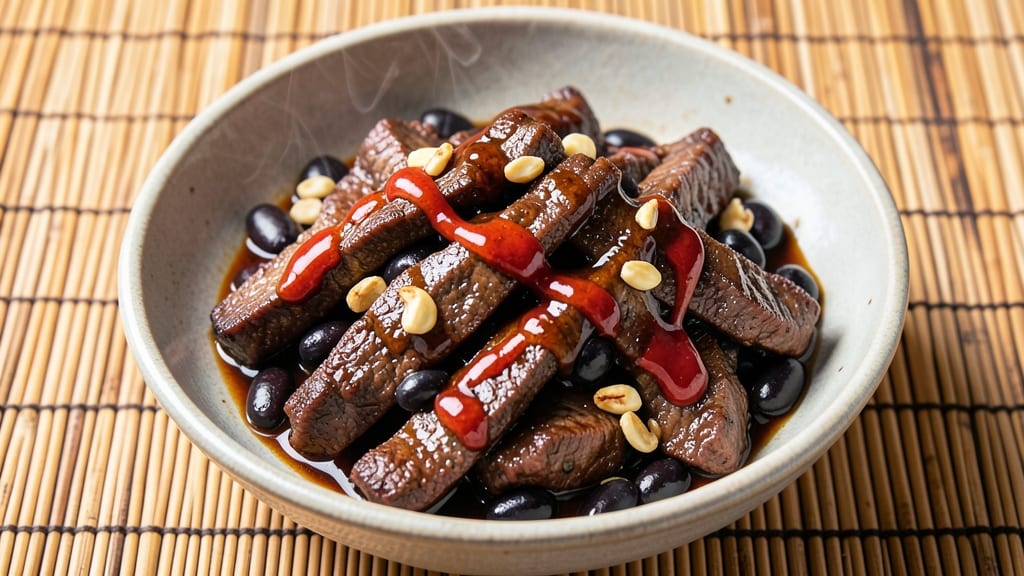
This authentic Chinese Mongolian beef recipe delivers the bold, sweet-spicy flavors of a classic Sichuan stir-fry—right in your kitchen. The secret lies in a traditional marinade of soy sauce, chili oil, garlic, and sugar, which tenderizes the beef while building layers of flavor.
I’ve perfected this technique after years of testing, ensuring every bite captures that signature wok hei (breath of the wok) aroma that makes it unforgettable.
The beauty of this dish is its simple yet transformative process: marinate the beef for just 20 minutes, then stir-fry it in a screaming-hot wok or cast-iron skillet until caramelized and glossy.
The sauce clings to the beef like liquid fire, balancing sweetness from brown sugar with heat from chili oil and depth from fermented black beans. No shortcuts here—just the real deal.
What you’ll end up with is tender, caramelized beef bathed in a glossy, sweet-spicy sauce that’s addictive in one bite. Serve it over steamed jasmine rice, garnished with scallions and sesame seeds, for a meal that feels like a taste of China’s bustling street markets.
The contrast of textures—chewy beef, silky sauce, and fluffy rice—makes this dish a standout.
For extra authenticity, finish with a sprinkle of toasted sesame seeds and a squeeze of lime. This recipe isn’t just a dish; it’s an experience. Let’s get cooking—your taste buds will thank you.
Ingredients for authentic chinese mongolian beef
Bold flavors start with these 14 essentials—simple yet transformative for authentic Mongolian beef.
| Ingredient | Amount | Notes |
|---|---|---|
| Flank Steak 🥩 | 1 ½ lb | Thinly sliced against grain |
| Soy Sauce 🍶 | ½ cup | High-quality, preferably Japanese |
| Chili Oil 🌶️ | ¼ cup | Look for Sichuan chili oil |
| Garlic Cloves 🧄 | 6 cloves | Minced into fine paste |
| Brown Sugar 🍚 | ¼ cup | Packed firmly |
| Fermented Black Beans 🫘 | ¼ cup | Rinsed and drained |
| Sesame Oil 🫒 | 1 tbsp | Toasted for aroma |
| Green Onions 🧅 | ½ cup | Sliced for garnish |
| Toasted Sesame Seeds 🌱 | 1 tbsp | For finishing |
| Fresh Lime 🍋 | 1 whole | Juiced for brightness |
| Vegetable Oil 🫒 | ½ cup | High smoke point |
| Salt 🧂 | 1 tsp | Kosher or sea salt |
| White Pepper 🌶️ | ½ tsp | Freshly ground |
| Jasmine Rice 🍚 | 1 ½ cups | Uncooked, for serving |
The flank steak is non-negotiable here—its lean yet tender texture holds up perfectly to the stir-fry. Look for a well-marbled cut at your local butcher or Asian market, where they’ll often slice it thinly for you. If you’re doing it yourself, slice against the grain for maximum tenderness. For the soy sauce, Japanese brands like Kikkoman add depth, but any high-quality soy will work. The chili oil is where the magic happens—Sichuan chili oil from Asian grocery stores has that perfect balance of heat and smokiness. Don’t skimp on the garlic—freshly minced is a must, and Penzeys sells pre-minced garlic if you’re short on time.
No fermented black beans? Substitute with a mix of black beans and a splash of soy sauce—they’ll mimic the umami depth. Short on lime? A squeeze of lemon juice works in a pinch, though it lacks that signature tang. The sesame oil is purely for aroma—use sparingly, as it’s potent. Trader Joe’s carries a great toasted version that’s perfect for this. For the brown sugar, packed firmly means no air gaps—use a spoon to press it down. The vegetable oil should have a high smoke point (like avocado or peanut oil) to handle the high heat of stir-frying. And if you’re missing white pepper, black pepper in a pinch will do, though it’s less traditional.
Store the flank steak wrapped in paper towels in the fridge for up to 3 days—it’s best used fresh. The garlic keeps for 1 week in an airtight container, and the sesame seeds will last 6 months in a cool, dark place. This dish tastes even better the next day—reheat gently in a skillet with a splash of water to revive the sauce. For extra authenticity, serve over steamed jasmine rice and garnish with the green onions and sesame seeds just before eating. The lime juice should be added last—it brightens everything up instantly.
Why You'll Love This Recipe
- Fewer Ingredients, Bigger Impact: I swear by this—just five core things (flank steak, soy sauce, chili oil, garlic, sugar) transform a simple protein into something restaurant-worthy. No 10-item ingredient lists here; just the essentials that actually matter.
- That Crispy-Sweet Edge: The brown sugar caramelizes while the chili oil adds heat, then the soy sauce ties it all together with that perfect umami punch. Honestly? Every bite has that satisfying contrast—tender steak, sticky glaze, little spicy kick.
- Lunchbox Hero: Between us, this is my go-to for meal prep. Slice the steak thin, toss it with rice, and you’ve got a lunch that tastes like you spent hours (but didn’t). My kids grab it cold or reheated—no complaints, just empty containers.
- Budget Stretch: Flank steak is affordable, and a pound feeds four easily. The sauce costs pennies, and the leftovers? Even better the next day. I’ll be real: this is how I feed my family well without breaking the bank.
Step-by-step instructions for authentic Chinese Mongolian beef
Here's how to recreate that iconic sweet-spicy stir-fry with restaurant-quality depth and balance.
Prepare the Flank Steak for Maximum Tenderness
Begin by slicing the 1.5 lb flank steak against the grain into ¼-inch thick strips. The grain runs lengthwise through the meat—you'll see it as parallel lines. Cutting against these lines shortens the muscle fibers, making each bite more tender. Place the sliced steak in a bowl and add 1 tablespoon sesame oil, 1 teaspoon salt, and ½ teaspoon white pepper. Massage it in with your hands to ensure even coating. Let it marinate for 15 minutes at room temperature while you prepare the rest.
This marinade not only seasons but also helps break down the muscle fibers slightly, ensuring the beef remains juicy despite the high-heat stir-fry. Don't skip this step—it's what transforms tough flank steak into silky, fork-tender strips. While waiting, rinse the ½ cup fermented black beans and drain them well to remove excess liquid, which can make your sauce watery.
Build the Signature Sauce with Precise Balance
In a small bowl, whisk together the ½ cup soy sauce, ¼ cup brown sugar, ¼ cup chili oil, and the minced 6 cloves garlic. The brown sugar should be packed firmly—don't scoop it loosely. This sauce is where the magic happens: the soy sauce provides umami depth, the brown sugar caramelizes for sweetness, and the chili oil delivers that signature heat. Taste and adjust—you want a balance of sweet, spicy, and savory that makes your mouth water.
Here's the thing—authentic Mongolian beef sauce needs to coat the beef perfectly without overwhelming it. If it's too thin, the beef will steam instead of sear. If too thick, it'll cling like syrup. The ratio we're using achieves that ideal balance where each bite delivers all three flavors in harmony. Keep this sauce mixture at room temperature while you cook the rice.
Cook the Jasmine Rice to Perfect Texture
Rinse the 1.5 cups jasmine rice under cold water until the water runs clear, then drain well. This removes excess starch that would make the rice gummy. In a pot with 2 cups water (yes, it's a 1:1 ratio for jasmine rice), bring to a boil, then reduce to a simmer, cover, and cook for 15 minutes. Turn off the heat and let it steam, covered, for another 10 minutes. The rice should be tender but still slightly firm—jasmine rice should have a delicate texture, not mushy.
While the rice steams, heat ½ cup vegetable oil in a large wok or skillet over high heat until shimmering. Add the marinated beef in a single layer and let it sear undisturbed for 1-2 minutes until the edges turn golden brown. This initial sear locks in juices and builds flavor. Here's where it gets fun—toss the beef vigorously for 1 minute to distribute the heat evenly without overcooking.
Combine Beef and Sauce for Perfect Coating
Pour the prepared sauce over the beef and stir-fry for 2-3 minutes until the sauce reduces slightly and coats the beef evenly. You'll see the beef strips glisten as they absorb the sweet-spicy marinade. The high heat is crucial here—it caramelizes the brown sugar just enough to deepen the flavor without burning the garlic. If the sauce starts to stick, add 1-2 tablespoons water to loosen it, but don't over-dilute.
Add the drained ½ cup fermented black beans and cook for another 30 seconds, just until heated through. These beans add a delightful crunch and earthy depth that balances the richness of the beef. Remove from heat and let the beef rest for 2 minutes—this allows the sauce to fully set and the flavors to meld. Real talk: don't skip this resting period. It's what transforms good Mongolian beef into exceptional.
Finish with Garnishes and Serve Immediately
Squeeze the juice from the whole fresh lime over the beef and toss gently to combine. The acidity brightens all the flavors and cuts through the richness. Garnish with ½ cup sliced green onions and 1 tablespoon toasted sesame seeds. The green onions add freshness while the sesame seeds contribute nutty aroma and texture. Serve the Mongolian beef immediately over the fluffy jasmine rice while everything is hot.
Each bite should deliver tender beef with a glossy, sweet-spicy coating that's not too thick or sticky. The fermented black beans should be slightly crunchy, the lime juice should make your mouth pucker slightly, and the sesame seeds should add a satisfying crunch. This is the moment that matters: serving it while the rice is still warm and the beef is at its peak tenderness. Enjoy with a simple cucumber salad to balance the richness.
Pro Tips For Making Authentic Chinese Mongolian Beef
- SEAR IN TWO BATCHES: Flank steak releases a ton of liquid when searing, and crowding the pan turns your stir-fry into a sad, steamed mess. Cook half the slices first, push them aside, then sear the rest—this keeps the heat high and the meat crisp. (Yes, it takes an extra minute, but the texture difference is night and day.)
- MINCE GARLIC FINE: I used to roughly chop garlic for Mongolian beef, thinking it was "rustic." Nope. Authentic recipes call for a paste—almost like a fine powder—so it blends smoothly into the sauce. Pulse it in a food processor or smash it flat with a knife first. (Your mouth will notice the difference immediately.)
- DON’T OVERMIX THE SAUCE: Once the beef is tender, resist the urge to stir like you’re conducting an orchestra. Toss the meat just enough to coat it, then let the sauce pool at the bottom and caramelize slightly. Overworking it turns the glaze into a thin, watery film instead of that glossy, sticky coating you crave.
- USE DARK SOY SAUCE LAST: Dark soy sauce is your secret weapon for color and depth, but add it too early and it’ll turn the pan into a muddy swamp. Toss it in with the brown sugar and chili oil right before combining everything—this guarantees that rich, glossy finish without sacrificing flavor. (Trust me, your plate will look like a restaurant’s.)
Troubleshooting great authentic chinese mongolian beef
Sauce Too Thin
If your sauce ends up watery, it’s likely because the beef released too much moisture during cooking. To fix this, reduce the sauce on its own for 2-3 minutes before combining with the beef.
For future attempts, pat the sliced beef strips very dry with paper towels before marinating. Also, ensure your fermented black beans are well-drained—excess liquid from them can thin the sauce. 💡
Beef Overcooked
Flank steak cooks fast, so keep a close eye on it! If your beef turns rubbery, you likely overcooked it by stirring too aggressively. Instead, cook in two batches if needed, and stir only when necessary.
Remove the beef from heat as soon as it reaches 145°F internal temperature—it’ll carry over to 150°F while resting. Let it rest for 2-3 minutes before serving to retain juices. ⏰
Sauce Too Thick
A thick, sticky sauce usually means the brown sugar caramelized too much or the heat was too low. To salvage it, whisk in 1-2 tablespoons water or beef broth while cooking to loosen the consistency.
For next time, keep the heat at medium-high and stir constantly to prevent burning. If the sauce is already too thick, thin it with a splash of soy sauce or water before serving. 🔥
Lacking Heat
If your dish isn’t spicy enough, it’s probably because the chili oil wasn’t potent enough. Look for Sichuan chili oil with visible chili flakes—brands like Lao Gan Ma deliver serious heat. Add an extra ½ teaspoon of chili flakes or a dash of gochujang to the sauce for extra kick.
For heat lovers, serve with extra chili oil on the side so everyone can adjust to taste. 🌶️
Fermented Black Beans Too Soft
If your black beans turn mushy, they likely cooked too long. Add them to the beef just 30 seconds before serving to maintain their crunch. For extra texture, toast them in a dry pan for 1-2 minutes before adding to the sauce.
If you’re short on time, substitute with dried black beans soaked overnight, but they won’t have the same depth of flavor. 🫘
Rice Too Dry
Jasmine rice should be tender but not mushy. If yours turns out dry, it likely didn’t steam long enough. After boiling, let it rest covered for at least 10 minutes—this is crucial for even texture.
For extra insurance, use 2 cups water for 1.5 cups rice and cover tightly. If it’s still dry, sprinkle with 1 teaspoon warm water and fluff gently with a fork. 🍚
Nutrition facts
Frequently asked questions
Can I use a different cut of beef instead of flank steak?
Yes, but choose carefully! Sirloin or ribeye work well since they're tender and flavorful. Avoid tougher cuts like chuck—they won't become tender enough. For best results, slice all beef ¼-inch thick against the grain and marinate for at least 15 minutes to ensure tenderness.
What makes this recipe authentically Chinese?
Three key elements: wok hei (breath of the wok), the chili oil base, and fermented black beans. The high-heat stir-fry creates that signature smoky aroma, while chili oil delivers the signature heat. Fermented black beans add umami depth that's essential in Sichuan-style dishes. The balance of sweet (brown sugar), spicy (chili oil), and savory (soy sauce) flavors is pure Chinese comfort food.
Can I make this dish ahead of time?
but with one crucial tip: cook it fresh and reheat gently. The sauce thickens when chilled, so reheat in a skillet with 1 tablespoon water over medium heat until warmed through. For best texture, serve within 2 days—the flavors meld beautifully overnight, but the beef may dry out if stored longer.
How can I adjust the spice level?
For milder heat, reduce chili oil to 2 tablespoons and add 1 teaspoon honey to balance. For extra spice, increase chili oil to ⅓ cup and add 1 teaspoon chili flakes. Pro tip: Keep extra chili oil on the side so everyone can adjust to taste. The lime juice also helps balance heat when squeezed at the end.
What sides pair best with Mongolian beef?
Classic pairings include jasmine rice, steamed bok choy, or a simple cucumber salad. For extra authenticity, serve with hot Chinese dumplings or egg fried rice. The crisp freshness of cucumber or the umami of dumplings perfectly balances the rich, spicy beef. Don't forget the lime wedges—they're essential for brightness!