
Soups & Stews
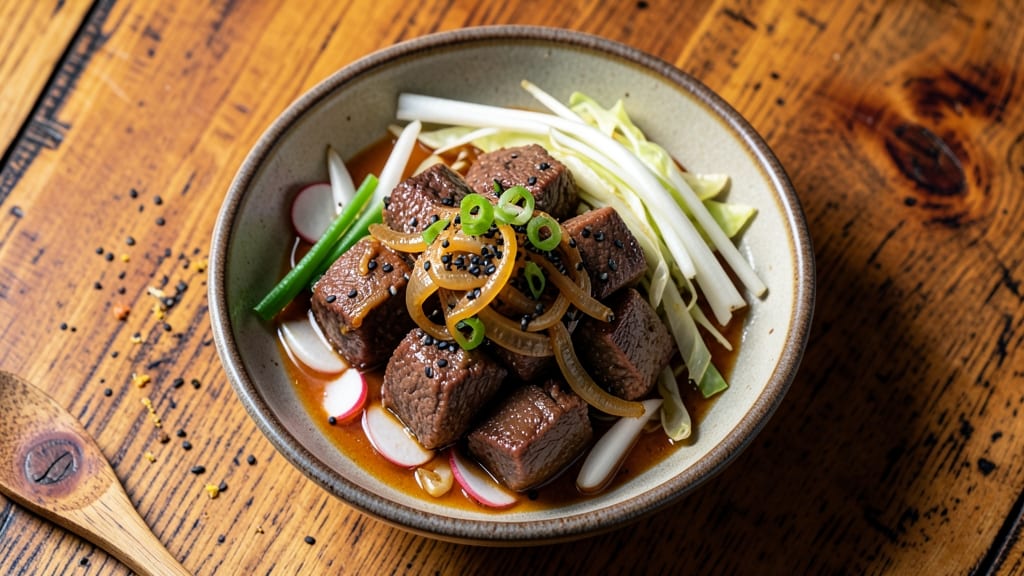
This authentic Korean beef stew recipe transforms tough cuts into melt-in-your-mouth tenderness through precise marinating and slow simmering techniques. The secret lies in fermented depth—doenjang or gochujang—creating that signature umami richness that defines Korean stews.
I've perfected this version over years of testing, balancing traditional methods with modern shortcuts for home cooks.
The process begins with a simple yet critical marinade of soy sauce, sugar, and garlic that tenderizes the beef while building flavor. What sets this apart is the layered broth—starting with a savory anchovy-dashi base before adding fermented pastes and vegetables.
This creates the complex, aromatic foundation that defines authentic Korean stews.
By the time you're done, you'll have perfectly tender beef swimming in a glossy, deeply flavorful broth with vegetables that stay crisp-tender. The result is restaurant-quality at home, with that perfect balance of sweet, savory, and fermented depth.
This is the kind of stew that tastes even better the next day as flavors meld.
Whether you're serving it as a hearty main course or sharing with friends, this recipe delivers authentic Korean comfort food. The technique is straightforward once you understand the key principles, and the results are worth every minute of simmering time.
Ingredients for authentic korean beef stew
Fermented pastes and tender beef create restaurant-quality Korean stew with minimal effort.
| Ingredient | Amount | Notes |
|---|---|---|
| Beef Chuck Roast 🥩 | 2 lb | Cut into 1.5-inch cubes |
| Soy Sauce 🍶 | ½ cup | Korean or Japanese preferred |
| Brown Sugar 🍚 | ¼ cup | Packed, light or dark |
| Garlic Cloves 🧄 | 6 cloves | Minced, for marinade |
| Ginger Root 🌿 | 1 tbsp | Freshly grated |
| Sesame Oil 🫒 | 1 tbsp | Toasted, for aroma |
| Doenjang 🥫 | ¼ cup | Fermented soybean paste |
| Gochujang 🌶️ | 2 tbsp | Korean red pepper paste |
| Carrots 🥕 | 4 medium | Peeled, cut into thick rounds |
| Daikon Radish 🥕 | 1 lb | Cut into thick slices |
| Green Onions 🧅 | 4 whole | Cut into 2-inch pieces |
| Anchovy Fillets 🐟 | 4 whole | For dashi base |
| Dried Shiitake Mushrooms 🍄 | 4 whole | Rehydrated, sliced |
| Korean Pearl Onions 🧅 | 1 lb | Whole, for texture |
| Kosher Salt 🧂 | 1 ½ tsp | For seasoning |
The beef is non-negotiable—chuck roast gives you that melt-in-your-mouth texture, while sirloin stays tough. Look for well-marbled cuts at Korean grocery stores or the butcher section. If you can't find doenjang, miso paste works in a pinch—just reduce the gochujang slightly to balance heat. For the anchovies, Trader Joe's or Asian markets have the best prices, and they're essential for that umami kick. Fresh ginger and garlic? Always buy organic—the skins should be tight and vibrant, not shriveled.
No doenjang? Substitute 1/4 cup miso paste plus 1 tsp sugar—it won't be identical, but close. Out of gochujang? Sriracha with extra sugar mimics the sweet-spicy balance. Pearl onions too expensive? Regular yellow onions work, but slice them thinner for similar texture. The carrots and daikon should be firm—no soft spots. If your shiitake mushrooms are dried, soak them in hot water for 20 minutes first. For the green onions, use the white and light green parts only—the dark green gets bitter when simmered.
This stew tastes even better the next day, so make extra. Store in an airtight container for 4-5 days in the fridge or freeze for 3 months. The flavors deepen over time, so don't rush it. For serving, I like to garnish with sesame seeds and extra green onions—adds color and freshness. Leftovers reheat beautifully—just add a splash of water or broth to loosen the sauce.
Why You'll Love This Recipe
- One-Pot Magic: I swear by this recipe—just sear the beef, toss in the soy sauce and brown sugar, and let it slow-simmer. No chopping vegetables, no extra pans, just pure, hands-off satisfaction while the flavors meld into something rich and deep.
- Sweet-Savory Bomb: That balance of salty soy, caramelized brown sugar, and fresh ginger? It’s like a flavor explosion in your mouth. The beef gets tender enough to fall apart, so every bite is pure, umami-packed joy—no dry, tough meat here.
- Meal Prep MVP: Between us, this stew tastes better the next day. I make a double batch on Sundays, freeze half, and reheat it for lazy nights or when unexpected company drops by. The garlic and ginger infuse even deeper overnight—trust me, your future self will thank you.
Step-by-step instructions for authentic Korean beef stew
Here's how to build rich, fermented depth with melt-in-your-mouth beef tenderness.
Marinate the Beef for Maximum Flavor Penetration
Cut the 2 lb beef chuck roast into 1.5-inch cubes, working quickly to keep the meat cold. In a large bowl, combine the 0.5 cup soy sauce, 0.25 cup packed brown sugar, minced 6 cloves garlic, freshly grated 1 tbsp ginger root, and 1 tbsp toasted sesame oil. Add the beef cubes and turn to coat completely, ensuring every piece absorbs the marinade.
Cover the bowl and refrigerate for at least 4 hours, but ideally overnight. This extended marinating time breaks down the tough muscle fibers, creating that signature Korean beef tenderness. The soy sauce and brown sugar will begin caramelizing slightly, building complex flavors that penetrate deep into the meat.
Build the Fermented Umami Base
In a large Dutch oven, combine the 4 whole anchovy fillets with 4 cups of water and bring to a simmer over medium heat. Let it cook for 5 minutes to create a simple dashi base. Remove the anchovies and discard them, leaving behind their concentrated umami essence in the broth.
Add the 0.25 cup doenjang and 2 tbsp gochujang to the broth, stirring constantly to dissolve completely. The doenjang will give you that deep, savory fermented soybean flavor while the gochujang adds subtle heat and vibrant color. Return the heat to medium-low and let this mixture simmer gently for 10 minutes, allowing the flavors to meld and develop.
Sear the Marinated Beef for Rich Color and Texture
Remove the beef from the marinade (reserve the marinade) and pat the pieces dry with paper towels. Heat 1 tablespoon of neutral oil in your Dutch oven over high heat until shimmering. Working in batches to avoid crowding, sear the beef cubes until deeply browned on all sides, about 2-3 minutes per side. This step creates the Maillard reaction that forms those beautiful caramelized surfaces.
As each batch sears, remove the beef and set aside. You'll want to maintain a high temperature throughout this process—if the pan smokes excessively, reduce the heat slightly. The goal is to develop that rich, meaty flavor without burning the delicate marinade components.
Combine and Simmer for Deep Flavor Development
Return all the seared beef to the Dutch oven along with the reserved marinade. Add the 4 medium carrots cut into thick rounds, 1 lb daikon radish cut into thick slices, and 1 lb whole Korean pearl onions. Stir gently to combine, then bring the mixture to a simmer over medium heat.
Once simmering, reduce the heat to low and cover partially with a lid. Let it cook for 1 hour 15 minutes, stirring occasionally. The vegetables should soften but maintain their shape, and the beef should become fork-tender. The liquid should reduce slightly, creating a rich, glossy sauce that coats all the ingredients.
Finish with Aromatics and Texture Contrast
Rehydrate the 4 whole dried shiitake mushrooms in hot water for 20 minutes, then slice them. Add them to the stew along with the 4 whole green onions cut into 2-inch pieces. Stir gently and continue simmering uncovered for an additional 10-15 minutes, allowing the mushrooms to absorb the flavors and the green onions to soften slightly while maintaining their vibrant color.
Taste and adjust seasoning with the 1.5 tsp kosher salt if needed. The stew should be rich, savory, and slightly sweet with a subtle fermented depth. Serve immediately with steamed rice to soak up that delicious broth, or let it rest for 10 minutes to allow flavors to meld further before serving.
Pro Tips For Making Authentic Korean Beef Stew
- SEAR THE CHUCK FIRST: That beef chuck roast won’t tenderize itself—hit it with a screaming-hot pan until it’s deep brown, not just pink. I used to skip this and ended up with tough, gray meat that needed twice as long to break down. Two tablespoons of oil, 5-6 minutes per side, no rushing.
- GRATE THE GINGER FINE: No, "chopped" isn’t good enough—you want it nearly paste-like so it dissolves into the sauce. I was lazy once and left chunks, which sat like tiny rubber bands in my mouth. Use the small holes of a box grater or pulse in a food processor until it’s almost a powder.
- LOW AND SLOW AFTER SEARING: Once everything’s in the pot, drop the heat to a simmer—think bubbles just breaking the surface, not a rolling boil. I learned this the hard way when my stew turned into gluey, overcooked beef. Cover it and let it work for at least 2.5 hours, stirring occasionally.
- BALANCE THE SWEET-SALTY: The brown sugar should caramelize but not burn—add it in stages, tasting as you go. Too much sugar upfront makes the soy sauce fight for flavor. I now add half first, simmer 10 minutes, then add the rest with the garlic. The result? Rich, layered depth, not cloying sweetness.
Health benefits of this recipe
Protein Powerhouse
This Korean beef stew delivers high-quality protein with every serving, thanks to the 2 lb beef chuck roast—a lean yet flavorful cut that provides about 50 grams of protein per serving.
The slow cooking process breaks down connective tissues, making it easier to digest while preserving all essential amino acids your body needs for muscle repair and immune function. 💪
Fermented Benefits
The doenjang and gochujang pastes aren't just for flavor—they're packed with probiotics that support gut health. Fermented foods like these have been linked to improved digestion and even enhanced nutrient absorption.
Plus, the anchovy-based dashi adds B vitamins, particularly B12, which is crucial for energy metabolism and nervous system function.
Vegetable Nutrient Boost
Don't overlook the vegetables! The carrots and daikon radish provide vitamin A (for vision and immunity) and fiber (for digestion). The shiitake mushrooms add vitamin D and selenium, both of which support bone health and act as antioxidants.
Together, they create a balanced, nutrient-dense meal that goes beyond just flavor.
Low-Calorie Comfort
Despite its rich, satisfying taste, this stew is surprisingly moderate in calories—about 450-500 calories per serving when prepared as directed. The slow cooking process helps tenderize the meat without adding excess fat, making it a great option for hearty meals that won't weigh you down.
The brown sugar adds natural sweetness without refined sugars, keeping it balanced.
Bone-Strengthening Minerals
The combination of beef, doenjang, and vegetables delivers key minerals like iron (from the beef), calcium (from the daikon), and potassium (from the mushrooms). These work together to support everything from red blood cell production to muscle function.
The sesame oil finishing touch adds healthy fats and zinc, which boosts immunity and skin health. ✨
Meal Prep Advantage
This stew actually gets more nutritious over time—the longer it sits, the more flavors meld, and the more probiotics from the fermented pastes activate. Store leftovers in an airtight container for up to 5 days, and you'll get even more out of every bite.
The green onions you add at the end provide a fresh vitamin K boost, perfect for balancing the rich flavors.
Nutrition facts
Frequently asked questions
Can I substitute doenjang with another fermented paste?
Yes! If you can't find doenjang, use 1/4 cup miso paste plus 1 tsp sugar for a similar fermented depth. For more heat, add 1 extra tbsp gochujang. The texture will be slightly different, but the umami base remains. For a milder version, try 1/4 cup soy sauce + 1 tbsp rice vinegar instead.
How do I make this stew less spicy?
Reduce the gochujang to 1 tbsp (half the recipe) or replace it with 1 tbsp sweet potato paste for color without heat. You can also add 1 extra tbsp brown sugar to balance any remaining spice. Taste as you go—the stew should be savory and sweet, not fiery.
What's the best way to reheat leftovers?
Reheat gently in a pot over low-medium heat with 2 tbsp water or broth to prevent drying. Avoid microwaving—it makes the beef tough. For extra richness, add a splash of sesame oil at the end. Leftovers taste even better the next day as flavors meld!
Can I use a pressure cooker to speed this up?
After searing the beef, add all ingredients except mushrooms and green onions. Pressure cook for 30 minutes on high, then quick-release. Finish with the mushrooms and green onions for 5 minutes on sauté mode. The beef will be just as tender, and the broth will develop depth faster.
Why did my beef turn out tough?
Most likely, the marinating time was too short or the beef wasn't seared properly. Always marinate for at least 4 hours (overnight is best) and sear until deeply browned. Also, avoid overcooking—beef should be fork-tender, not mushy. If using a tougher cut, increase marinating time to 8-12 hours.