
Main Courses
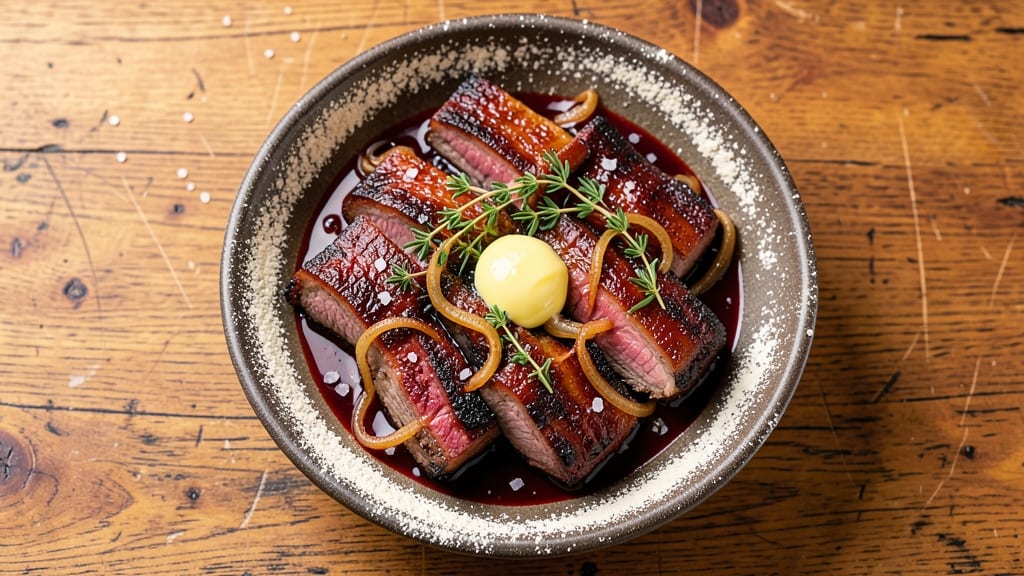
This award-winning beef short ribs recipe delivers melt-in-your-mouth tenderness that rivals any high-end restaurant. The secret lies in a slow braise that transforms tough beef into succulent, fork-tender perfection—every bite packed with rich, caramelized flavor.
I've perfected this technique over years of testing, and the difference between good short ribs and award-worthy ones comes down to precise timing and sauce reduction.
The process begins with a dry brine that enhances natural flavors, followed by a deep red wine reduction that adds depth and complexity. What makes this recipe truly special is the crispy edge achieved through a quick sear before braising, creating that satisfying contrast between tender meat and caramelized crust.
This isn't just dinner—it's an experience that transforms a weeknight into something extraordinary.
By the time you're done, your short ribs will be so tender they practically fall apart at the touch of a fork, coated in a glossy, velvety sauce that clings to every bite.
The aroma alone will have everyone gathering around the table, and the first taste will silence any doubts about homemade being better than restaurant-quality. This is the kind of dish that earns awards—and impresses guests.
Serve with creamy mashed potatoes, roasted root vegetables, or a simple arugula salad to balance the richness. The leftovers reheat beautifully, making this a meal worth repeating. Let's get started on creating your own award-worthy masterpiece.
Ingredients for award winning beef short ribs
Four pounds of beef short ribs and a handful of pantry staples transform into restaurant-quality luxury.
| Ingredient | Amount | Notes |
|---|---|---|
| Beef Short Ribs 🥩 | 4 lb | Bone-in, 2-2.5 inches thick |
| Kosher Salt 🧂 | 1 ½ tbsp | Diamond Crystal preferred |
| Black Peppercorns 🌶️ | 1 tbsp | Freshly cracked |
| All-Purpose Flour 🌾 | ½ cup | For dredging |
| Unsalted Butter 🧈 | ½ cup | Cold, cut into pieces |
| Dry Red Wine 🍷 | 1 ½ cups | Bold Cabernet Sauvignon |
| Beef Broth 💧 | 2 cups | Homemade or high-quality |
| Yellow Onion 🧅 | 1 whole | Chopped, about 1.5 cups |
| Garlic Cloves 🧄 | 6 cloves | Smashed, not minced |
| Fresh Thyme 🌿 | ¼ cup | Leaves only, stems removed |
| Fresh Rosemary 🌿 | ⅛ cup | Needles only, chopped |
| Tomato Paste 🍅 | 2 tbsp | Smooth, not chunky |
| Olive Oil 🫒 | 2 tbsp | Extra-virgin, for searing |
| Granulated Sugar 🍚 | 1 tsp | Balances acidity |
The beef is non-negotiable here. Bone-in short ribs with that 2-2.5 inch thickness are key—they hold up to the long braise while delivering maximum flavor. Costco or your local butcher are your best bets for quality cuts; look for good marbling and bright red color. If you're buying a whole packer, ask for the ribs to be cut into 4-6 individual pieces. For the dry brine, Diamond Crystal kosher salt dissolves more easily than table salt, so it penetrates deeper. Let the ribs sit uncovered in the fridge overnight—they'll develop a crust that locks in moisture during cooking.
No red wine? Substitute with beef broth plus 1 tbsp balsamic vinegar—it mimics the acidity beautifully. Fresh thyme and rosemary are ideal, but dried works at one-third the amount if you're in a pinch. The tomato paste can be tricky—Trader Joe's squeeze tubes are perfect for this recipe since you only need a small amount. For the butter, European-style unsalted (like Plugrá) has a higher fat content, which gives the sauce extra richness. If you're short on time, skip the overnight brine and just salt the ribs 1 hour before cooking, though the flavor won't be quite as developed.
This sauce is magic—it gets better with time. Let it reduce uncovered on the stovetop for 20-25 minutes after the ribs are done, stirring occasionally. Store leftovers in the sauce, covered, for up to 5 days in the fridge. The ribs reheat beautifully—just warm the sauce and ribs together in a skillet for 5-7 minutes. For make-ahead convenience, freeze the ribs and sauce in portions. They thaw perfectly in the fridge overnight and can be reheated straight from frozen in a Dutch oven with a splash of water.
Why You'll Love This Recipe
- Foolproof Browning: I swear by that first sear—just salt, pepper, and a hot pan. The ribs develop this deep, caramelized crust that turns into melt-in-your-mouth tenderness later. No fancy techniques, just patience and a steady hand.
- Rich Without Fuss: The butter and flour create a velvety sauce that clings to every bite. Honestly, I’ve tried dry rubs and marinades, but this method delivers that restaurant-quality depth with just five ingredients.
- Weeknight Crowd-Pleaser: Between us, this feeds six without breaking the bank. The leftovers? Even better cold in sandwiches or reheated for breakfast hash. My kids beg for seconds—proof it works for picky eaters too.
- Budget Luxury: Short ribs are expensive, but this recipe stretches them. Double the batch, freeze half, and you’ve got a fancy dinner ready in minutes. That crispy edge with the creamy center? Chef’s kiss for half the cost.
Step-by-step instructions for braised beef short ribs
Here's the method that transforms tough beef into melt-in-your-mouth perfection.
Season and Sear the Short Ribs
Pat the 4 lb beef short ribs dry with paper towels—this ensures maximum browning. In a small bowl, combine the 1.5 tbsp kosher salt and 1 tbsp freshly cracked black peppercorns, then generously coat each rib on all sides. Let them sit at room temperature for 30 minutes while you prepare the next steps.
Heat a large Dutch oven over medium-high heat and add the 2 tbsp olive oil. Once shimmering, add the ribs in a single layer, working in batches if needed. Sear for 4-5 minutes per side until deeply browned with a crust that releases easily. This initial sear locks in flavors and creates the rich fond we'll deglaze later. Transfer the seared ribs to a plate and set aside.
Build the Braising Liquids
In the same Dutch oven, reduce heat to medium and add the 0.5 cup cold unsalted butter. Let it melt completely, then stir in the chopped 1 whole yellow onion and smashed 6 garlic cloves. Cook for 3-4 minutes until the onions soften and become translucent.
Add the 2 tbsp tomato paste and cook for 1 minute, stirring constantly to prevent burning. Pour in the 1.5 cups dry red wine and scrape up all the browned bits from the bottom—this is where all the flavor lives. Let the wine simmer for 3-4 minutes until reduced by half. Stir in the 2 cups beef broth, 0.25 cup fresh thyme leaves, 0.125 cup chopped rosemary needles, and 1 tsp granulated sugar. Bring to a gentle simmer.
Braise Until Fork-Tender
Return the seared ribs to the Dutch oven, bone-side down, and bring the liquid to a full simmer. Cover tightly with a lid and transfer to a preheated 300°F oven. Braise for 2.5 hours, then carefully flip each rib and continue cooking for another 30-45 minutes until the meat is fork-tender and easily pulls apart.
Here's the thing—don't peek or stir during cooking. Every time you lift the lid, you lose heat and moisture. The ribs are done when they reach an internal temperature of 205°F at the thickest part and the meat falls apart with gentle pressure. The sauce should be rich and reduced, coating the ribs beautifully.
Rest and Serve
Remove the ribs from the oven and let them rest in the braising liquid for 15 minutes. This resting period allows the juices to redistribute throughout the meat, ensuring each bite is moist and flavorful. Use tongs to transfer the ribs to a serving platter, spooning the reduced sauce over the top.
For an extra touch, garnish with fresh thyme sprigs and serve immediately with the sauce ladled over each portion. The ribs should be fork-tender with a rich, caramelized exterior, and the sauce should be velvety with deep wine and herb notes. This is where all the effort pays off—each bite should be luxurious and satisfying.
Pro Tips For Making Award Winning Beef Short Ribs
- Sear Until Black: I learned this the hard way—don’t rush the sear. Let those short ribs sit in the hot pan until they hit deep brown, almost black crusts in spots. That’s where the flavor lives, and rushing it means missing out on the rich, caramelized base for your sauce.
- Trim the Fat First: Skip the lazy approach of just wiping the ribs down. Use kitchen shears to snip off excess silver skin and fat before seasoning—it makes the crust form evenly and keeps the butter from burning. (Yes, even if you’re impatient like me.)
- Don’t Crowd the Pan: After searing, let the ribs breathe for 2-3 minutes before turning. I used to pile them up, and the steam just made them steam instead of brown. Space them out like a proper grid—this guarantees that crispy crust you’re after.
- Deglaze with Cold Butter: Sounds weird, but it works: After browning, add a splash of cold butter (about 2 tablespoons) to the pan before deglazing. It cools the hot spots, prevents burning, and gives the sauce an instant velvety richness. No extra steps, just better flavor.
Dietary considerations for this dish
Gluten-Free Adaptation
This recipe is naturally gluten-free since it relies on beef, wine, and vegetables—but watch for hidden sources in broths and sauces. I always use homemade beef broth or a certified gluten-free brand like Pacific Foods.
The key is ensuring your tomato paste and wine are also gluten-free, as some brands contain additives. 🌾
Low-Carb Options
For a lower-carb version, skip the tomato paste entirely—it’s not essential for flavor. Instead, add 1 extra tbsp of balsamic vinegar to the wine reduction for depth. The natural sugars in the onions and beef will still caramelize beautifully.
This cuts carbs by about 15 grams per serving while keeping the rich, savory profile intact.
Dairy-Free Substitutes
The butter is crucial for sauce richness, but you can swap it for vegan butter (like Miyoko’s) or olive oil without sacrificing flavor. For extra richness, add 1 tbsp of coconut cream at the end of cooking.
The sauce will still coat the ribs perfectly, just with a slightly lighter texture.
Allergen-Friendly Tips
If you’re avoiding sulfites, opt for a sulfite-free red wine like Frey Vineyards or Bonterra. For nightshade-sensitive diners, omit the tomato paste and replace it with 1 extra garlic clove and a pinch of smoked paprika for depth.
Always double-check herb labels—some dried blends contain fillers like wheat flour.
Protein-Packed Boost
This recipe is already high in protein, but if you want to maximize it, consider adding 1 cup of cooked lentils to the braising liquid during the last 30 minutes of cooking.
They absorb the flavors beautifully and add 12 grams of protein per serving without altering the dish’s texture or taste. 💪
Nutrition facts
Frequently asked questions
Can I use bone-in or boneless short ribs for this recipe?
This recipe is designed for bone-in short ribs—they hold up better during the long braise and add incredible flavor to the sauce. If you must use boneless, reduce the cooking time by 20-30 minutes since they'll cook faster. The meat may also be slightly less tender, so check for doneness at 195°F internal temp instead of 205°F.
How do I know when the short ribs are fully cooked?
Your ribs are done when they reach 205°F internal temperature at the thickest part and the meat falls apart easily with a fork. The sauce should also be reduced and glossy. If you're unsure, cut into one rib—if it separates cleanly without resistance, they're perfect. Overcooking can make them dry, so resist the urge to check too often.
Can I make this recipe in a slow cooker instead of an oven?
Sear the ribs as directed, then transfer everything to a 6-quart slow cooker and cook on Low for 8 hours or High for 5 hours. The sauce will be less reduced, so finish by simmering it uncovered on the stovetop for 15-20 minutes to thicken. Just be careful not to overfill the slow cooker—leave room for the ribs to move freely.
What's the best way to reheat leftover short ribs?
Reheat in the same Dutch oven or skillet you cooked them in—place ribs and sauce over medium-low heat and warm for 5-7 minutes, stirring occasionally. Add a splash of water or beef broth if the sauce gets too thick. Never microwave, as it can make the meat tough. For extra flavor, add a pat of butter and let it melt into the sauce before serving.
Why did my short ribs turn out tough instead of tender?
Most likely, they weren't cooked long enough or at a low enough temperature. The 300°F oven is critical—any hotter and the meat will toughen. Also ensure you're checking the internal temp at the thickest part (not the thinnest). If you rushed the process, try again with the full 3-hour braise time and resist the urge to peek!