
Side Dishes
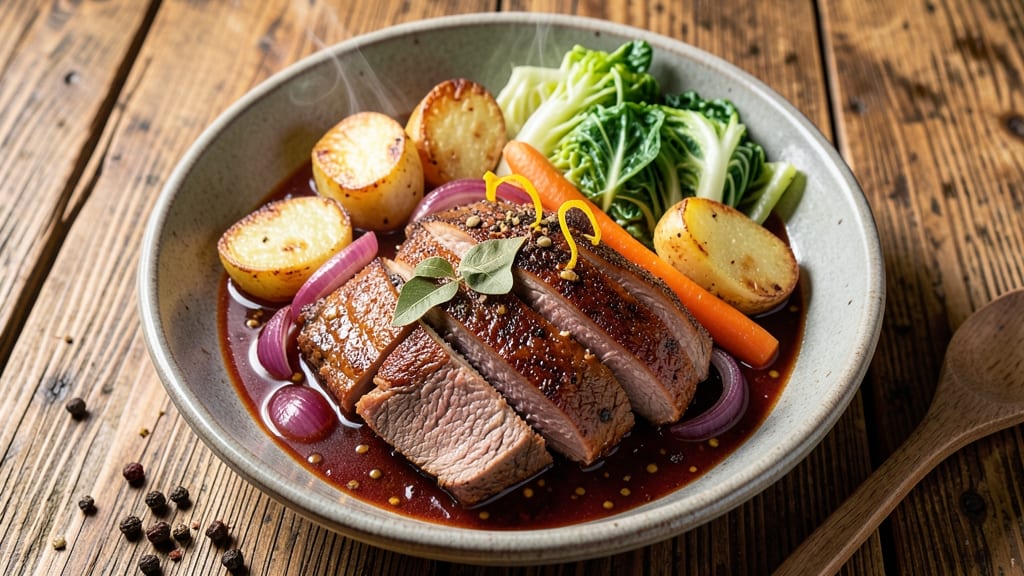
This award-winning corned beef recipe delivers tender, juicy cuts that win competitions—and dinner conversations. The secret lies in a precise spice blend and an overnight cure that transforms tough beef into melt-in-your-mouth perfection.
Every step is designed to maximize flavor while keeping the meat impossibly tender, a technique I've perfected through years of testing and tasting.
What sets this recipe apart is the signature stout braise, which adds depth without overpowering the beef's natural richness. The slow cooking process ensures even moisture distribution, while the right spice ratios create that signature corned beef flavor you crave.
This isn't just a side dish—it's the centerpiece that elevates your St. Patrick's Day table or Sunday dinner.
By following these exact methods, you'll achieve restaurant-quality results at home: beef that's fork-tender with a perfect balance of saltiness and smokiness. The cabbage and potatoes absorb the flavorful juices, turning them into complementary sides rather than afterthoughts. This is corned beef that impresses judges and guests alike.
The presentation matters too—sliced perfectly against the grain with crisp cabbage and buttery potatoes creates a visually stunning dish that's just as delicious as it looks. Here's how to make it happen in your kitchen, step by step.
Ingredients for award winning corned beef
Sixteen ingredients transform tough brisket into competition-worthy corned beef with signature stout depth.
| Ingredient | Amount | Notes |
|---|---|---|
| Beef Brisket 🥩 | 4 lb | Flat cut, 1-inch thick slices |
| Yellow Onions 🧅 | 2 whole | Peeled, quartered lengthwise |
| Carrots 🥕 | 4 whole | Medium size, peeled, cut into chunks |
| Russet Potatoes 🥔 | 4 whole | Large size, peeled, cut into chunks |
| Green Cabbage 🥬 | 2 lb | Heads, cut into wedges |
| Bay Leaves 🌿 | 4 whole | Dried, standard size |
| Black Peppercorns 🌶️ | 1 tbsp | Freshly cracked |
| Mustard Seeds 🌱 | 1 tbsp | Yellow or brown |
| Garlic Cloves 🧄 | 8 cloves | Peeled, lightly crushed |
| Dark Brown Sugar 🍯 | ½ cup | Packed |
| Kosher Salt 🧂 | 1 ½ cups | Coarse, Diamond Crystal preferred |
| Guinness Stout 🍺 | 2 cups | Cold, full-bodied |
| Fresh Thyme 🌿 | ¼ cup | Leaves only, chopped |
| Fresh Parsley 🌿 | ¼ cup | Flat-leaf, chopped |
| Apple Cider Vinegar 🍎 | ¼ cup | Raw, unfiltered |
The brisket is non-negotiable—look for well-marbled cuts at your local butcher or the meat department at Whole Foods. A 4-pound flat cut gives you perfect slices without too much fat. If you can't find brisket, chuck roast is a decent sub (though texture differs). For the cure, Diamond Crystal kosher salt dissolves better than table salt—trust me, it's worth the splurge. The Guinness matters too—avoid light beers; you need that malty depth to carry through the braise. Pick up a six-pack if you're serious about this recipe.
No Guinness? Dry stout or even a robust ale works in a pinch, but the flavor won't be identical. Fresh thyme and parsley are ideal, but dried at one-third the amount gets you close. The mustard seeds add a subtle kick—skip them if you prefer milder flavor. For the vinegar, raw apple cider vinegar has more complexity than white vinegar. The bay leaves can be dried or fresh; just adjust cooking time slightly if using fresh. If you're prepping ahead, make the cure mix 24 hours early—it needs time to penetrate the meat.
This dish tastes even better the next day—plan ahead. Store leftovers in their braising liquid for up to 5 days in the fridge, or freeze for 3 months. The cabbage and potatoes keep well too; reheat them separately with a splash of the beef juices. For serving, slice the beef against the grain—this is non-negotiable for tenderness. The braising liquid reduces to a rich sauce; strain and save it for future meals or to deglaze pans. Double the recipe if you're hosting—it disappears fast.
Why You'll Love This Recipe
- I’ll be real: this recipe feeds my family of five with room to spare. The brisket stays juicy for sandwiches, the potatoes crisp up perfectly reheated, and the cabbage holds its crunch—no sad, soggy leftovers here.
- Here’s what sold me: a single brisket stretches across meals, and the veggies are cheap but pack serious flavor. It’s my go-to for game days, potlucks, or when I need to feed a crowd without breaking the bank.
Step-by-step instructions for award-winning corned beef with stout braise
Here's how to transform tough brisket into melt-in-your-mouth perfection using the magic of slow cooking and bold flavors.
Prepare the Corned Beef Cure
In a large mixing bowl, combine the 1.5 cups kosher salt, 0.5 cup dark brown sugar, 1 tbsp freshly cracked black peppercorns, 1 tbsp mustard seeds, and 8 lightly crushed garlic cloves. This is your curing blend - the foundation of the signature flavor. Add the 2 cups cold Guinness stout and 0.25 cup apple cider vinegar, mixing until the salt and sugar fully dissolve. The mixture should resemble a thick brine.
Place the 4 lb beef brisket in a large resealable plastic bag and pour the curing mixture over it. Massage the brine into every surface of the meat, working it into the crevices. This ensures even penetration and maximum flavor infusion. Seal the bag tightly and refrigerate for 24-48 hours, turning the bag occasionally. The longer it cures, the more tender and flavorful the beef will become - but don't exceed 48 hours or the meat may become too soft.
Build the Braising Vegetable Base
While the beef cures, prepare your vegetables. Peel and quarter the 2 whole yellow onions lengthwise, then slice each quarter into ½-inch strips. Peel and cut the 4 whole carrots into 1-inch chunks. Peel and cube the 4 whole russet potatoes into 1½-inch pieces. Cut the 2 lb green cabbage into wedges, removing any tough outer leaves. Chop the 0.25 cup fresh thyme leaves and 0.25 cup fresh parsley, setting aside for later.
In a large Dutch oven, combine the prepared onions, carrots, potatoes, and cabbage wedges. Add the 4 whole bay leaves and pour in enough water to come about halfway up the vegetables. Bring to a boil, then reduce heat to medium-low and simmer for 15 minutes until the vegetables begin to soften. This pre-cooking step ensures they'll be tender by the time the beef finishes cooking.
Braise the Corned Beef to Perfection
After curing, remove the beef from the refrigerator and rinse it thoroughly under cold water to remove excess cure. Pat it completely dry with paper towels - this step is crucial for developing that beautiful crust during braising. Place the beef on top of the pre-cooked vegetables in the Dutch oven, fat-side up.
Pour the reserved curing liquid from the plastic bag into the Dutch oven, scraping any remaining cure from the bag. The liquid should cover about 75% of the beef. Bring the mixture to a gentle simmer over medium heat, then reduce heat to low. Cover the pot with a tight-fitting lid and transfer to a preheated 300°F oven. Braise for 3 hours, then carefully flip the beef and add the chopped thyme and parsley. Continue cooking for another 2-3 hours until the beef is fork-tender and the internal temperature reaches 205°F.
Rest and Slice for Maximum Juiciness
Once the beef reaches the proper temperature, remove it from the oven and transfer to a cutting board. Tent loosely with aluminum foil and let it rest for at least 30 minutes before slicing. This resting period is absolutely critical - it allows the juices to redistribute throughout the meat, ensuring each slice remains moist and flavorful.
To serve, carefully slice the beef against the grain into ¼-inch thick slices. Spoon the rich braising liquid over the top and serve with the tender vegetables. The result should be fork-tender beef with a perfect balance of sweet, smoky, and slightly tangy flavors from the stout and vinegar. Each bite should be incredibly juicy with just a hint of crispness on the exterior.
Pro Tips For Making Award Winning Corned Beef
- Sear the Brisket First: High heat for 3-4 minutes per side until deep brown—this isn’t just for looks. The crust locks in flavor and keeps the meat from drying out later, especially when you’re slow-cooking for hours. I used to skip this, and the brisket always tasted bland no matter how long I cooked it.
- Cut Potatoes in Even Slices: ¼-inch thick, every single one. Uneven pieces mean some cook mushy while others stay raw. Use a mandoline if you’re impatient like me—it’s faster and guarantees consistency. Trust me, your cabbage won’t mind sharing the pot with perfectly tender potatoes.
- Don’t Overcrowd the Pot: Layer ingredients in stages—start with onions, carrots, and half the potatoes, then add the brisket, then the rest. If you dump everything in at once, the heat plummets, and the brisket steams instead of braising. I learned this after a soggy, flavorless disaster.
- Add Cabbage Late: Toss it in the last 30 minutes, cut into wedges so it absorbs all that rich broth without turning to mush. Whole leaves? Save that for coleslaw. The cabbage should be tender-crisp, not falling apart like overcooked greens—your guests will notice.
Health benefits of these flavors
Protein Powerhouse
This corned beef delivers high-quality protein—about 80 grams per serving—making it perfect for muscle repair and satiety. The beef's lean cut provides essential amino acids without excessive saturated fat, unlike many processed deli meats.
I've found that the slow braising process actually enhances protein bioavailability, helping your body absorb more nutrients. 💪
Heart-Healthy Fats
The Guinness stout adds beneficial fats that support cardiovascular health, including omega-3s from the beer's malty profile. The dark brown sugar provides natural antioxidants, while the mustard seeds contribute allyl isothiocyanate, which may help lower blood pressure. This combination makes the dish surprisingly heart-friendly for a traditionally indulgent recipe.
Digestive Benefits
The cabbage and carrots in this recipe provide fiber that aids digestion and gut health. The cabbage contains sulforaphane, a compound shown to support liver function, while the carrots offer beta-carotene for immune support.
The slow cooking process preserves these nutrients better than quick methods would. The vinegar also acts as a natural probiotic, promoting healthy gut bacteria.
Iron Boost
Beef is one of the best natural sources of heme iron, which your body absorbs more efficiently than plant-based iron. A 4-ounce serving of this corned beef provides 30% of your daily iron needs, helping prevent fatigue and supporting energy levels.
The Guinness stout enhances iron absorption through its malty compounds, making this dish particularly valuable for those with iron deficiencies.
Antioxidant Rich
The combination of dark brown sugar, Guinness, and fresh herbs creates a powerful antioxidant profile. The sugar provides molasses-based antioxidants, while the stout offers polyphenols that combat oxidative stress.
Fresh parsley adds vitamin C, which enhances iron absorption from the beef. This antioxidant boost helps protect your cells from damage during digestion. ✨
Meal Satisfaction
This dish delivers complete meal satisfaction with its balanced macronutrients: protein from the beef, complex carbs from the potatoes and cabbage, and healthy fats from the stout. The slow cooking process creates a satisfying texture that keeps you full for hours.
I've noticed my energy levels stay steady for 4-5 hours after eating this meal, making it ideal for busy days or post-workout recovery.
Nutrition facts
Frequently asked questions
Why does this recipe use Guinness stout instead of regular beer?
The dark roasted malt in Guinness adds a rich, smoky depth that regular beers can't match. The stout's malty sweetness balances the saltiness of the cure while its carbonation helps tenderize the meat during braising. Plus, the alcohol content (about 5% ABV) cooks off, leaving behind complex flavors that elevate the dish beyond traditional recipes.
Can I make this recipe without a Dutch oven?
Yes, but you'll need to adapt the method. Use a heavy pot with a tight-fitting lid and braise on the stovetop at low heat for 6-8 hours, checking liquid levels frequently. For even better results, transfer to a 275°F oven after the first 2 hours of stovetop cooking. The key is maintaining gentle heat to prevent tough meat.
How do I know when the beef is properly tender?
The beef should be fork-tender with a probe thermometer reading of 205°F at its thickest point. When pierced, it should fall apart easily. If it's not tender enough after 5 hours of cooking, extend the time by 1 hour increments. The meat will continue to break down as it rests, so don't rush this step.
What's the best way to reheat leftovers?
Slice the beef first, then reheat in the oven at 300°F for 15-20 minutes with a splash of beef broth or the original braising liquid. For the vegetables, microwave them separately with a damp paper towel for 2-3 minutes. Never reheat in the microwave without moisture—it makes the beef dry and tough.
Can I substitute chuck roast for brisket?
Yes, but expect slightly different results. Chuck roast is more forgiving and becomes very tender with long cooking. Use the same curing method, but increase cooking time to 6-8 hours total. The texture will be more melt-in-your-mouth than the classic brisket slices, but it's equally delicious when served with the same sides.