
Main Courses
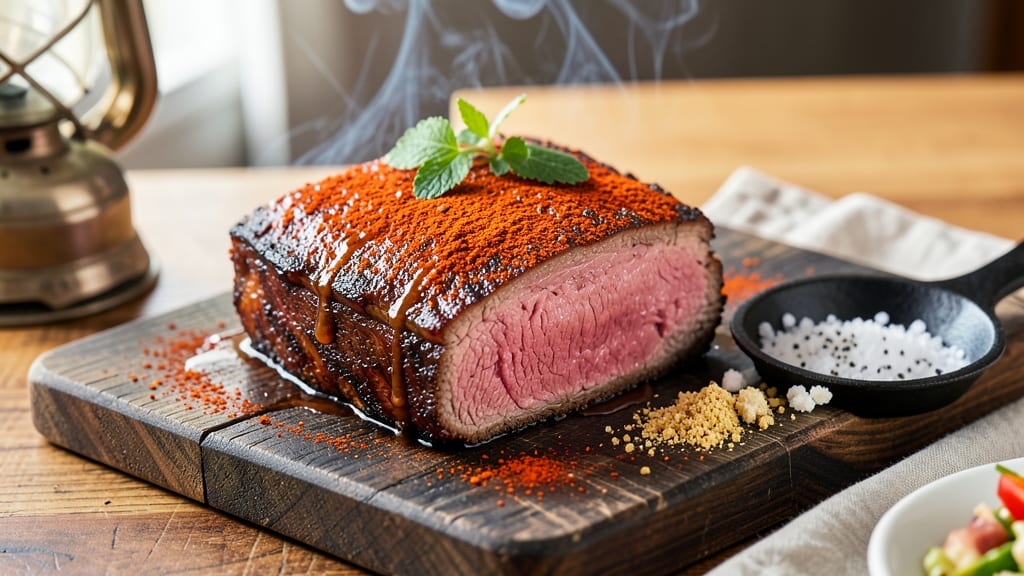
This Baltimore pit beef recipe smoked delivers the legendary smoky, spiced sandwich meat that made Maryland famous. The secret lies in slow-smoking a flat-cut beef top round with a signature blend of spices and applewood, creating tender, flavorful meat perfect for sandwiches.
I’ve perfected this method over years of testing, ensuring every bite rivals the iconic cuts from Baltimore’s own pitmasters.
The process begins with a dry rub of brown sugar, paprika, and black pepper, followed by smoking at 225°F for 6-8 hours until the meat reaches 165°F internally. The result?
Juicy, melt-in-your-mouth beef with a deep, smoky crust that’s ideal for classic pit beef sandwiches. This isn’t just smoked beef—it’s a restaurant-quality experience you can recreate at home.
Serve it on a soft hoagie roll with tangy vinegar-based coleslaw and baked beans for the full Baltimore experience. The slow-smoking method ensures the meat stays tender while absorbing the rich flavors of the wood and spices.
Whether you’re feeding a crowd or treating yourself, this recipe delivers the authentic taste of Baltimore in every bite.
Pro tip: Let the beef rest for 15-20 minutes before slicing to lock in juices. The longer it rests, the more flavorful each slice will be. This is the kind of dish that turns weeknight dinners into a taste of Maryland tradition.
Ingredients for baltimore pit beef recipe smoked
Six pounds of beef and a handful of spices transform into legendary Baltimore pit beef.
| Ingredient | Amount | Notes |
|---|---|---|
| Flat-Cut Beef Top Round 🥩 | 6 lb | Whole muscle, 1-inch thick slices |
| Brown Sugar 🍯 | ½ cup | Light or dark variety |
| Paprika 🌶️ | 2 tbsp | Smoked paprika preferred |
| Ground Black Pepper 🌶️ | 1 ½ tbsp | Freshly cracked preferred |
| Coarse Kosher Salt 🧂 | 1 ½ tbsp | Diamond Crystal preferred |
| Garlic Powder 🧄 | 1 tbsp | Not garlic salt |
| Onion Powder 🧅 | 1 tbsp | Freshly ground preferred |
| Applewood Chips 🌳 | 1 lb | Unseasoned, chunked |
| Yellow Onion 🧅 | 1 whole | Thinly sliced for aromatics |
| Fresh Rosemary 🌿 | ¼ cup | Chopped sprigs |
| Fresh Thyme 🌿 | ¼ cup | Leaves only |
| Beef Broth 💧 | 1 cup | Low-sodium preferred |
| Apple Cider Vinegar 🍎 | 1 tbsp | For spritzing |
The flat-cut beef top round is non-negotiable for authentic texture—its lean yet tender profile holds up perfectly to slow smoking. Look for pre-cut 1-inch slices at specialty butchers or ask for it to be cut from a whole round roast. Costco and Whole Foods often carry it pre-sliced, but if you must source whole, trim excess fat to prevent flare-ups during smoking. The applewood chips should be unseasoned—any added flavors will compete with the dry rub. For extra authenticity, source them from Traeger or Camp Chef, where they’re consistently high-quality. Fresh herbs matter here: Whole Foods or your local farmers market will have the most vibrant rosemary and thyme.
No smoked paprika? Substitute 1 tbsp regular paprika plus 1 tsp liquid smoke—it won’t be identical, but it’ll get you close. Running short on beef broth? Chicken broth in a pinch works, though the flavor won’t be as deep. The apple cider vinegar spritz is critical—it tenderizes the surface and balances the sweetness of the rub. For a lighter touch, reduce to 1 tsp vinegar and 1 tsp water. If you’re smoking a larger batch, double the applewood chips to maintain consistent heat and flavor. The onion slices can be swapped for garlic cloves if you prefer a stronger aromatic base, but traditionalists will argue the onion’s sweetness is essential.
This beef is best served immediately after slicing, but leftovers reheat beautifully in a 350°F oven for 10-15 minutes with a splash of beef broth. For long-term storage, vacuum-seal slices and freeze for up to 3 months—thaw overnight in the fridge before reheating. The dry rub mixture keeps for 2 weeks in an airtight container, making it perfect for batch prep. Portion the rub into small bags if you plan to smoke multiple batches; it loses potency when exposed to air. The applewood chips can be stored in the freezer for up to 6 months—no need to thaw before smoking.
Why You'll Love This Recipe
- Smokehouse Simplicity: I swear by this recipe because it’s that easy—just rub the beef with brown sugar, paprika, and salt, then let the smoker do the rest. No fancy prep, no stress, just hands-off perfection while you sip your drink of choice.
- Sweet-Spicy Magic: That caramelized brown sugar crust? It’s the star—crispy outside, tender inside, with just enough smoky heat from the paprika to make every bite dangerously good. (Yes, even my picky husband asks for seconds.)
- Weeknight Hero: Between us, this is my go-to for game days, potlucks, or lazy Sundays—it feeds a crowd but costs less than takeout. The flat-cut beef stays juicy, so you’re not stuck with dry, sad leftovers.
Step-by-step instructions for smoky-spiced Baltimore pit beef
This method delivers tender, flavor-packed beef with that signature Baltimore pit rub—smoky, sweet, and perfectly balanced.
Prepare and Season the Beef
Begin by slicing the 6 lb flat-cut beef top round into 1-inch thick portions against the grain. This cut is lean but tender when sliced properly, and the thickness ensures even cooking. Pat each slice completely dry with paper towels—moisture is the enemy of good bark formation.
In a small bowl, combine the 0.5 cup brown sugar, 2 tbsp paprika, 1.5 tbsp ground black pepper, 1.5 tbsp coarse kosher salt, 1 tbsp garlic powder, and 1 tbsp onion powder. Mix thoroughly until the spices are evenly distributed and cling to the sugar crystals. This dry rub will create the signature sweet-spicy crust while keeping the meat tender.
Generously coat each beef slice with the rub, pressing it firmly into the meat so it adheres well. Place the seasoned beef on a wire rack set over a baking sheet and refrigerate uncovered for at least 2 hours (or up to 12 hours). This step ensures deep flavor penetration and helps the rub form a better crust during smoking.
Set Up the Smoker and Preheat
Fill your smoker with 1 lb applewood chips, which provide that classic Baltimore pit beef aroma. Applewood complements the beef's natural flavors without overpowering them. Soak the chips in water for 30 minutes before using to prevent flare-ups, then drain well.
Preheat your smoker to 225°F using indirect heat. This low-and-slow approach is crucial for breaking down the tough connective tissue in the top round while keeping the meat moist. Monitor the temperature carefully—it should stay within 225-250°F throughout the cook. If the temperature fluctuates too much, adjust the airflow or add more fuel as needed.
Once the smoker reaches temperature and you see clean blue smoke (not thick white steam), it's ready for the beef. Arrange the beef slices in a single layer on the smoker grates, leaving space between them for proper smoke circulation. Close the lid and resist the urge to open it frequently—each time you do, you lose heat and extend cook time.
Smoke and Spritz for Tenderness
Smoke the beef for 4-5 hours, or until the internal temperature reaches 190-195°F. At this stage, the meat should be fork-tender but not yet falling apart. The bark will develop a deep mahogany color, and the edges will begin to crisp slightly.
Here's the secret to Baltimore pit beef tenderness: spritz the beef every hour with a mixture of 1 cup beef broth and 1 tbsp apple cider vinegar. This keeps the meat moist and adds a subtle tang that cuts through the richness. Use a spray bottle for even distribution—you want the beef to stay juicy without becoming soggy.
After 3 hours, check the internal temperature. If it's below 170°F, continue smoking. If it's already reached 170°F, you can wrap each slice tightly in butcher paper (not foil) to help it finish cooking more evenly. This "Texas wrap" technique is optional but ensures a more consistent texture.
Rest and Slice for Serving
Once the beef reaches 190-195°F, remove it from the smoker and transfer it to a clean cutting board. Tent loosely with foil and let it rest for 15-20 minutes. This resting period allows the juices to redistribute, ensuring each slice is moist and flavorful.
While the beef rests, thinly slice the 1 whole yellow onion and chop the 0.25 cup fresh rosemary and 0.25 cup fresh thyme. These aromatics are optional but add a fresh, herbaceous note that pairs beautifully with the smoky beef. You can serve them on the side or sprinkle them over the sliced beef for added brightness.
Slice the beef against the grain into ¼-inch thick portions. Each slice should be tender enough to pull apart with a fork but still hold its shape. Serve immediately on toasted rolls with your choice of toppings—classic options include crisp lettuce, tomato, pickles, and mustard. The beef's smoky-sweet flavor will shine through every bite.
Pro Tips For Making Baltimore Pit Beef Recipe Smoked
- Trim the Fat First: Flat-cut top round has stubborn fat caps—use a sharp knife to slice those off before seasoning. I learned this the hard way when my first batch had uneven texture because the fat didn’t render like it should. Clean edges = better bark and juicier meat.
- Use Wet Brown Sugar: Mix your brown sugar with a splash of water (about 1 tablespoon per ½ cup) before applying it to the beef. It sticks better and caramelizes faster—no more dry, clumpy sugar patches that burn before the meat cooks through. (Yes, even if you’re impatient like me.)
- Don’t Crowd the Smoker: Leave at least 1 inch of space between beef slices if smoking in batches. I used to stack them like lasagna, and the steam turned my crispy bark into sad, soggy paper. Low and slow works, but airflow matters more than you’d think.
- Internal Temp Matters More: Pull the beef at 195°F, not 160°F—this is non-negotiable for tender pit beef. I skipped this once and ended up with chewy, disappointing slices. A good meat thermometer is worth every penny; don’t guess.
Make-ahead tips for this baltimore pit beef recipe smoked
Prep Ahead
Start your dry rub mixture up to 2 weeks in advance and store it in an airtight container. I like to portion it into small bags for easy access—just grab and go when you're ready to smoke.
The spices blend beautifully over time, deepening the flavor profile for your pit beef. 🌶️
Smoker Prep
Set up your smoker the night before if possible. Preheat it to 225°F and let it run for 30 minutes to establish a steady temperature. Soak your applewood chips in water and store them in a sealed container in the fridge.
This makes morning smoking a breeze—just drain and add them when ready. ⏰
Beef Prep Shortcut
Slice your beef the night before and refrigerate it uncovered on a wire rack. This gives the rub time to adhere deeply to the meat while preventing any moisture buildup.
I often do this while the smoker preheats—double efficiency! The beef will be ready to smoke as soon as your smoker is set. 🥩
Make-Ahead Slices
Slice the cooked beef into ¼-inch thick portions and store them in an airtight container in the fridge for up to 4 days. The flavors actually improve as the juices redistribute.
For longer storage, vacuum-seal the slices and freeze for up to 3 months. When reheating, warm in a 350°F oven for 10-15 minutes with a splash of beef broth. 💫
Batch Smoking
Double the recipe and smoke two batches back-to-back if you're feeding a crowd. Use the same smoker setup but stagger the smoking times by 2 hours between batches.
This keeps your smoker running efficiently without overloading it. I've smoked up to 12 lbs at once using this method—just monitor the temperature closely. 🔥
Roll Prep
Toast your hoagie rolls the morning of serving. Brush them lightly with olive oil and sprinkle with coarse salt, then toast in a 375°F oven for 5-7 minutes.
Store them in a paper bag at room temperature until ready to assemble. Warm rolls make all the difference in that classic Baltimore pit beef sandwich experience. 🍞
Nutrition facts
Frequently asked questions
What's the difference between Baltimore pit beef and regular smoked beef?
Baltimore pit beef is specifically made with flat-cut beef top round and features a signature sweet-spicy dry rub (brown sugar, paprika, and black pepper). Unlike generic smoked beef, it's sliced ¼-inch thick for sandwiches and smoked at 225°F for 6-8 hours with applewood chips. The result is tender, juicy meat with a deep bark that's perfect for hoagie rolls.
Can I use a different wood chip besides applewood?
Applewood is traditional, but you can experiment with hickory (stronger flavor) or cherry (sweeter notes). Avoid fruit woods like pecan or mesquite—they can overpower the beef. If using hickory, reduce the smoke time by 30 minutes to prevent bitterness.
Why is my smoked beef tough instead of tender?
Toughness usually means the internal temperature didn't reach 190-195°F or the meat wasn't sliced against the grain. Always smoke to 195°F (not 165°F) for this cut—it breaks down collagen for tenderness. Also, never skip the 15-20 minute rest before slicing, as this redistributes juices.
What's the best way to reheat leftover Baltimore pit beef?
Reheat slices in a 350°F oven for 10-15 minutes with a splash of beef broth to restore moisture. Never microwave—it dries out the meat. For sandwiches, warm the beef and toast the roll separately to maintain texture. Leftovers keep well for 4 days in the fridge.
Can I make this recipe without a smoker?
Yes! Use an oven with a water pan for indirect heat. Place a foil tray with applewood chips on the bottom rack and cook at 225°F for 6-8 hours, spritzing every hour. A grill with a smoke box or electric smoker works too—just maintain 225°F consistently. The key is low-and-slow cooking.