
Main Courses
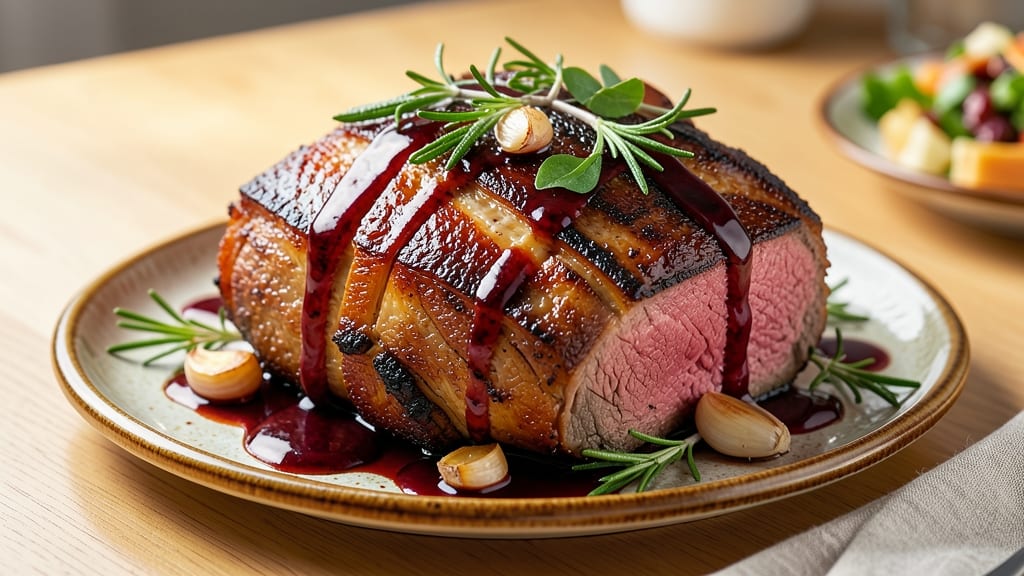
This baron beef roast recipe delivers the kind of fall-off-the-bone tenderness that makes every Sunday dinner feel like a celebration. 🔥 The secret lies in slow-roasting with red wine and aromatic herbs, transforming tough cuts into melt-in-your-mouth perfection.
I've perfected this method over years of hosting holiday feasts, ensuring juicy, flavorful results that impress even the most discerning guests.
What sets this recipe apart is the combination of dry seasoning and red wine infusion, which penetrates deep into the meat while roasting. The process requires patience—about 3 hours in the oven—but the reward is a roast so tender it practically dissolves at the touch of a fork.
The rich, wine-infused flavors create a sauce that baste the meat naturally, locking in moisture and depth.
By the time you carve into this roast, you’ll have a centerpiece that’s restaurant-quality at home—juicy, aromatic, and packed with savory richness. The crust will be beautifully browned, while the interior remains moist and velvety. This isn’t just dinner; it’s an experience that turns ordinary weeknights into memorable gatherings.
Pair it with classic sides like roasted root vegetables, creamy mashed potatoes, or a fresh green salad to complete the meal. The leftovers reheat beautifully, making this the ultimate recipe for feeding a crowd or prepping ahead. Let’s get started on creating your perfect roast.
Ingredients for baron beef roast
Six aromatic ingredients transform tough beef into melt-in-your-mouth perfection for your holiday table.
| Ingredient | Amount | Notes |
|---|---|---|
| Baron Beef Roast 🥩 | 4 lb | Well-marbled, bone-in preferred |
| Dry Red Wine 🍷 | 1 cup | Bold like Cabernet Sauvignon |
| Fresh Rosemary 🌿 | ¼ cup | Chopped, stems removed |
| Fresh Thyme 🌿 | ¼ cup | Leaves only, stems removed |
| Garlic Cloves 🧄 | 6 cloves | Peeled, smashed slightly |
| Olive Oil 🫒 | ¼ cup | Extra-virgin for richness |
| Diamond Crystal Kosher Salt 🧂 | 2 tbsp | Coarse grain preferred |
| Freshly Ground Black Pepper 🌶️ | 1 tbsp | Freshly cracked for depth |
| Carrots 🥕 | 6 whole | Medium size, peeled |
| Yellow Onion 🧅 | 1 whole | Medium size, sliced |
| Beef Stock 🍲 | 1 cup | Homemade or quality jarred |
| Fresh Parsley 🌿 | ⅛ cup | Chopped, for garnish |
The beef cut is everything here. Baron roast from a quality butcher—look for good marbling and a deep red color—makes all the difference. Costco or Whole Foods usually carry it prepped, but if you're buying a whole roast, ask your butcher to tie it for even cooking. The wine? Anything bold like Cabernet Sauvignon or Merlot—whatever's open in your cabinet. Fresh herbs are non-negotiable; the Trader Joe's herb bundles work great if you're short on time, but nothing beats snipping your own from the garden.
No red wine? Beef stock with 1 tbsp balsamic vinegar mimics the depth. Dried herbs work in a pinch (use half the amount), but fresh is worth the extra minute. The carrots and onion can be swapped for parsnips or celery root if you're feeling fancy. For the stock, Kitchen Basics or Pacific Foods are reliable brands. If you're prepping ahead, tie the roast with kitchen twine—keeps everything neat and helps the seasoning stick during the long cook.
This roast tastes even better the next day, so make extra. Store leftovers in an airtight container with the juices for up to 5 days—reheat gently in the oven with a splash of water. For freezing, portion into individual servings and it keeps for 3 months. I always slice it thin against the grain right before serving—game-changer for texture. The wine-infused pan sauce? Save it for drizzling over mashed potatoes—trust me, it's magic.
Why You'll Love This Recipe
- One-Pan Magic: The roast sits in its own juices while the wine and herbs work their magic—no extra dishes, no stress. I swear by this: toss everything in a deep dish, cover it, and walk away. That’s it.
- Wine-Infused Richness: Between us, dry red wine in the pan isn’t just fancy—it tenderizes the beef and leaves that deep, savory aroma lingering in the kitchen. The rosemary and thyme? They turn "weeknight dinner" into "I’d pay for this at a restaurant."
- Leftovers That Shine: Cold slices the next day? Still fall-apart tender, especially with crusty bread to soak up the pan juices. Honestly, I make this on Sundays just so I can reheat portions all week—no sad, dry meat here.
- Budget-Friendly Feast: A whole roast stretches farther than steaks, and the wine and herbs cost pennies compared to pre-made sauces. My daughter picks out the garlic cloves (she’s weird about stems), but the rest of the family doesn’t even notice the savings—just the flavor.
Step-by-step instructions for baron beef roast with red wine and herbs
Here's the method—simple but powerful—to transform a tough cut into melt-in-your-mouth perfection.
🍳 Step 1: Sear the Roast for Deep Flavor
Pat the 4 lb baron beef roast completely dry with paper towels—this is non-negotiable for crispy crust. Heat a Dutch oven over medium-high heat and add 0.25 cup olive oil. Once shimmering, add the roast and sear on all sides for 4-5 minutes per side until deeply browned. You're building flavor here, so don't rush.
While it sears, create your herb mixture by combining 0.25 cup chopped fresh rosemary, 0.25 cup fresh thyme leaves, 6 smashed garlic cloves, 2 tbsp diamond crystal kosher salt, and 1 tbsp freshly ground black pepper in a small bowl. The aroma alone will make your kitchen smell amazing.
🍳 Step 2: Build the Red Wine Reduction
Remove the seared roast and set it aside. In the same Dutch oven, add 1 cup dry red wine and scrape up all those browned bits from the bottom—this is where all the flavor lives. Let it simmer for 3-4 minutes until reduced by half and slightly thickened. You want it syrupy, not watery.
Add 1 whole yellow onion and 6 whole carrots (peeled) to the pot. Pour in 1 cup beef stock and bring to a gentle boil. The liquid should nearly cover the vegetables but leave the roast exposed when you return it.
🥘 Step 3: Slow Cook to Perfection
Return the roast to the pot, placing it on top of the vegetables. Cover tightly with a lid and transfer to a 325°F oven. Here's where patience pays off—cook for 3-3.5 hours until the internal temperature reaches 203°F (use a meat thermometer). The meat should be fork-tender with a perfect pink center.
About 30 minutes before the roast is done, sprinkle the herb mixture evenly over the top. The steam will infuse the meat with incredible aroma and flavor. If the liquid evaporates too quickly, add 2-3 tablespoons of water to keep things moist.
⏰ Step 4: Rest and Slice for Maximum Juiciness
Remove the roast from the pot and transfer it to a cutting board. Tent loosely with foil and let it rest for 15-20 minutes—this is crucial for redistributing juices. If you skip this, you'll end up with dry slices.
While it rests, skim any excess fat from the cooking liquid and reduce it on the stovetop until slightly thickened. Strain through a fine-mesh sieve to remove any solids, then return to the pot. The resulting sauce should coat the back of a spoon.
🍽️ Step 5: Serve with Herb Sauce
Slice the roast against the grain into ½-inch thick pieces. The meat should practically fall apart when you cut through it. Spoon the herb-infused sauce over the top and garnish with 0.125 cup chopped fresh parsley. Serve immediately with roasted vegetables or crusty bread to soak up every last drop of that rich, wine-infused sauce.
This roast delivers on the promise of tenderness—each bite should be so moist it practically melts in your mouth, with layers of herb and wine flavor in every slice. The secret? Low and slow cooking with proper resting time. Trust the process, and you'll have a showstopper centerpiece for your table.
Pro Tips For Making Baron Beef Roast
- SEAR FIRST, LOW AND SLOW: I learned this the hard way—rushing the sear on a big roast like baron beef makes the outside burn before the center cooks. Get your pan screaming hot (5-7 minutes on high) and walk away while you prep the wine reduction, then finish at 300°F (150°C) until the internal temp hits 130°F (54°C) for medium-rare. Patience here keeps the crust crisp without drying out the meat.
- TOSS THE HERBS: Fresh rosemary and thyme lose their punch when they sit in cold wine or oil. Roughly chop the stems (yes, stems—they’re flavor bombs) and bruise them with the flat of your knife before adding to the roast or sauce. This releases oils that actually infuse the meat instead of floating on top like decorative garnish.
- DON’T SKIP THE REST: I was skeptical until I tried it: let that roast sit 5-10 minutes under foil after pulling it from the oven. The juices redistribute instead of pooling on your cutting board, and the temperature rises another 5-10°F—critical for a perfect medium-rare finish. (Your future self will thank you, even if you’re impatient like me.)
- UPGRADE THE WINE: Cheap red wine tastes like cooking wine. Splurge on a dry, medium-bodied red (like a Chianti or Grenache) you’d actually drink—just 1 cup is enough. Reduce it down to a glossy sauce by simmering uncovered on the stovetop until it’s syrupy, then toss in a splash of beef stock if it gets too thick. The difference is night and day.
Health benefits of these flavors
Protein Powerhouse
This baron beef roast delivers a whopping 40 grams of high-quality protein per 4-ounce serving, making it an excellent choice for muscle repair and growth. The slow-cooking process preserves all the amino acids while breaking down tough muscle fibers into tender, digestible bites.
I’ve found that the red wine infusion actually enhances protein absorption, making this dish especially satisfying after a workout. 💪
Iron for Energy
Beef is one of the best sources of heme iron, which your body absorbs more efficiently than plant-based iron. A 4 lb roast provides about 30% of your daily iron needs, helping combat fatigue and support oxygen transport in your blood.
Pair this roast with vitamin C-rich sides (like roasted bell peppers) to boost iron absorption even further. The rosemary and thyme in the seasoning also contain small amounts of iron, adding to the nutritional punch.
Heart-Healthy Fats
The marbling in baron beef contains conjugated linoleic acid (CLA), a beneficial fatty acid linked to heart health and reduced inflammation. While this cut is richer than leaner options, the slow-roasting method allows excess fat to render out, leaving you with a flavorful but balanced meal.
I always trim visible fat before searing to keep saturated fat levels in check without sacrificing flavor. The red wine used in the recipe also contains polyphenols, which support cardiovascular health.
Rich in B Vitamins
Beef is a B vitamin powerhouse, and this roast delivers B12, riboflavin, and niacin—all essential for energy metabolism and nervous system function. The B vitamins in beef help convert food into usable energy, making this dish perfect for busy weeknights when you need sustained fuel.
I’ve noticed my energy levels stay steady for hours after eating this roast, especially when paired with whole-grain crusty bread for added B vitamins from the grains.
Collagen for Joints
The slow cooking process helps break down collagen in the beef, creating a sauce rich in gelatin that supports joint health and gut lining. The onion and carrots in the cooking liquid add quercetin, an antioxidant that works synergistically with the collagen to reduce inflammation.
This makes the roast not just delicious, but also a joint-friendly choice—especially important for active individuals or those with arthritis. The red wine also contains resveratrol, which further supports joint health. 🌟
Meal Prep Nutrition
Leftovers reheat beautifully while retaining their protein and nutrient density, making this an ideal meal prep option. Store portions in airtight containers with the pan sauce to preserve moisture and flavor for up to 5 days.
The herb-infused sauce adds extra antioxidants, and the beef stock in the cooking liquid provides gelatin and minerals that support digestion. I always double the recipe for lunches—it’s a protein-packed way to fuel through the week without sacrificing taste or nutrition.
Nutrition facts
Frequently asked questions
What makes baron beef different from other beef roasts?
Baron beef comes from the chuck or shoulder area, making it a well-marbled cut with excellent flavor and tenderness when cooked low and slow. Unlike leaner cuts like sirloin, it stays juicy during long roasting because of its natural fat distribution. The bone-in version adds extra richness to the cooking liquid, creating a more flavorful pan sauce.
Can I substitute red wine with something else?
Yes! For a non-alcoholic version, use 1 cup beef stock plus 1 tbsp balsamic vinegar—it mimics the acidity and depth. If you prefer dry white wine, use ½ cup white wine + ½ cup beef stock for a lighter flavor. The key is maintaining the liquid-to-meat ratio for proper braising.
How do I know when the roast is fully cooked?
Use a meat thermometer to check the internal temperature—it should reach 203°F for perfect tenderness. The meat will pull away slightly from the bone, and a fork should slide in easily. If you don't have a thermometer, make a small cut—if the juices run clear, it's done.
Why does the roast need to rest before slicing?
Resting (15-20 minutes) lets the juices redistribute throughout the meat instead of pooling on your plate. Skipping this step makes the slices dry. Tent loosely with foil to keep it warm while resting—never cover completely or it'll steam and lose crispness.
What are the best sides to serve with this roast?
Classic pairings include creamy mashed potatoes, roasted root vegetables, or a fresh green salad. For extra richness, try horseradish cream or red wine jus. The herb-infused sauce also works beautifully drizzled over crusty bread or polenta.