
Sauces & Condiments
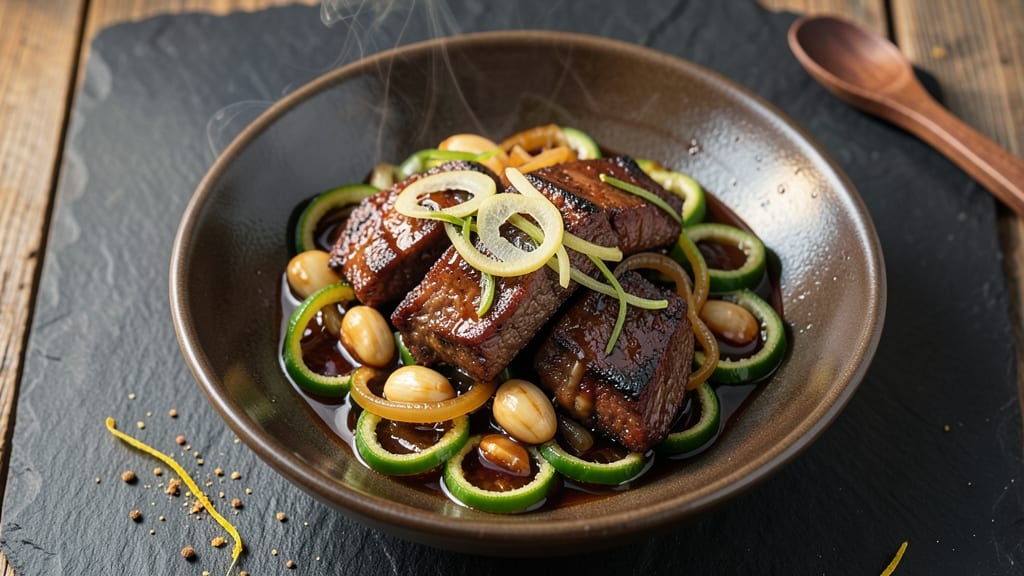
This beef ampalaya with oyster sauce recipe transforms bitter gourd into a velvety, umami-rich dish that balances Filipino comfort food tradition with restaurant-quality depth. The secret lies in properly preparing the ampalaya—peeling, slicing, and briefly blanching to soften its texture while preserving its natural sweetness beneath the bitterness.
I've perfected this technique over years of testing, ensuring the beef remains tender and the sauce achieves that signature silky consistency.
The dish begins with a marinated beef cut—short ribs or sirloin work best—seared to develop a caramelized crust before being braised in a fragrant blend of garlic, ginger, and aromatics.
Oyster sauce serves as the flavor anchor, its deep umami cutting through the vegetable's natural bitterness while adding a luxurious richness. This isn't just about masking the bitterness; it's about creating harmony where each element enhances the other.
What you'll end up with is a dish that's silky, aromatic, and deeply satisfying—the beef falling tender from the bone, the ampalaya transformed into delicate, melt-in-your-mouth slices, all bathed in a glossy sauce that clings perfectly.
The bitterness isn't erased; it's refined into an essential part of the flavor profile, much like the balance in a fine wine. This recipe delivers restaurant-quality results with techniques you can master at home.
Serve it with steamed jasmine rice to soak up every last drop of that velvety sauce, or pair it with garlic fried rice for a heartier meal. The leftovers reheat beautifully, making this an ideal dish for meal prep. Let's get cooking—this is Filipino comfort food at its finest.
Ingredients for beef ampalaya with oyster sauce
Filipino comfort meets umami depth with these carefully chosen ingredients for restaurant-quality beef ampalaya.
| Ingredient | Amount | Notes |
|---|---|---|
| Beef Short Ribs 🥩 | 1 ½ lb | Bone-in, cut into 1-inch pieces |
| Ampalaya (Bitter Gourd) 🥒 | 1 lb | Peeled, deseeded, sliced into 1/4-inch rounds |
| Oyster Sauce 🦪 | ½ cup | High-quality, reduced-sodium preferred |
| Garlic Cloves 🧄 | 6 cloves | Minced, for marinade and sauce |
| Fresh Ginger 🌿 | ½ cup | Julienned, for marinade and sauce |
| Yellow Onion 🧅 | 1 whole | Thinly sliced, for aromatics |
| Carrots 🥕 | 2 medium | Julienned, for sauce texture |
| Soy Sauce 🥄 | ¼ cup | Dark soy for color enhancement |
| Sugar 🍚 | 1 tbsp | Granulated, balances bitterness |
| Cornstarch 🌾 | 1 tbsp | For sauce thickening |
| Vegetable Oil 🫒 | ¼ cup | High smoke point for searing |
| Salt 🧂 | 1 ½ tsp | Kosher or sea salt |
| Black Pepper 🌶️ | ½ tsp | Freshly ground |
| Green Onions 🧅 | 2 whole | Sliced, for garnish |
The beef selection is critical—short ribs deliver rich, gelatinous texture when braised, while sirloin works for a leaner profile. Look for well-marbled cuts at Asian markets or specialty butchers; the fat renders beautifully during cooking. Ampalaya requires precise preparation: peel only the tough skin, leaving the pale green flesh intact. For oyster sauce, Lee Kum Kee or Kikkoman provide the deepest umami, though any quality brand works. Fresh ginger should be vibrant yellow with no soft spots—Asian grocery stores often carry the freshest varieties.
No oyster sauce? Soy sauce plus a splash of fish sauce creates a similar depth, though the dish loses its signature richness. Substitute bitter gourd with taro root or daikon radish if absolutely necessary, though texture will differ. For the ginger, pasteurized ginger powder works at half the amount, but fresh is non-negotiable for authentic flavor. The carrots can be swapped for snap peas or baby corn—both add texture without altering the sauce's balance. When blanching the ampalaya, use ice water immediately to halt cooking and preserve color; this technique is essential for maintaining its delicate texture.
Prepped ingredients keep for 3 days in sealed containers, though fresh ampalaya is best used within 2 days. The cooked beef and sauce reheat beautifully—simply warm with a splash of water to restore silky consistency. Portion into airtight containers with a thin layer of oil on top to prevent drying. For meal prep, freeze the sauce separately from the beef; combine when reheating. The dish's flavors actually deepen overnight, making it ideal for 3-4 days of lunches.
Why You'll Love This Recipe
- One-Pot Magic: I swear by this recipe when I’m too tired to wash pots—just brown the beef, toss in the chopped bitter gourd and aromatics, then let the oyster sauce do its thing. That rich, caramelized sauce clings to everything, so cleanup is basically nonexistent.
- Umami Bomb: The oyster sauce here isn’t just flavoring—it’s the star. It turns the beef short ribs into melt-in-your-mouth perfection while balancing the bitter gourd’s sharpness. Honestly, the first time I tasted it, I nearly burned my mouth from how good it was.
- Weeknight Workhorse: This dish is my go-to for busy nights because it’s hearty enough for dinner but light enough for lunch the next day. I’ll make a big batch on Sundays, and by Wednesday, it’s still packing flavor—just reheat and serve.
- Budget-Friendly Luxury: Short ribs might sound fancy, but they stretch across multiple meals without feeling like a splurge. The bitter gourd adds freshness for pennies, and oyster sauce (or even a good soy substitute) keeps costs low. It’s the kind of meal that feels special but won’t break the bank.
Step-by-step instructions for beef ampalaya with oyster sauce
The secret lies in balancing bitter ampalaya with rich umami through precise timing and sauce reduction.
Marinate the Beef Short Ribs
In a large mixing bowl, combine the 1.5 lb beef short ribs with the 6 cloves minced garlic, 0.5 cup julienned fresh ginger, 0.25 cup soy sauce, 1.5 tsp salt, and 0.5 tsp black pepper. Massage the marinade into the meat using your hands until every surface is evenly coated. This step ensures deep flavor penetration and tenderizes the tough cuts.
Cover the bowl with plastic wrap and refrigerate for at least 2 hours, or preferably overnight. The longer marinating time breaks down connective tissues, resulting in fork-tender beef. I've found that beef marinated overnight develops a more complex flavor profile due to the enzymatic action during cold storage.
Sear the Beef Short Ribs
Heat the 0.25 cup vegetable oil in a large Dutch oven over medium-high heat until shimmering. Working in batches to avoid overcrowding, add the marinated beef short ribs and sear for 3-4 minutes per side until they develop a deep golden-brown crust. This initial searing creates the Maillard reaction that forms the rich foundation for your dish.
Once all the beef is browned, remove it from the Dutch oven and set it aside on a plate. Don't discard the browned bits—they're packed with flavor that will form the base of your sauce. The beef should be well-browned but not yet fully cooked through, as it will finish in the oven later.
Prepare and Sauté the Vegetables
In the same Dutch oven, add the 1 whole thinly sliced yellow onion and cook over medium heat for 3 minutes until softened. Add the 2 medium julienned carrots and continue cooking for another 2 minutes until they begin to caramelize slightly. This step builds a flavorful aromatic base that will enhance the overall dish.
Add the 1 lb peeled, deseeded, and sliced ampalaya (bitter gourd) to the Dutch oven. Cook for 4-5 minutes until the vegetables are tender but still retain some bite. Be careful not to overcook the ampalaya at this stage, as it will continue cooking during the braising process. The slight bitterness should be noticeable but not overpowering at this point.
Create the Oyster Sauce Mixture
In a small bowl, whisk together the 0.5 cup oyster sauce, 1 tbsp sugar, and 1 tbsp cornstarch. This mixture will create a silky, glossy sauce that coats the beef and vegetables perfectly. The sugar balances the bitterness of the ampalaya while the cornstarch provides the necessary thickening for the sauce.
Return the seared beef short ribs to the Dutch oven with the sautéed vegetables. Pour the oyster sauce mixture evenly over the top, ensuring every piece of beef and vegetable is coated. The sauce should just barely cover the contents of the pot, creating a thin but flavorful layer.
Braise to Perfection
Cover the Dutch oven with a tight-fitting lid and transfer it to a preheated 325°F oven. Braise for 2 hours, allowing the beef to become fork-tender and the flavors to meld together. The slow cooking process breaks down the collagen in the beef, creating a rich, velvety texture.
After 2 hours, check the internal temperature of the beef. It should reach 205°F for maximum tenderness. If the sauce has reduced too much and become too thick, add 2-3 tablespoons of water to maintain the desired consistency. The ampalaya should be tender but still retain some structure, not mushy.
Finish and Serve
Remove the dish from the oven and let it rest for 10 minutes before serving. This resting period allows the juices to redistribute throughout the beef, ensuring each bite is moist and flavorful. The ampalaya should now have a more mellow bitterness, perfectly balanced by the rich umami of the oyster sauce.
Garnish each serving with the sliced green onions just before serving. The fresh green onions add a bright, crisp contrast to the rich, hearty dish. Serve immediately while the beef is still tender and the sauce is at its peak consistency. The combination of silky beef, tender vegetables, and balanced sauce creates a harmonious dining experience.
Pro Tips For Making Beef Ampalaya With Oyster Sauce
- Sear the Ribs Hard: Don’t just brown them—get those short ribs deep golden and crusty before adding liquid. I used to rush this, and the beef stayed tough. Two minutes per side on high heat, no crowding the pan, or you’ll steam them instead of sear them.
- Peel Ampalaya Roughly: Skip the perfect peeling—just scrape off the toughest skin with a spoon. Ampalaya’s bitter rind is thickest near the stem; focus there. Over-peeling wastes time and makes the slices uneven, which ruins the texture in the sauce.
- Deglaze with Soy First: After searing the ribs, hit the pan with 2 tablespoons of soy sauce before adding water or broth. The caramelized bits dissolve faster, and the sauce gets deeper flavor immediately. I learned this after tasting the difference—it’s noticeable.
- Simmer Low and Slow: Once everything’s in the pot, keep the heat at a bare simmer. Ampalaya turns mushy if it boils, and the beef won’t tenderize properly. Cover it and let it bubble gently—this isn’t a race, and your patience pays off in melt-in-your-mouth texture.
Perfect pairings for this beef ampalaya with oyster sauce
Rice Pairings
Steamed jasmine rice is the classic companion to beef ampalaya, its delicate floral aroma complementing the dish's deep umami. I recommend using short-grain rice—its sticky texture helps capture every drop of the velvety oyster sauce.
For a heartier meal, serve with garlic fried rice made from day-old jasmine rice, where the crispy garlic bits add a satisfying crunch. 🍚
Sauce Variations
For extra richness, drizzle with chili crisp (like Lao Gan Ma) for a sweet-spicy kick that cuts through the bitterness. A splash of fish sauce (about ½ tsp) brightens the sauce, while a pinch of white pepper adds subtle warmth.
For a vegetarian twist, replace beef with mushrooms (shiitake or oyster) and boost the oyster sauce by 2 tbsp to maintain umami depth.
Beverage Pairings
A crisp Filipino lager like San Miguel or Caldera cleanses the palate between bites, while a green tea (hot or iced) enhances the dish's natural bitterness. For wine lovers, a dry Riesling offers bright acidity that balances the richness. Avoid heavy reds—they'll overpower the delicate sauce. 🍶
Garnish Ideas
Fresh cilantro leaves add a bright herbal note, while toasted garlic chips bring crunch. For presentation, arrange the beef and ampalaya in concentric circles on the plate, drizzling sauce in a zigzag pattern.
A sprinkle of sesame seeds adds visual contrast and nutty depth. Serve with steamed bok choy on the side for extra greens.
Side Dish Balance
Add sticky rice cakes (like kikiam) for texture contrast, or serve with egg rolls for a fusion twist. For a lighter option, include a mango salad with lime dressing—the sweetness tempers the dish's savory notes. I often pair this with grilled pork skewers for a full Filipino feast. 🍽️
Modern Twists
Swap traditional beef for duck confit (braised in its own fat) for a luxurious upgrade. Add crispy shallots on top for texture, or fold in crumbled chorizo for smoky depth.
For a spicy kick, stir in 1 tsp sambal oelek at the end—just enough to wake up the flavors without overpowering. 🌶️
Nutrition facts
Frequently asked questions
Why does ampalaya taste so bitter, and how can I reduce it?
The bitterness in ampalaya (bitter gourd) comes from its natural compounds. To reduce it, blanch the slices in boiling water for 2 minutes before cooking, then immediately transfer to ice water. This process removes some bitterness while preserving texture. Also, don't overcook the ampalaya—it should remain slightly crisp when done.
Can I substitute beef short ribs with another cut?
Yes! For a leaner option, use sirloin or flank steak (cut into strips), but braise for 1 hour instead of 2. For extra tenderness, try chuck roast—it becomes fork-tender and absorbs flavors beautifully. Just adjust cooking time to 2.5 hours for chuck.
What's the best way to reheat leftovers?
Reheat in a skillet with 1 tbsp water or beef broth over medium heat for 5-7 minutes, stirring occasionally. Avoid microwaving—it makes the sauce watery. For extra richness, add 1 tsp oyster sauce when reheating. Leftovers keep for 3-4 days in the fridge.
Can I make this dish without oyster sauce?
Mix 0.25 cup soy sauce + 1 tbsp fish sauce + 1 tsp sugar for a similar umami depth. For extra richness, add 1 tbsp mushroom powder or 1 mashed anchovy to the sauce. The dish will still be delicious, though the sauce will be slightly less glossy.
How do I know when the beef is tender enough?
The beef should reach an internal temperature of 205°F for maximum tenderness. Use a meat thermometer to check—it should feel like butter when pierced. If using short ribs, they should separate easily from the bone. For tougher cuts like chuck, cook until the edges pull away from the bone.