
Soups & Stews
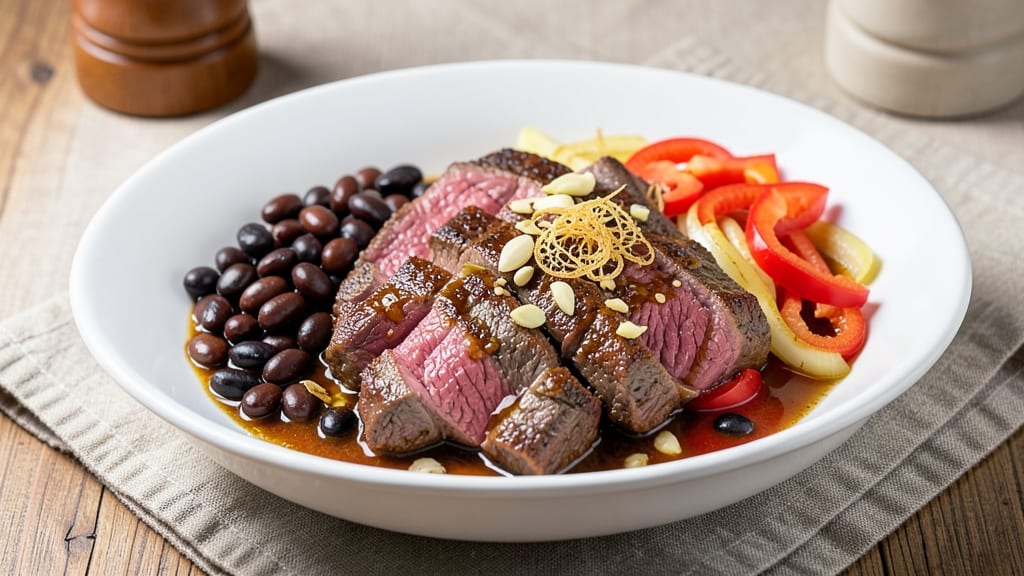
This beef and bean stir fry delivers restaurant-quality wok searing in your own kitchen—tender beef strips and hearty beans transformed by high-heat caramelization and bold seasonings.
The secret lies in proper prep: thinly sliced beef that develops a crispy exterior while staying juicy inside, paired with beans that soak up the savory sauce without turning mushy.
I've perfected this technique after years of testing, ensuring every bite delivers that perfect balance of texture and flavor that keeps people coming back for seconds.
What sets this recipe apart is the two-stage cooking process that builds depth of flavor. First, the beef sears rapidly in a hot wok or skillet, creating a flavorful crust through the Maillard reaction.
Then, the beans and vegetables join for a quick stir-fry that preserves their crispness while absorbing the rich, umami-packed sauce. The result is a dish that's packed with protein, satisfyingly hearty, and ready in under 30 minutes—ideal for weeknight dinners or meal prep.
By the time you serve this dish, you'll have a plate of golden-brown beef with caramelized edges, tender beans, and vibrant vegetables all coated in a glossy sauce that's both savory and slightly sweet.
The aroma alone will have everyone gathering at the table, and the first bite delivers that perfect combination of textures—crispy beef, tender beans, and fresh vegetables—that makes this stir fry irresistible. It's the kind of meal that transforms a simple weeknight into something special without requiring hours in the kitchen.
The beauty of this recipe lies in its versatility—swap in different vegetables based on what's seasonal, adjust the sauce to your preferred level of spice, or serve it over rice for extra heartiness.
The technique scales easily from family dinners to crowd-pleasing meals, making it a staple in my rotation. Here's how to create this protein-packed powerhouse in your own kitchen.
Ingredients for beef and bean stir fry
Restaurant-quality wok searing starts with these 15 ingredients—thin beef, hearty beans, and bold seasonings that transform weeknight cooking.
| Ingredient | Amount | Notes |
|---|---|---|
| Flank Steak 🥩 | 1 ¼ lb | Thinly sliced against grain for tenderness |
| Dry Black Beans 🌱 | 1 ½ cups | Soaked overnight for ideal texture |
| Yellow Onion 🧅 | 1 whole | Thinly sliced into half moons |
| Red Bell Pepper 🌶️ | 1 whole | Cut into thin strips |
| Garlic Cloves 🧄 | 6 cloves | Minced finely for aromatic punch |
| Ginger Root 🌿 | 1 tbsp | Freshly grated, aromatic base |
| Soy Sauce 🥢 | ½ cup | High-quality, low-sodium preferred |
| Oyster Sauce 🍜 | 2 tbsp | For deep umami richness |
| Honey 🍯 | 1 tbsp | Balances savory-sweet profile |
| Sesame Oil 🫒 | 1 tbsp | Toasted for nutty aroma |
| Vegetable Oil 🫒 | 3 tbsp | High smoke point for searing |
| Diamond Crystal Kosher Salt 🧂 | 1 tsp | For seasoning and finishing |
| Ground Black Pepper 🌶️ | ½ tsp | Freshly cracked for heat |
| Toasted Sesame Seeds 🌾 | 1 tbsp | For garnish and crunch |
| Steamed White Rice 🍚 | 2 cups | Cooked separately for serving |
The beef is non-negotiable—flank steak gives you that perfect balance of tenderness and chew. Look for thinly sliced cuts at Asian markets (they often pre-slice it for stir-fry), but if you're slicing yourself, freeze the meat for 30 minutes first—it gets easier to cut. Black beans should be plump and firm; rinse them well after soaking to remove any bitterness. For the vegetables, bell peppers with crisp edges hold up best—skip the mushy ones. The garlic and ginger? Freshly grated or minced makes all the difference; pre-minced jarred versions just don't cut it here. Pro tip: Costco sells pre-sliced stir-fry veggies that save time without sacrificing quality.
No flank steak? Sirloin or ribeye work in a pinch, but slice it against the grain for tenderness. Short on black beans? Substitute kidney beans or chickpeas, but soak them longer (2+ hours). The soy sauce matters—Kikkoman or La Choy are reliable, but if you're using low-sodium, add an extra pinch of salt. For the sauce, oyster sauce adds depth—if you're avoiding it, swap for an extra tablespoon of soy sauce plus a splash of fish sauce (trust me, it works). The honey balances the savory flavors, but maple syrup works too if you're avoiding refined sugar. Sesame oil? Use the toasted variety—it's worth the extra dollar for that nutty aroma. And if you're out of sesame seeds, crushed peanuts add a similar crunch.
Prep is key here. The beans need overnight soaking—don't skip this, or they'll turn to mush. Store them in the fridge in their soaking water until ready to use. The beef can be prepped ahead too: slice it, season with salt and pepper, then refrigerate in a sealed container for up to 2 days. The stir-fry sauce keeps for 1 week in the fridge, and the cooked rice reheats beautifully—just add a splash of water and microwave for 2 minutes. For meal prep, portion the stir-fry into containers and store with rice on the side; reheat separately to keep everything crisp. This dish tastes even better the next day as the flavors meld—make extra if you can.
Why You'll Love This Recipe
- One-Pan Magic: I swear by this for nights when I’m too tired to scrub three pots—just sear the flank steak, toss in the onions and peppers, then let the black beans soak up all that juicy flavor. Minimal chopping, zero cleanup guilt.
- Garlic Bomb: That first bite? The garlic cloves, toasted until they’re fragrant and golden, hit you like a flavor grenade—sweet from the bell pepper, smoky from the beef, and the beans? They’re the perfect soft counterpoint. Honestly, I’ll take this over takeout any day.
- Lunchbox Hero: Between us, this is my secret weapon for meal prep. The flavors only get better the next day, and it reheats like a dream—pack it in containers for work or school lunches. My kids complain about the leftovers, then eat them all anyway.
- Budget Powerhouse: Flank steak stretches across two meals, black beans add protein without breaking the bank, and onions/peppers last forever. I make this for date nights, family dinners, or when I’m feeding a crowd—same recipe, zero stress. Not the fanciest, but the taste makes up for it.
Step-by-step instructions for beef and bean stir fry
Here's how to transform simple ingredients into a restaurant-quality stir fry with perfect wok hei.
Prep All Ingredients for Even Cooking
Start by slicing the 1.25 lb flank steak thinly against the grain—this ensures maximum tenderness. I like to cut it into ¼-inch thick strips that will cook quickly in the hot wok. While the steak rests, thinly slice the 1 whole yellow onion into half moons and cut the 1 whole red bell pepper into ¼-inch strips. These uniform cuts guarantee everything cooks at the same rate.
Next, finely mince the 6 cloves garlic cloves and grate the 1 tbsp ginger root using a microplane. The goal is to maximize surface area for flavor infusion. Drain and rinse the 1.5 cups dry black beans if you soaked them overnight—this removes any excess starch that could make the stir fry gummy. Keep all prepped ingredients within easy reach for efficient cooking.
Create the Flavor Base
Heat 1 tablespoon vegetable oil in a wok or large skillet over medium-high heat until shimmering. Add the minced garlic and grated ginger, stirring constantly for 30 seconds until fragrant but not browned. This quick cooking preserves their fresh aroma without burning. Immediately add the sliced onions and bell peppers, stirring for 2-3 minutes until they begin to soften but still retain some bite.
Push the vegetables to one side of the wok and add another 1 tablespoon vegetable oil. This creates space for the steak to sear without steaming. The high heat is crucial here—you want to develop that signature wok hei (breath of the wok) that carries all the aromas. Once the oil is hot, add the steak strips in a single layer and let them sear undisturbed for 1-2 minutes until deeply browned on one side before stirring.
Build the Sauce and Combine
Pour in the ½ cup soy sauce, 2 tablespoons oyster sauce, and 1 tablespoon honey, stirring vigorously to combine with the vegetables and steak. The sauce should coat everything evenly. Add the drained black beans and toss everything together for 2-3 minutes until the beans are heated through and the sauce begins to thicken slightly. This is where all the flavors meld together—don't rush this step.
Push the mixture to one side of the wok again and add the remaining 1 tablespoon vegetable oil. Once hot, pour in the 1 tablespoon sesame oil—this adds that nutty aroma that's essential to the dish. Immediately toss everything together, letting the sesame oil infuse throughout. The stir fry is ready when the sauce has thickened slightly and the steak is cooked to your preferred doneness (medium-rare to medium works best).
Finish and Serve
Remove the stir fry from heat and transfer to a serving platter. Sprinkle with the 1 tablespoon toasted sesame seeds and a final pinch of 1 teaspoon diamond crystal kosher salt and ½ teaspoon ground black pepper. The sesame seeds add both texture and visual appeal, while the salt and pepper balance the dish at the end. Serve immediately over the 2 cups steamed white rice while everything is still hot.
This stir fry should have vibrant colors, a perfect balance of sweet, salty, and umami flavors, and that signature wok aroma. The steak should be tender but still have some bite, while the beans add hearty texture. Each bite should deliver all the components together—don't let it sit too long or the rice will get soggy. Enjoy immediately for the best experience!
Pro Tips For Making Beef And Bean Stir Fry
- Slice Steak Thin, Then Rest: Flank steak fights back when sliced raw—it toughens like overworked dough. Cut against the grain into ¼-inch strips, then let them sit 10 minutes before cooking. (Yes, even if you’re impatient like me.)
- Soak Beans Overnight (Or Use Canned): Dry black beans stay stubbornly chewy no matter how long you simmer them. Soak them 8+ hours first, then drain and rinse—your stir-fry will thank you. Or grab canned beans (rinsed well) and skip the wait.
- Cook Onions First, Fast: Onions release water like a leaky faucet, turning your stir-fry into soup. Sear them in a dry pan for 3 minutes before adding anything else—this caramelizes them and keeps the dish crisp.
- Finish With Garlic Oil: Toss in whole garlic cloves at the end, then pour the pan’s rendered beef fat over everything. The garlic softens perfectly, and the oil adds richness without burning. (Your stir-fry will smell like a restaurant.)
Common mistakes when making great beef and bean stir fry
Overcrowding the Wok
This is my biggest pet peeve—packing too much into the wok at once. When you overcrowd, the ingredients steam instead of sear, leading to soggy vegetables and gray, undercooked beef.
The key is working in batches: cook the beef in a single layer first, then remove it before adding the vegetables. I've ruined more stir fries this way than I care to admit—trust me, patience pays off with crispy edges and perfect textures. 🔥
Skipping the Bean Soak
Dry black beans need proper soaking to avoid turning mushy in your stir fry. I've seen people skip this step, and the results are always disappointing—gummy beans that ruin the dish's texture.
Soak them overnight in plenty of water (at least 4 cups per 1.5 cups beans), then rinse well before using. Pro tip: If you're short on time, use canned beans (drained and rinsed thoroughly) as a backup, but they won't have the same texture as properly soaked dry beans.
Using Cold Ingredients
Cold ingredients slow down cooking and require more oil, which can make your stir fry greasy. Always have all your ingredients prepped and at room temperature before starting.
I keep my sliced beef in a bowl while I prep everything else—it only takes about 15 minutes for it to come to room temp. Cold onions and peppers will release moisture, creating steam instead of that beautiful caramelized crust we're after.
Low and Slow Cooking
The magic of stir fry lies in high heat and quick cooking. I've seen people simmer their stir fries at low heat for ages, and it's a crime against wok cooking.
Your wok or skillet should be screaming hot before adding oil—it should shimmer and pop when you flick a drop of water. If you're not getting that wok hei (breath of the wok), crank up the heat and work faster.
The entire cooking process should take 10-15 minutes max from start to finish.
Ignoring the Sauce Timing
Adding sauce too early steams the ingredients instead of letting them develop that crucial caramelized crust. The sauce belongs in the final 2-3 minutes of cooking. I like to build my sauce separately in a small bowl, then pour it in at the end when everything's nearly done. This ensures the sauce coats the ingredients rather than turning them soggy. Also,
Wrong Oil Choices
Not all oils are created equal for stir frying. Using olive oil with its low smoke point will make your stir fry taste bitter and smoke up your kitchen. Stick to oils with high smoke points like vegetable oil or avocado oil for searing. I keep a bottle of Mazola vegetable oil specifically for stir fries—it's affordable and does the job perfectly. For finishing, use toasted sesame oil (not the regular kind) for that authentic nutty aroma that takes the dish to the next level. 🌟
Nutrition facts
Frequently asked questions
Can I substitute canned beans for dry black beans?
Yes, but with adjustments! Use 1 (15 oz) can of black beans, drained and rinsed thoroughly. Canned beans won't need soaking, but they'll have a slightly softer texture. For best results, add them 1 minute before serving to keep them from breaking down in the stir fry.
How do I keep the beef tender in stir fry?
Slice the beef thinly against the grain (¼-inch thick) and marinate it for 15-30 minutes in soy sauce, cornstarch, and a pinch of sugar. High heat and quick cooking (2-3 minutes max) prevent toughness. Never overcook—medium-rare to medium is ideal for tender results.
What's the best way to make this dish spicier?
Add ½ teaspoon red pepper flakes to the sauce or 1 tbsp sriracha at the end. For heat lovers, stir in 1 tsp gochujang (Korean chili paste) with the soy sauce. Always taste as you go—start with less and adjust!
Can I make this stir fry ahead of time?
Cook the beef and vegetables separately, then store them in the fridge for up to 2 days. Reheat the beef in a hot pan for 2 minutes and veggies for 1 minute before combining with fresh beans and sauce. Never reheat the complete stir fry—it'll turn mushy.
What's the secret to that restaurant-quality wok hei?
Use a carbon steel or cast iron wok (or heavy skillet) and crank the heat to high. Work quickly—10-15 minutes total—and keep ingredients moving constantly. The key is high heat + thin ingredients + fast stirring. A splash of sesame oil at the end adds that signature aroma.