
Soups & Stews
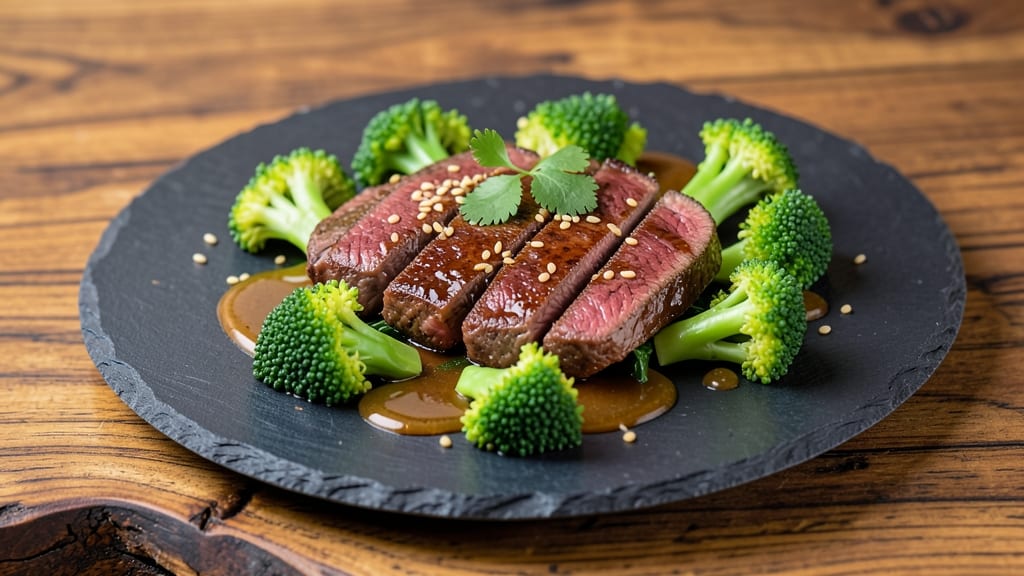
This beef and broccoli recipe without brown sugar delivers restaurant-quality flavor with a savory soy-ginger sauce that highlights crisp-tender beef and vibrant broccoli. The secret lies in balancing umami-rich soy sauce with fresh ginger and garlic, creating depth without sweetness.
I've perfected this technique over years of testing, ensuring the beef stays juicy while the broccoli maintains its satisfying crunch.
The foundation of this dish is properly searing the beef in batches to render fat and develop flavor before adding the sauce. Broccoli gets a quick blanch to preserve its bright green color and crisp texture, then returns to the pan just long enough to absorb the aromatic sauce.
What you'll end up with is perfectly cooked beef with tender yet slightly crisp edges, paired with bright, vibrant broccoli that's been kissed by the flavorful sauce.
This version replaces brown sugar with a touch of honey for subtle sweetness while keeping the sauce's savory profile intact. The result is a dish that's rich, aromatic, and perfectly balanced—no artificial sweetness needed.
Each bite delivers layers of ginger's zing, soy's umami, and beef's natural richness, all complemented by the broccoli's satisfying crunch.
Ready in about 30 minutes, this beef and broccoli makes an impressive weeknight dinner or meal prep solution. The sauce clings beautifully to the beef and vegetables, creating a dish that's both elegant and approachable.
Serve over steamed rice for the complete experience—this recipe proves you don't need sugar to create restaurant-quality flavor.
Ingredients for beef and broccoli recipe without brown sugar
Restaurant-quality beef and broccoli with a savory soy-ginger sauce that highlights tender beef and vibrant broccoli.
| Ingredient | Amount | Notes |
|---|---|---|
| Flank Steak 🥩 | 1 ½ lb | Thinly sliced against the grain |
| Fresh Broccoli Crowns 🥦 | 2 lb | Bright green florets, stems trimmed |
| Soy Sauce 🥢 | ½ cup | High-quality, preferably Japanese |
| Fresh Ginger 🌿 | 3 tbsp | Finely grated, aromatic |
| Garlic Cloves 🧄 | 6 cloves | Minced, fresh preferred |
| Honey 🍯 | 1 tbsp | Light amber for subtle sweetness |
| Sesame Oil 🫒 | 1 tbsp | Toasted, for aroma |
| Cornstarch 🌾 | 1 tbsp | For sauce thickening |
| Vegetable Oil 🫒 | 3 tbsp | High smoke point for searing |
| Green Onions 🧅 | 4 whole | Thinly sliced, for garnish |
| Toasted Sesame Seeds 🌱 | 1 tbsp | For garnish and texture |
| Diamond Crystal Kosher Salt 🧂 | 1 tsp | For seasoning |
| Ground Black Pepper 🌶️ | ½ tsp | Freshly cracked |
The flank steak is non-negotiable for this dish—its lean yet flavorful profile works perfectly when sliced thin against the grain. Whole Foods or your local butcher often carry high-quality cuts; look for well-marbled meat with a vibrant red color. Fresh broccoli should be bright green and crisp—avoid any florets with yellowing stems or wilted leaves. The soy sauce is where the umami magic happens: Kikkoman or Yamasa brands deliver consistent quality, while fresh ginger and garlic elevate the sauce's complexity. For the best results, use freshly grated ginger and minced garlic—pre-minced garlic loses its punch quickly.
No flank steak? Sirloin or ribeye work as substitutes, though they may require slightly less cooking time. Swap soy sauce for tamari if you need gluten-free, or use low-sodium soy sauce and adjust the salt accordingly. The honey adds subtle sweetness without overpowering the savory notes—Manuka honey has a more delicate flavor, while regular amber honey works fine. For extra depth, add a splash of rice vinegar or Shaoxing wine to the sauce. If you're short on time, pre-cut broccoli florets from the grocery store work just as well as fresh, though they may lack the same crisp texture.
This dish reheats beautifully—simply warm through in a skillet with a splash of water or soy sauce to revive the sauce. Store leftovers in an airtight container in the fridge for up to 4 days, or freeze for 3 months by portioning into individual containers. The sauce thickens as it cools, so a quick stir with a splash of water restores its silky texture. For meal prep, cook the beef and broccoli separately and combine just before serving to maintain that satisfying crunch. Garnishing with fresh green onions and toasted sesame seeds right before serving adds a pop of color and freshness.
Why You'll Love This Recipe
- Minimal chopping required: slice the broccoli crowns into even florets (no need for perfection), mince the garlic and ginger in 30 seconds, then toss everything in one pan. My daughter picks out the broccoli first, but still asks for seconds—proof it’s foolproof.
- No Sugar Crash: Honestly, cutting the brown sugar doesn’t mean sacrificing flavor—it means the soy sauce’s umami shines cleaner, especially when you sear the flank steak first. That caramelized crust? Pure satisfaction without the sticky aftertaste.
- One-Pan Magic: Minimal chopping required: slice the broccoli crowns into even florets (no need for perfection), mince the garlic and ginger in 30 seconds, then toss everything in one pan. My daughter picks out the broccoli first, but still asks for seconds—proof it’s foolproof.
- Lunchbox Hero: Here’s what sold me—this reheats like a dream for packed lunches. The steak stays tender, the broccoli holds its crunch, and the ginger-soy glaze clings perfectly. (Yes, even on a Tuesday night when I’m too tired to think.)
Step-by-step instructions for savory soy-ginger beef and broccoli
This method delivers restaurant-quality beef and broccoli with perfectly tender meat and crisp-tender florets.
Prepare the Flank Steak for Optimal Tenderness
Slice the 1.5 lb flank steak thinly against the grain using a sharp knife. This is crucial—thin slices ensure quick cooking while maintaining tenderness. I like to cut each slice about ¼-inch thick for even cooking. Arrange the sliced steak on a plate and season both sides generously with 1 tsp diamond crystal kosher salt and 0.5 tsp ground black pepper. Let it sit at room temperature for 15-20 minutes while you prep the remaining ingredients.
This resting period ensures even cooking throughout. If you skip this step, the outer edges may overcook before the center reaches temperature. The salt will also begin to penetrate the meat, enhancing flavor without making it salty.
Create the Flavor Base and Sear the Beef
Heat 3 tbsp vegetable oil in a large wok or skillet over high heat until shimmering. Add the sliced steak in a single layer and let it sear undisturbed for 1-2 minutes until the edges turn deep golden brown. This initial sear locks in juices and builds flavor. Use tongs to flip the steak and cook for another 1-2 minutes until just cooked through—it should still be slightly pink in the center. Remove the steak and set aside on a plate.
Here's the thing—don't overcrowd the pan. Cooking in batches ensures proper searing instead of steaming. If your pan isn't large enough, work in two batches. The high heat is essential for that wok-hei (breath of the wok) flavor that makes this dish sing.
Build the Savory Soy-Ginger Sauce
In the same wok (no need to wipe it clean—those browned bits are flavor gold), reduce heat to medium-high and add 3 tbsp finely grated fresh ginger and 6 cloves minced garlic. Stir for 30 seconds until fragrant—you should smell that bright, zesty aroma. Pour in 0.5 cup soy sauce and 1 tbsp honey, then bring to a gentle simmer. Let it cook for 2-3 minutes until slightly reduced by about ¼ cup. This reduction concentrates the flavors and thickens the sauce naturally.
I always add the honey at this stage to balance the soy sauce's saltiness with subtle sweetness. The sauce should coat the back of a spoon but still be pourable. If it thickens too quickly, add 1-2 tablespoons of water to maintain the right consistency for coating the beef.
Blanch and Sauté the Broccoli
While the sauce simmers, cut the 2 lb fresh broccoli crowns into 1-inch florets, keeping the stems intact. In a separate pot, bring 4 cups water to a rolling boil. Add the broccoli and blanch for 1 minute—this preserves vibrant color and slight crispness. Drain immediately and plunge into ice water to stop cooking. Drain again and set aside.
The blanching step is key for broccoli that's tender-crisp rather than mushy. Fresh broccoli should hold its shape while still being fork-tender. If using pre-cut broccoli, skip blanching and simply sauté it for 3-4 minutes until bright green and just tender.
Combine and Finish the Dish
Return the seared beef to the wok with the sauce. Stir gently to coat the beef evenly, then add the blanched broccoli. Toss everything together for 1-2 minutes until the broccoli is heated through and the sauce clings to both components. In a small bowl, whisk together 1 tbsp cornstarch with 2 tablespoons water to make a slurry. Slowly pour this into the wok while stirring constantly—this will thicken the sauce beautifully.
Simmer for 30 seconds until the sauce reaches your desired consistency. It should coat the back of a spoon but remain silky rather than gluey. Taste and adjust seasoning—you might need a touch more soy sauce for saltiness or a drizzle of honey for sweetness. Remove from heat and stir in 1 tbsp sesame oil for that nutty aroma that elevates the dish.
Garnish and Serve Immediately
Transfer the beef and broccoli to serving plates. Garnish with 4 whole green onions (thinly sliced) and 1 tbsp toasted sesame seeds for texture and visual appeal. Serve immediately over steamed jasmine rice or noodles to soak up that glorious sauce. The dish should be vibrant—deep brown beef, bright green broccoli, and a glossy sauce that clings to every bite.
This dish tastes best fresh when the broccoli is still crisp and the sauce is warm. If making ahead, assemble without the sesame seeds and reheat gently, adding fresh garnishes before serving. The combination of tender beef, crisp broccoli, and that savory-sweet sauce makes this a weeknight favorite that feels like a restaurant meal.
Pro Tips For Making Beef And Broccoli Recipe Without Brown Sugar
- SEAR STEAK IN BATCHES: High heat and a crowded pan will steam your beef instead of sear it. Cut the steak into strips first, then work in two batches—this gives you that perfect crust without turning your kitchen into a sauna.
- SLICE GINGER THINLY: I used to chop ginger like I was hacking through a log, and it just sat there, unyielding. For this dish, you want paper-thin slices—almost translucent—so they dissolve into the sauce instead of leaving chewy chunks.
- DON’T OVERCOOK THE BROCCOLI: Bright green florets are the goal, not sad, limp ones. Add them to the pan after the beef is seared, and cook for just 2-3 minutes—any longer and you’ll end up with mush. If you’re worried, blanch them first for 30 seconds, then finish in the pan.
- USE CORNSTARCH LAST: Skip the pre-mixed slurry trick—sprinkle a teaspoon of cornstarch directly into the hot sauce off the heat. Stir like you’re mixing paint, then return to the pan for 30 seconds. This thickens the sauce without clumping, and you won’t waste time waiting for a slurry to dissolve.
Storing and reheating your leftovers
Refrigerator Storage
Store your beef and broccoli in an airtight container within 2 hours of cooking to preserve freshness. The sauce thickens slightly when chilled, so stir in 1-2 tablespoons of water before reheating. Keep it refrigerated for up to 4 days—the flavors actually deepen overnight as the spices meld.
I always portion it into quart-sized glass containers for easy reheating later in the week. 💫
Freezer Prep Tips
For longer storage, freeze the dish in single-serving portions using ziplock freezer bags or glass meal prep containers. Leave ½-inch headspace to prevent ice crystals from forming. Label with the date and freeze for up to 3 months.
The sauce may separate slightly, but a quick stir with 1 tablespoon water restores its silky texture when reheated. 🧊
Stovetop Reheating
My preferred method is reheating in a nonstick skillet over medium heat. Add 2 tablespoons of water or soy sauce to prevent sticking and restore moisture. Cover and heat for 3-4 minutes, stirring occasionally, until everything is steaming hot.
The broccoli should regain its crisp-tender texture, and the sauce will cling beautifully to the beef. 🔥
Microwave Revival
For quick meals, transfer a portion to a microwave-safe dish and cover loosely with a damp paper towel. Heat on 70% power for 1-2 minutes, then stir and continue in 30-second intervals until heated through.
The broccoli may lose some crunch, so I recommend adding fresh green onions and sesame seeds after reheating for brightness. 💡
Meal Prep Strategy
Cook the beef and broccoli separately to maintain texture. Store them in separate airtight containers in the fridge for up to 3 days. When ready to eat, combine them in a pan with 1 tablespoon soy sauce and ½ teaspoon sesame oil to revive the flavors.
This method keeps the broccoli extra crisp and the beef perfectly tender. ✨
Garnish Refresh
Before serving, always add fresh green onions and toasted sesame seeds—they bring back the dish's vibrant appearance and nutty aroma. A drizzle of sesame oil or a squeeze of lime can also elevate the flavors if the dish has been stored.
These finishing touches make reheated beef and broccoli taste almost as good as fresh! 🌟
Nutrition facts
Frequently asked questions
What's the best substitute for honey in this recipe?
If you prefer no sweetness at all, skip the honey and add an extra ½ teaspoon of soy sauce for depth. For a natural alternative, try 1 teaspoon of maple syrup (it's less sweet than honey) or a splash of rice vinegar (just ½ teaspoon) to brighten the sauce. The key is balance—start with small amounts and adjust to taste!
Can I use frozen broccoli instead of fresh?
Yes, but with a few adjustments! Use 2 cups frozen broccoli florets (about 12 oz) and skip the blanching step. Simply thaw and pat dry before sautéing for 3-4 minutes until heated through. Frozen broccoli works best when you want to save time, though fresh broccoli holds its vibrant color and texture better.
Why does my sauce turn out too thick or too thin?
The cornstarch slurry is your secret weapon! For a thicker sauce, add ½ teaspoon more cornstarch mixed with 1 teaspoon water. If it's too thin, simmer uncovered for 1-2 extra minutes to reduce. Pro tip: The sauce should coat the back of a spoon but still be pourable—like heavy cream consistency.
How do I make this dish gluten-free?
Swap regular soy sauce for tamari (a gluten-free alternative) and use gluten-free cornstarch for thickening. Double-check all ingredients—some sesame oils or sauces may contain hidden gluten. The flavor profile stays rich and savory, just without the wheat components.
Can I prep this ahead of time for meal prep?
Cook the beef and broccoli separately, then store in airtight containers in the fridge for up to 3 days. When ready to eat, reheat in a skillet with 1 tablespoon soy sauce and ½ teaspoon sesame oil to revive the flavors. This keeps the broccoli extra crisp and the beef perfectly tender.