
Soups & Stews
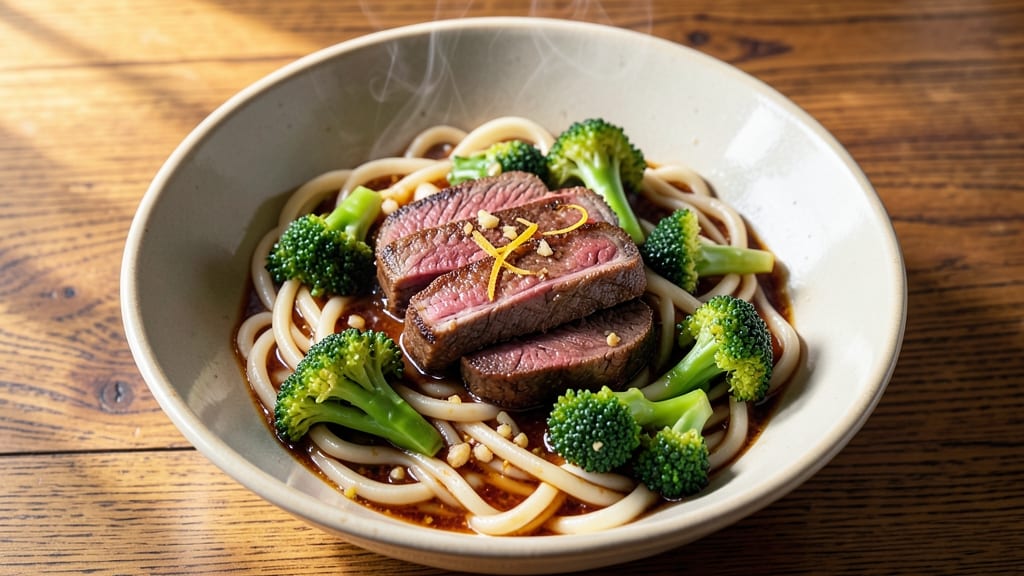
This beef and broccoli udon noodles recipe delivers the perfect balance of wok-sizzled beef, crisp-tender broccoli, and silky udon noodles in a single bowl. The secret lies in high-heat stir-frying for that signature umami crunch, while a savory soy-ginger sauce ties everything together.
After years of perfecting this dish, I've developed a method that ensures tender beef, vibrant broccoli, and noodles that stay perfectly al dente—no mushy texture here.
The beauty of this recipe is its simplicity: just a handful of ingredients, 15 minutes of active cooking, and a wok or large skillet to create that restaurant-quality sear.
The beef gets marinated in a quick soy-ginger mixture before stir-frying to maximum tenderness, while the broccoli cooks just long enough to stay crisp with a slight blanch. Udon noodles are prepared separately to maintain their signature chewy texture, then tossed together at the end for that perfect first bite.
What you'll end up with is a bowl that's packed with flavor—caramelized beef, bright broccoli, and silky noodles all coated in a rich, slightly sweet sauce.
The aroma alone will have everyone gathering around the table, and the combination of textures (crisp, tender, chewy) makes every spoonful satisfying. This is comfort food elevated to restaurant-quality without the fuss.
Perfect for weeknight dinners or when you're craving something hearty yet quick, this dish scales easily for a crowd. Serve with extra chili oil or sesame seeds for garnish, and don't forget the steamed greens on the side. Let's get cooking—your taste buds will thank you.
Ingredients for beef and broccoli udon noodles
Here's what you need to create this restaurant-quality beef and broccoli udon masterpiece in minutes.
| Ingredient | Amount | Notes |
|---|---|---|
| Udon Noodles (fresh or dried) 🍜 | 8 oz | Fresh preferred, or dried cooked al dente |
| Flank Steak 🥩 | 1 lb | Thinly sliced against grain |
| Broccoli Florets 🥦 | 4 cups | Cut into bite-sized pieces |
| Soy Sauce 🍶 | ½ cup | High-quality, preferably Japanese |
| Ginger (fresh) 🧄 | 2 tbsp | Grated finely for marinade |
| Garlic Cloves 🧄 | 6 cloves | Minced for marinade and stir-fry |
| Sesame Oil 🫒 | 1 tbsp | Toasted for aroma |
| Honey 🍯 | 1 tbsp | For sauce balance |
| Vegetable Oil 🫒 | 2 tbsp | High smoke point for stir-fry |
| Green Onions 🧅 | 3 whole | Sliced thin for garnish |
| Sesame Seeds 🌾 | 1 tbsp | Toasted for crunch |
| Chili Oil 🌶️ | 1 tbsp | Optional for heat |
| Salt 🧂 | 1 tsp | Kosher or sea salt |
| Black Pepper 🌶️ | ½ tsp | Freshly ground |
The udon noodles are the foundation, so fresh udon from an Asian market makes all the difference—they cook in seconds and stay chewy. Flank steak is your best bet for beef; it's lean but tender when sliced thin against the grain. Costco or Whole Foods carry pre-sliced flank steak, but if you're slicing yourself, freeze it for 30 minutes first—it makes the job easier. Broccoli should be vibrant green, not yellowing, and cut into even florets for consistent cooking. For the soy sauce, Kikkoman or Yamasa are my go-tos—they've got that perfect umami punch without overpowering.
No fresh ginger? Substitute with 1 tbsp ginger powder, but fresh is ideal. Running out of sesame oil? Avocado oil works in a pinch, though it lacks the nutty aroma. The honey in the sauce is key—it balances the saltiness, so don't skip it. If you're avoiding sugar, maple syrup at half the amount does the trick. For extra crunch, toast your sesame seeds in a dry pan for 30 seconds before adding them. And if chili oil isn't your thing, a dash of sriracha gives you heat without the texture.
Prep the broccoli and beef marinade first—they'll wait while the noodles cook. Udon cooks in 2-3 minutes in boiling water, so have a pot ready. The beef should sear in 1-2 minutes per side, so don't overcrowd the pan. Store leftovers in airtight containers for 3 days in the fridge, or freeze for 2 months. Reheat gently in a skillet with a splash of water to keep everything tender. This dish is even better the next day—flavors meld beautifully.
Why You'll Love This Recipe
- No-Fuss Prep: I swear by this—just slice the flank steak thin, toss in the broccoli florets (no need to peel stems), and let the ginger and soy sauce do the work. The udon cooks in boiling water while you sear the beef, so you’re basically eating by the time the timer goes off.
- Umami Bomb: That crispy, caramelized edge on the beef? Chef’s kiss. The ginger and soy sauce create this deep, savory punch that sticks to every noodle, while the broccoli adds a fresh bite—like a hug for your taste buds.
- Leftover Hero: Between us, this tastes better the next day. The noodles soften just enough, the beef gets even more tender, and you can reheat it in a pan with a splash of water. I make it on Sundays, and it’s my go-to for lazy lunches all week.
- Budget Meal Powerhouse: Flank steak is affordable, udon lasts forever, and broccoli’s one of the cheapest veggies out there. For under $10, you feed two people a meal that feels fancy—no takeout needed. Honestly, it’s my secret for stretching groceries without sacrificing flavor.
Step-by-step instructions for beef and broccoli udon noodles
Here's how to create a restaurant-worthy stir-fry with silky udon, tender beef, and vibrant broccoli.
Prepare the Beef Marinade and Cook the Udon
In a small bowl, combine the 0.5 cup soy sauce, 1 tbsp honey, 2 tbsp grated fresh ginger, 6 minced garlic cloves, and 0.5 tsp black pepper. Mix well to create a glossy marinade. Add the 1 lb flank steak and coat thoroughly, letting it sit for 15-20 minutes at room temperature. This marinade will tenderize the beef and infuse it with deep umami flavor.
While the beef marinates, cook the 8 oz udon noodles according to package instructions until al dente. Drain immediately and rinse briefly under cold water to stop the cooking process. Toss the noodles with 1 tbsp toasted sesame oil to prevent sticking and add a nutty aroma. Keep them covered until ready to use.
Stir-Fry the Broccoli and Beef
Heat 2 tbsp vegetable oil in a wok or large skillet over high heat until shimmering. Add the 4 cups broccoli florets in a single layer, stirring constantly for 2-3 minutes until bright green and just tender-crisp. Remove the broccoli and set aside, leaving the oil in the pan.
Increase the heat to maximum and add the marinated beef in a single layer. Let it sear undisturbed for 1-2 minutes until a deep crust forms. Stir-fry for another 2-3 minutes until the beef is cooked through but still juicy. Return the broccoli to the pan and toss everything together for 1 minute to combine flavors.
Finish with Sauce and Garnishes
Pour the reserved marinade from the beef into the wok, scraping up any browned bits with a wooden spoon. Add 1 tbsp toasted sesame seeds and 1 tbsp chili oil (if using), then bring to a gentle simmer. Let it reduce for 1-2 minutes until slightly thickened and glossy.
Add the cooked udon noodles to the wok and toss everything together for 1-2 minutes until the noodles are evenly coated with the sauce. The dish should be vibrant, with silky noodles, tender beef, and crisp-tender broccoli. Taste and adjust seasoning with additional soy sauce if needed.
Plate and Serve Immediately
Transfer the beef and broccoli udon to serving plates, dividing evenly among 4 servings. Garnish each portion with 3 thinly sliced green onions for freshness and color. Serve immediately while hot, as the noodles will continue to soften slightly as they cool.
This dish delivers perfect texture contrast—silky udon, tender beef, and crisp broccoli—all bound together by a rich, umami-packed sauce. The toasted sesame oil and seeds add nutty depth, while the chili oil brings a subtle kick. Enjoy the wok-sizzled aroma and satisfying crunch with every bite!
Pro Tips For Making Beef And Broccoli Udon Noodles
- SLICE STEAK THIN: Flank steak fights back when you cut against the grain—thin slices (⅛-inch or less) cook faster and stay tender. Use a sharp knife and angle it like you’re slicing through butter, or your beef will turn chewy. I learned this the hard way after serving rubbery strips to a skeptical roommate.
- BLANCH BROCCOLI FIRST: Toss broccoli florets in boiling water for 30 seconds before stir-frying—this stops the bitterness and keeps them bright green. Drain and shock in ice water, then pat dry. Skipping this step means soggy, dull veggies that soak up sauce like a sponge.
- SAUTE GINGER UNTIL FRAGRANT: Fresh ginger needs heat to wake up—cook it in the wok for 30 seconds until the oil smells like a spice market. Overlooking this means muted flavor, and no one wants bland udon. (Yes, even if you’re impatient like me.)
- DON’T OVERCOOK THE NOODLES: Udon releases starch like a waterfall if boiled too long—check the package, but fresh udon is usually 2-3 minutes; dried, 4-5. Rinse them briefly in cold water to stop cooking, then toss with a splash of soy sauce to coat. Overcooked noodles turn mushy, and no one’s fixing that.
Troubleshooting perfect results
Beef Overcooking
Flank steak cooks fast—overcooking turns it tough and dry. I’ve ruined countless batches by letting it sit too long in the pan. Use a meat thermometer and pull the beef when it hits 135°F internal temperature (medium-rare).
If you don’t have one, cut into a small piece—it should still be slightly pink in the center. For thicker slices, cook 1-2 minutes per side max. 🔥
Mushy Broccoli
Broccoli’s the star here—overcooking kills its crisp-tender texture. Stir-fry for exactly 2-3 minutes over high heat until bright green and just blistered. If your pan isn’t hot enough, the florets will steam instead of sear.
Remove them immediately after cooking and set aside—don’t let them sit in the wok. For extra crunch, blanch in boiling water for 30 seconds before stir-frying.
Sauce Too Thin
The marinade reduces naturally, but if your sauce ends up watery, it’s likely because the beef released too much liquid. Simmer the sauce uncovered for 2-3 extra minutes to thicken.
For a quick fix, mix 1 tsp cornstarch with 1 tbsp water, stir into the sauce, and cook for 30 seconds until glossy. Avoid adding too much soy sauce—it’s salty, and you can’t take it out!
Noodles Too Soft
Udon noodles lose their chewy texture if overcooked or reheated. Cook them 1 minute less than package instructions, then rinse in cold water to stop cooking. Toss immediately with sesame oil to prevent sticking.
If reheating leftovers, steam for 2 minutes over boiling water (covered) instead of microwaving. For extra al dente, cook fresh udon in 160°F water (instead of boiling) for 1-2 minutes—this keeps them firm.
Uneven Cooking
Overcrowding the pan causes steaming instead of searing. Cook beef and broccoli in batches if needed—don’t sacrifice heat for volume. A 14-inch wok is ideal, but a large cast-iron skillet works too.
Preheat your pan for 5 minutes before adding oil to ensure maximum heat. If your pan isn’t hot enough, the beef will boil instead of sear, and the broccoli will turn soggy.
Lack of Umami
Flat flavor? Boost umami with 1 tsp fish sauce or ½ tsp MSG to the marinade. For depth, add 1 tbsp oyster sauce to the sauce at the end. Toasting sesame seeds in a dry pan for 30 seconds before adding amplifies their nutty aroma.
If your soy sauce tastes bland, swap for dark soy sauce—it’s richer and adds color. A splash of sesame oil at the finish adds another layer of complexity. ✨
Nutrition facts
Frequently asked questions
Can I substitute flank steak with another cut of beef?
Yes! For best results, use sirloin or ribeye sliced thinly against the grain. Avoid tougher cuts like chuck—they won't tenderize as well in the short marinating time. If using ground beef, brown it first before adding to the stir-fry to prevent a mealy texture.
How do I make this recipe vegetarian?
Swap the beef for extra-firm tofu pressed for 30 minutes, then cubed and pan-fried until crispy. Add 1 tbsp cornstarch to the tofu marinade for better texture. For extra umami, include 1 tsp soy sauce in the tofu marinade and 1 tbsp vegetarian oyster sauce in the stir-fry.
Can I use dried udon noodles instead of fresh?
Dried udon works perfectly—just cook it 1 minute less than package instructions (usually 4-5 minutes total) for that ideal al dente texture. Rinse immediately in cold water to stop cooking, then toss with sesame oil. The key is keeping them firm so they don't turn mushy when mixed with the sauce.
What if I don't have a wok?
A large cast-iron skillet or deep nonstick pan works perfectly—just make sure it's at least 12 inches wide. Preheat it for 5 minutes before adding oil to mimic wok heat. For even better results, use a lid to trap steam and create that signature stir-fry aroma.
How can I make this dish spicier?
Add 1 tbsp gochujang (Korean chili paste) to the sauce for depth, or stir in 1 tsp chili flakes at the end. For heat lovers, include 1 tbsp sriracha in the marinade. Garnish with extra chili oil or sliced Thai bird's eye chilies for fresh heat. Start with less—you can always add more!