
Soups & Stews
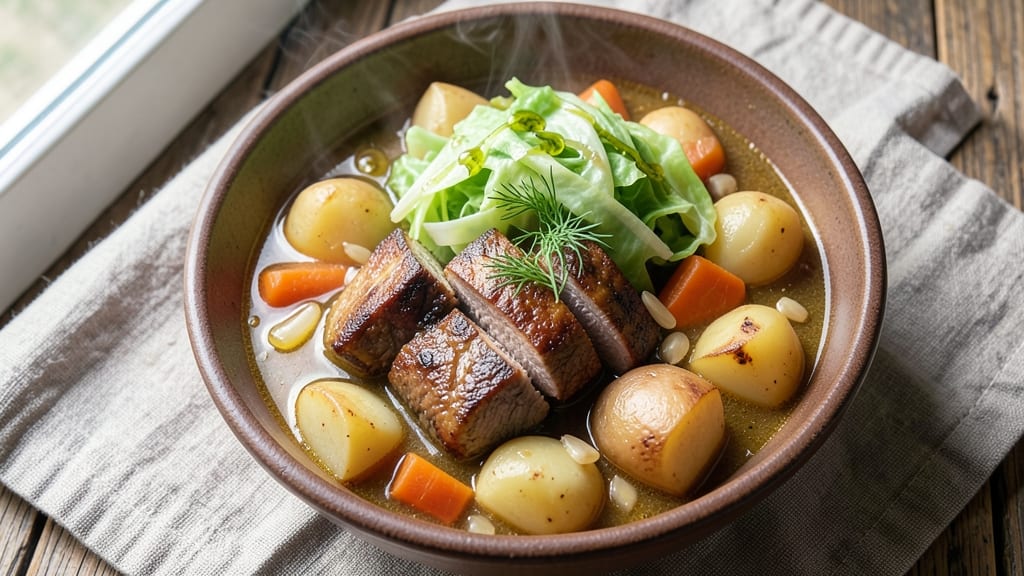
This beef and cabbage soup recipe with potatoes delivers the ultimate hearty simmered comfort in every bowl—perfect for chilly evenings or family gatherings. The secret lies in slow-cooked beef that melts in your mouth, tender potatoes, and cabbage that softens just enough to soak up the rich, savory broth.
I developed this version to balance traditional methods with modern convenience, ensuring restaurant-quality results with minimal effort.
The beauty of this recipe is its versatility—whether you're using a slow cooker for hands-off cooking, a pressure cooker for speed, or a stovetop for classic simmering, the technique remains simple.
Aromatic vegetables like carrots and onions form the flavor base, while bay leaves and peppercorns add depth without overpowering. The potatoes absorb the broth beautifully, creating a satisfying, filling bite.
What you’ll end up with is a rich, flavorful soup that’s hearty enough to serve as a main dish, yet simple enough to make on a weeknight. The beef becomes fork-tender, the cabbage tender-crisp, and the broth develops layers of warmth from the spices.
This is the kind of meal that feels like a hug in a bowl—perfect for when you need comfort.
Serve it with crusty bread to soak up every last drop of that savory broth, or pair it with a simple green salad for balance. The leftovers taste even better the next day, making it ideal for meal prep.
Let’s get started on this foolproof, one-pot wonder that brings warmth to the table.
Ingredients for beef and cabbage soup recipe with potatoes
These 14 ingredients transform into a soul-warming beef and cabbage soup that's rich, comforting, and perfect for any chilly day.
| Ingredient | Amount | Notes |
|---|---|---|
| Chuck Roast 🥩 | 1 ½ lb | Cut into 1-inch cubes |
| Yellow Onion 🧅 | 1 whole | Chopped into half-moons |
| Carrots 🥕 | 4 medium | Peeled and cut into chunks |
| Russet Potatoes 🥔 | 2 lb | Peeled and cut into 1-inch cubes |
| Green Cabbage 🥬 | 1 small head | Cut into wedges, core removed |
| Garlic Cloves 🧄 | 4 cloves | Minced for depth of flavor |
| Tomato Paste 🍅 | 2 tbsp | For rich, concentrated flavor |
| Beef Broth 💧 | 6 cups | Low-sodium preferred |
| Bay Leaves 🌿 | 2 whole | For aromatic depth |
| Black Peppercorns 🌶️ | 1 tsp | Crushed for subtle heat |
| Salt 🧂 | 1 ½ tsp | Diamond Crystal preferred |
| All-Purpose Flour 🌾 | 2 tbsp | For thickening broth |
| Extra-Virgin Olive Oil 🫒 | 2 tbsp | For initial searing |
| Fresh Parsley 🌿 | ¼ cup | Chopped for garnish |
The chuck roast is non-negotiable here—it's the secret to that melt-in-your-mouth beef that makes this soup feel like a hug. Look for well-marbled cuts at your local butcher or the meat department at Whole Foods, where they often have it pre-cut. If you're using a slow cooker, you can skip the initial searing step, but for stovetop or pressure cooker methods, browning the beef in olive oil first builds incredible depth of flavor. The potatoes should be uniform in size so they cook evenly—Russets hold their shape best while still soaking up the broth beautifully. For the cabbage, green cabbage has a slightly sweeter taste than red, but either works perfectly.
No beef broth on hand? Vegetable broth with a splash of soy sauce works in a pinch, though the flavor will be more subtle. Running short on carrots? Substitute with parsnips or turnips for a slightly different but equally delicious profile. The tomato paste might seem like an odd addition, but trust me—it deepens the broth's richness without overpowering. Use the squeeze tubes from Trader Joe's if you want to avoid waste, as they keep perfectly for months. For the flour, King Arthur or Bob's Red Mill are my go-tos—they thicken beautifully without any graininess. And if you're feeling adventurous, swap the parsley for fresh dill or thyme at the end for a different herbal note.
This soup tastes even better the next day as the flavors meld together—plan to make a big batch and store leftovers in airtight containers. It keeps for 4-5 days in the fridge and freezes beautifully for up to 3 months. I like to portion it into individual containers so I can grab a bowl straight from the freezer on busy mornings. The beef will get even more tender after reheating, and the cabbage maintains that perfect tender-crisp texture. For extra comfort, serve with a slice of crusty bread to soak up every last drop of that savory broth—it's the ultimate cozy meal.
Why You'll Love This Recipe
- One-Pot Magic: I swear by this—just toss everything into a single pot, walk away, and let the chuck roast melt into tender perfection while the potatoes soak up all that savory broth. No fancy techniques, no extra dishes.
- Deep, Meat-Focused Richness: That chuck roast? It falls apart like it’s been slow-cooked for hours, even if you’re only simmering it for 45 minutes. The cabbage gets just crisp enough to hold its shape, and the carrots caramelize into sweet little bursts—honestly, the flavor balance is my secret weapon.
- Leftovers That Taste Better: Between us, this soup actually improves the next day. The potatoes get even creamier, the beef more shreddable, and the broth deepens into something heartier. I make a double batch on Sundays just so I can reheat it all week.
- Budget-Friendly Powerhouse: You’re getting a full meal for less than $10, and it feeds four. The chuck roast stretches across multiple servings, the cabbage and potatoes bulk it up, and the onions and carrots add layers without breaking the bank. My wallet and my freezer thank me every time.
Step-by-step instructions for beef and cabbage soup with potatoes
This hearty soup comes together in one pot with rich, layered flavors that build as it simmers.
Sear the Chuck Roast for Deep Flavor
Heat the 2 tablespoons extra-virgin olive oil in a large Dutch oven over medium-high heat. Add the 1.5 lb chuck roast, cut into 1-inch cubes, and sear on all sides for 4-5 minutes until each piece develops a rich, deep brown crust. This step is critical—it creates the foundation for the soup's depth of flavor.
Once browned, remove the chuck roast and set it aside. If the oil starts to smoke excessively, reduce the heat slightly. You want the meat to caramelize without burning, which would make the broth bitter. The goal is to build those flavorful browned bits called fond that will dissolve into the broth later.
Build the Vegetable Base
In the same Dutch oven, add the 1 whole yellow onion, cut into half-moons, and cook for 5 minutes until softened and lightly golden. Add the 4 medium carrots, peeled and cut into chunks, along with the 2 lb russet potatoes, peeled and cut into 1-inch cubes. Stir to combine and cook for another 3 minutes to help the vegetables begin to soften.
Next, add the 1 small head green cabbage, cut into wedges with the core removed, and the 4 cloves garlic, minced. Stir everything together and cook for 2 minutes until the garlic becomes fragrant. This step ensures all the vegetables develop a slight caramelization that enhances the overall flavor profile of the soup.
Add Tomato Paste and Flour for Thickness
Stir in the 2 tablespoons tomato paste and the 2 tablespoons all-purpose flour, coating all the vegetables evenly. Cook for 1-2 minutes until the mixture becomes slightly thickened and the raw flour taste disappears. This step is essential for creating a rich, velvety broth that clings beautifully to each ingredient.
Here's where the magic happens: the tomato paste adds a subtle sweetness and depth, while the flour helps thicken the broth slightly, giving the soup that comforting, hearty texture. Don't skip this step—it's what transforms a simple broth into a rich, satisfying soup.
Simmer the Soup Until Tender
Pour in the 6 cups beef broth, making sure to scrape up any browned bits from the bottom of the pot. Return the seared chuck roast to the pot, along with the 2 whole bay leaves, 1 teaspoon crushed black peppercorns, and 1.5 teaspoons salt. Bring the mixture to a boil, then reduce the heat to low and let it simmer uncovered for 1 hour and 15 minutes.
During this time, the chuck roast will become fork-tender, and the vegetables will soften to perfection. Stir occasionally to prevent the soup from sticking to the bottom of the pot. You'll know it's ready when the meat pulls apart easily with a fork and the potatoes are tender enough to mash slightly with a spoon.
Finish and Serve with Fresh Parsley
Once the soup is fully cooked, remove the 2 bay leaves and discard them. Taste the soup and adjust the seasoning if needed—add more salt or pepper to your preference. Ladle the soup into bowls, and garnish each serving with 0.25 cup chopped fresh parsley for a bright, fresh finish that cuts through the richness of the beef and vegetables.
Serve the soup immediately while it's hot, with crusty bread on the side to soak up every last drop of that hearty, comforting broth. The combination of tender beef, soft vegetables, and richly flavored broth makes this soup a true one-pot wonder—perfect for cozy evenings or family gatherings. Enjoy the warmth and satisfaction of a bowl of homemade goodness!
Pro Tips For Making Beef And Cabbage Soup Recipe With Potatoes
- Sear the Chuck Roast First: After burning three batches of beef soup, I finally learned to sear the chuck roast in batches—don’t overcrowd the pan. Use about 2 tablespoons of oil and high heat until deep brown crust forms. This isn’t just for looks; it locks in flavor and keeps the meat tender when simmered later.
- Cut Potatoes in Even Slices: Russet potatoes break apart when overhandled, so cut them into 1-inch chunks before adding to the pot. If you’re lazy, peel them first—it saves time and keeps the soup cleaner. Uneven pieces mean some will turn to mush while others stay hard.
- Add Cabbage Late: Toss the green cabbage in after the potatoes and carrots have softened—about 20 minutes before serving. It wilts fast and becomes bitter if overcooked. I used to add it early and wondered why my soup tasted like oversteamed lettuce.
- Simmer Low and Long: Chuck roast needs patience—bring the soup to a boil, then reduce to a gentle simmer (tiny bubbles, occasional skimming). Cover and cook for 2.5–3 hours, not rushing it. The meat will fall apart if you speed it up, and you’ll regret it.
Perfect pairings for this recipe
Crusty Bread Pairing
Nothing beats this soup with a warm, crusty baguette or sourdough loaf to soak up every last drop of that savory broth. I love using a freshly baked artisan loaf from my local bakery—look for one with a crisp, golden crust and soft, airy interior.
For extra flair, brush the bread with garlic-infused olive oil before serving. If you're short on time, a store-bought French baguette from the bakery section works perfectly too. 🥖
Light Green Salad
Balance the heartiness of the soup with a bright green salad featuring crisp lettuce, thinly sliced cucumbers, and cherry tomatoes. Toss with a lemon vinaigrette made from 2 tablespoons olive oil, 1 tablespoon lemon juice, and a pinch of salt and pepper.
Adding crumbled feta cheese or shaved Parmesan elevates the dish. The acidity cuts through the richness of the beef, creating a perfect contrast. 🥗
Warm Dinner Rolls
For a cozier option, serve the soup with warm dinner rolls or cheesy pull-apart bread. I often make a batch of garlic butter rolls by mixing ½ cup softened butter with 2 cloves minced garlic, 1 tablespoon chopped parsley, and a pinch of salt.
Brush the rolls with this mixture before baking at 375°F for 12-15 minutes. The buttery, garlicky aroma pairs beautifully with the soup’s savory notes. 🍞
Wine Pairings
A bold red wine like Cabernet Sauvignon or Merlot complements the rich beef flavors perfectly. For something lighter, a Pinot Noir offers a smooth, earthy contrast. If you prefer white wine, a Chardonnay with a touch of oak adds depth without overpowering the dish.
For a non-alcoholic option, sparkling apple cider or ginger beer brings a refreshing finish. 🍷
Toppings for Extra Flavor
Elevate your bowl with a few simple toppings. A sprinkle of crumbled blue cheese adds a tangy kick, while sour cream or crème fraîche provides a creamy contrast. For heat lovers, a dash of hot sauce or red pepper flakes wakes up the flavors.
Fresh dill or thyme adds an herbal note that brightens the dish. 🌶️
Side of Pickled Vegetables
Add a tangy crunch with quick-pickled vegetables like red onions, carrots, or radishes. Thinly slice the veggies and soak in a mixture of ½ cup vinegar, 1 tablespoon sugar, and ½ teaspoon salt for 15-20 minutes.
The acidity cuts through the richness of the soup, adding a refreshing bite. Store-bought pickles work too if you're short on time. 🥒
Nutrition facts
Frequently asked questions
Can I use ground beef instead of chuck roast for this soup?
While ground beef works in a pinch, chuck roast is ideal for this recipe because it stays tender and flavorful during long simmering. If you must substitute, use 1 lb lean ground beef and reduce the cooking time to 45-50 minutes—it won't develop the same melt-in-your-mouth texture. For best results, brown the ground beef first and drain excess fat to keep the broth clear.
How do I keep the cabbage from getting mushy in the soup?
To maintain that perfect tender-crisp texture, add the cabbage wedges only 30 minutes before the soup is fully cooked. If you're worried about overcooking, try using Napa cabbage—it's more delicate and holds up better than green cabbage. Also, avoid overcrowding the pot, and simmer at a gentle low boil rather than a rolling boil.
Can I make this soup in a slow cooker or Instant Pot?
For a slow cooker, sear the beef first, then combine all ingredients (except parsley) and cook on low for 8 hours or high for 4-5 hours. For an Instant Pot, use the high-pressure setting for 30 minutes after searing the beef, then do a natural release for 10 minutes. Both methods yield tender results with minimal effort!
What can I do if the soup tastes too salty?
If your soup needs balancing, add ½ cup milk or cream per quart of soup to dilute the saltiness. You can also stir in 1-2 tablespoons lemon juice or vinegar to brighten flavors, or add a potato or two to absorb excess salt during reheating. For a more dramatic fix, make a new batch of broth with less salt and reheat the soup in it.
How long will leftovers keep, and can I freeze this soup?
This soup keeps for 4-5 days in the fridge in an airtight container. For freezing, portion into individual containers and store for up to 3 months. Thaw overnight in the fridge, then reheat on the stovetop over medium-low heat, stirring occasionally. The flavors actually deepen after reheating, making it perfect for quick meals!