
Breakfast & Brunch
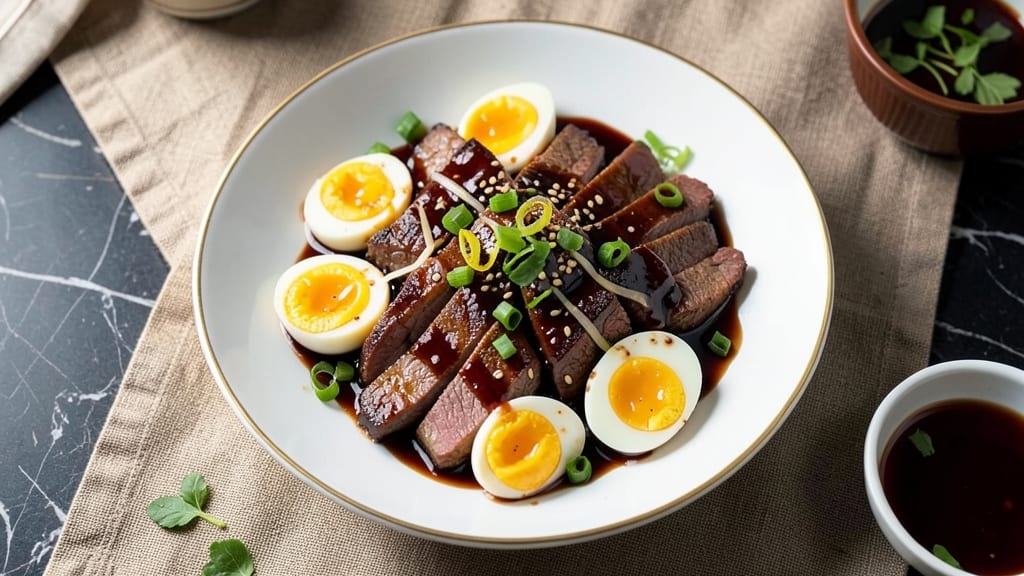
This beef and egg Chinese recipe delivers the perfect marriage of tender beef strips and silky scrambled eggs, all wok-fired to achieve that signature umami crunch and smoky aroma.
The secret lies in high-heat stir-frying—searing the beef first to lock in juices, then quickly folding in eggs cooked just until set, creating a dish that's both hearty and delicate.
I developed this version after years of testing, ensuring every bite balances rich beef flavors with the clean, custardy texture of perfectly scrambled eggs.
The beauty of this dish is its versatility—it works as a quick breakfast, a satisfying lunch, or even a light dinner when paired with steamed rice or noodles.
Traditional Chinese techniques like wok hei (breath of the wok) elevate simple ingredients, while a splash of soy sauce and a touch of sugar create that signature savory-sweet harmony.
What makes this recipe stand out is the egg technique: scrambled just until the yolks remain velvety, then folded into the beef at the last moment to keep them warm and luscious.
By the time you're done, you'll have a plate of restaurant-quality stir-fry with caramelized beef strips, glossy scrambled eggs, and a sauce that clings perfectly to each bite. The aroma alone—smoky, garlicky, with hints of soy—will have everyone at the table asking for seconds.
This isn't just another stir-fry; it's a dish that captures the essence of Chinese home cooking, where every ingredient plays a crucial role.
Whether you're serving it for a family breakfast or a weeknight dinner, this recipe delivers bold flavors without the fuss. The ingredients are simple, the technique straightforward, and the results undeniably satisfying. Let's get cooking—your taste buds (and leftovers) will thank you.
Ingredients for beef and egg chinese
Fourteen ingredients transform into restaurant-quality beef and egg stir-fry with umami depth and silky texture.
| Ingredient | Amount | Notes |
|---|---|---|
| Flank Steak 🥩 | 1 lb | Thinly sliced against grain |
| Large Eggs 🥚 | 4 whole | Room temperature preferred |
| Light Soy Sauce 🍶 | 2 tbsp | High-quality, low-sodium preferred |
| Dark Soy Sauce 🍶 | 1 tbsp | For color and depth |
| Shaoxing Wine 🍷 | 1 tbsp | Substitute dry sherry if unavailable |
| Granulated Sugar 🍚 | 1 tsp | Balances flavors |
| Sesame Oil 🫒 | 1 tsp | Toasted, for aroma |
| Garlic Cloves 🧄 | 4 cloves | Minced, fresh preferred |
| Green Onions 🧅 | 3 whole | White and green parts separated |
| Neutral Oil 🫒 | 2 tbsp | Peanut or vegetable oil |
| Cornstarch 🌾 | 1 tbsp | For tenderizing beef |
| Salt 🧂 | ½ tsp | Kosher or sea salt |
| Black Pepper 🌶️ | ¼ tsp | Freshly ground |
| White Pepper 🌶️ | ¼ tsp | For subtle heat |
The flank steak is non-negotiable—its lean yet tender texture holds up perfectly to high-heat wok-firing. Look for grass-fed cuts at specialty butchers like Whole Foods or Dartmouth Farms for superior marbling. Slice it thinly against the grain (about 1/8-inch thick) for maximum tenderness. If you're short on time, Costco's pre-sliced flank steak works well, though you'll lose some of the texture control. The cornstarch marinade is critical: toss the beef with it before cooking to create a delicate crust that seals in juices during the intense searing.
No Shaoxing wine? Dry sherry or even a splash of Mirin will replicate the sweet, aromatic profile, though Shaoxing's deep umami remains unmatched. The soy sauces should be high-quality brands like Pearl River Bridge or Lee Kum Kee—cheap versions add bitterness. For the eggs, room temperature is key: whisk them in a bowl for 30 seconds to emulsify before folding. White pepper (not black) is traditional—it adds subtle heat without the visual specks. The green onions should be bright and crisp: separate the white and green parts for different uses (white for cooking, green for garnish).
Prep the beef and sauce components ahead of time—they keep well in the fridge for 2 days. The eggs should be whisked just before cooking to prevent overcooking. Store leftovers in airtight containers for 3 days (they reheat beautifully with a splash of water). For freezing, portion the cooked beef separately from the sauce—it loses texture when frozen whole. This dish tastes even better the next day as flavors meld, so double the batch if you're feeding a crowd.
Why You'll Love This Recipe
- One-Pan Magic: I swear by this—just slice the flank steak thin, crack eggs into the same pan, and let the soy sauces and Shaoxing wine work their magic. No chopping, no fuss, just done.
- Umami Bomb: That combo of light and dark soy sauce with a splash of Shaoxing wine? It’s like a flavor explosion—sweet, salty, and deep all at once. The eggs soak up the goodness, and the beef gets this irresistible sheen.
- Lunchbox Hero: Make a big batch on Sunday, and you’ve got effortless lunches all week. Pack it cold or reheat it—it’s just as good the second day, and my kids actually finish what’s in their containers.
- Budget Power Move: Flank steak stretches far when sliced thin, and eggs are cheap. You’re feeding a family for next to nothing, and honestly? Nobody will guess how affordable this was to make.
Step-by-step instructions for wok-fired beef and egg
Master this classic Chinese wok technique for perfectly tender beef and silky eggs.
Marinate and Tenderize the Flank Steak
Place the 1 lb flank steak between two sheets of plastic wrap and pound it to an even ¼-inch thickness using a meat mallet. This ensures even cooking and maximum tenderness. In a small bowl, combine 1 tbsp cornstarch, 0.5 tsp salt, 0.25 tsp black pepper, 0.25 tsp white pepper, 1 tsp granulated sugar, 1 tbsp dark soy sauce, 1 tbsp light soy sauce, and 1 tbsp shaoxing wine. Mix until the cornstarch forms a smooth paste.
Spread the marinade evenly over the steak, coating all sides completely. Cover and refrigerate for at least 30 minutes (up to 4 hours for deeper flavor penetration). The cornstarch helps tenderize the meat while the soy sauces and wine infuse rich umami flavor. When ready to cook, slice the steak thinly against the grain for maximum tenderness.
Prepare the Egg Mixture and Aromatics
Crack the 4 whole large eggs into a bowl and whisk vigorously until the yolks and whites are fully combined. The eggs should be at room temperature for even cooking. In a separate small bowl, mince the 4 cloves garlic cloves and separate the 3 whole green onions into white and green parts. Set aside.
Heat a wok or large skillet over medium-high heat until a drop of water sizzles immediately upon contact. Add 2 tbsp neutral oil and swirl to coat the pan. Once the oil shimmers but doesn't smoke, add the minced garlic and the white parts of the green onions. Stir-fry for 30 seconds until fragrant—this builds the aromatic base for the dish.
Cook the Beef to Perfect Tenderness
Working in batches if needed, add the sliced flank steak to the wok in a single layer. Stir-fry vigorously for 1-2 minutes until the beef turns deep brown and is nearly cooked through. The high heat and thin slicing ensure the meat cooks quickly without drying out. Remove the beef and set it aside on a plate.
Add the green parts of the green onions to the wok and stir-fry for 10 seconds until just wilted. Pour in 1 tsp sesame oil and toss to combine. This step infuses the wok with aromatic depth that will carry through the final dish. Keep the cooked beef warm while you prepare the eggs.
Scramble the Eggs with Precision
Return the wok to medium heat (the residual heat from cooking the beef will help). Pour in the whisked eggs and let them sit undisturbed for 5-10 seconds until the edges begin to set. Use a spatula to gently push the eggs from the edges toward the center, creating soft, silky curds as you go.
Once the eggs are 80% set but still slightly runny in the center, add the cooked beef back into the wok. Toss everything together for 30 seconds until the eggs are fully cooked and the beef is evenly distributed. The residual heat from the wok will finish cooking the eggs to perfection while keeping the beef warm.
Finish and Serve Immediately
Taste the dish and adjust seasoning if needed—you may want to add a splash of light soy sauce or a pinch of salt to balance flavors. Serve the beef and egg mixture immediately over steamed rice or noodles while still hot and sizzling. The contrast of the tender beef, silky eggs, and aromatic wok hei (breath of the wok) creates a harmonious bite.
For best results, serve this dish right away. The eggs will firm up slightly as they cool, but the beef remains juicy and flavorful. Garnish with extra green onions if desired, and enjoy the perfect balance of textures and umami flavors that define this classic Chinese recipe.
Pro Tips For Making Beef And Egg Chinese
- Sear the Flank Steak First: I used to toss the raw flank steak straight into the stir-fry, and it always ended up tough and gray. Now I sear it first—slice it against the grain into ½-inch strips, then hit a hot wok with 1 tablespoon oil until the edges just turn opaque (about 30 seconds). This jumpstarts the flavor and keeps the meat tender when it finishes cooking in the sauce.
- Use Cold Eggs, Not Room Temp: Cracking eggs straight from the fridge might seem counterintuitive, but they hold their shape better in the stir-fry. Beat them lightly with a splash of water (about 1 tablespoon per egg) and let them sit in the bowl for 5 minutes before adding—this gives you that classic silky, slightly custardy texture instead of scrambled bits.
- Deglaze with Shaoxing Wine Immediately: After searing the beef, don’t let the fond dry out. Pour in 1 tablespoon Shaoxing wine right away and let it sizzle for 20 seconds—this pulls up all those caramelized bits that make the sauce rich. If you wait, you’ll miss half the flavor, and the wine will just boil off without doing its job.
- Balance the Soy Sauces Like a Pro: Dark soy sauce is for color (½ teaspoon max), not flavor—use light soy for the saltiness. I learned this after making my sauce taste bitter twice. Start with 1 teaspoon light soy, add the dark last, and taste as you go. The wine and soy should sing together, not fight.
Troubleshooting perfect results
Eggs Too Dry?
If your scrambled eggs turn out dry or rubbery, you likely overcooked them. The key is to remove the wok from heat just when the eggs are 80% set—they'll finish cooking from residual heat while mixing with the beef.
I've found that using room-temperature eggs and whisking them vigorously first creates a smoother, creamier texture. Also, avoid stirring too aggressively—gentle folding keeps the yolks velvety. 🌶️
Beef Overcooked?
Flank steak cooks quickly, so 1-2 minutes max in the wok is ideal. If yours turns out tough, check your slicing technique—always cut against the grain (perpendicular to muscle fibers) for maximum tenderness.
For extra insurance, marinate the beef for at least 30 minutes (up to 4 hours) in the cornstarch mixture. I recommend using a meat thermometer—beef should reach 145°F internal temperature when done.
Sauce Too Salty?
The soy sauces pack serious umami, so taste as you go! If your dish tastes too salty, balance it with 1 tsp sugar or a splash of Shaoxing wine (or dry sherry).
For prevention, use low-sodium soy sauces like Pearl River Bridge or Lee Kum Kee. The granulated sugar in the marinade also helps mellow the saltiness while adding subtle sweetness. 💡
Wok Not Hot Enough?
A cold wok = steamed beef, not stir-fried. Your wok should be ripping hot—a drop of water should sizzle instantly. If your stove struggles to heat the wok properly, try preheating it for 5 minutes before adding oil.
I use a carbon steel wok (like Made In woks) because it heats faster and retains heat better than stainless steel. Also, work in small batches if needed to avoid crowding the pan.
Eggs Too Watery?
Undercooked eggs happen when the wok isn't hot enough or the eggs are added too early. Let the eggs sit undisturbed for 5-10 seconds after pouring to set the edges slightly. If they're still too runny, cook them for another 10-15 seconds before folding in the beef.
For extra insurance, whisk the eggs with 1 tsp cornstarch to help them set faster. 🥚
Flavor Too Mild?
Boost umami by adding 1 tsp fish sauce or ½ tsp MSG to the marinade. For depth, toast the sesame oil separately and drizzle it over the finished dish. I also recommend adding 1 tsp oyster sauce to the wok after cooking the beef for extra richness.
If you're short on time, a pinch of white pepper (which we already use) adds subtle heat and complexity without overpowering the dish.
Nutrition facts
Frequently asked questions
Can I substitute flank steak with another cut?
Yes, but choose lean cuts that cook quickly. Sirloin or ribeye work well—just slice against the grain for tenderness. Avoid fatty cuts like ribeye (too much fat) or tough cuts like chuck (won't tenderize properly). For extra juiciness, marinate for at least 30 minutes in the cornstarch mixture.
Why do my eggs turn out rubbery?
Overcooking or stirring too aggressively causes rubbery eggs. Let them cook 80% set (soft curds) before folding in beef, and use medium heat (not high). Whisk eggs first for smoothness, and avoid cold pans—your wok should be ripping hot before adding them. Room-temperature eggs also scramble better.
What's the best way to reheat leftovers?
Reheat gently in a skillet over low heat with 1 tsp oil to prevent drying. Add 1 tbsp water to keep eggs moist. Microwaving works too (30-second bursts), but stir between each to redistribute heat. Leftovers taste best within 2 days—the flavors meld beautifully!
Can I make this vegetarian?
Replace beef with tofu (extra-firm, pressed) or mushrooms (shiitake or oyster). For texture, marinate tofu in the same sauce for 20 minutes before cooking. Use 1 block (14 oz) tofu, sliced into strips. The egg component stays the same—just adjust the wok timing slightly.
How do I get that smoky wok hei flavor?
Use a carbon steel wok (like Made In) and crank the heat to maximum. Work in small batches to avoid steaming. After cooking beef, let the wok sit for 10 seconds before adding eggs—this creates the smoky aroma. A gas stove (not electric) gives the best wok hei, but a cast-iron skillet works too.